Many people worry about the sunken appearance above the eyes and feel that it makes them look more tired or older than before. This reduction in volume in the upper eyelid area is more common than many people think. However, it is also a area where even a small change can significantly affect the overall impression, so it is not something that can simply be dismissed as “just aging.” Because the eyes play a central role in determining the overall mood of the face, even a minor change can make someone look tired or sensitive.
Recently, more people have been showing interest in upper eyelid fat grafting as a way to improve hollow eyes. However, because the eyelids have thin skin and are a highly mobile area, simply adding volume does not automatically create a natural result. It is important to take a careful approach that fully considers the current condition of the eyes, the direction of aging, skin thickness, and the characteristics of the eye shape.
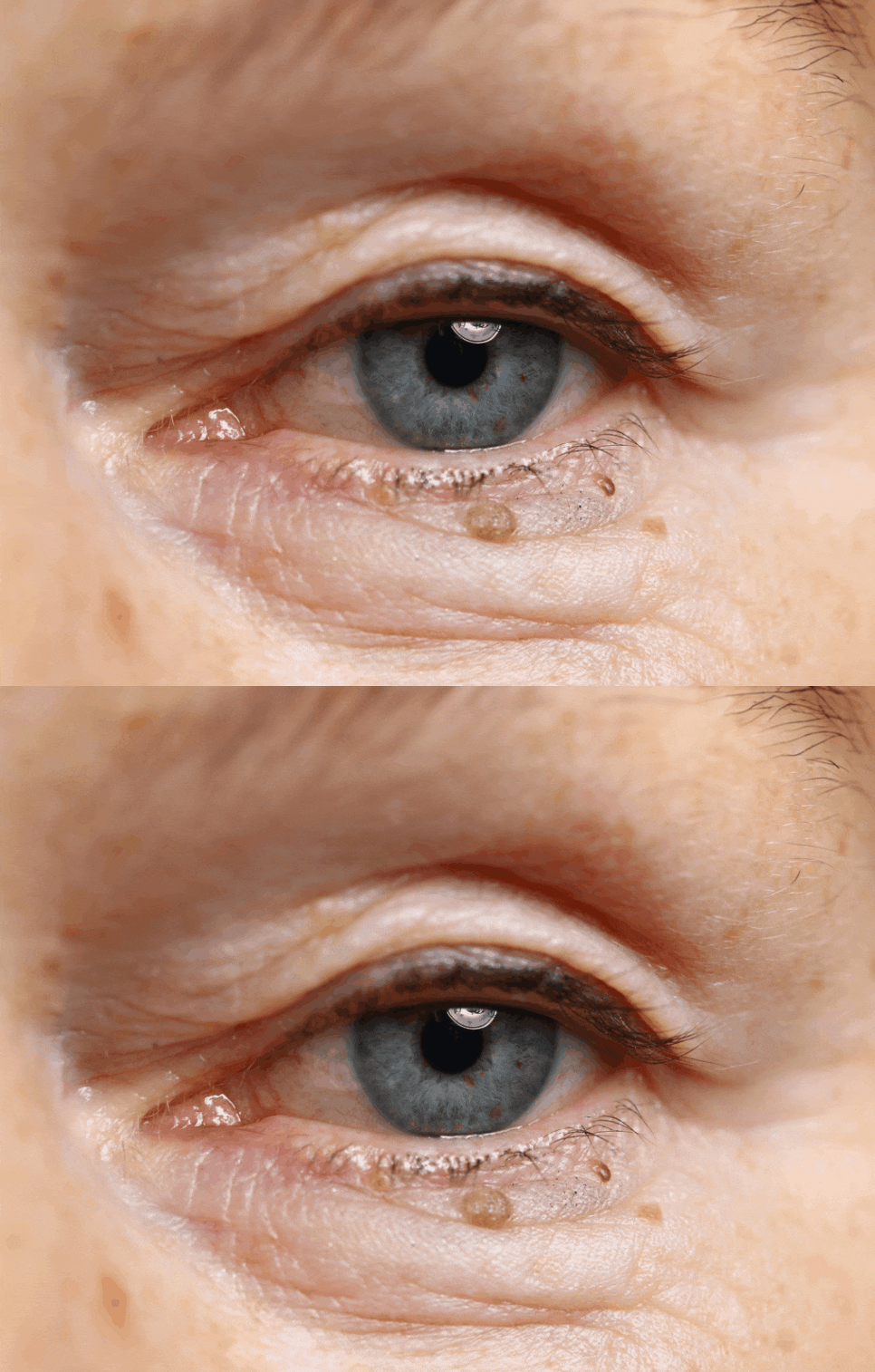
Why does hollowing occur?
The sunken appearance above the eyes happens when various factors act together. The most representative reason is aging. As people get older, skin elasticity decreases, and the volume of fat and soft tissue that support the eyelids gradually diminishes. In particular, upper eyelid fat helps the eyes open and close smoothly, and when this area starts to hollow, the overall impression of the eyes can change.
In addition, people with thin skin or those who naturally have little eyelid fat may show more noticeable hollowing even at a relatively young age. Sudden hollowing above the eyes can also appear after extreme dieting, and repeated eye-rubbing habits or age-related changes in the tissues around the orbit can also have an effect.
In some cases, the upper eyelid may appear lacking in volume over time after double eyelid surgery. In this way, hollowing above the eyes is often not caused by a single factor, but rather by a combination of skin, fat, muscle, and aging changes.
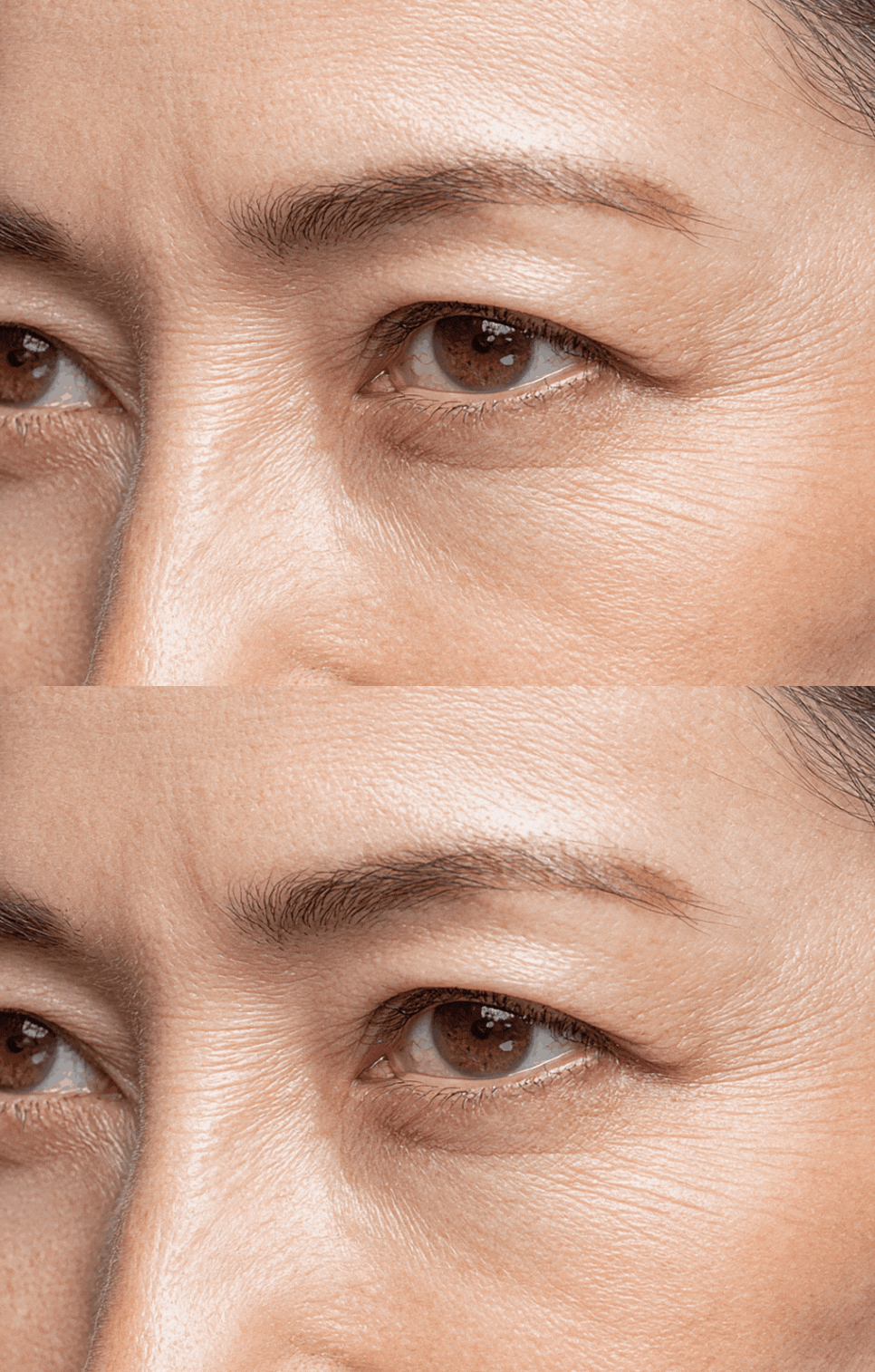
How does eyelid hollowing affect appearance?
The first change that appears when the eyelids become hollow is a tired-looking impression. When the area above the eyes becomes sunken, shadows form, and this shading can make a person look older or more exhausted than they really are. This is also why people often hear that they look tired even after getting enough rest.
Some people also feel discomfort when opening their eyes. When the fat above the eyes decreases, the movement of the skin and tissue becomes less smooth, which can make the eyes feel more easily fatigued and dry.
Especially after middle age, hollowing above the eyes and sagging skin often occur at the same time, making the change in appearance feel even more pronounced. That is why it is important to look at the overall condition of the eyes rather than simply assuming that “adding volume” is enough.
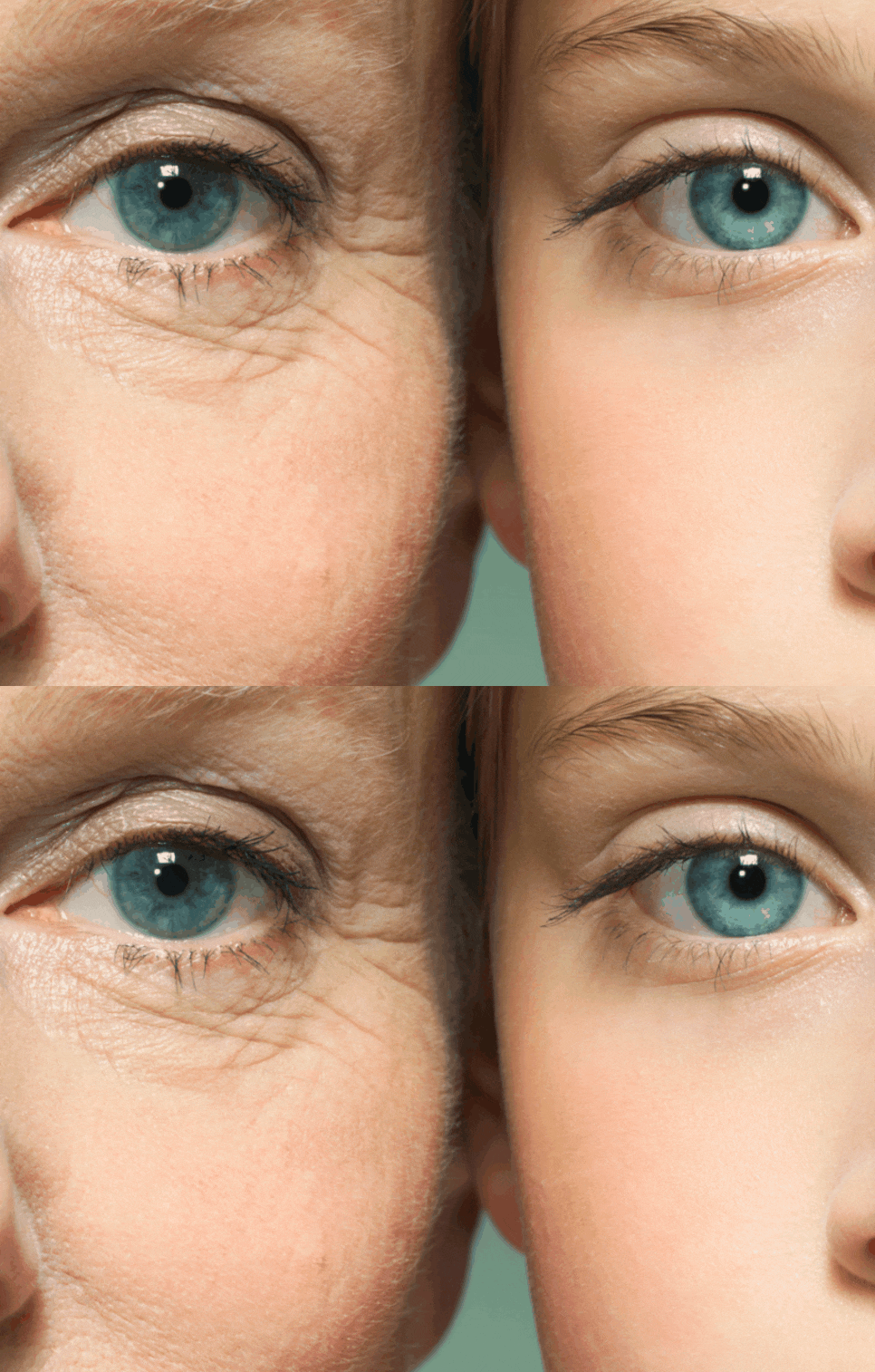 What is upper eyelid fat grafting?
Upper eyelid fat grafting is a procedure that naturally restores the missing volume in sunken eyelids. Typically, a small amount of fat is harvested from areas such as the abdomen or thighs, unnecessary components are purified, and only healthy fat is finely separated before being carefully injected into the eyelid area.
Because it uses the patient’s own tissue, it tends to feel less foreign and has a softer texture. In addition, rather than simply increasing volume, it can help soften the shadows created by hollow areas and create a more lively eye appearance.
However, because the eyelids are an area with very thin skin, injecting too much fat or injecting it unevenly can actually lead to unnatural results. For that reason, careful consideration is needed regarding how much fat to place, at which layer to inject it, and how to balance both sides. It is important to remember that this is not an area where simply filling more automatically leads to better results.
Not every case of eye hollowing is treated with fat grafting alone.
For example, if skin sagging is also severe, combining it with upper blepharoplasty or a brow lift may be more appropriate. On the other hand, if sagging is not severe and the main issue is simply lack of volume, fat grafting alone can provide a natural improvement.
For people with protruding lower eyelid fat, it may also be considered to redistribute or use that fat to supplement the volume of the upper eyelid. This approach has the advantage of improving both the upper and lower eye areas together.
The key point is the process of analyzing the current condition of the eyes and deciding which method will create the most natural result. Since the eyes are an area where left-right asymmetry is easily noticeable, it is important to reflect each person’s individual characteristics rather than taking a one-size-fits-all approach.
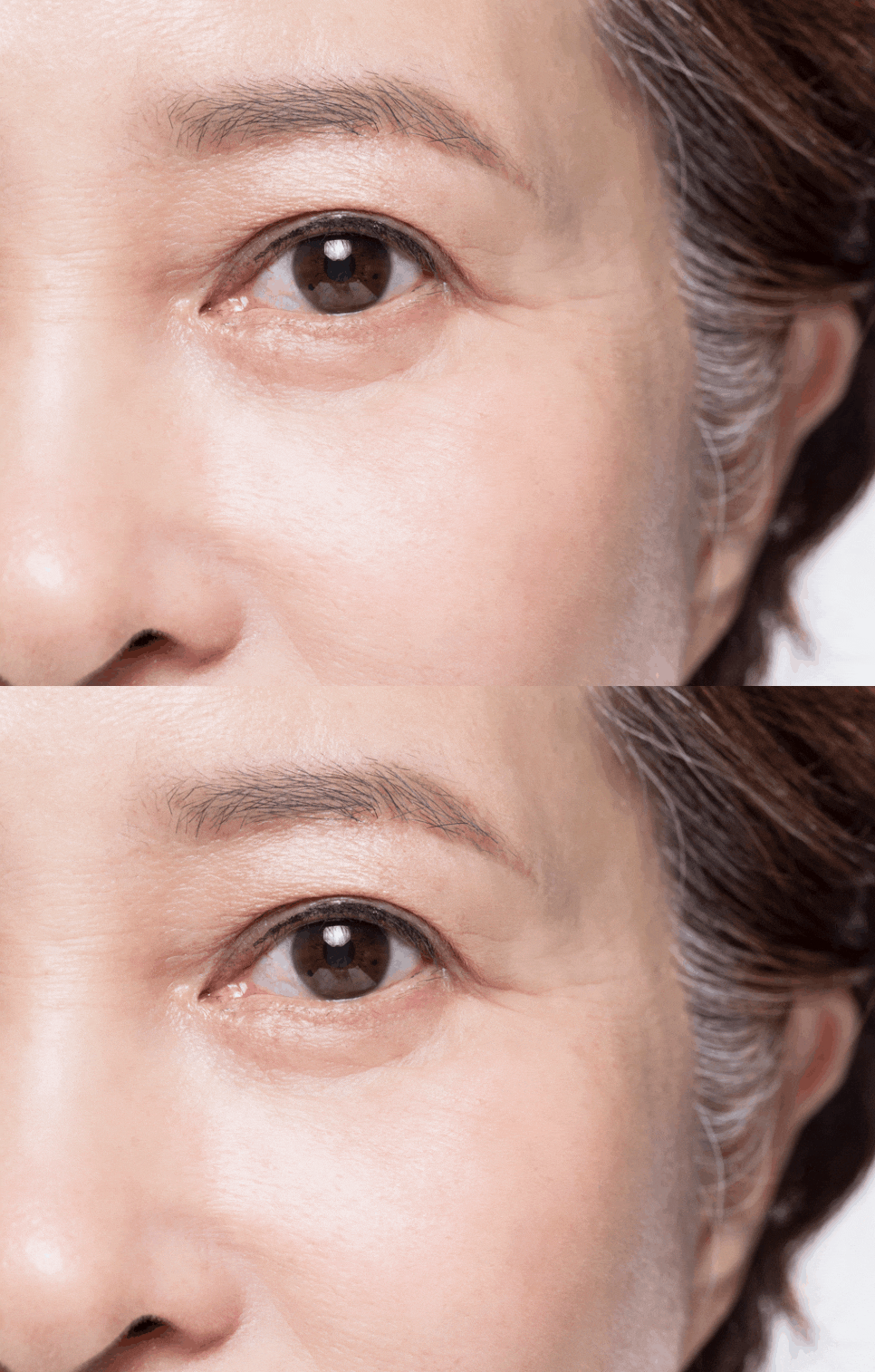 Important points for a natural result
Many people think upper eyelid fat grafting is a relatively simple procedure, but in reality it requires a great deal of precision.
This is because even a very small difference in volume above the eyes can significantly change the overall impression. If the fat is placed too superficially, it can look uneven, and if too much is injected, the eyes may look heavy and thick. In addition, because the degree of fat retention can vary over time, it is important not to overfill from the start but to make adjustments within a natural range.
Above all, what matters most is understanding the current condition of the eyes and approaching the procedure with harmony with the overall facial appearance in mind. Rather than looking at hollowing alone, it is necessary to also consider skin sagging, eyelid-opening strength, the existing double eyelid line, and the position of the eyebrows in order to determine a more stable direction.
Even if the eyes look similarly hollow, the causes and conditions can be different. For some people, fat grafting alone may be sufficient, while in other cases, another surgery or procedure may also be needed. Therefore, if you are considering improving hollow eyelids, rather than focusing only on price or promotional events, it is advisable to take a careful approach through a plastic surgery clinic that can thoroughly analyze your current eye condition and work with you to find the most natural direction.
| This post was written for informational purposes in compliance with Article 56, Paragraphs 1 to 15 of the Medical Service Act. All treatments carry a risk of side effects and complications depending on the individual. Before treatment, be sure to have a thorough consultation with medical staff who have extensive experience before making a decision. |