Due to aging, your face may look wider than before, or the line extending from the jaw to below the ears may appear less defined. If the skin beside the corners of your mouth sags and your jawline looks uneven even though your weight has not changed significantly, jawline sagging may be a consideration. However, simply pulling up only the jaw area is not always the best approach just because the jawline has lost definition. Changes in the jawline are influenced by multiple factors, including skin elasticity, sagging of the deep cheek fat, fat volume, and facial bone structure.
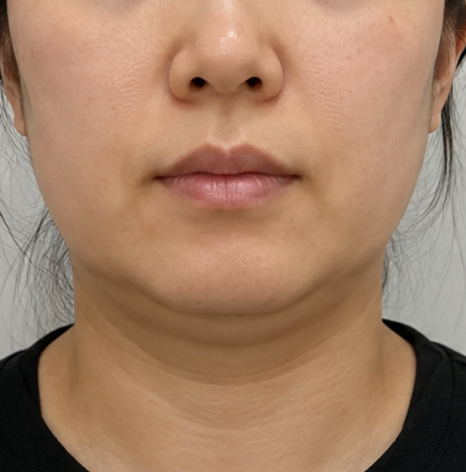
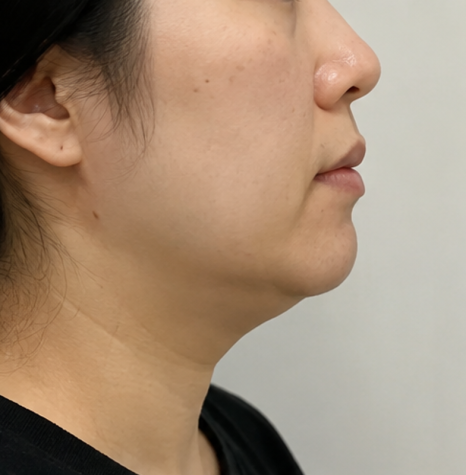
Why Does the Jawline Lose Definition?
The jawline is not formed by the skin around the jaw alone. The skin, fat, muscles, and ligaments extending from below the cheekbones through the cheeks and corners of the mouth to the jawline work together to form the facial contours. As we age, skin elasticity decreases and the tissues around the cheeks move downward. Volume then accumulates around the corners of the mouth and jawline, which can lead to the appearance of what is commonly called jowl fat, sagging deep cheek fat, and marionette lines.
Main Causes of Jawline Sagging
-
Reduced skin elasticity
-
Downward movement of the deep cheek fat and cheek tissue
-
Fat around the jawline
-
The influence of facial bone structure
-
A combination of sagging skin and fat-related concerns
Therefore, before jawline lifting, it is important to first determine where the visible sagging begins.
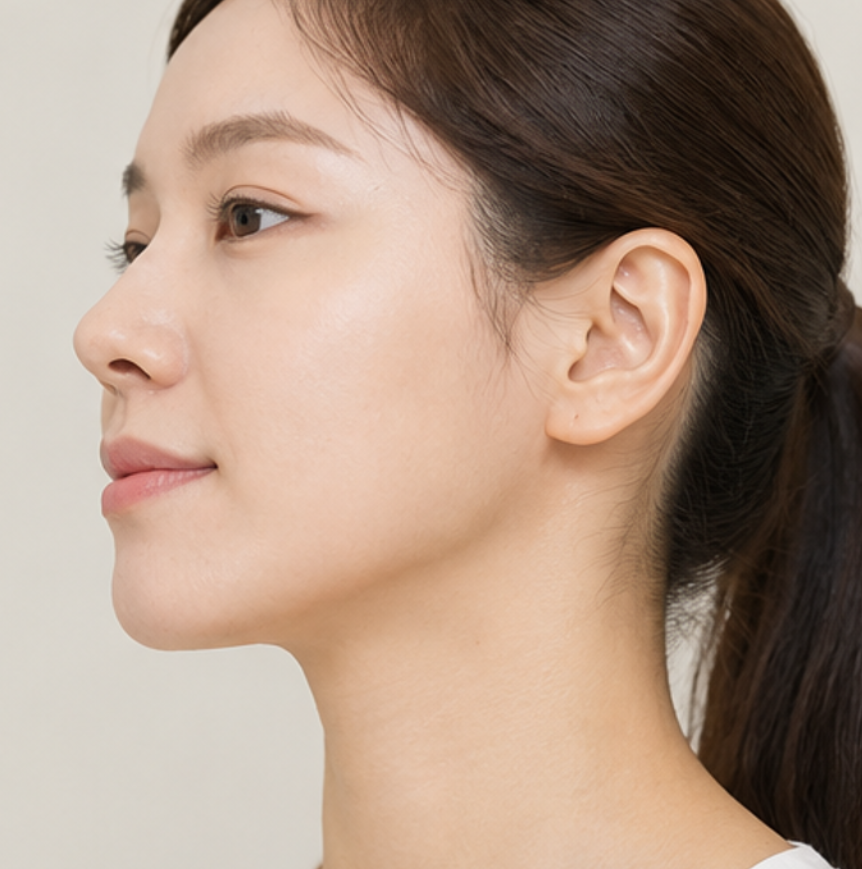
The Approach Also Varies Depending on the Type of Jawline Sagging
| Type | Characteristics | What to Assess |
|---|
| Skin sagging type | The jawline is generally loose | Skin elasticity and degree of sagging |
| Deep cheek sagging type | Jowl fat beside the corners of the mouth is prominent | Tissue descending from the midface |
| Fat-related type | There is substantial volume around the jawline | Fat volume and skin elasticity |
| Combined type | Sagging and excess fat are present together | Overall facial balance |
Even when the concern is the same jawline, the causes may differ. Rather than inserting and pulling threads in the same direction for everyone, the procedure should be planned according to the condition of each person’s face.
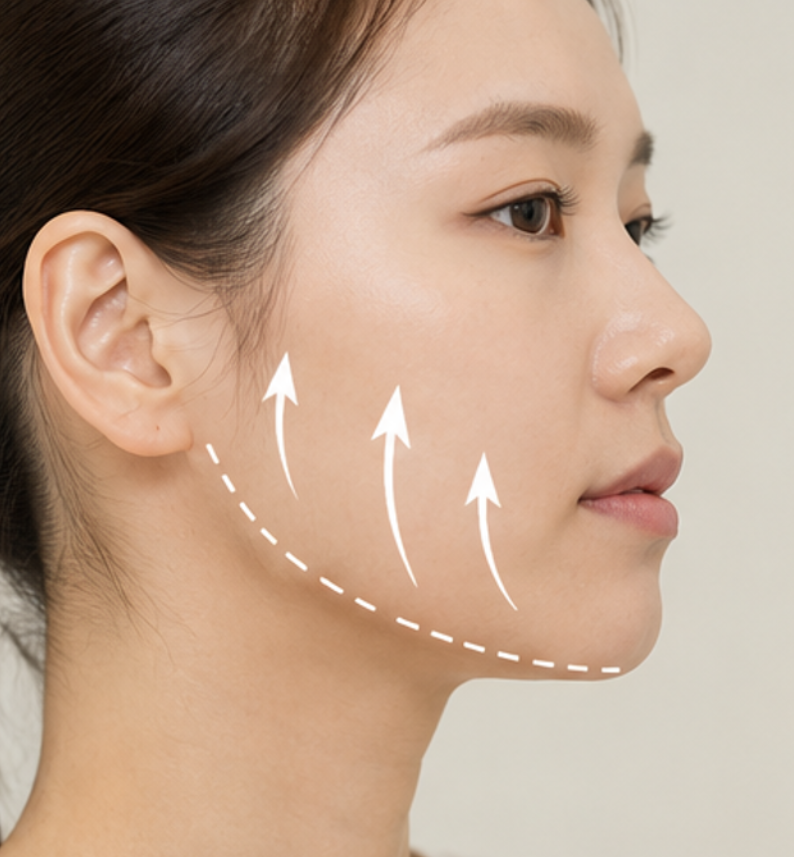
How Is Jawline Thread Lifting Performed?
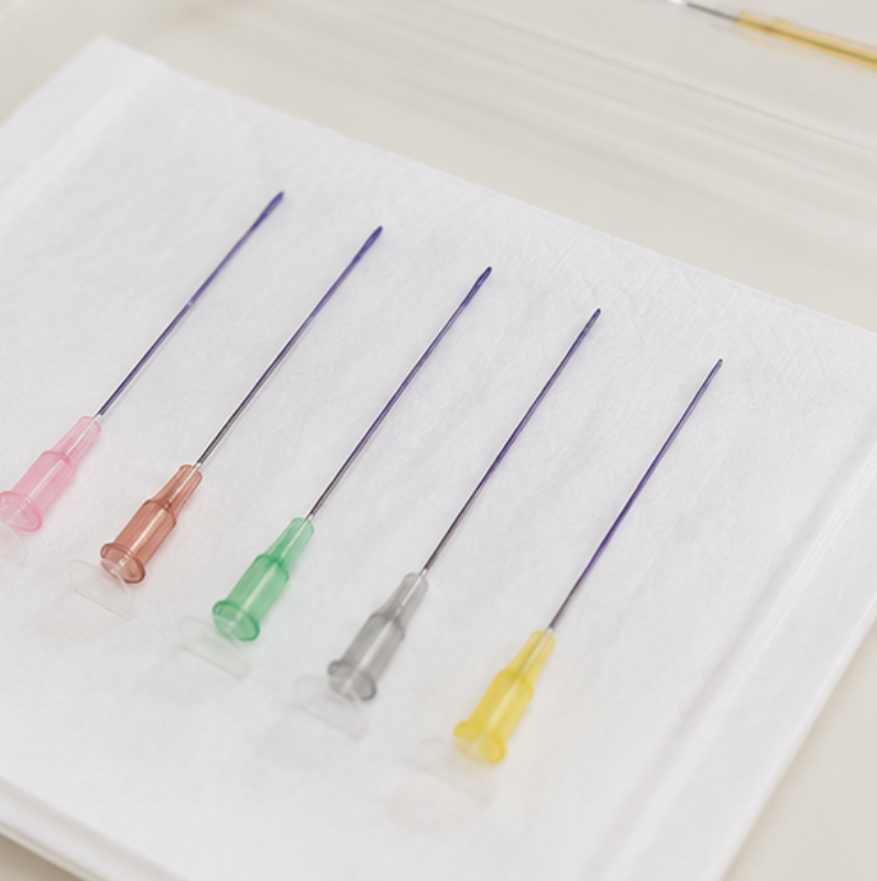
Thread lifting is a method in which medical threads are inserted into an appropriate layer beneath the skin to move sagging tissue in the desired direction.
The principle is that the barbs or structure of the threads hold the surrounding tissue and reposition the volume that has moved downward toward the upper area.
For jawline lifting, the following areas are generally assessed together:
When planning the lifting direction, it is important not simply to insert threads just above the jawline and pull. The location where sagging begins and the flow of tissue throughout the face should also be considered.
If the tissue has descended from the midface, it may be difficult to create natural contours by pulling only the lower face strongly.
Conversely, if there is only mild sagging around the jawline, the procedure may be planned within a more limited area, focusing on the parts that require treatment.
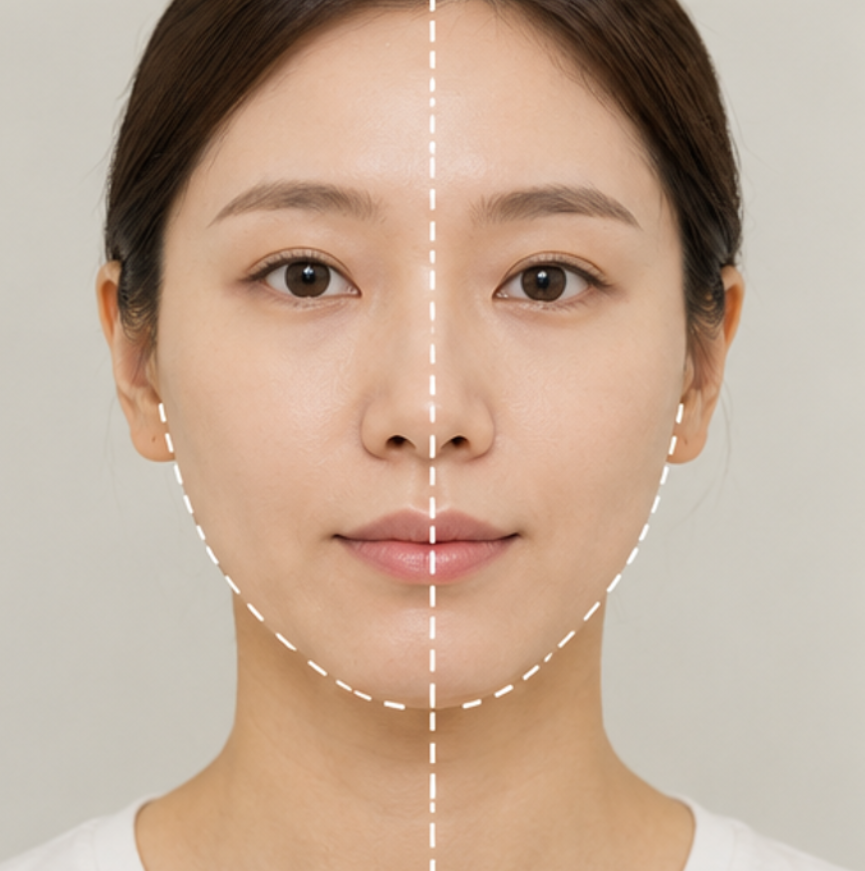
What Is Important in Jawline Thread Lifting?
Thread lifting is a method that positions medical threads beneath the skin to move sagging tissue in the desired direction. For jawline lifting, the deep cheek fat, corners of the mouth, marionette lines, and jowl fat are generally assessed together. What is important here is not the number of threads, but their position and direction.
Even when the same number of threads is used, the result may vary depending on:
-
Where the threads are inserted
-
The depth at which the tissue is engaged
-
The direction of pulling
-
The points where the threads are anchored
-
The thickness of the skin and fat
If the jawline alone is pulled excessively strongly, volume may collect in another area or the cheekbones may appear more prominent, creating an unnatural appearance. Therefore, the goal is not to pull as strongly as possible, but to naturally reposition sagging tissue and balance the face as a whole.
Can All Jawline Sagging Be Addressed with Thread Lifting?
Thread lifting may be considered for mild skin sagging or deep cheek sagging. However, if the skin is significantly stretched or there is a large amount of fat, it may be difficult to achieve the desired change with thread lifting alone. Conversely, excessively reducing fat in a face with little volume may make the face appear hollow.
Ultimately, the important step is not to decide on the procedure first, but to determine whether the blurred jawline is caused by sagging, fat, or a combination of both.
Check Before Jawline Lifting
| ✔ Have the cause of the jawline sagging been thoroughly assessed? ✔ Have the deep cheek and corner-of-the-mouth sagging also been examined? ✔ Have the thickness of the skin and fat been considered? ✔ Have the position and direction been explained sufficiently, rather than just the number of threads? ✔ Has the procedure been planned with the balance of the entire face in mind? |
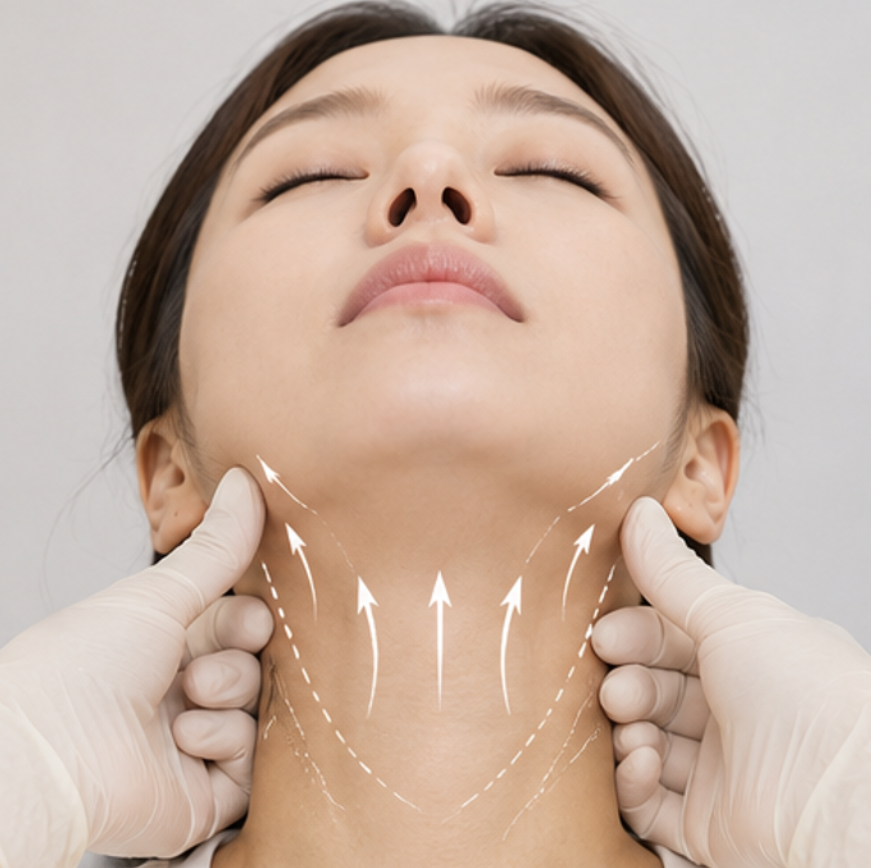
What matters in jawline lifting is not how much the tissue has been pulled, but which areas have been moved and in what direction.
Because each person has different skin elasticity, fat volume, facial bone structure, and locations of sagging, it is better to assess the face as a connected whole—from the midface through the deep cheek area and corners of the mouth to the jawline—rather than looking at the jawline separately.
A natural jawline is not necessarily one that is made as sharp as possible. Its significance lies in creating smooth contours that harmonize with the volume and balance of the entire face.
| This post was written for informational purposes in compliance with Article 56, Paragraphs 1–15 of the Medical Service Act. All treatments carry the risk of side effects and complications, which may vary from person to person. Before treatment, please have a sufficient consultation with a medical professional with extensive experience and make your decision afterward. |