
A nasal ala reduction is a procedure that reduces the size and width of nostrils that appear to spread outward, creating a clearer and more refined impression. It is important not simply to make the nostrils smaller, but to design the procedure with the overall harmony of the face and nose proportions in mind.
Because everyone has different nose shape, skin thickness, and nostril structure, an individualized approach is necessary.

When the nostrils are wide, the center of the face can appear more emphasized, making the face look larger than it actually is, so many people are highly satisfied with the change after improvement.
The nose, located at the center of the face, is an important factor in determining the overall impression. Among its features, the width of the nostrils can influence whether the face looks larger or more heavy-set. In particular, many people feel stressed when their nose appears spread out in photos or when their nostrils flare widely while smiling.

In such cases, nasal ala reduction may be considered.
-
When the nostrils appear to spread widely left and right
-
When the nostrils flare excessively while smiling
-
When the nostrils stand out more than the tip of the nose
-
When you want to improve an overall round and heavy impression
-
When you are concerned that your nose looks large in photos

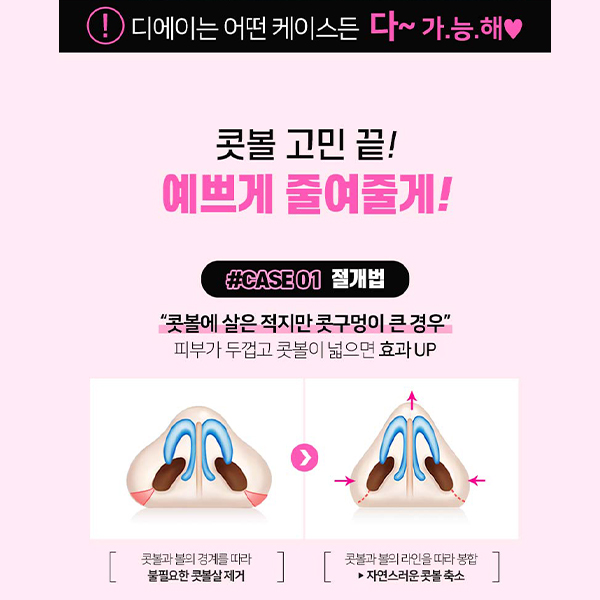
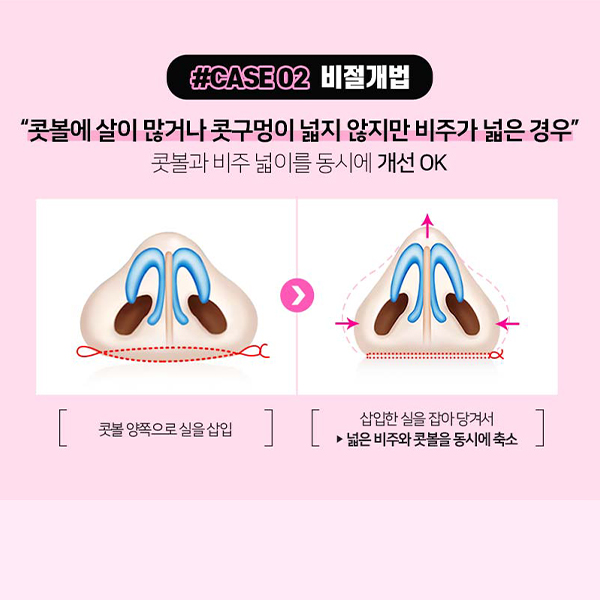
Because the nose is located at the center of the face, even a small change can alter the overall impression. In particular, when the nostrils appear wide or spread out, it can lead to concerns that the face looks heavy or the nose looks large.
The procedure often considered to address these concerns is nasal ala reduction. Recently, with both incision and non-incision methods becoming widely known, many people are wondering which method is right for them.
�a0
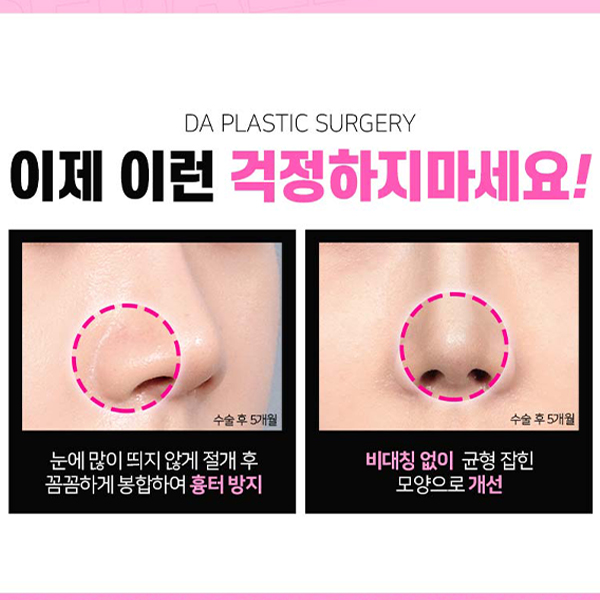
Although nasal ala reduction may seem like a relatively small change, it is a procedure that can have a significant impact on facial appearance. To reduce concerns about scarring and asymmetry, a delicate approach that fully considers each person's nasal structure is important.
Rather than focusing only on reducing the nostrils, considering balance with the entire face and a natural-looking change can lead to a more satisfying result.
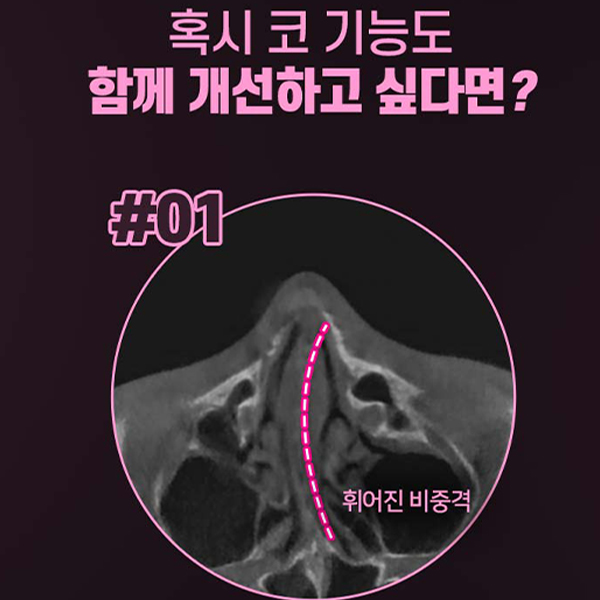
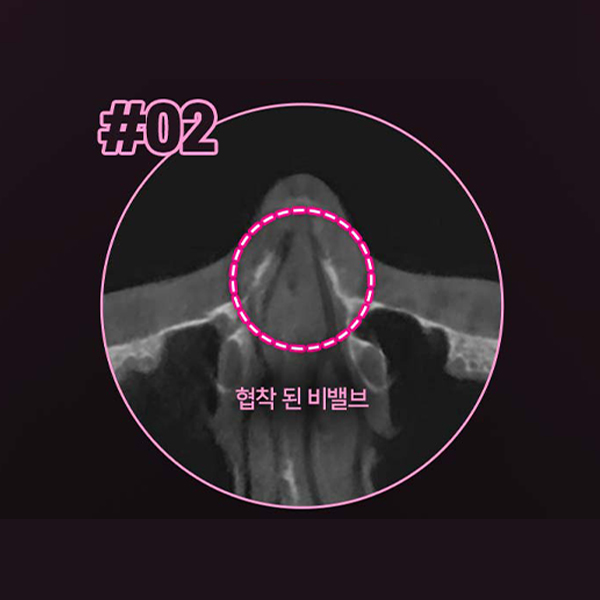
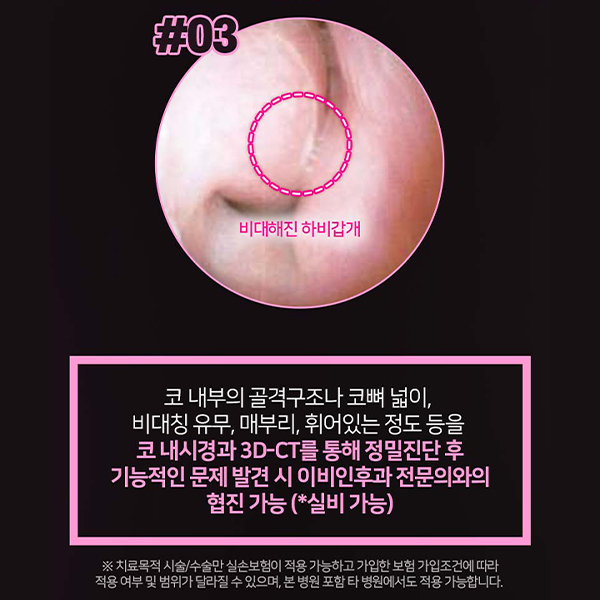
The nose is not just an area where appearance matters. It plays a role in determining facial impression at the center of the face and also has a direct effect on breathing function.
Recently, as people consider nasal ala reduction to improve wide nostrils, many are also seeking consultations about functional concerns such as “breathing feels uncomfortable,” “one side of the nose gets blocked often,” or “I have chronic rhinitis.”
In particular, a deviated septum, narrowed nasal valves, and enlarged inferior turbinates are not uncommon alongside appearance-related issues, so an accurate functional diagnosis through detailed examination is important.
If you consider not only changes in appearance but also comfortable breathing and balance, you may be able to expect a more satisfying result.
�a0

Nasal ala reduction is a procedure that can make the facial impression look clearer and more refined with only a small change. However, for a satisfying result, the surgical process alone is not the only important factor.
How postoperative care is provided and how systematically the recovery process can be managed are also very important elements.
In particular, because the nose is located at the center of the face, it is a sensitive area for swelling, scarring, and changes in left-right balance, which is why the importance of aftercare is emphasized even more.
�a0
Nasal ala reduction is not simply a procedure to reduce the nostrils; it is a delicate process that considers the balance and image of the entire face. And for a highly satisfying result, systematic aftercare as well as the surgery itself can be an important part.
It may be helpful to check carefully whether the environment can provide accurate diagnosis, natural design, and attentive management throughout the recovery process.


This post complies with the legal standards for medical advertising disclosures.
�a0
https://youtu.be/3Y0pyblSyEY?si=PZsYlw239Bf0eku-
�a0