
As people age, more and more find themselves concerned about reduced skin elasticity, fine lines, and changes in skin texture.
In particular, as it becomes more difficult to achieve satisfactory improvement through simple moisturizing or general skin care alone, interest is also growing in treatments that enhance the skin’s natural regenerative capacity.
One of the treatments that has recently been receiving attention is skin regeneration therapy using autologous stem cell injections.
Autologous stem cell injections are a treatment that uses cells extracted from the patient’s own body to help regenerate the skin.
Cells are generally collected from sources such as fat or blood, undergo the necessary processing, and are then injected into the skin.
Stem cells have characteristics that allow them to participate in the recovery and regeneration of damaged tissue, which has drawn interest because they may help improve the skin environment and restore elasticity.
In particular, because this method uses the patient’s own cells, it tends to be preferred by those who hope for relatively natural-looking skin improvement.
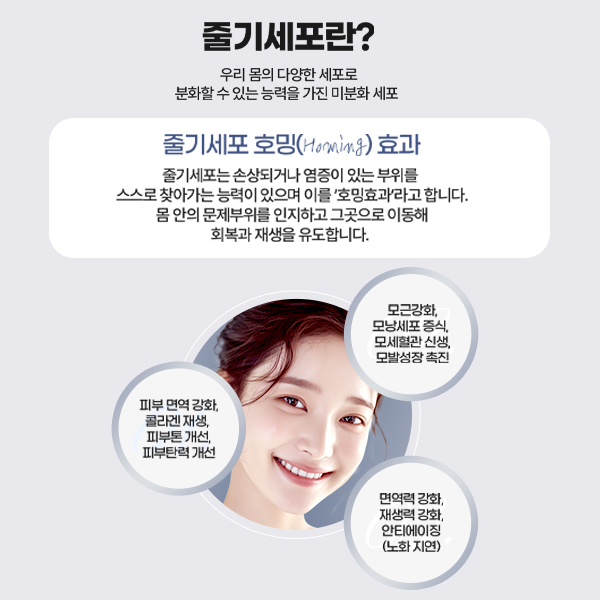

Autologous stem cell skin regeneration may be considered for the purpose of improving various skin concerns.
✔ Reduced skin elasticity
It may help skin that appears saggy and lacking firmness due to reduced collagen.
✔ Fine lines and skin texture
Along with improving dry and rough skin texture, a positive effect on reducing fine lines may also be expected.
✔ Skin tone and radiance
By helping restore the skin’s condition, it may contribute to a clearer, healthier-looking complexion.
✔ Care for damaged skin recovery
It is also sometimes performed alongside other treatments to care for skin recovery after laser procedures or to care for skin that has become sensitive.
Rather than simply filling the surface, the focus is often on improving the skin’s condition and regenerative environment itself.
What skin concerns may it help with?
The way treatments using stem cells are applied may vary depending on an individual’s skin and overall health.
Therefore, it is important to have a thorough consultation with a medical professional who has extensive treatment experience.
In addition, expected effects, how long they last, and the recovery process may vary from person to person, so it is advisable to make a decision after receiving a full explanation.

Many people feel concerned about skin elasticity that has changed from the past, an increase in fine lines, and a duller skin tone whenever they look in the mirror.
In particular, if it is difficult to notice satisfactory changes despite consistently paying attention to skin care, it is natural to become interested in methods that improve the skin’s regenerative environment from within.
Skin regeneration can be described as a process of restoring the foundation of skin health, going beyond changes that are visible on the surface alone.
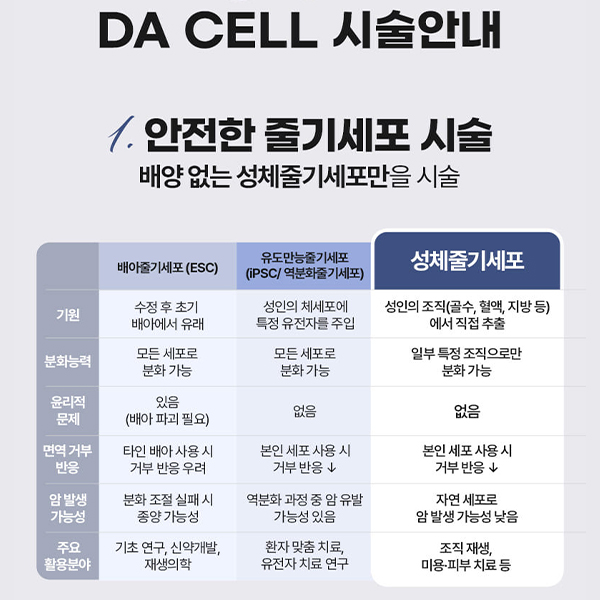
Skin aging is not simply a change that appears as time passes.
As factors such as reduced collagen within the skin, decreased elasticity, insufficient moisture, and changes in the rate of regeneration act together, the skin’s overall condition changes. For this reason, recent interest has shifted toward considering the skin’s natural health and regenerative environment together, rather than managing only the areas visible on the surface.
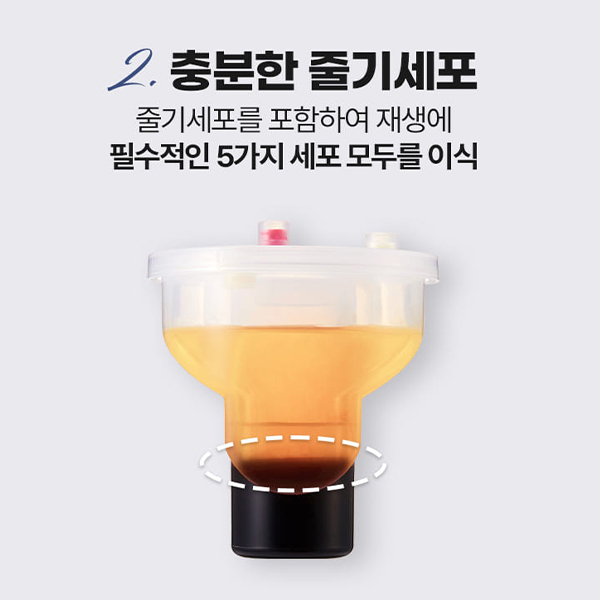
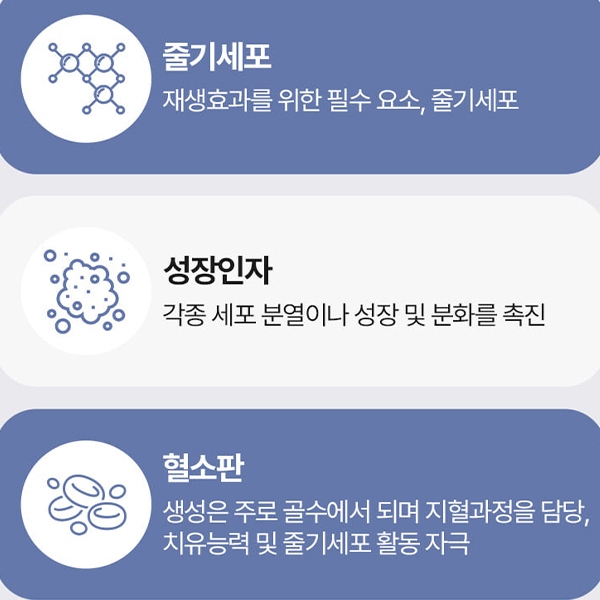
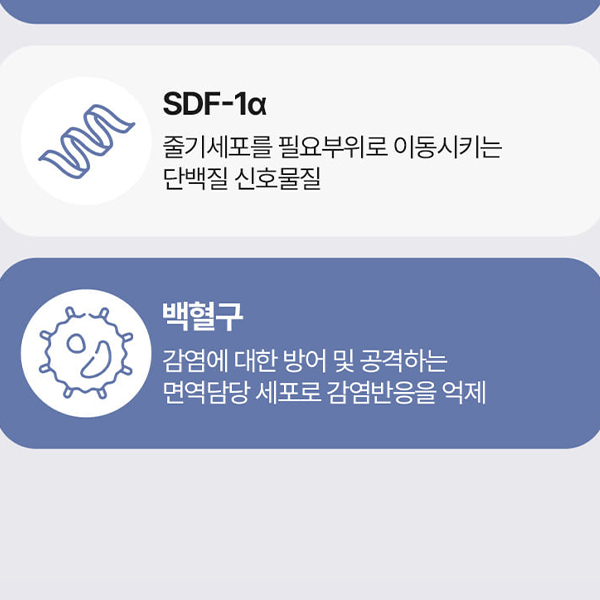
One important aspect of skin regeneration therapy is securing a sufficient number of stem cells and considering the cell composition.
It is important to consider not only the quantity of stem cells, but also whether a variety of cells involved in skin recovery and regeneration are included together.
Autologous stem cell injections are performed after securing a sufficient number of cells needed to improve the skin environment, with an approach that involves transplanting five key types of cells that may help with skin regeneration.
Through this, many people hope for more balanced skin regeneration, including improvements in skin elasticity, skin texture, and radiance.
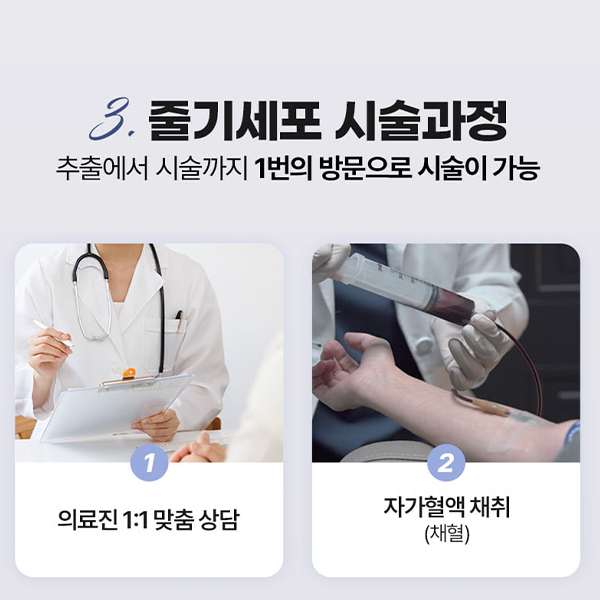
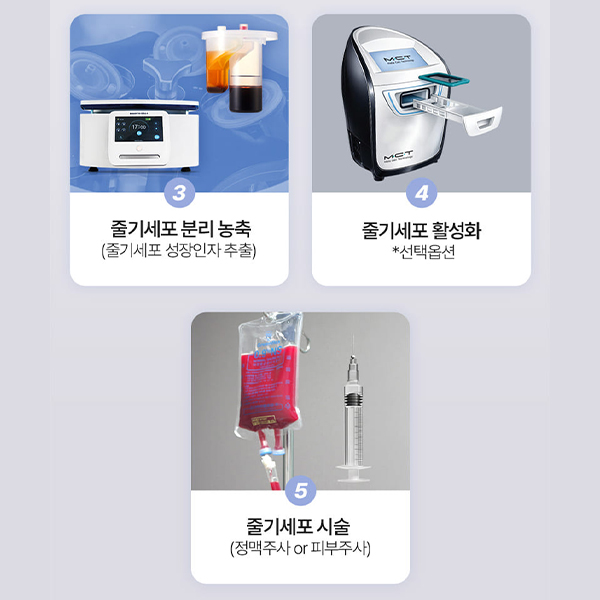
Careful treatment procedures make a difference in skin regeneration
Autologous stem cell skin regeneration is not simply a procedure involving an injection. It is a treatment in which every step, from cell collection to separation, preparation, and injection, must be carried out carefully.
After thoroughly analyzing the individual’s skin condition and degree of aging, a personalized plan is established, and the process of stably preparing the necessary cells is carefully carried out. In addition, the process of delicately injecting the cells according to the skin’s condition is also important for achieving natural results and increasing satisfaction.
Because the condition of the cells and the systematic nature of the treatment process are particularly important in stem cell skin regeneration, it is necessary to check whether the entire process is being carefully managed.
Since small differences can affect the results of skin changes, thorough consultation and a meticulous treatment process are important.
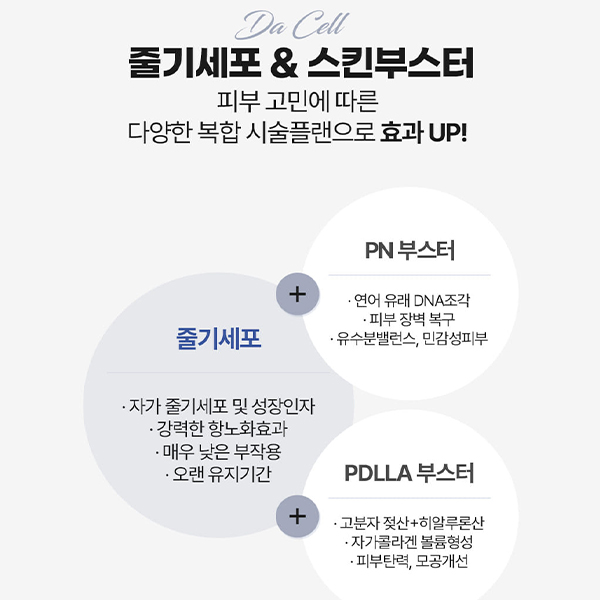
Autologous stem cell skin regeneration is a treatment that may help restore the skin’s natural recovery and improve its regenerative environment, and it is also often performed together with various skin boosters and skin care treatments.
Because skin aging does not result from just one cause, personalized combination care suited to the skin’s condition is important.
If you want natural-looking, healthy changes in your skin, we recommend planning a skin regeneration program suited to you through a thorough consultation.


This post complies with the standards of the Medical Advertising Display Act.
https://youtu.be/0t0NnuEtomI?si=Jfbf79Y6CsT0ucsC