I enjoyed watching a program called Let’s Work Together.
Its subtitle was Legendary Recreational Soccer.
With Ahn Jung-hwan as the coach, it featured people like Lee Man-gi, Hur Jae, Yeo Hong-cheol,
Lee Hyung-taik, Mo Tae-bum, Lee Bong-ju, Yang Joon-hyuk, Kim Byung-hyun, Sim Kwon-ho,
Park Tae-hwan, Kim Yo-han, Kim Dong-hyun, Lee Yong-dae, Lee Dae-hoon, and many others—
people who were truly the best in their fields and known by name alone—
gathering to play soccer.

The Let’s Work Together members
There is also someone at our hospital who is a legend in this field,
so I would like to introduce him.
That person is Professor Park Byeong-yun!
I think it would be difficult even for professors in the same field
to leave behind achievements of this scale.
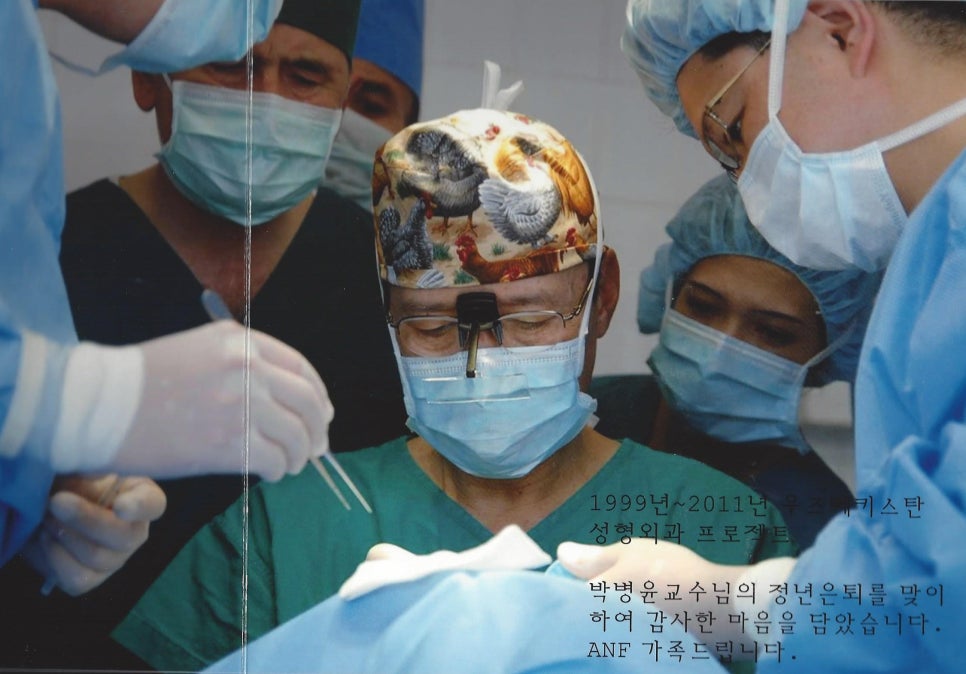
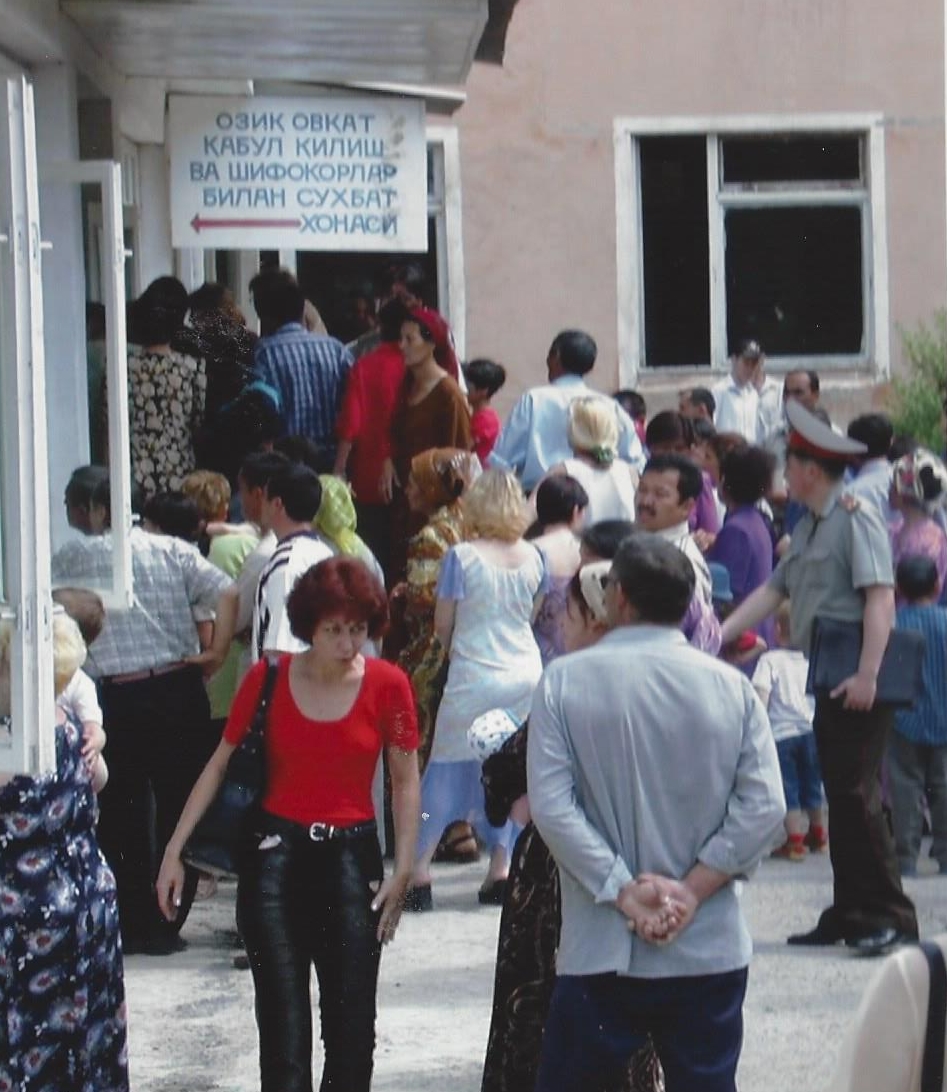
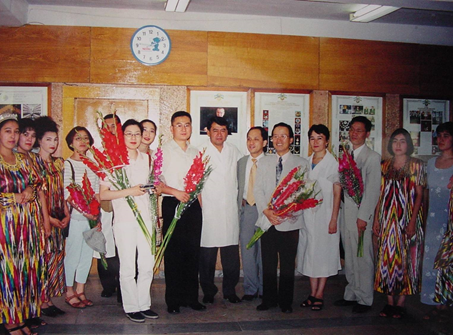
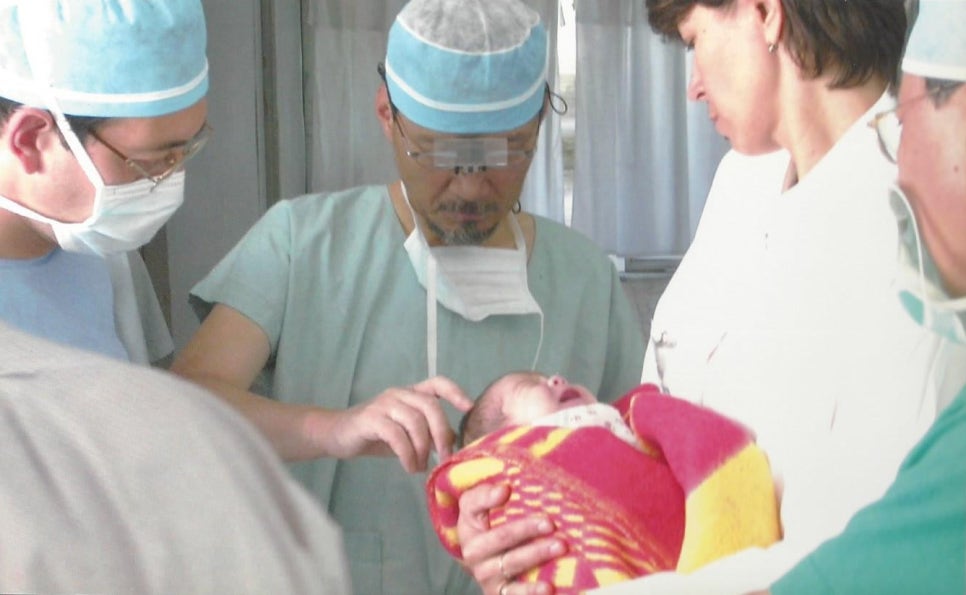
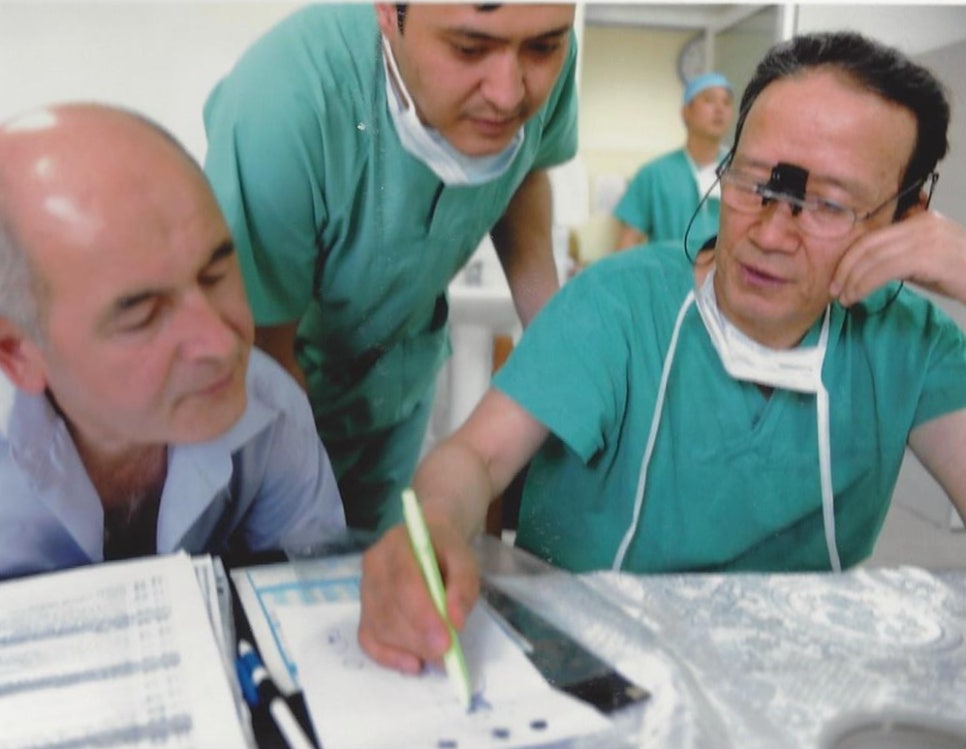
In particular, in 2000, Professor Park invited an associate professor in otolaryngology from a pediatric hospital in Uzbekistan
to the Department of Plastic Surgery at Yonsei University College of Medicine,
and after two years of training, helped send him back to his home country so that he could establish
the first plastic surgery department there.
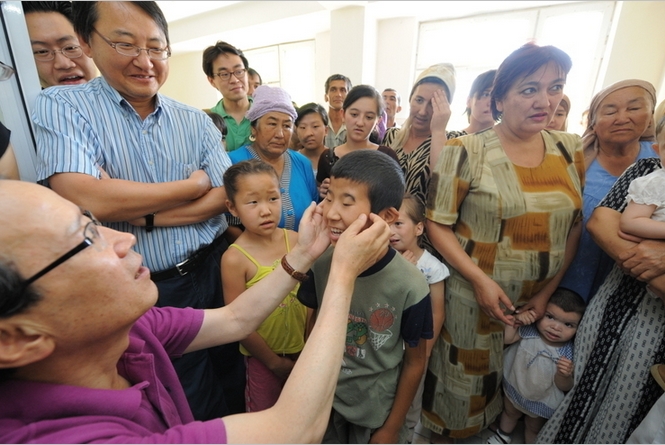
Even up until the year before COVID-19 broke out, he went there every year
to do medical volunteer work and helped many people regain their faces,
and even after that, he showed his passion by saying that once COVID-19 subsides,
he would continue volunteer work steadily.
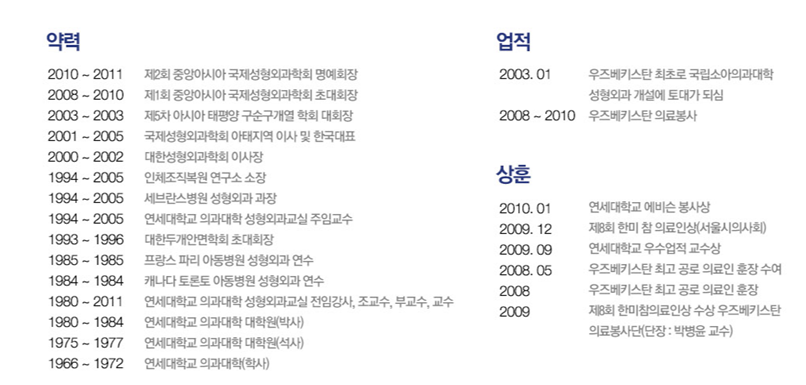
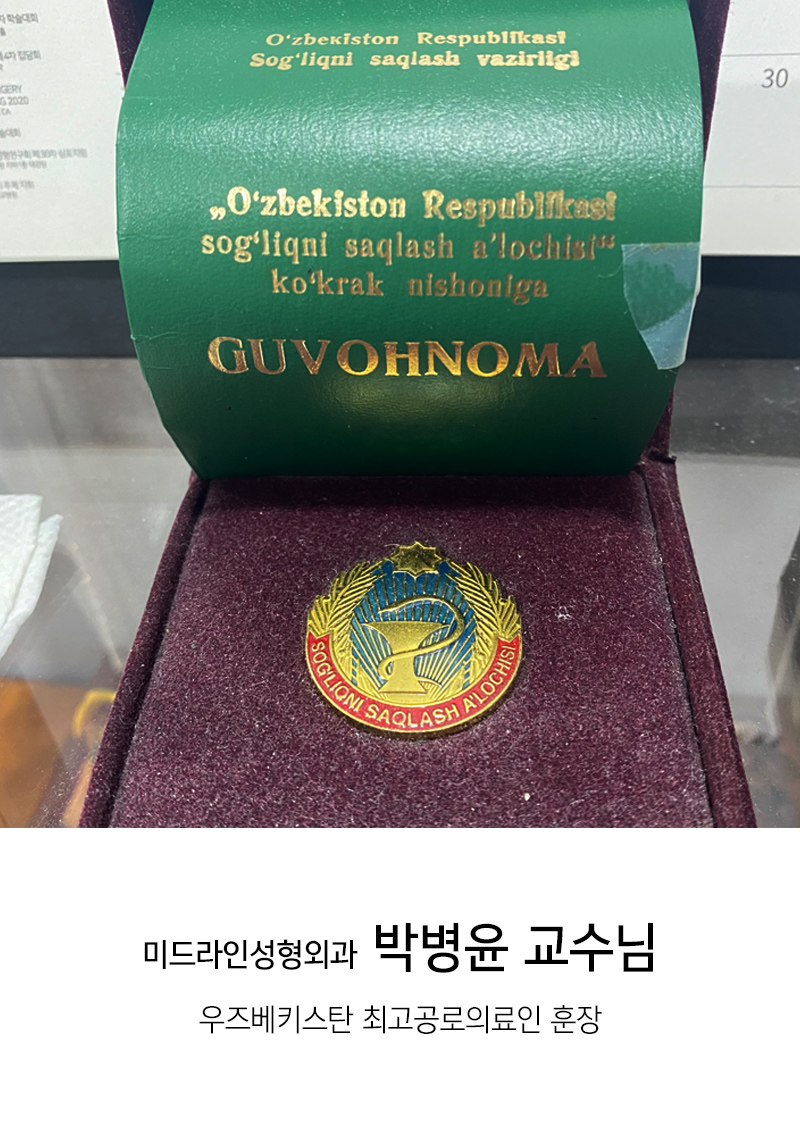
The medal for the highest distinguished medical contributor that he received in Uzbekistan
through these activities truly shows what a genuine medical professional he is.
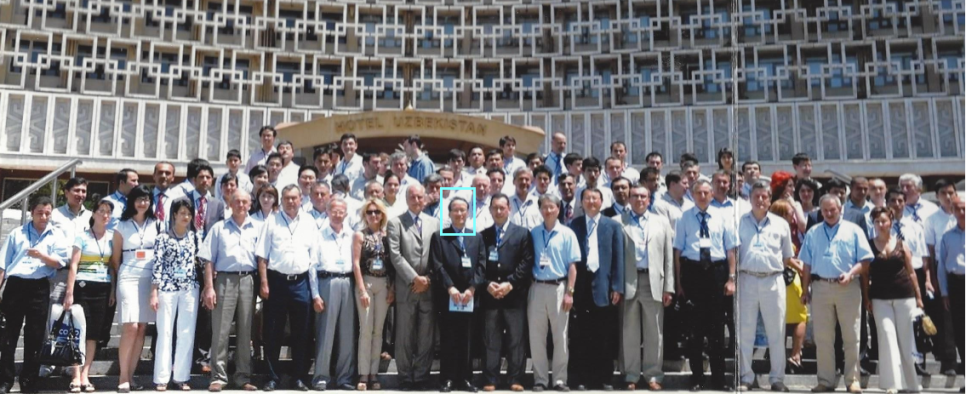
He is always someone who belongs in the center.
As mentioned earlier, because of his great contributions,
he was appointed as the founding president and honorary president
from the first Central Asia International Society of Plastic Surgery,
and he continues to build on those achievements to this day.
Professor Park Byeong-yun’s medical volunteer work
began in 1999,
so it is hard for me to even imagine that span of time.
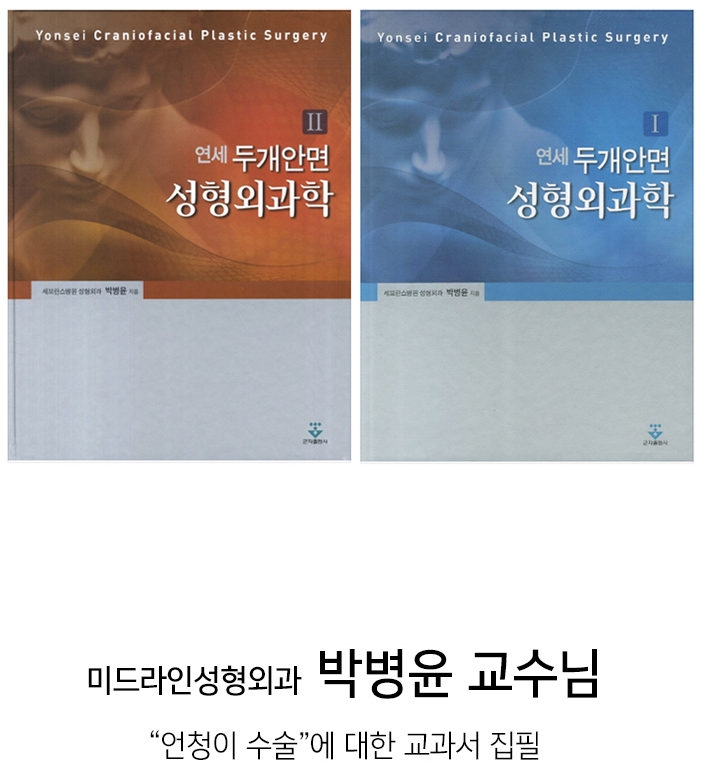
Professor Park Byeong-yun also personally authored Craniofacial Plastic Surgery.
By compiling the results of a lifetime spent treating and researching patients with cleft lip and palate,
he spent two years publishing it as a textbook so that more patients could benefit.
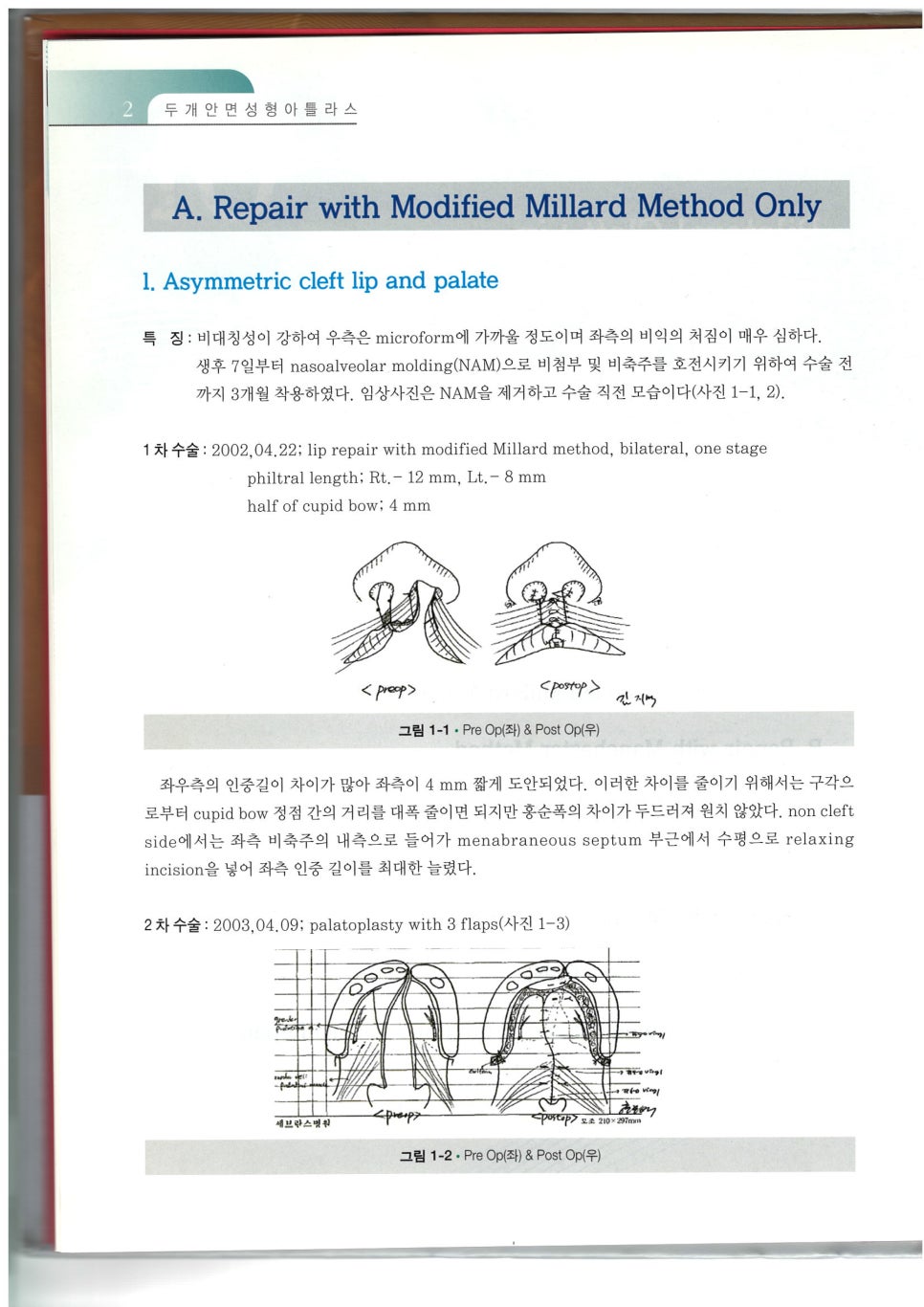
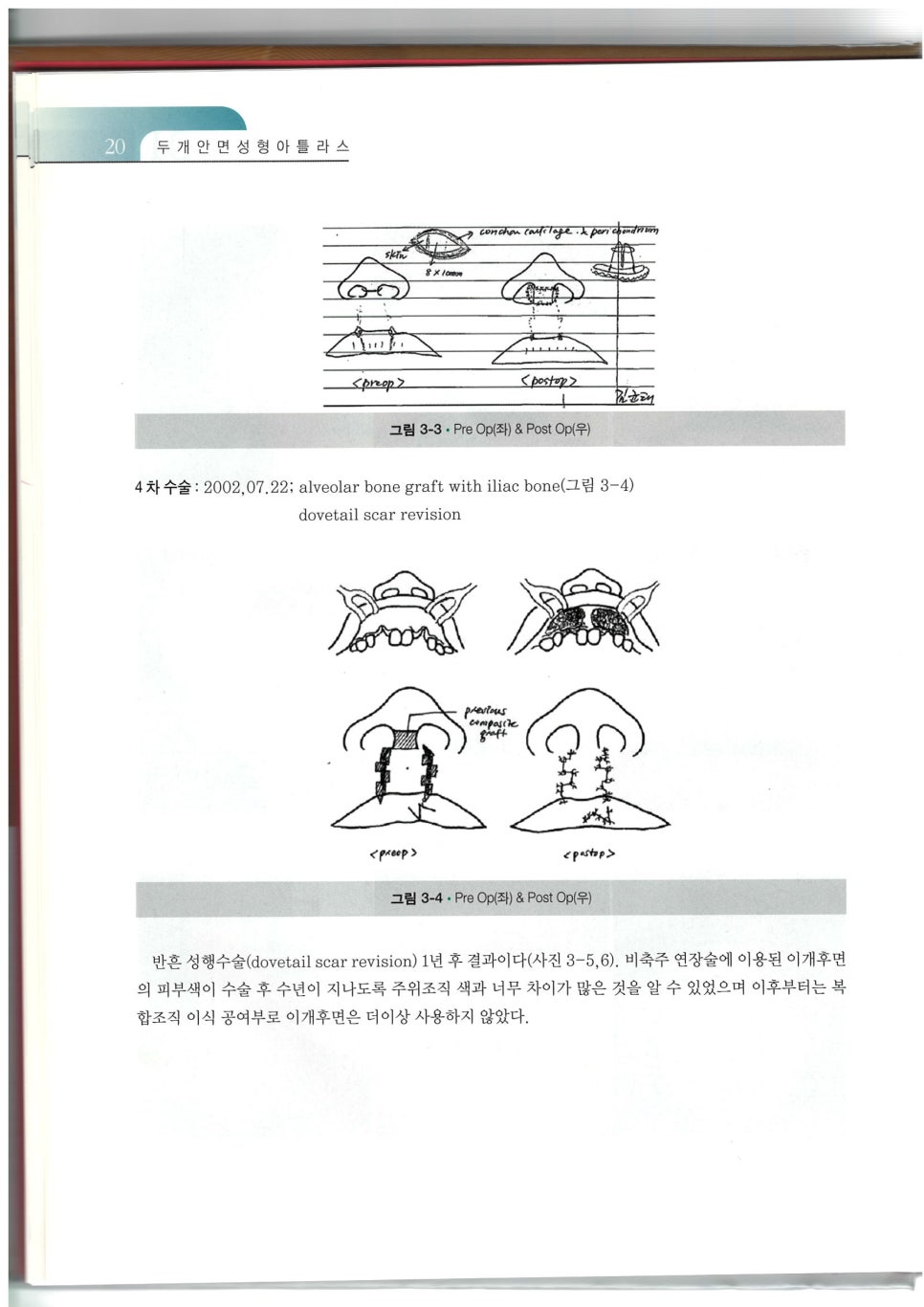
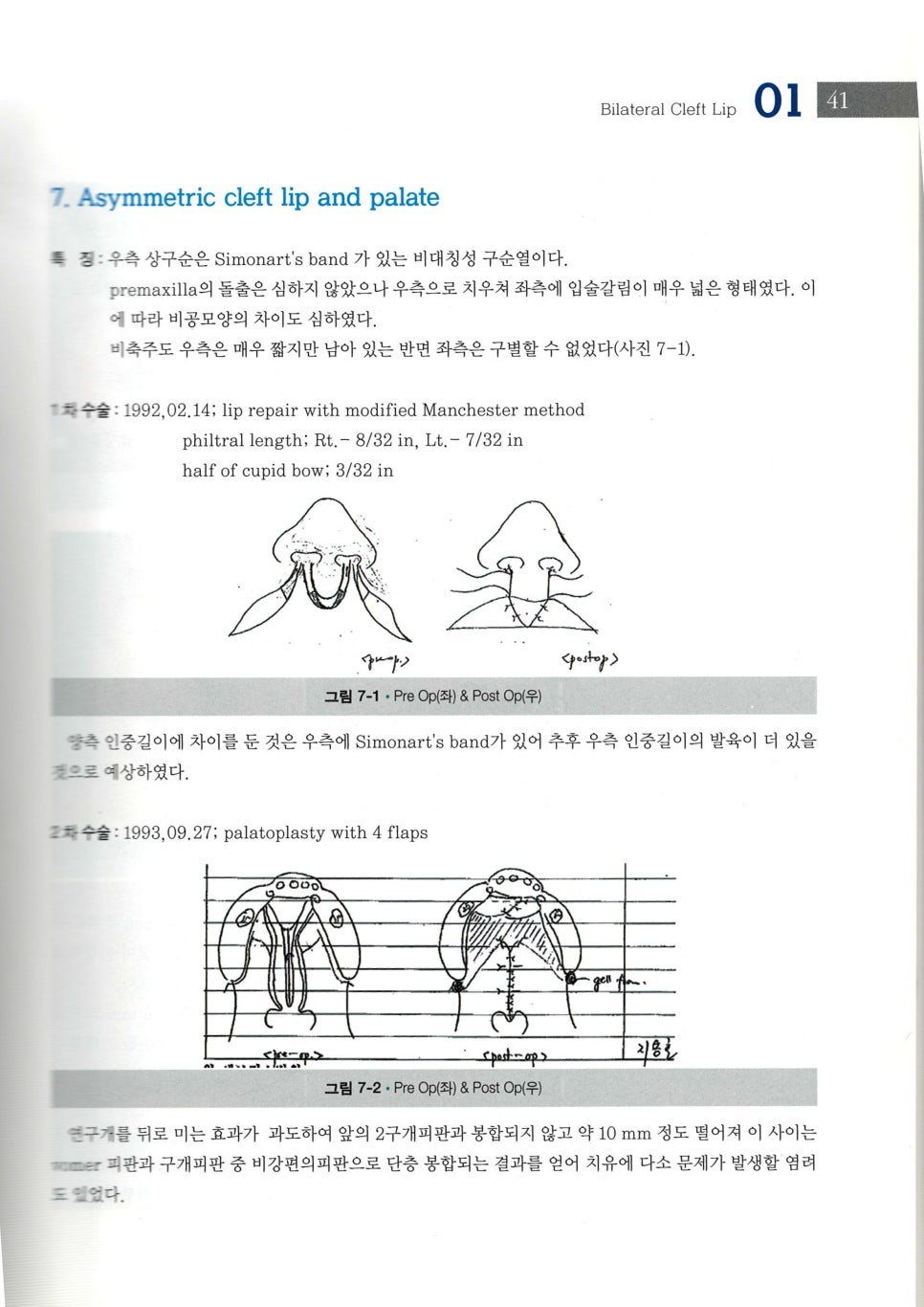
From the craniofacial surgery atlas
There are truly many patients in Korea and abroad
who have received help through the professor’s medical skill.
These days, at Yonsei Severance,
many patients who had their first surgery as children have grown up and come in for
secondary scar revision^^
In a paper published in 2012,1
he introduced a scar revision method developed by taking inspiration from the joints of traditional Korean wooden furniture.
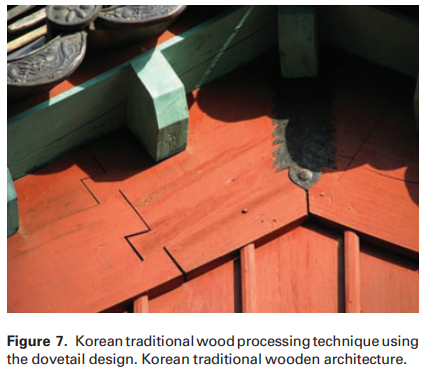
- Park BY, Shin IS, Yun IS. Dovetail Scar Revision. Dermatol Surg 2012;1–6
Because its shape resembles a dove’s tail,
it was called the Dovetail design.
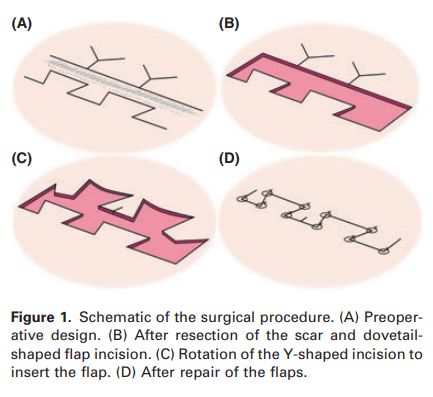
- Park BY, Shin IS, Yun IS. Dovetail Scar Revision. Dermatol Surg 2012;1–6
Other procedures for scar removal
tend to make the scar longer, whereas the Dovetail design
had the advantage of not increasing the scar length.
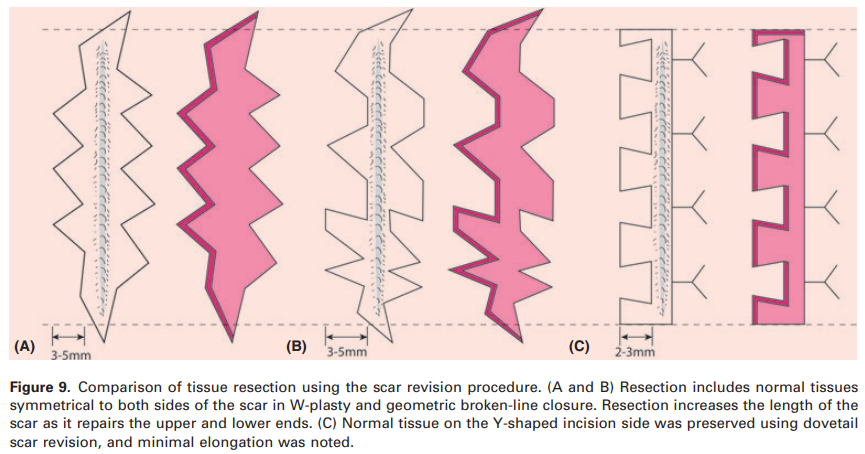
- Park BY, Shin IS, Yun IS. Dovetail Scar Revision. Dermatol Surg 2012;1–6
Of course, patient satisfaction was also high.
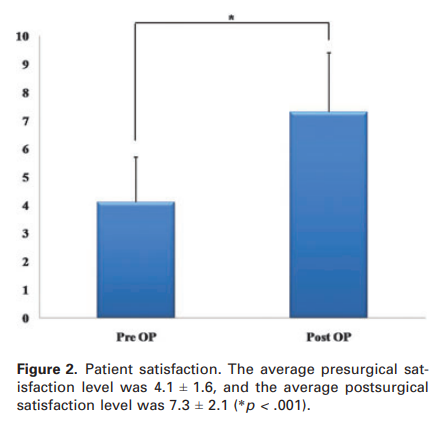
- Park BY, Shin IS, Yun IS. Dovetail Scar Revision. Dermatol Surg 2012;1–6
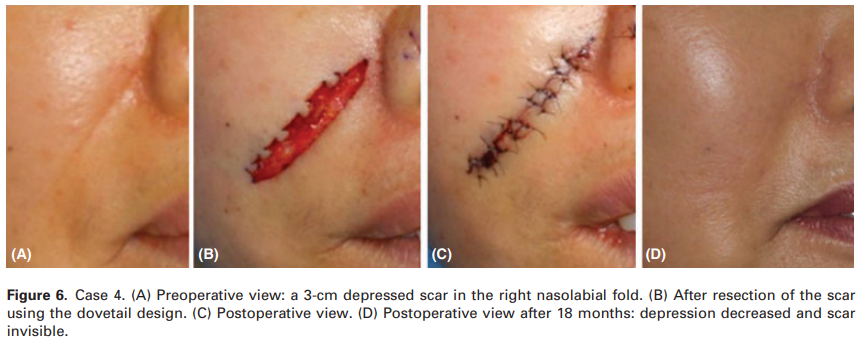
- Park BY, Shin IS, Yun IS. Dovetail Scar Revision. Dermatol Surg 2012;1–6
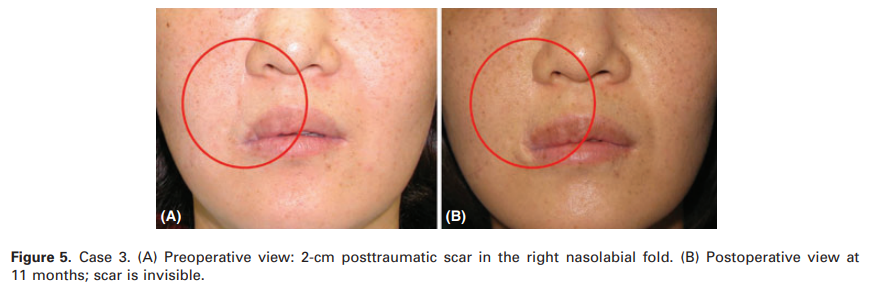
- Park BY, Shin IS, Yun IS. Dovetail Scar Revision. Dermatol Surg 2012;1–6
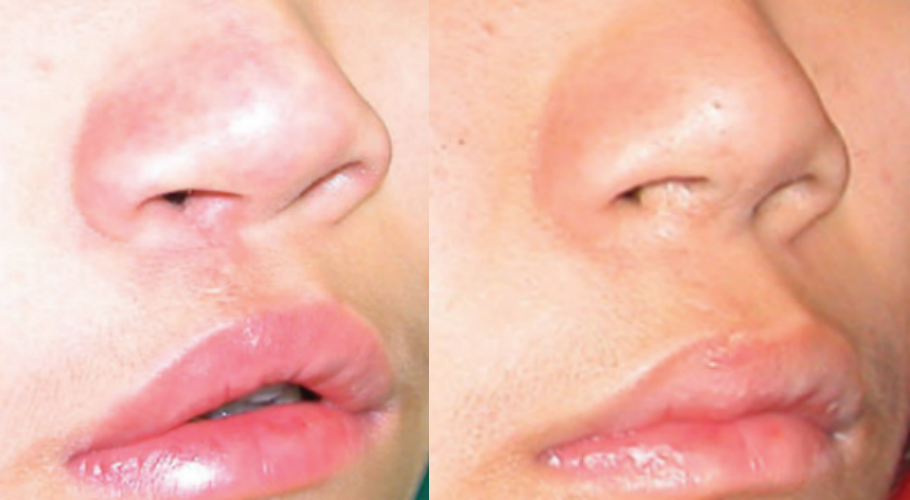
- Park BY, Shin IS, Yun IS. Dovetail Scar Revision. Dermatol Surg 2012;1–6
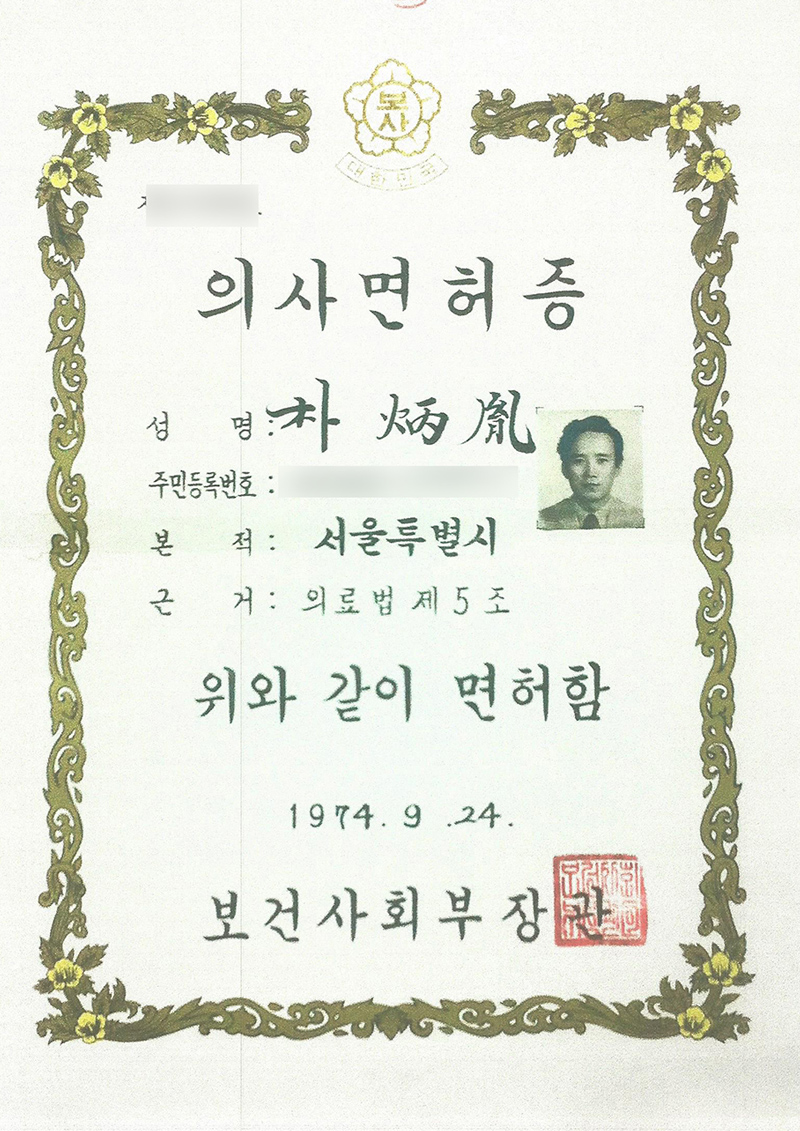

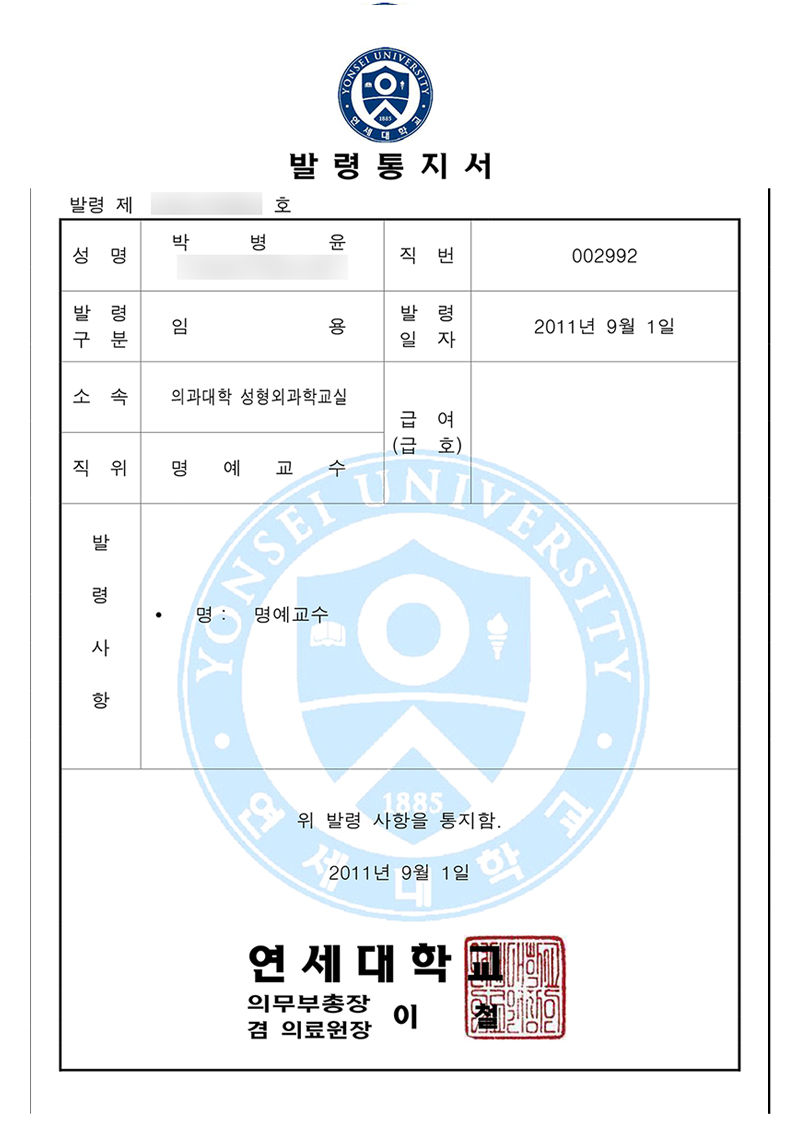
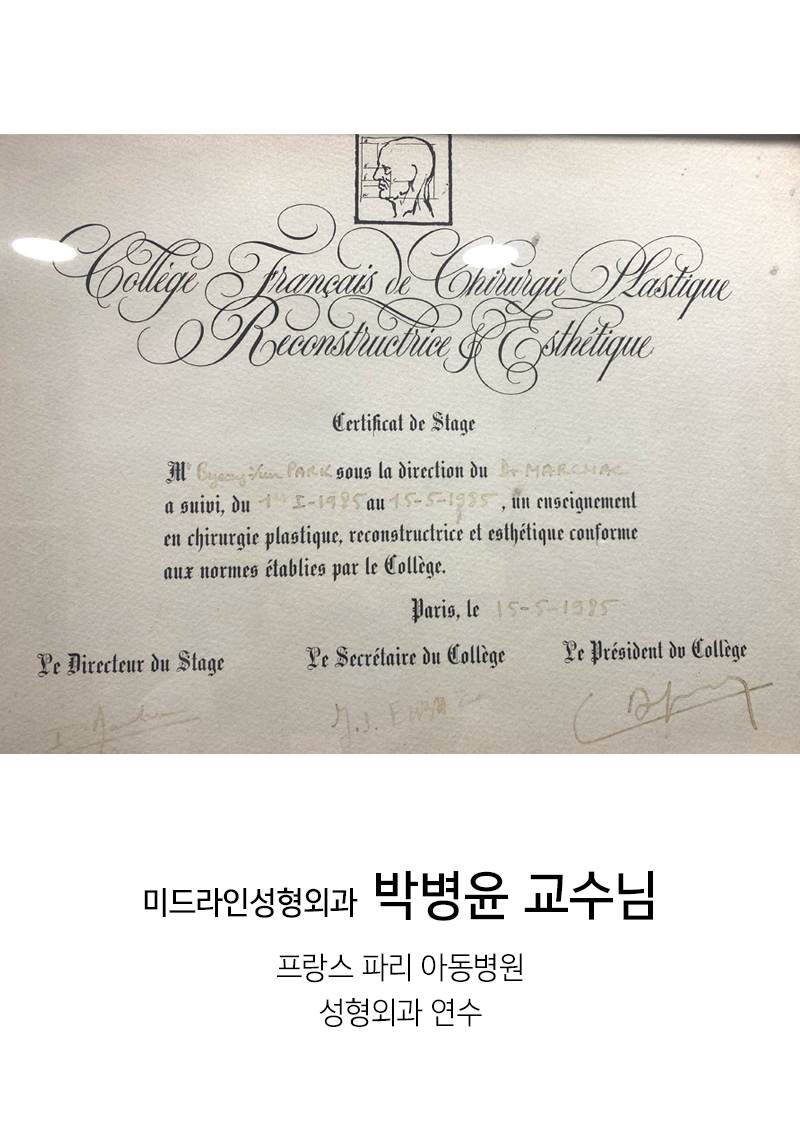
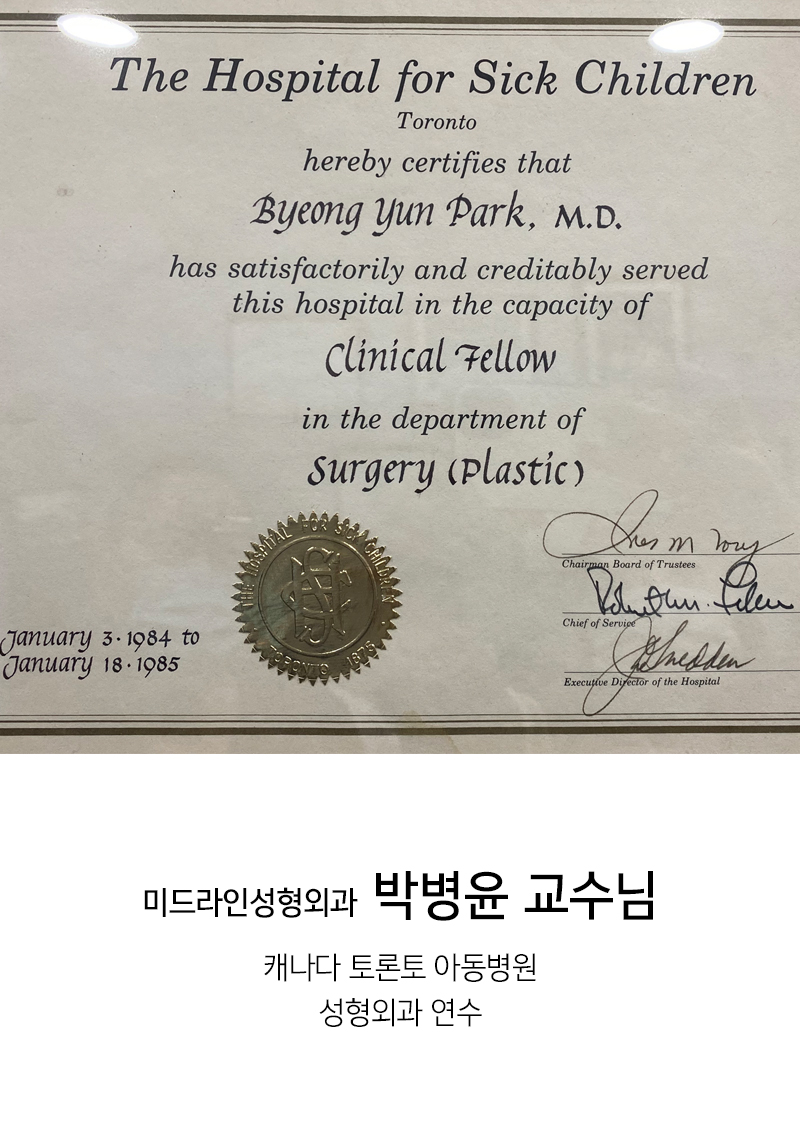
Medical license / board certification / notice of appointment as honorary professor
Professor Park Byeong-yun,
even after retirement, continues to practice actively and conduct research
at Midline.
What is worth learning from him is not only his passion.
Simply by existing, he gives us lessons about plastic surgery ^^
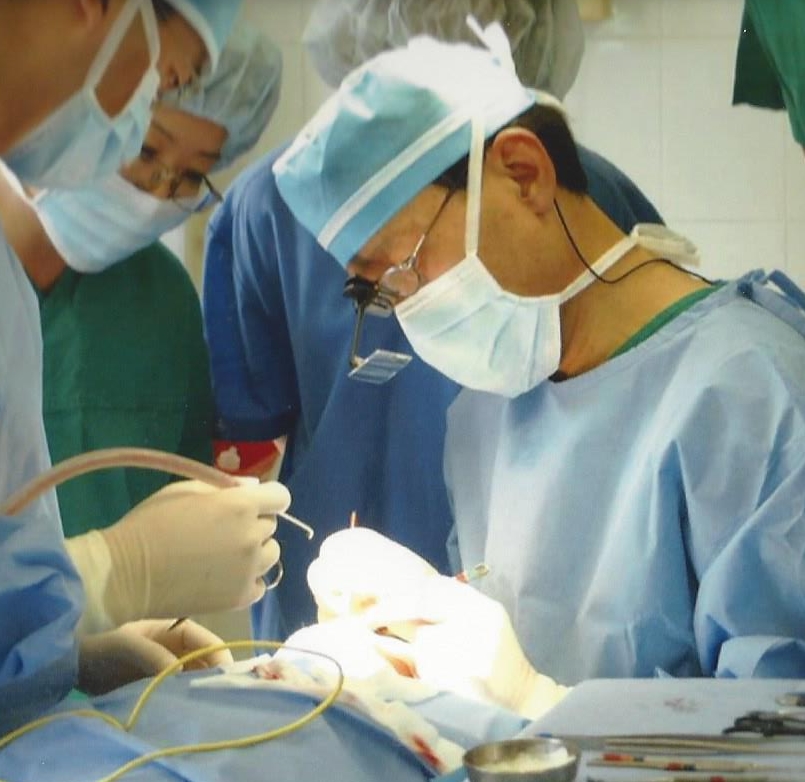
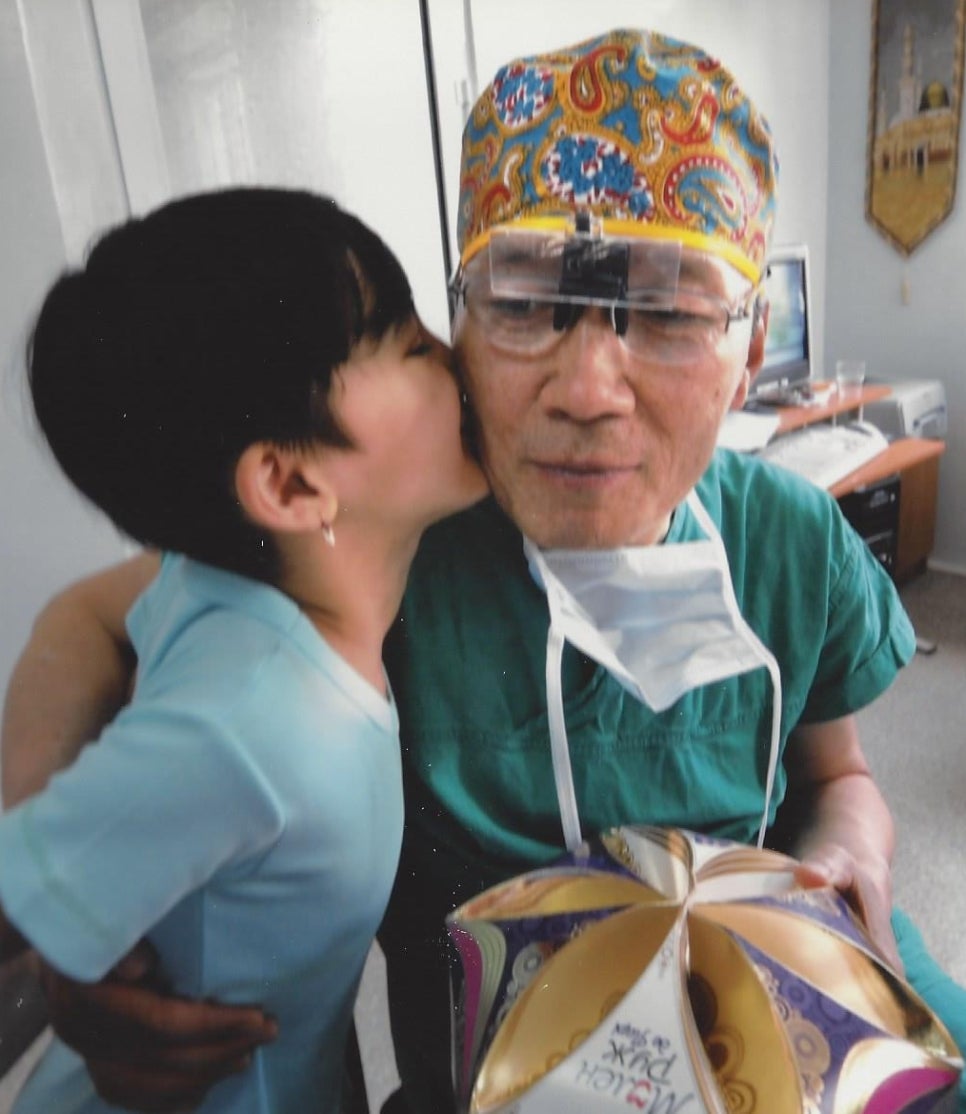
We introduced him because we have on our team at Midline Plastic Surgery
a legendary medical staff member who can help people struggling with cleft lip scars
regain their confidence.
Thank you.
<Reference>
- Park BY, Shin IS, Yun IS. Dovetail Scar Revision. Dermatol Surg 2012;1–6