As aging begins to progress and elasticity is lost, you start to notice skin sagging. In particular, due to the influence of gravity, the skin is continuously pulled downward, causing it to loosen and making your overall image look different and tired.
As people enter middle age, many seem to consider upper blepharoplasty while dealing with concerns about drooping eyes. The eyes are always exposed and convey facial expressions, so wrinkles and elasticity may decline faster than in other areas, leading many to consider eye plastic surgery in middle age.
Here, we will look at the cost and recovery period of upper blepharoplasty, which can improve a tired impression into a brighter one.
Definition of Upper Blepharoplasty
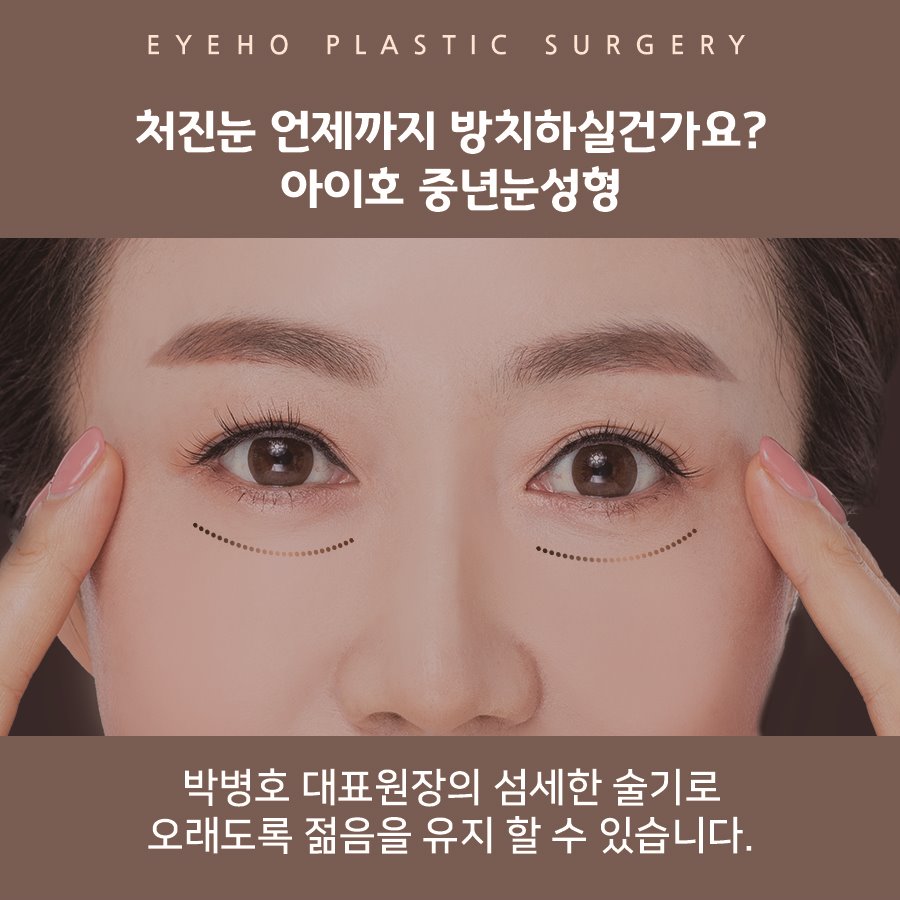
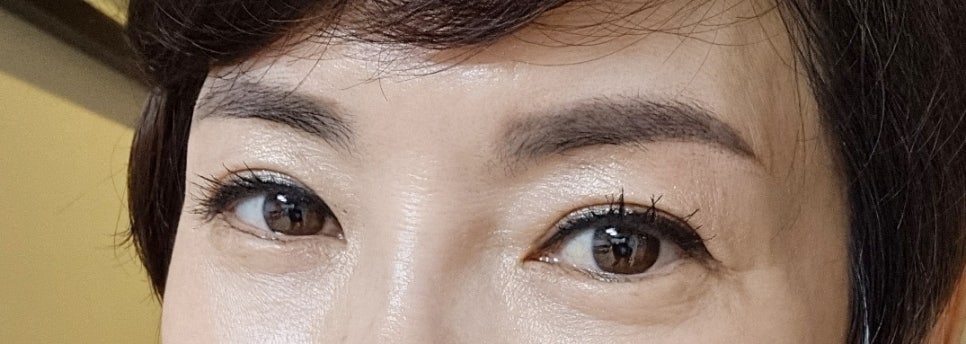
The upper eyelid refers to the upper lid. As it droops over time, cosmetic and functional problems can occur, and upper blepharoplasty is a method of correction used to address them.
The orbicularis oculi muscle, which tightens and closes the eyelids when you shut your eyes, is distributed in a circle around the eye and occupies a surprisingly large area of the face. As the muscles supported by the orbicularis oculi droop, the surrounding tissues also collapse, causing the eyelids to sag. When these symptoms appear, it is a good idea to look into upper blepharoplasty.
Upper Blepharoplasty Procedure
As the eyelids sag, they may block your field of vision or cause the eyelashes to poke the eyes, creating discomfort in daily life. In some cases, tears and swelling can also cause the skin around the eyes to become irritated. In fact, among the people who visit our clinic, many plan upper blepharoplasty for cosmetic reasons, while others plan it to address functional issues.
The surgical method for upper blepharoplasty differs depending on the degree of upper eyelid sagging, whether there is a double eyelid crease, and whether ptosis is present. Therefore, before eyelid drooping surgery, you should choose the appropriate method through consultation with the medical team.
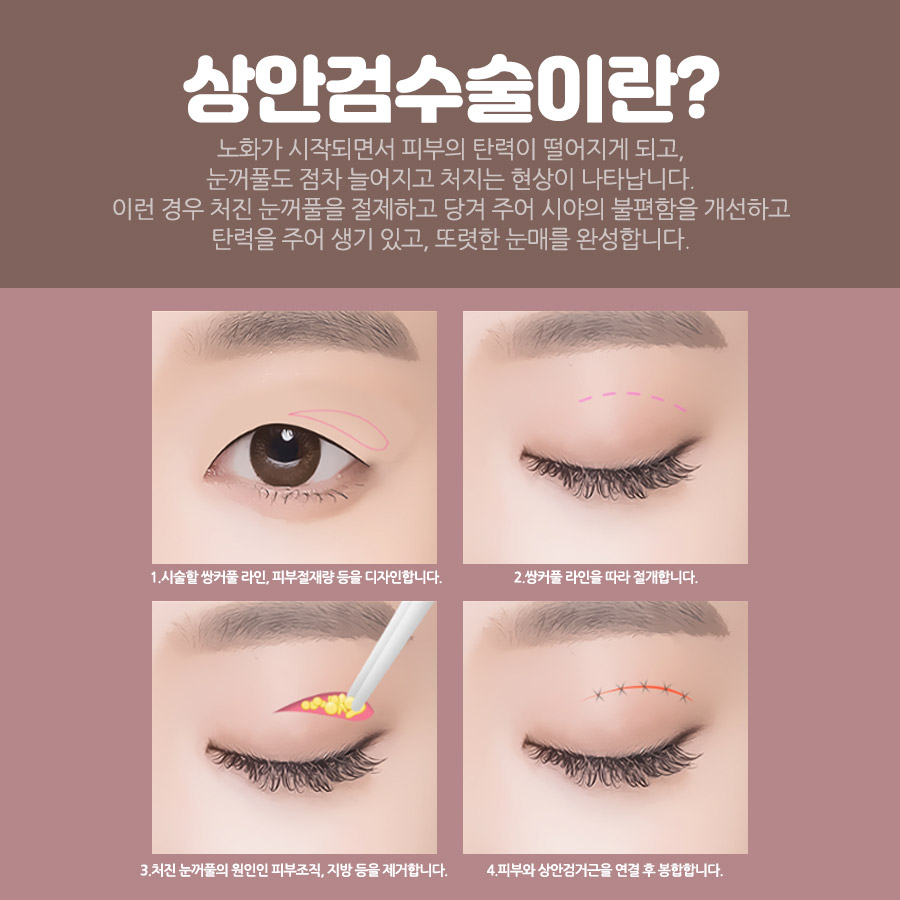
When designing the upper eyelids before surgery, the doctor will consider the distance between the eyes and eyebrows, harmony with the facial features, whether to create a double eyelid crease or keep a monolid, and how much loose skin should be removed. At this time, the underlying cause should be improved by correcting the orbicularis oculi muscle so that recurrence does not occur and a natural, refreshed eye shape can be achieved without looking artificial. Even with upper blepharoplasty, satisfaction varies depending on the surgeon’s skill and technique, so before proceeding with eyelid drooping surgery, it is better to identify the causes of aging rather than focusing only on the cost of upper blepharoplasty.
-
Establish a method based on each person’s degree of drooping eyelids
-
Remove unnecessary skin, muscle, and fat after the incision
-
Strengthen the eyelid-opening muscle and suture the incision site
-
A wider field of vision and a natural eye shape after surgery
Aging Symptoms That Upper Blepharoplasty Addresses
Aging is a natural phenomenon that comes to everyone, but even if you have managed yourself carefully to maintain a youthful appearance, you cannot prevent drooping eyelids and sagging skin, so worries naturally deepen. Once the skin has sagged, there are limits to how much it can change through your own efforts alone, which is why upper blepharoplasty can help.
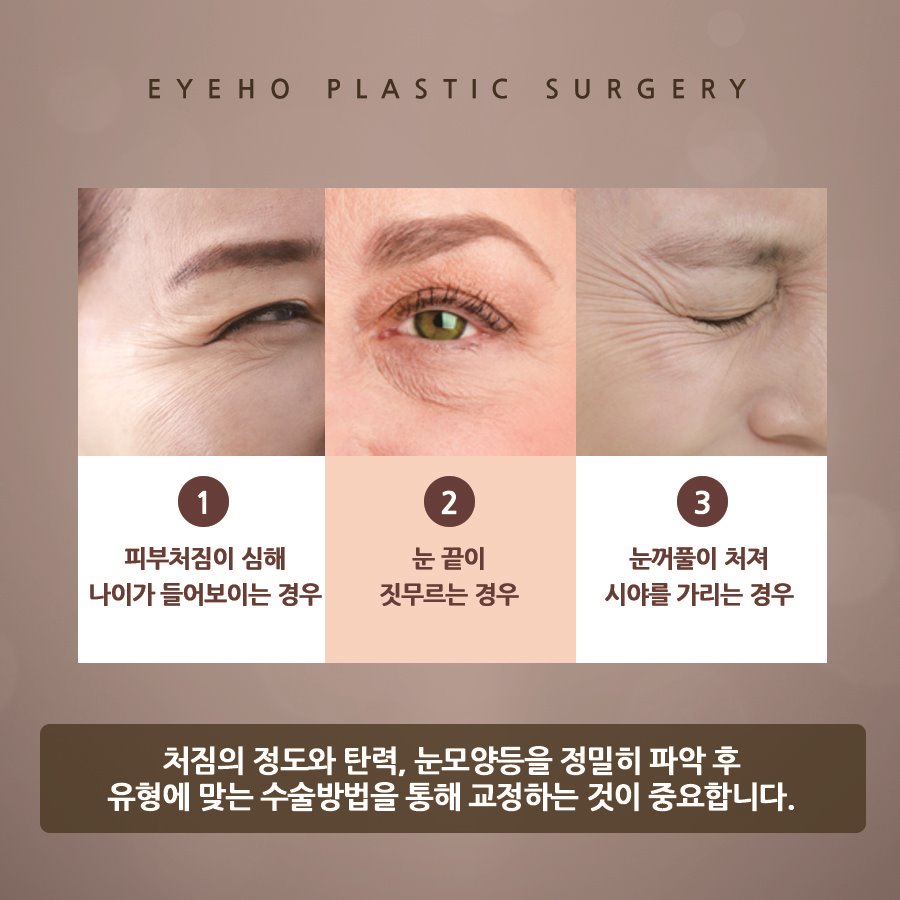
For patients undergoing eyelid drooping surgery for cosmetic reasons, upper blepharoplasty may be worth considering to improve quality of life if they feel stress from difficulty opening the eyes, a blocked field of vision that makes the brow area feel heavy, or skin irritation caused by worsening eyelid sagging due to loss of elasticity. Since it is important to identify in advance the risk factors that may arise after eye plastic surgery in middle age and to plan eyelid drooping surgery carefully according to each symptom, you should definitely visit the clinic for a consultation before surgery.
Cost of Upper Blepharoplasty
The cost of upper blepharoplasty starts at around 1 million won and is set up to around 3 million won. Since the procedure can cost more than expected, it is important to receive surgery from a plastic surgery specialist with extensive experience in this operation. Upper blepharoplasty should be performed after analyzing ptosis, which is a condition in which the muscle that lifts the eyelid lacks strength, and the degree of eyelid drooping, so that secondary problems do not arise. The cost of upper blepharoplasty varies widely from hospital to hospital, and the price difference may be around 100,000 to 200,000 won, though in some cases it can be even greater. Differences in cost come from factors such as the procedure being performed, the region, and the medical staff’s level of experience. That said, a higher price does not automatically mean the surgeon is more skilled or more experienced, so it is recommended to visit several clinics and make a decision after comparing them through 충분한 consultation.
Upper Blepharoplasty Recovery Period
The recovery period for upper blepharoplasty varies from person to person, but generally daily life is possible after 2 to 3 days, and major swelling subsides within 15 to 30 days, allowing recovery to the point where normal life is not significantly disrupted.
One day after surgery, swelling begins to appear around the operated area, and on days 2 and 3 of recovery, swelling and pain are at their worst, so you should take the prescribed medication properly. Up to day 3 after surgery, cold compresses should be used, and from day 4 for two weeks, warm compresses that are not too hot can help reduce swelling. After 30 days of upper blepharoplasty recovery, even the remaining minor swelling gradually goes down, allowing for a natural look. There may still be a little residual swelling by then, but you should look at the recovery period over more than 3 months and wait for it to subside slowly.
Postoperative Care After Upper Blepharoplasty
Middle-aged patients undergoing eyelid drooping surgery often do not want an overly dramatic change in their appearance, so the procedure is performed as naturally as possible with an incision close to the eyelashes and without creating a double eyelid crease. Because upper blepharoplasty involves an incision in the skin, scarring is unavoidable, but over time the scar heals naturally and becomes hidden by the double eyelid line or appears like a wrinkle, so it is not very noticeable.
Stitches are removed on about day 7, and washing your face is possible starting the day after stitch removal. Light showers or hair washing are possible from the day of surgery, but water must not touch the surgical area.
Eye makeup should be avoided until one month after surgery. Basic makeup and contact lens wear are possible after 2 weeks, but rubbing the eyes or applying pressure should be avoided. Drinking alcohol and smoking must be avoided for one month. Walking or light strolls to help reduce swelling should begin 2 days after upper blepharoplasty.
The aftercare programs differ by medical institution, so compare them carefully and hope to achieve a youthful appearance with a natural eye shape.














Previous image
Next image