Comparison of the differences in reviews of upper and lower eyelid surgery

In general, many people seem to think that sagging skin and wrinkles are the most representative signs of aging. The skin around the eyes is thin and sensitive, so traces of time were easy to see. On top of that, because it is the area the eyes land on first and the part that determines the first impression, it was only natural to pay even more attention to it. These days, looking youthful is a competitive advantage, so people invest time and money in managing their appearance, but once aging has begun, it cannot be stopped. Therefore, among middle-aged people, demand for eye correction procedures such as upper and lower eyelid surgery has been increasing. Aging begins after the 30s, but people naturally want to look younger and erase the signs that reveal their age. If you look older than others in the same age group, it can become a source of stress. People try various treatments to look youthful, but since they do not solve the root problem, they end up considering surgical options.
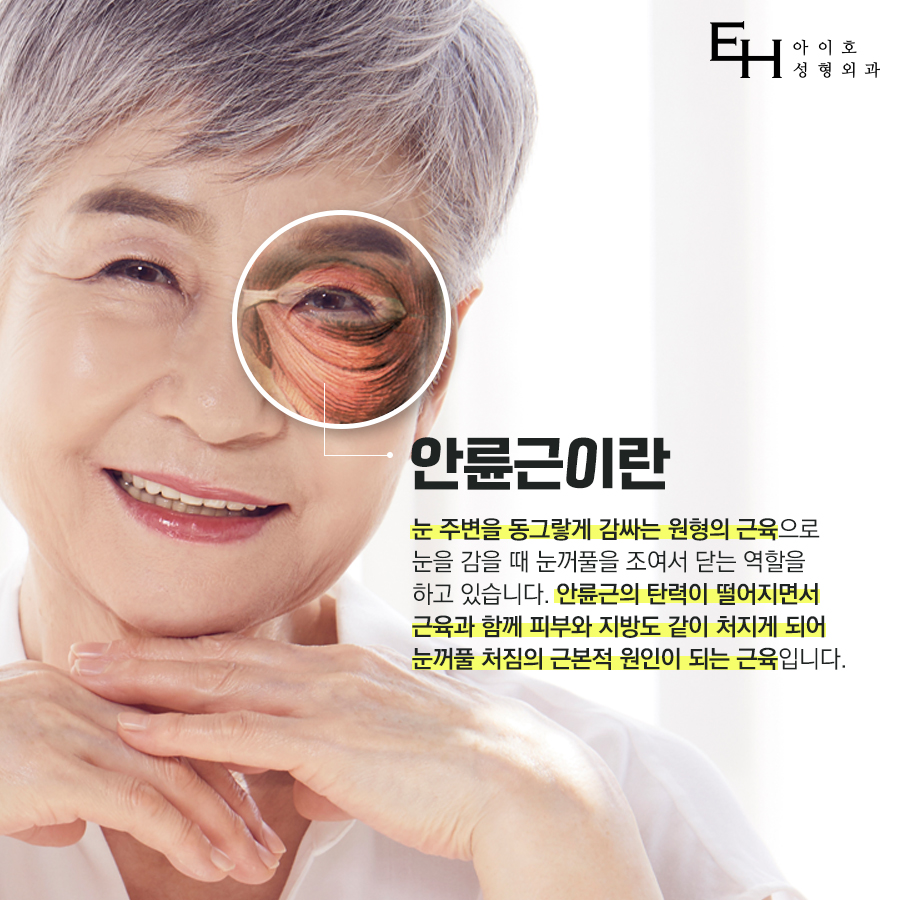
Eye correction should be considered not only from an aesthetic standpoint but also from a functional one. Therefore, while looking into reviews of upper and lower eyelid surgery, it is best to examine how to achieve an ideal outcome. Because even small changes around the eyes can greatly change a person’s image, the method chosen may or may not suit one’s own features, so it is important to find a customized surgical approach. It is necessary to visit a medical institution and receive a thorough consultation. While drooping eyelid skin and unnecessary fat can be removed to improve the eye shape, there are limits, so it is better to receive an accurate diagnosis from medical staff with extensive experience in upper and lower eyelid surgery.

First, looking at upper and lower eyelid surgery: upper eyelid surgery is a procedure that can remove wrinkles and sagging skin around the upper eyelids. It is suitable for people who use their forehead muscles to open their eyes, causing forehead wrinkles to form, those whose sagging is severe enough that their eyelashes rub or make it difficult to secure their field of vision, and those with skin irritation. By removing unnecessary fat or sagging skin and tightening the area, it can create a refreshed, clear, youthful eye shape. Lower eyelid surgery is performed to improve cases where the area under the eyes protrudes or dark circles have formed. It can remove or reposition fat in the area that has drooped due to sagging skin, helping transform the appearance into something brighter and more vibrant.
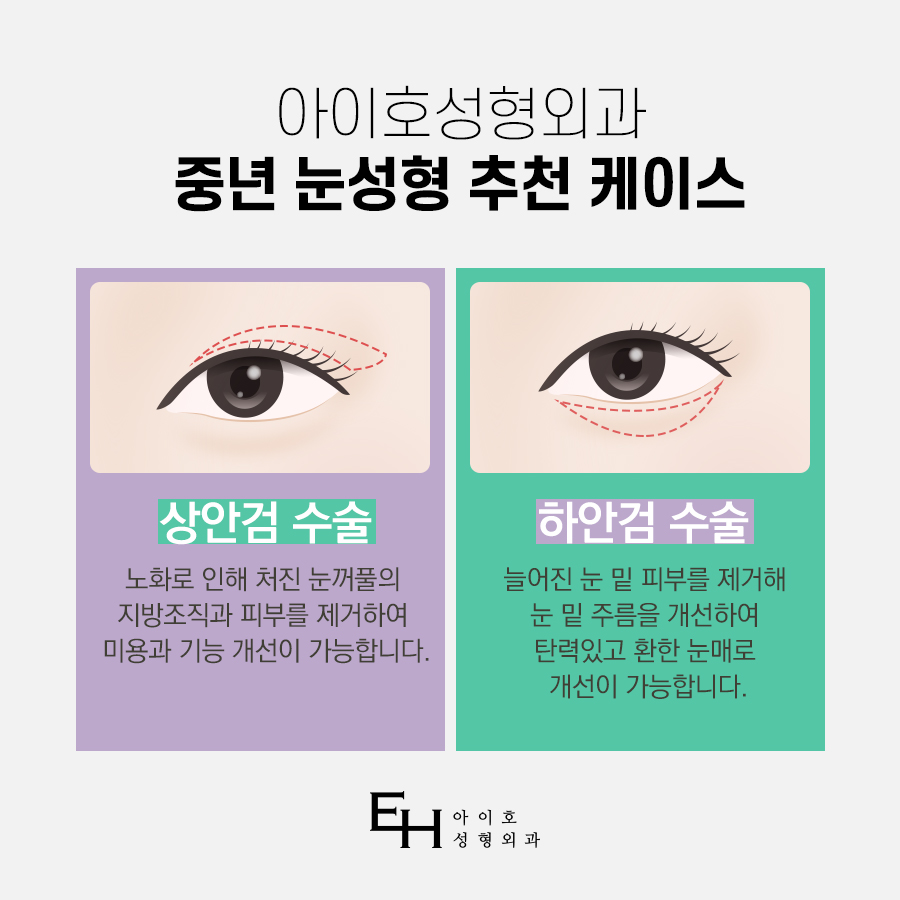
If the wrinkle area of the dark circles is excessive or the sagging is severe, the dark appearance can often lead people to hear remarks such as, “Are you sick?” or “You look tired.” If the under-eye fat is protruding, it can give a dull impression and make others say you look older than your age, so lower eyelid surgery can help improve this when it becomes a source of concern. Since upper and lower eyelid surgery involves skin excision, the image and impression can change from before, making it especially important to apply a design that harmonizes with the shape of the face. In addition, it is necessary to consider the role and function of the eyes. Even if an unsatisfactory eye shape is improved, functional damage could lead to even greater stress. Therefore, it is best to establish a plan for upper and lower eyelid surgery only after sufficient consultation and examination regarding both aesthetics and function.

Looking at reviews of upper eyelid surgery, it can be performed using either the buried suture method or the incision method. The buried suture method is completed by tying knots with thread through tiny openings, and it has the advantages of a short procedure time of around 30 minutes and no need for stitch removal. It is mainly attempted in younger people with good elasticity and almost no sagging, and it is suitable when there is little fat or the skin is thin. In contrast, the incision method removes thick skin tissue and fat along the incision line, and it is good for improving ptosis and a heavy eye shape. Compared with the buried suture method, it allows for a more defined line, but many people worry about the stitches. When upper and lower eyelid surgery is performed, many people are concerned about scarring. At our clinic, the procedure is performed with the smallest possible incision, which can help reduce concerns about scarring.
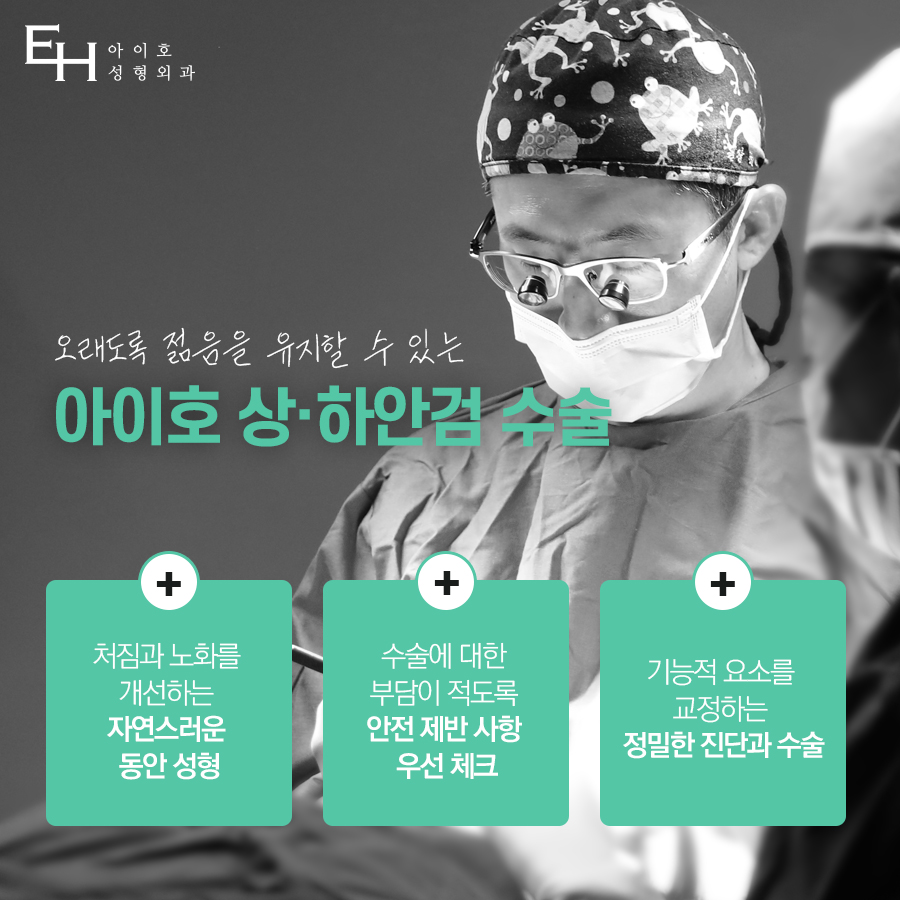
In the case of lower eyelid reviews involving orbital fat removal or repositioning, the incision is made along the lower eyelashes. Because the procedure is performed by excising the outer skin line, common issues and side effects such as conjunctival swelling or ectropion can also be reduced, allowing the desired outcome to be expected without discomfort. It cannot be said that either the fat repositioning procedure or the removal procedure is definitively superior or produces better results. Therefore, when attempting upper and lower eyelid surgery, rather than deciding on a medical institution based only on price, the surgeon’s skill is important, so it is advisable to prioritize extensive experience and know-how. At our clinic, precise examinations and aftercare are provided with satisfactory results and safety in mind. In addition, we avoid unnecessary treatment, and through stable upper and lower eyelid surgery, we help achieve attractive and natural youthful eyes, so please refer carefully to the information explained today.
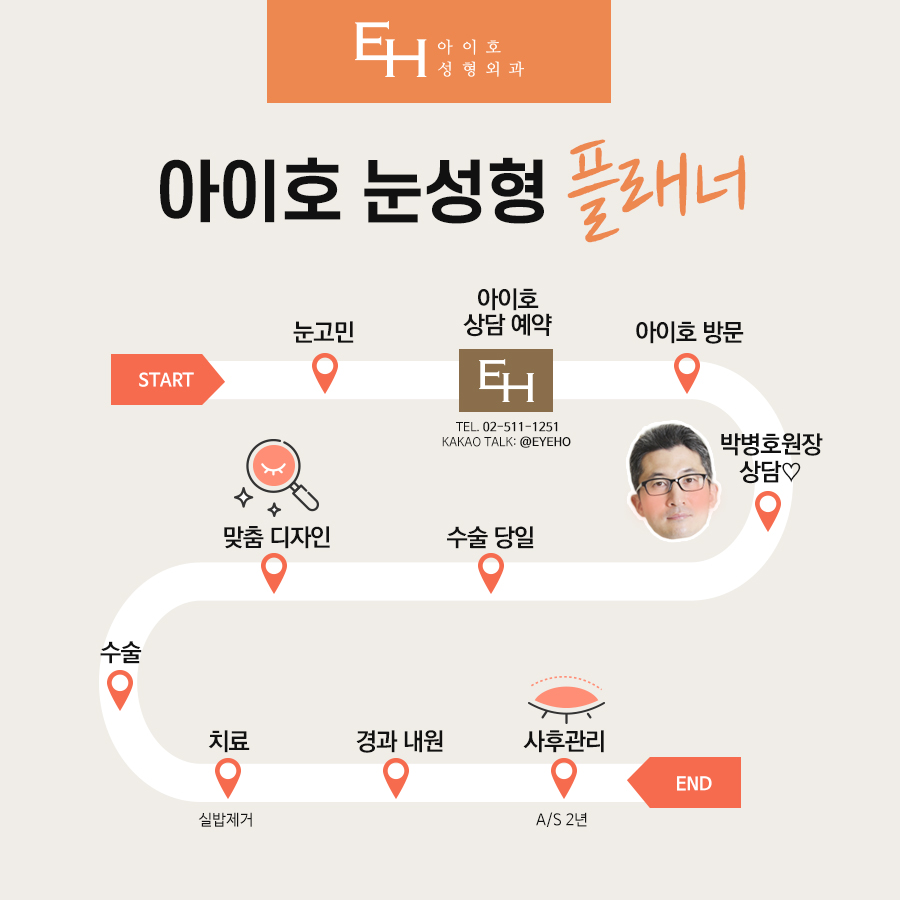
The treatment for upper and lower eyelid surgery may vary in duration depending on the procedure, but it is characterized by taking less than 1 hour, stitch removal on day 7, local anesthesia, and one visit for disinfection of the treatment area.
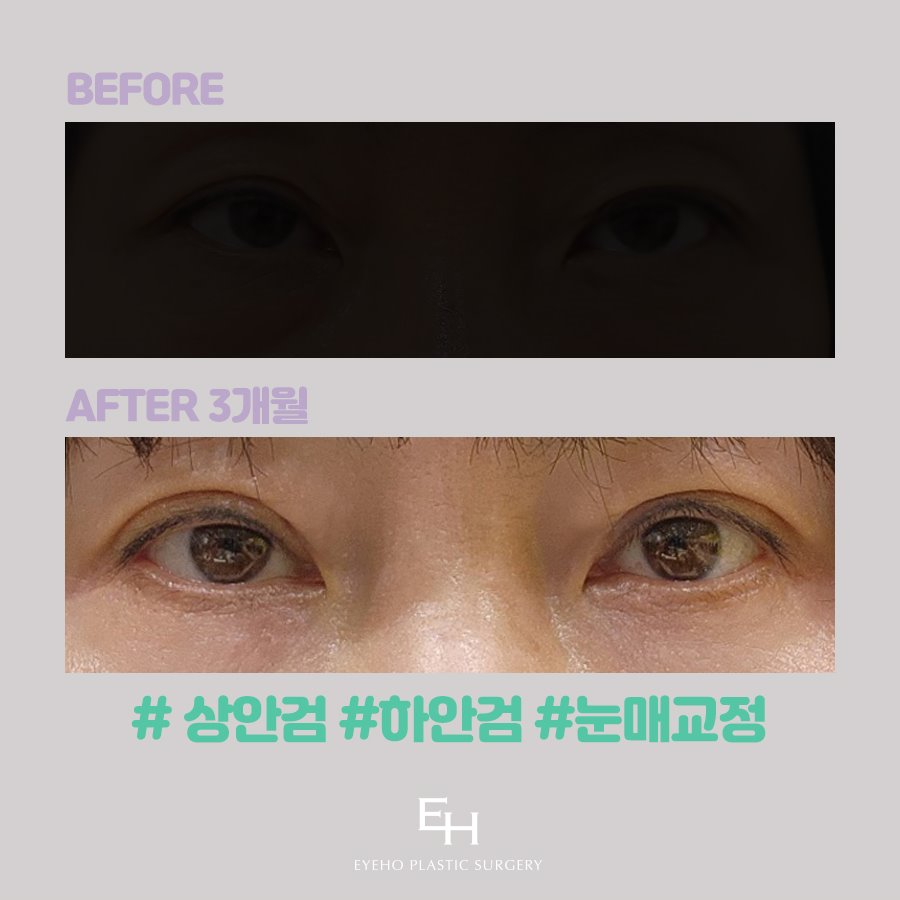
Aging-related eye correction surgery is an eyelid procedure that should be performed while considering both functional aspects and aesthetic standards that can create natural, youthful eyes. If you are about to undergo aging-related eye correction surgery, you can visit the hospital and have a thorough consultation with the medical staff to understand the structure of the eye and make a reasonable prediction of the outcome. 1) On the day before surgery, you must fast for 6 hours for anesthesia; because you cannot eat for a long time, your mouth may become dry from tension. However, the feeling of hunger due to concern about the procedure can still feel manageable. You may become tense without realizing it, but it is better to let go of anxiety and maintain your condition. 2) On day 7 after surgery, after falling asleep and waking up, emergency medical staff check your condition in the recovery room. The painkillers and anti-inflammatory medication prescribed at discharge improve to the point that you no longer need to take them after 7 days. Swelling is still present, but the line begins to show more clearly and the pain is almost gone. If you want to see reviews of upper and lower eyelid surgery, taking photos every day and comparing before and after can also be helpful. 3) Move around within a reasonable range without overdoing it, apply cold compresses for the first 3 days after surgery, and then apply warm compresses afterward. Bruising and swelling mostly disappear after 7 days, and after 1 month you may be able to see a natural eyelid line, though recovery speed varies from person to person. 4) If post-surgery care is not done thoroughly, inflammation or scarring may occur. Apply ointment according to the method and schedule explained by the clinic, and be sure to apply sunscreen carefully when going outside.















Previous image
Next image