
As we go through life, it’s inevitable that we become interested in our own image. One of the first hurdles when starting social life is greeting other people, and even the meetings and discussions that come up while handling work begin with making eye contact with the other person. In this way, in modern society, many people pay attention to the appearance of the eyes, which helps determine a first impression.
Because a first impression is formed in a very short amount of time, many people develop complexes about their eyes. At home, it was possible to try various methods and manage them on one’s own. Among the many methods, makeup was the most commonly used. Although makeup can cover areas you consider a complex in daily life, the dissatisfaction that appears after removing it can become even more stressful. In particular, if the eyes start to look droopy, makeup alone cannot solve the underlying problem. In such cases, people become interested in the eye condition called ptosis.

If, without meaning to, you are told that you look tired or sleepy, or that your eyes look uneven, you may need to question whether there is a problem with your eye shape. In that case, it would be a good idea to consider ptosis at least once. By considering various factors such as whether the strength to open the eyes is weak and whether the field of vision is obstructed enough to cause discomfort, eyelid correction for ptosis could be helpful.
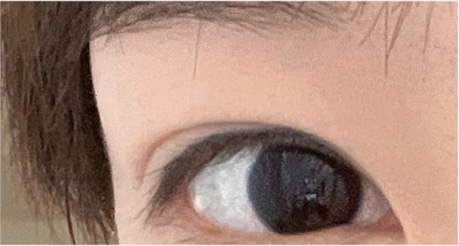
It can be described as a condition in which the eyelids droop, either congenitally or later in life, while the eyelid opening becomes narrower at the same time. When the eyes are open, a normal upper eyelid is positioned so that it slightly covers the upper part of the black pupil. However, in people with ptosis, the upper eyelid droops and may cover more than 50% of the pupil on average. Because it continues to sag, eventually the entire pupil may become covered, making it impossible to secure a frontal field of vision and causing various inconveniences.
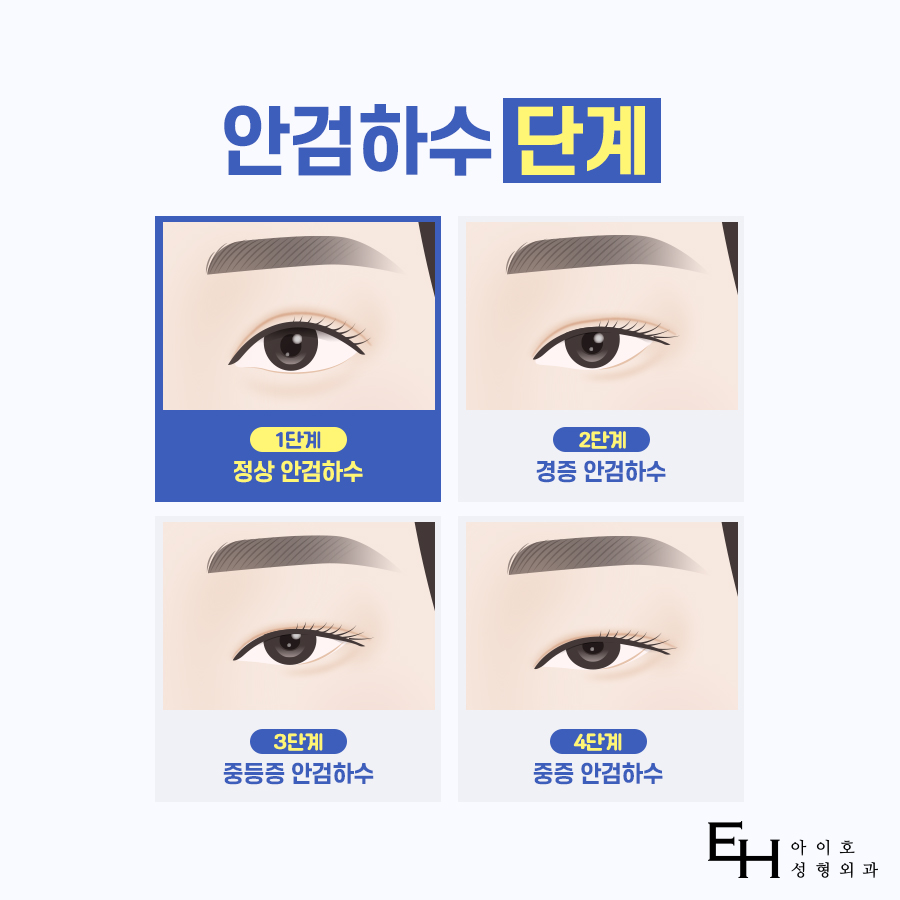
In the case of ptosis, it can occur in one eye as well as in both eyes. In addition, if it is congenital, the eyelids may cover the pupil from an early age, interfering with visual development and increasing the likelihood of amblyopia. People with ptosis also tend to open their eyes a little differently from others.
If the cause is a drooping upper eyelid, the levator palpebrae superioris muscle is generally involved. Because the levator muscle has weakened and cannot properly lift the eyelid, the eyes have to be opened in a different way. A habit of raising the eyebrows using the forehead muscles can develop. As a result, fine wrinkles may form on the forehead, and the person may also tend to lift the chin in order to secure vision around the covered eyelid.
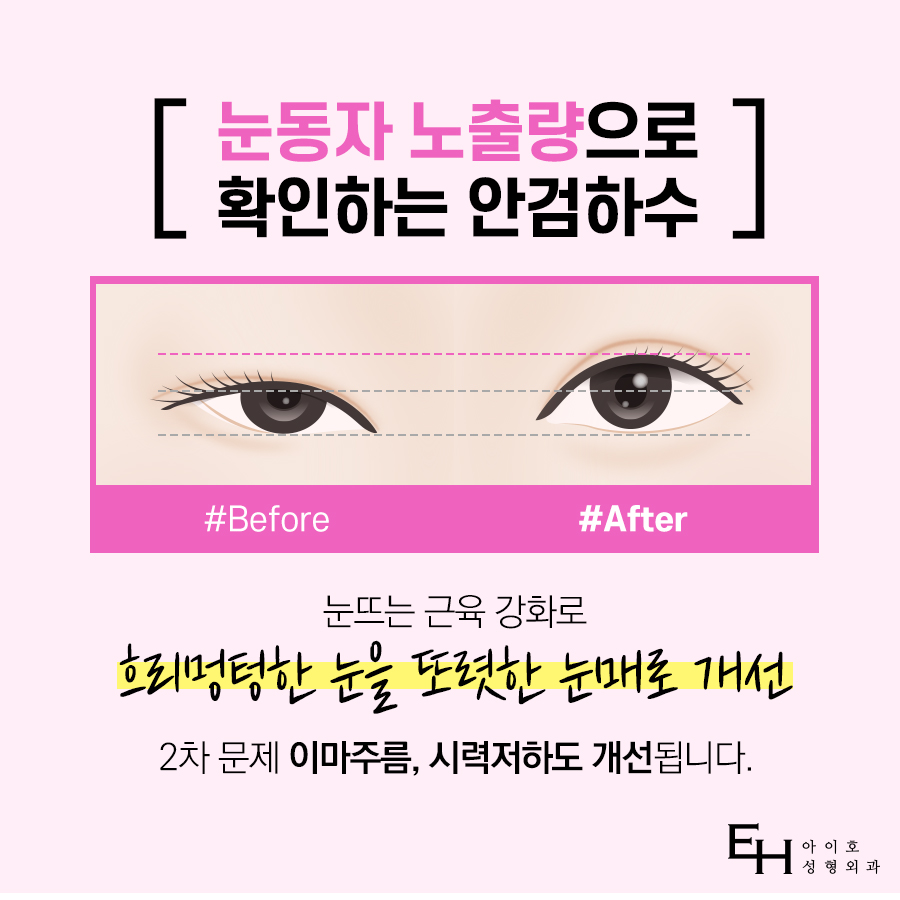
Ptosis, which can have unfavorable effects on both function and appearance, needs to be corrected as soon as possible. More and more people have been visiting clinics to seek help by finding a place experienced in eyelid correction for ptosis. If the black pupil remains covered for a long time, it can seriously affect vision, and because it can also create a poor first impression when meeting others, there are plenty of reasons to undergo correction.
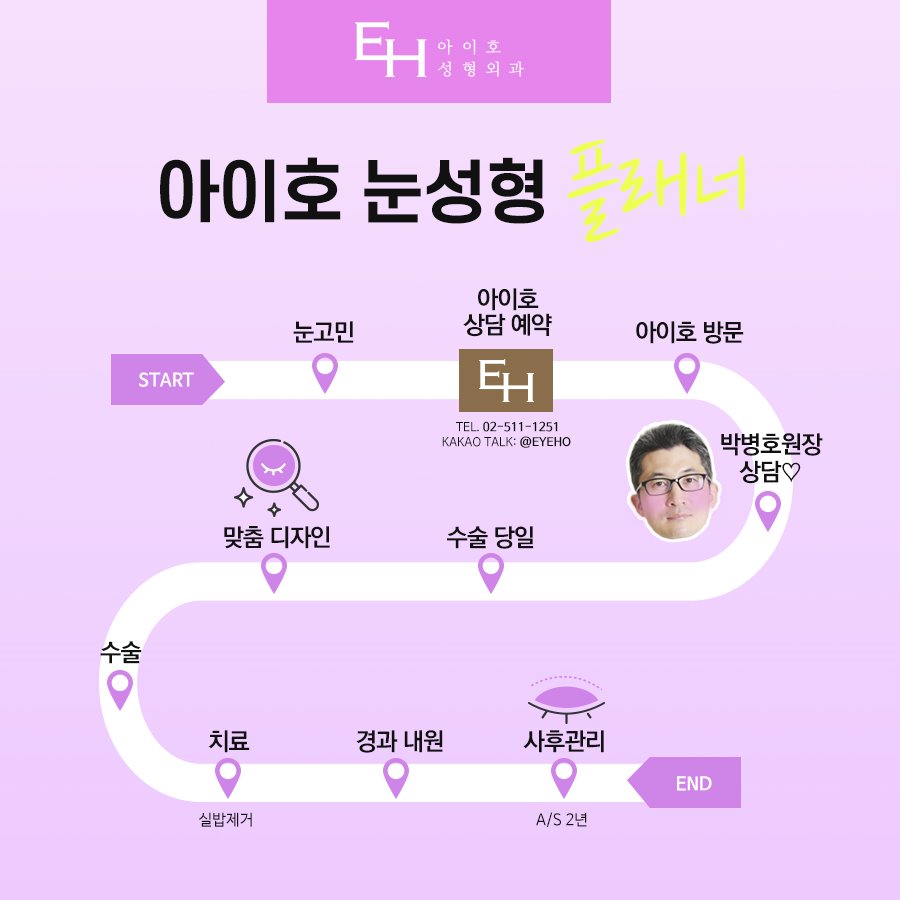
Because eyelid drooping differs from person to person, eye shapes vary, and skin conditions are different, an examination of one’s own eyes must come first. After checking the degree of ptosis in one’s eye shape through precise diagnostic equipment and identifying which parts are problematic, the eye proportions and characteristics are examined, and then a customized design is decided based on these factors. There were several precautions during the consultation process.

The perspective of those who accurately understand anatomical structures and, based on years of experience, possess skill and expertise may differ from the perspective of the general public. Even so, if one strongly insists only on one’s own needs, the likelihood of ending up with eye shape that does not suit the balance of the facial features may increase, and a repeat procedure may have to be considered.
If the asymmetry is severe and the eyes look uneven or sleepy, if the eyes cover the pupil a lot, or if you want help moving away from ptosis and achieving larger, clearer eyes, an eyelid correction plan can be applied. During consultation, a customized design suitable for the person’s face is selected, and using a surgical method, unnecessary parts of the skin, muscle, or fat are removed or relocated where needed. Then the levator palpebrae superioris muscle is pulled, resected, and fixed. If you visit a clinic for help, in addition to eyelid correction in Apgujeong, you may also receive help with ptosis correction through other methods. Such methods may include canthoplasty.
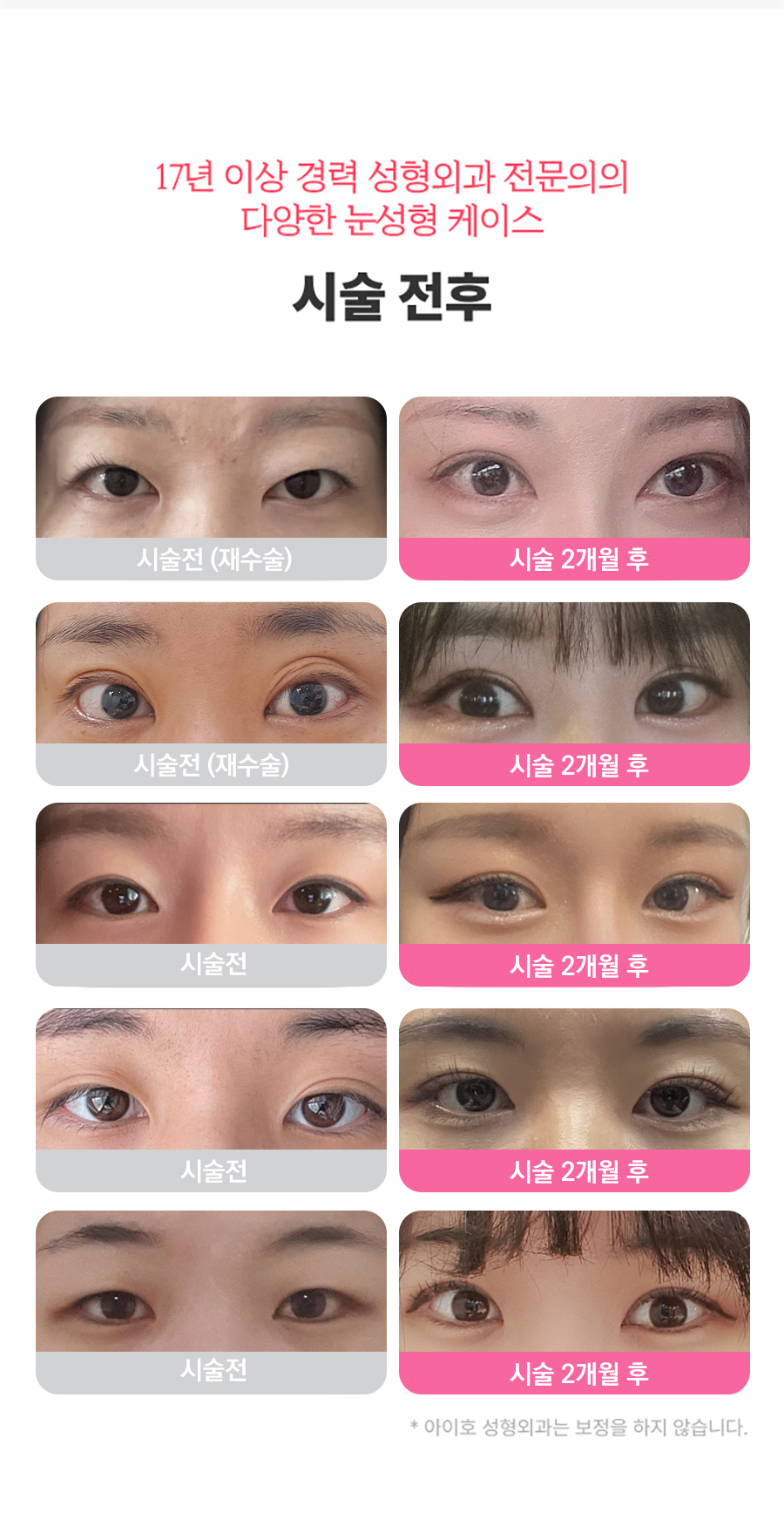
If you visit a clinic for eyelid correction in Sinsa to receive help with ptosis, the surgeon may suggest a solution that performs double eyelid surgery together with medial, lateral, or lower canthoplasty. During consultation, along the predetermined line, the inner corner of the eye may be surgically incised, or the surrounding skin may be incised and then sutured from inside the eye so that the scar is not visible.
At the same time, double eyelid surgery can be performed. An incision is made along the line, unnecessary tissue and muscle are removed, the eyelid and muscle are connected, and then sutured. After applying the double eyelid method, lateral or lower canthoplasty can be performed. After cutting the outer corner of the eye, about one-third of the outer eyelid is lowered or fixed, sutured from the inside of the eye, and the procedure is completed through a process that prevents possible recurrence.

Because eyelid correction is not limited to just one method, appropriate solutions can be provided depending on the situation. Broadly speaking, there are two methods: non-incision and incision.
The non-incision method can be considered when the degree of ptosis is mild, the eyelid drooping is slight, and there is little fat in the eyelid area. It is a procedure that does not involve an incision and instead ties the levator palpebrae superioris muscle to increase the strength used to open the eyes, which can bring high satisfaction to people who feel burdened by incision-based surgery.
In the case of incision-based surgery, it is possible to remove thick skin and excess fat. It is important to proceed in a direction that fixes the muscle so that the pupil can be properly exposed and the field of vision secured. In particular, if one tries the non-incision method, the results may loosen over time, so precise customized care must be applied to prevent such a situation. If too much is done without considering the condition of the eyes, the white of the eye may become excessively exposed, so care must be taken to ensure an appropriate plan.
Improving droopy eyes may seem simple, but depending on how the design is applied, there can be a big difference. Therefore, it is important to establish the right solution in advance to prevent unwanted results. You should remember that the impression can change depending on the eye shape. Rather than trying to solve ptosis simply with eyelid correction, it is better to carefully decide after determining whether it is the right process for you.
If you are struggling alone with a complex about your eyes, it would be wise to visit a place where you can receive help, have a consultation, and get a suitable plan. I hope you achieve your own attractive eye shape and show confidence in your relationships as well.






Previous image
Next image