When I’m trying to decide what to eat, I think Chinese restaurants are probably always one of the first things that come to mind. I’m not sure why, but maybe it’s because no matter where you go, you can usually expect at least decent taste. Chinese food is always on the list of options, but when it actually comes time to go somewhere, I can’t think of a place that seems especially worth visiting. The Chinese restaurant I’m introducing today is Chaideul, which I visited because it was said to have a trendy, youthful feel.
I thought it was a single independent Chinese restaurant, but it was actually a chain with two locations: Nonhyeon and Yeoksam.
Kiosks are everywhere now!! They seem familiar, but when using one in a new place, I still end up fumbling a little.
Maybe because the layouts are similar but slightly different?!
Anyway, I somehow managed to complete the order.
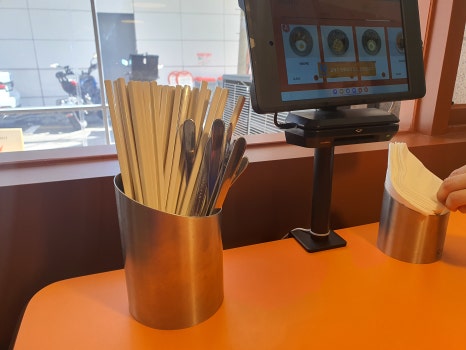
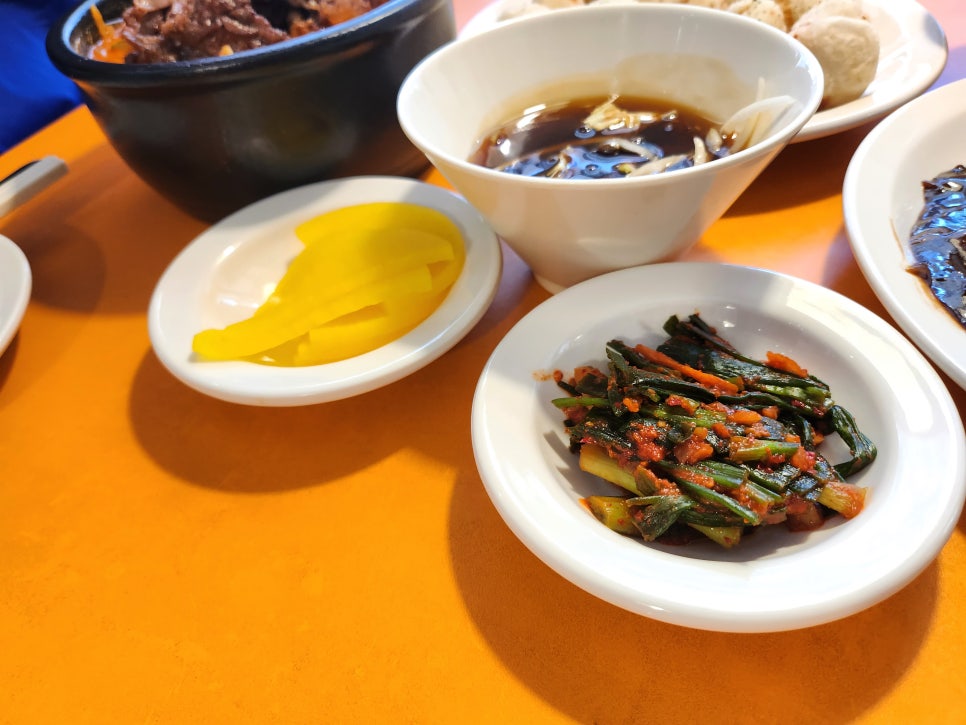
Chaideul serves scallion kimchi. It was new to me.
Scallion kimchi at a Chinese restaurant—I figured it might be because one of the restaurant’s signature dishes is a menu item with chadolbaegi in it.
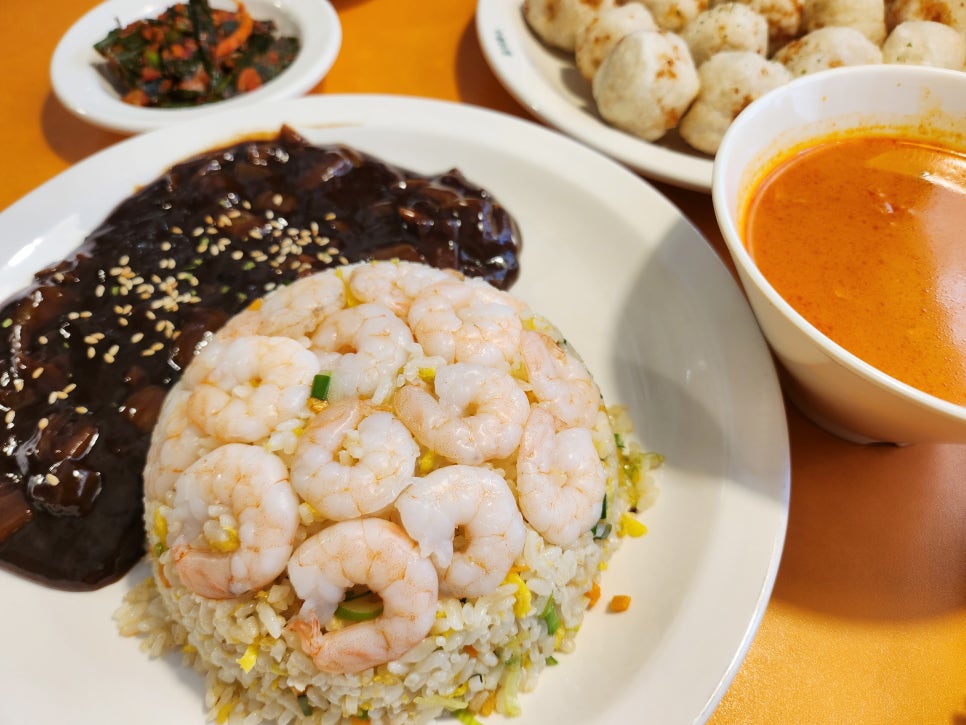
The first dish I’ll introduce from the items ordered at Chaideul is the shrimp fried rice.
The shrimp fried rice costs 13,000 won. The shrimp is not fried together with the rice but placed on top of it, so it felt like there was a lot of shrimp in it.
It also came with jjamppong broth. This broth seems to be the regular jjamppong broth, because the taste was clearly different from the broth in the chadol jjamppong. It seemed a bit cleaner and spicier. The shrimp fried rice didn’t have a noticeable MSG taste, so it went well with jajang sauce.
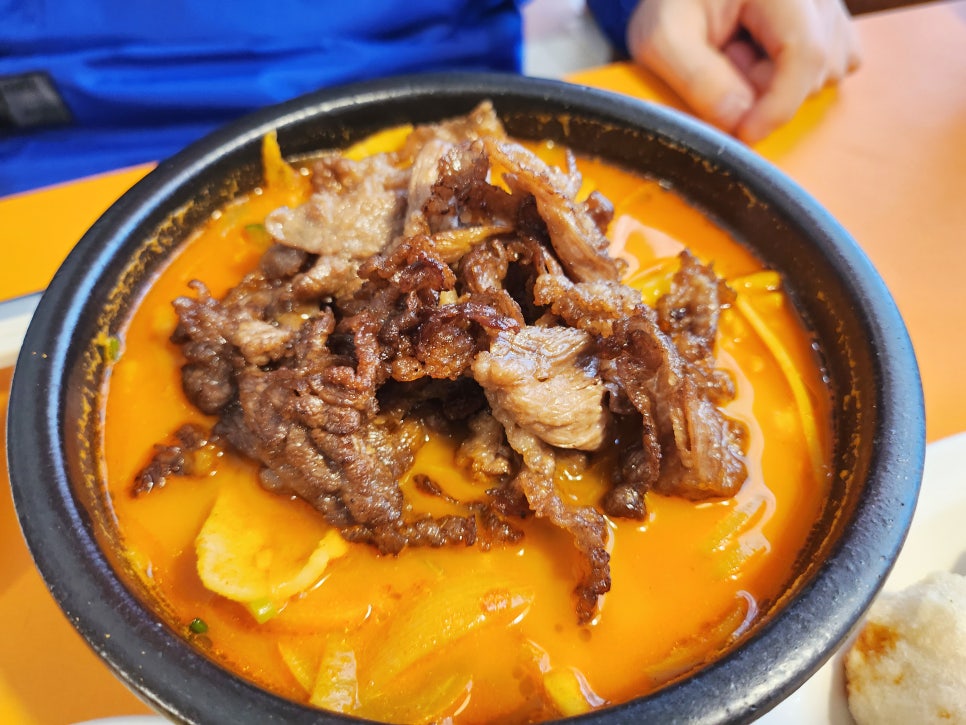
Next is the chadolbagi jjamppong, which could be called Chaideul’s signature menu item. The chadolbagi jjamppong costs 13,000 won.
For a jjamppong topped with chadolbagi, the price seems reasonable.
Unlike the chadolbagi jjamppong at other Chinese restaurants, where the jjamppong is cooked together with the beef, this dish is served with jjamppong in the bowl and well-grilled chadolbagi placed on top, so the broth doesn’t feel overly greasy and there isn’t much chili oil floating on the surface. Visually, I liked it right away.
I mixed the chadolbagi jjamppong well so that the spiciness of the jjamppong would soak into it. After that, the flavor of the meat was clearly present in the broth, giving it a taste different from regular jjamppong. If you like a really spicy and hearty jjamppong, it would be a good idea to ask for it to be made spicier when ordering. This jjamppong doesn’t have much of that rich, spicy kick.
Whenever I visit a Chinese restaurant, I always have to think about whether to order sweet and sour pork.
It feels disappointing not to order it, but it also seems like too much if I do order it. If there were four people, I wouldn’t have to worry about it, but when just two people visit, I can’t help but think about it. Still, that kind of worry is always a luxury!! Because I’m going to order it anyway!!
The small pork loin sweet and sour pork costs 20,000 won.
Unlike typical sweet and sour pork, it comes in round pieces. That made me wonder if the meat had been minced or if there was much more flour than meat, and I briefly thought maybe I ordered the wrong thing. But after trying it, I felt I made the right choice.
Usually, when you order sweet and sour pork at a Chinese restaurant, the sauce is poured over the top, but Chaideul, true to its trendy Chinese restaurant style, serves the sauce separately so you can enjoy it either dipped or poured, depending on your preference.
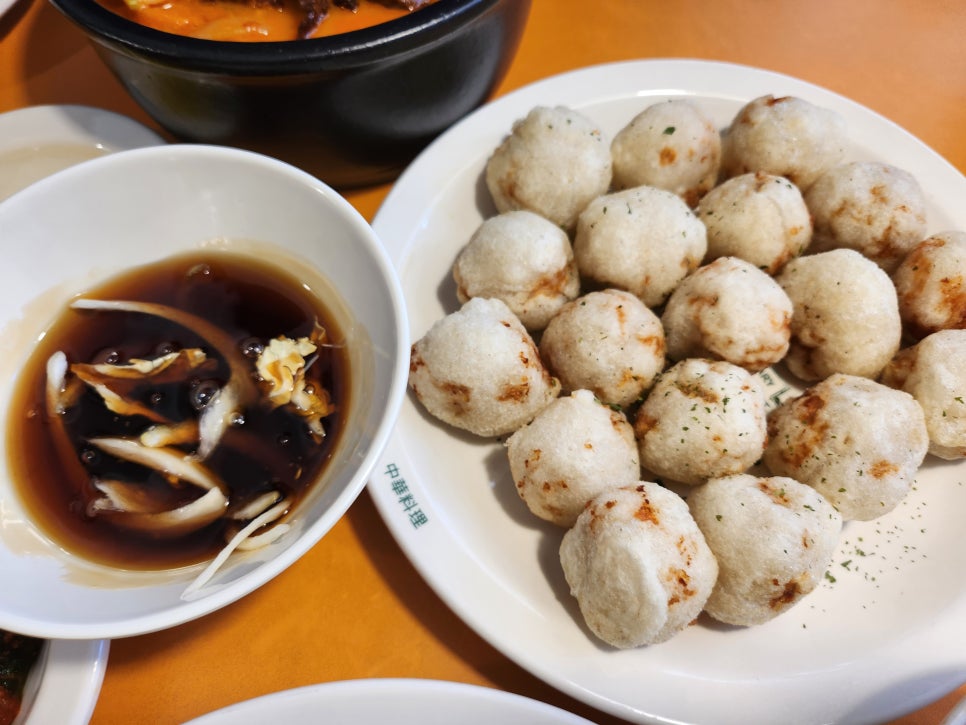
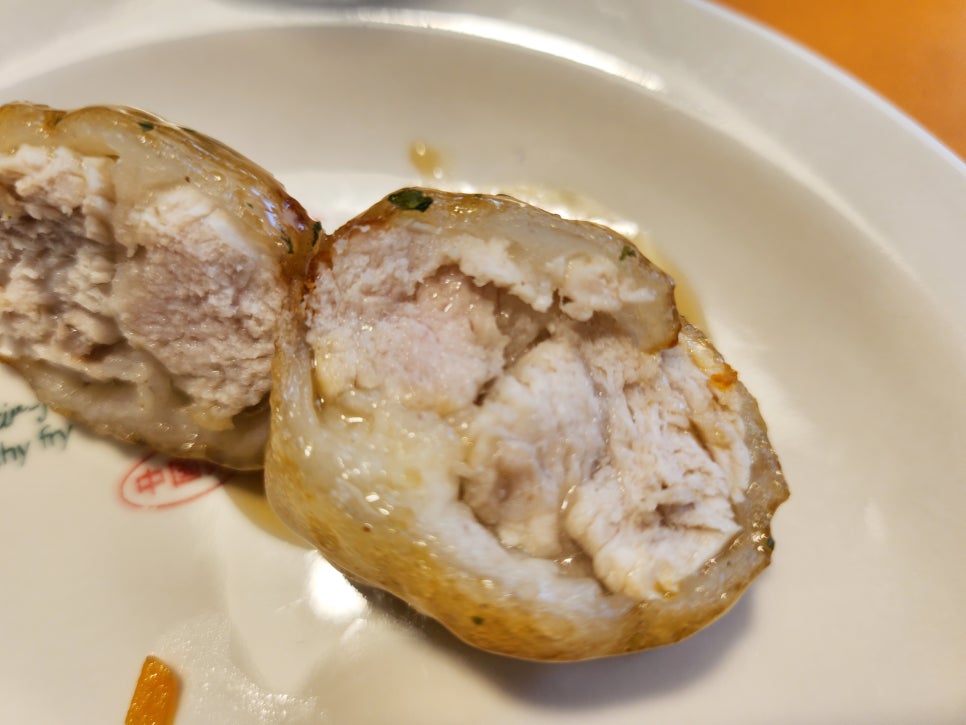
Chaideul’s pork loin sweet and sour pork is packed with meat and even keeps its juices, so it really feels worth eating. And because of its round shape, I could fit an entire piece into one bite, which let me enjoy the fried coating itself.
This is why Chinese restaurants always seem to be on the shortlist when I’m deciding what to eat.