Hello.
This is EH Ureuneun Eye Plastic Surgery.
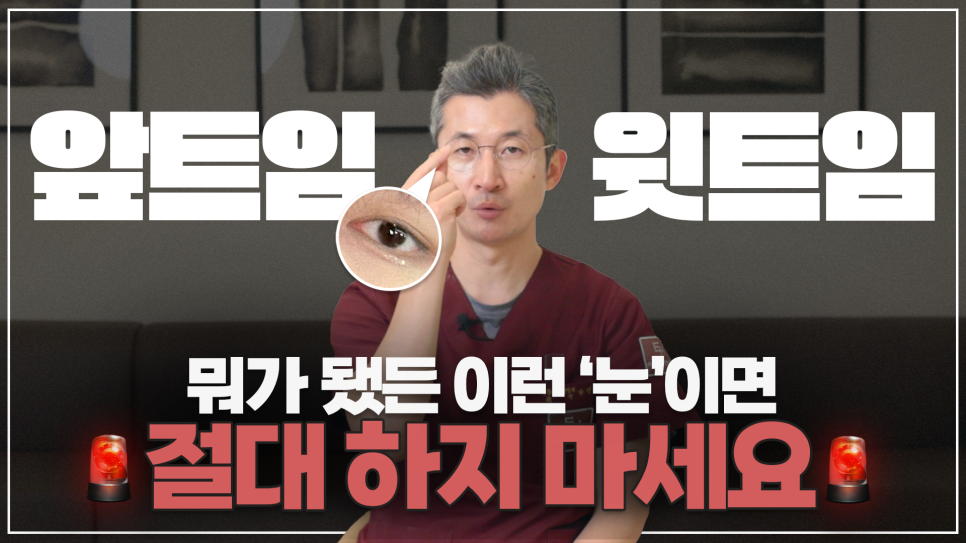
Many people who feel self-conscious about eyes that seem small and cramped combine epicanthoplasty and inner-canthus extension as a way to increase the horizontal length of the eyes. However, not everyone needs epicanthoplasty or inner-canthus extension. As mentioned in the previous post, there are eye shapes that can benefit from these procedures, but there are also cases where they are not effective or may cause side effects, so it is wise to check whether the procedure is truly necessary for you before proceeding.
The official name for what we commonly call epicanthoplasty is medial canthoplasty.

What are epicanthoplasty and inner-canthus extension?

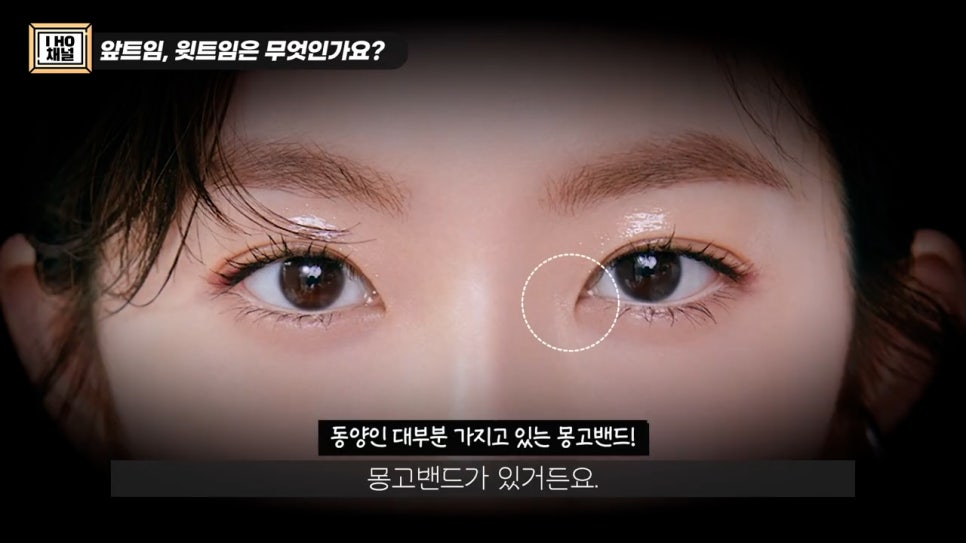
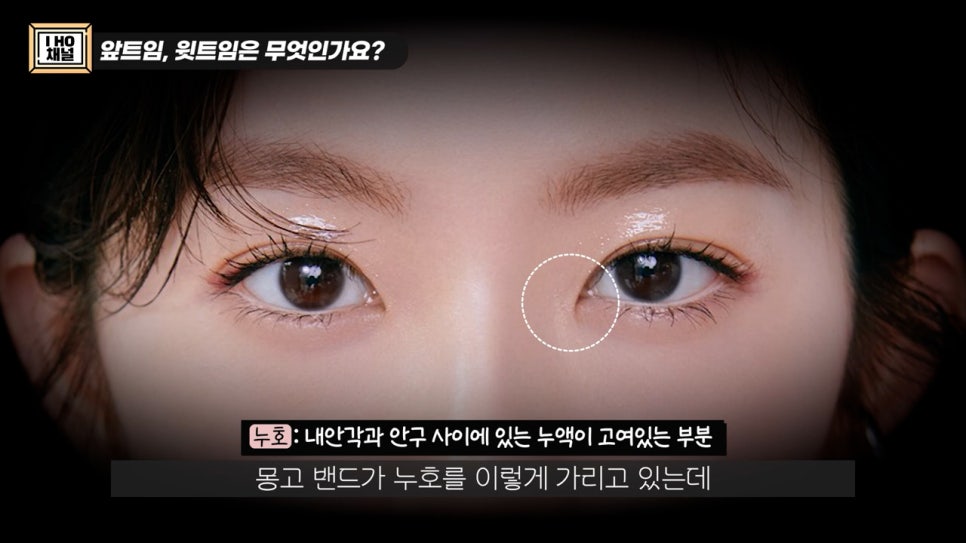
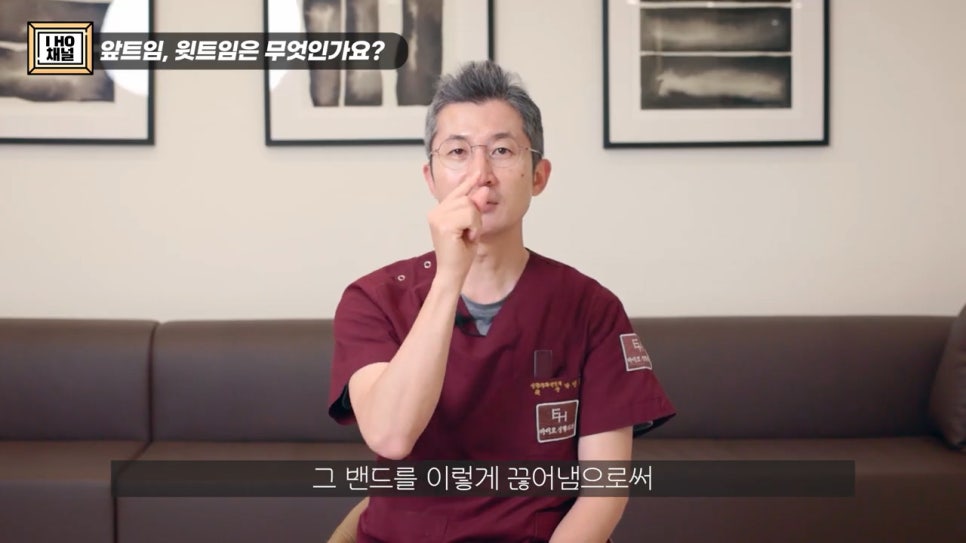
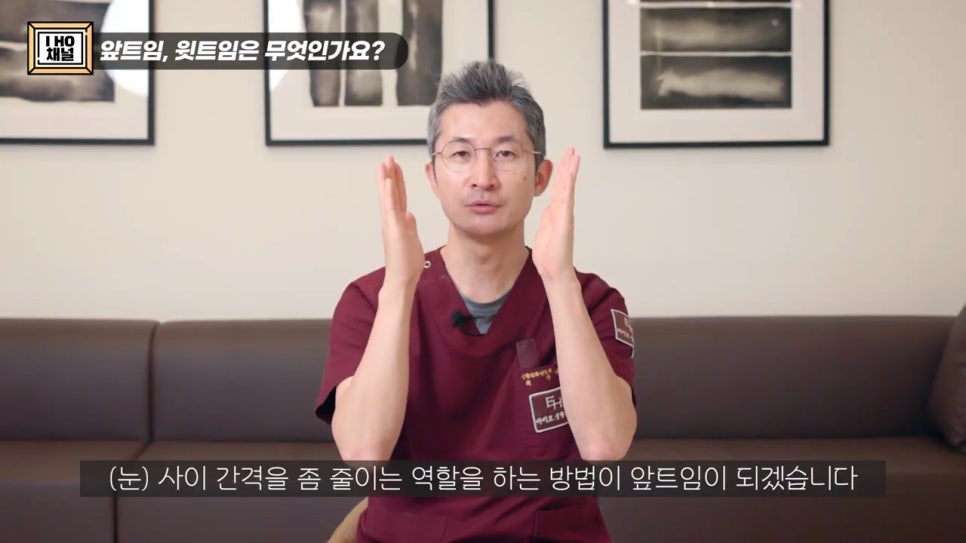
The epicanthal fold that most East Asians have covers the inner corner of the eye. Epicanthoplasty is a method that cuts away this fold and opens the inner area, slightly reducing the distance between the eyes.
Previous image
Next image
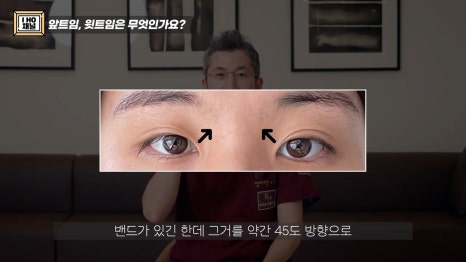
Inner-canthus extension is not intended to narrow the space between the eyes like epicanthoplasty. Rather, although an epicanthal fold is present, the fold is removed in a direction angled about 45 degrees instead of straight inward, without narrowing the distance between the eyes, in order to reveal more of the front part of the double-eyelid line.
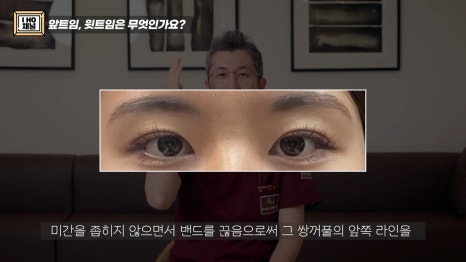
What is the most important thing to check for epicanthoplasty and inner-canthus extension?

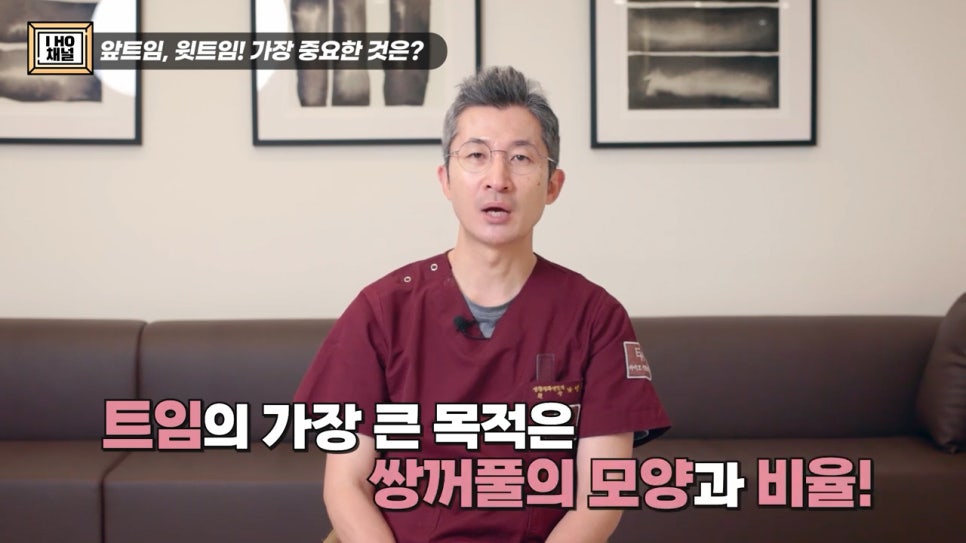
When trying epicanthoplasty and inner-canthus extension, the most important thing to check is how they harmonize with the shape of the double eyelids.
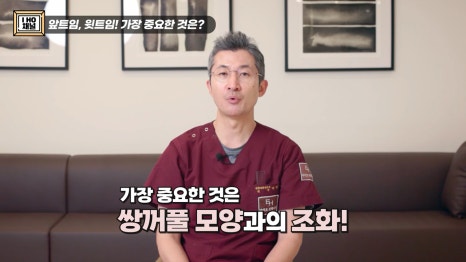
Depending on the double-eyelid shape the patient wants, the need for epicanthoplasty or inner-canthus extension may differ. In addition, in terms of overall proportions, the ratio between the size of both eyes and the distance between the eyes is also important.


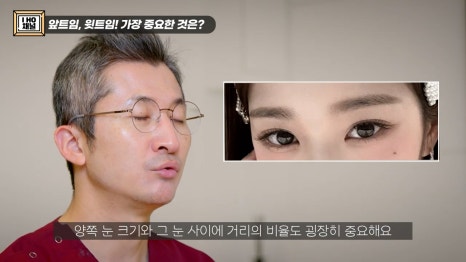
Please remember that the main purpose of epicanthoplasty and inner-canthus extension is to match the double-eyelid shape and proportions.
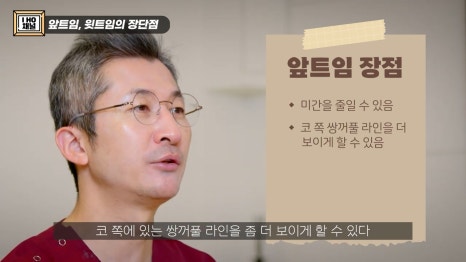
Advantages and disadvantages of epicanthoplasty and inner-canthus extension

- Advantages of epicanthoplasty
It can reduce the distance between the eyes.
It can make the eyelid line closer to the nose more visible.
- Advantages of inner-canthus extension
It can improve the front part of the double-eyelid line without narrowing the distance between the eyes.
- Disadvantages of epicanthoplasty
Scarring may remain.
- Disadvantages of inner-canthus extension
Some scarring may remain.



Because the epicanthal fold is relatively weaker in inner-canthus extension than in epicanthoplasty, there may be less scarring. In the case of epicanthoplasty, scars may form over time depending on the skin texture and may become quite inconspicuous, so if the procedure is performed with the correct design after an accurate consultation, there is no need to worry. That is why it is better to visit a clinic where medical staff with extensive experience in various cases are available and receive a consultation.

What is the recovery period?

In the case of epicanthoplasty, scars become hardly visible after about one to three months, and in the case of inner-canthus extension, after about one month.


What should be considered when undergoing epicanthoplasty or inner-canthus extension?

As with all surgeries, there are many factors to consider when attempting inner-canthus extension or epicanthoplasty. The most important factor is the design the patient wants. Whether to perform the procedure may depend on whether the eyelid is inline, semi-outlined, or outlined.
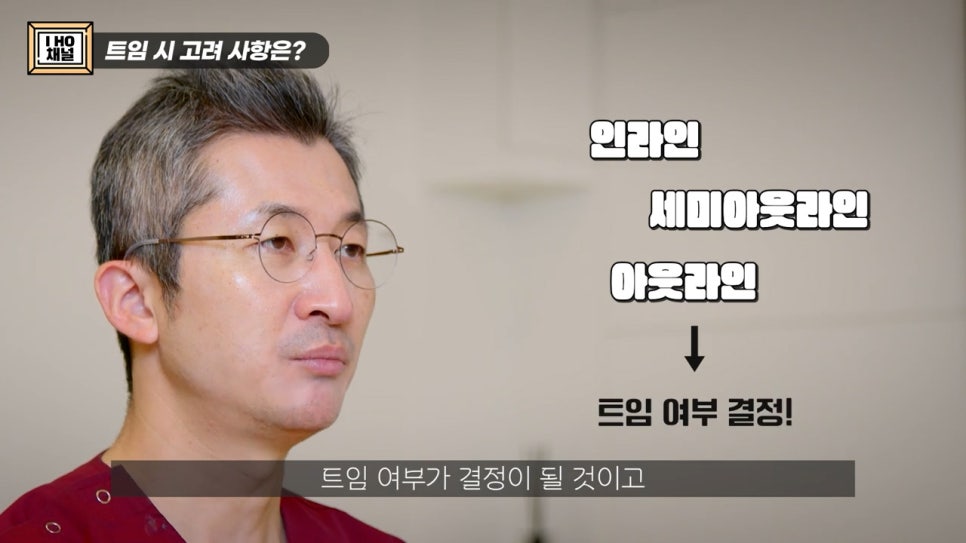
Also, depending on how severe the epicanthal fold coverage is, it is decided whether or not to proceed with the procedure. Eyebrow position should also be considered. This is because the height or shape of the double eyelids is closely related to the eyebrow position, so that may determine whether the procedure is appropriate.


What kind of eyes need epicanthoplasty or inner-canthus extension?

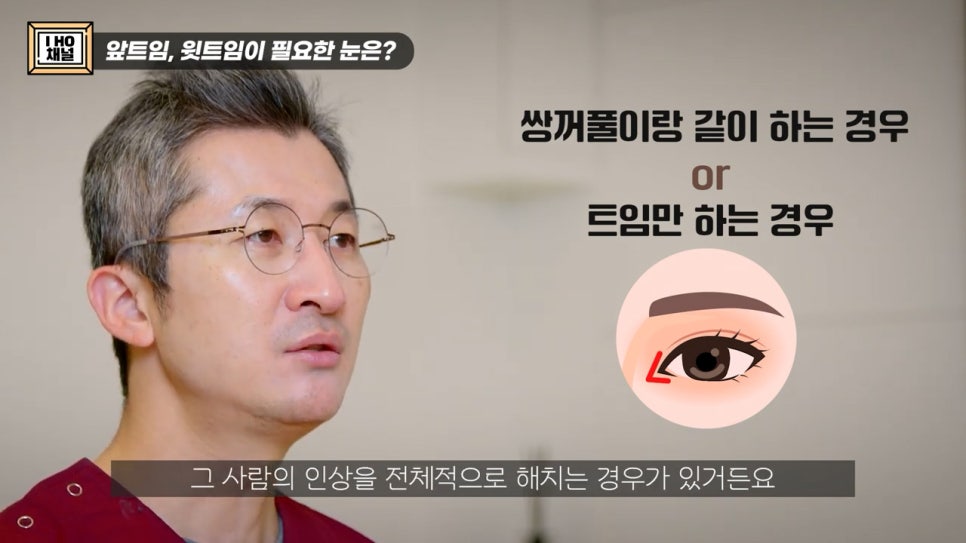
If the epicanthal fold covers a lot of the inner corner, making the eyes look cramped and giving a harsh impression, then epicanthoplasty or inner-canthus extension may be recommended because it can create a more open-looking eye shape and improve the overall impression.
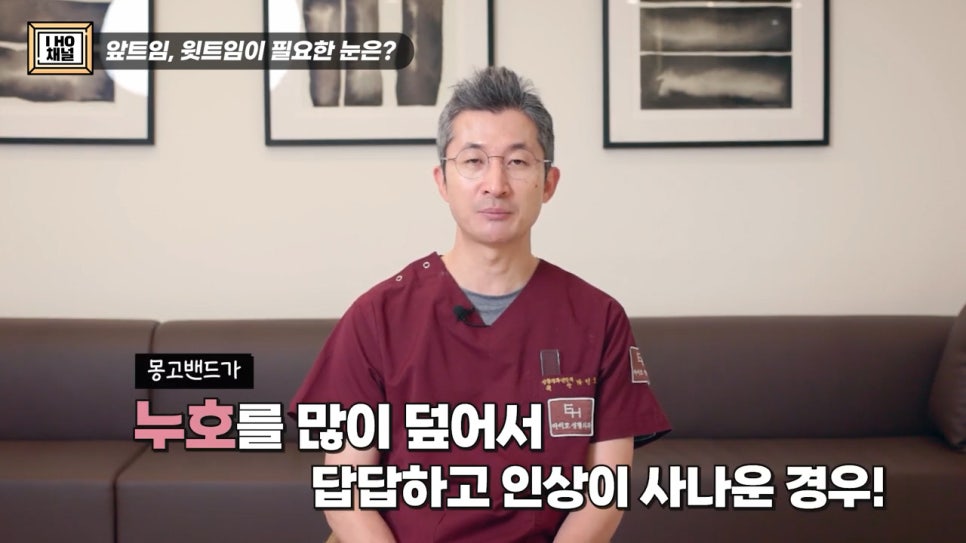
However, if the inner corner is hardly covered and is already mostly open, people who simply want surgery because the space between their eyes is wide do not need epicanthoplasty or inner-canthus extension at all.
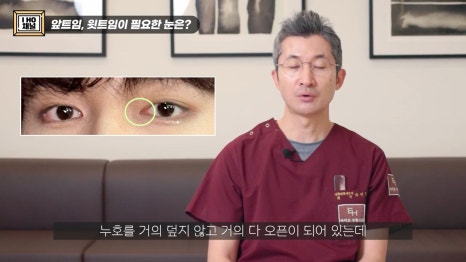
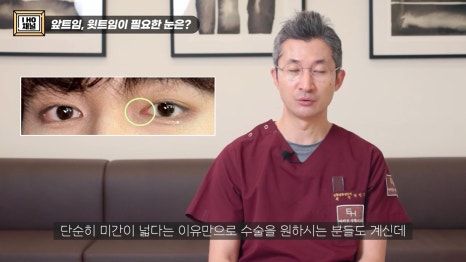
In such cases, because there is almost no range in which the fold can be opened, the procedure may not narrow the space between the eyes and may only leave a scar.
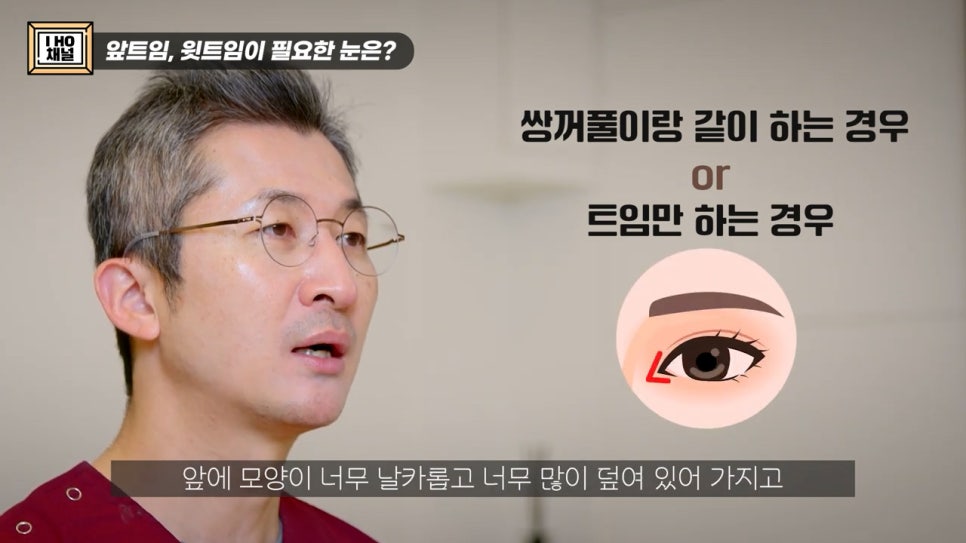
There are people who truly need double-eyelid surgery when done together, or who truly need only the fold-opening procedure. If the front part is too sharp and too covered, giving a negative impression, then epicanthoplasty and inner-canthus extension can change it into a more positive impression, so in such cases I recommend proceeding. However, if the shape of the inner corner is very sharp and opening the epicanthal fold is expected to result in an unattractive shape, then I do not recommend it. As such, because the results can vary depending on the current eye shape and structure, choosing a surgeon with extensive experience, know-how, and technical skill will help you achieve a more satisfying result.
Previous image
Next image
Why does the inner corner of the eye become hook-shaped after epicanthoplasty?

If the inner corner itself has a hook-like shape, then even if epicanthoplasty or inner-canthus extension is performed, the original shape cannot be changed. Therefore, it is advisable to inform the patient of this in advance.
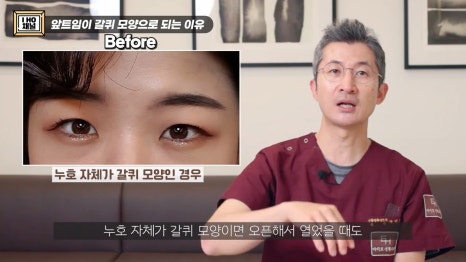
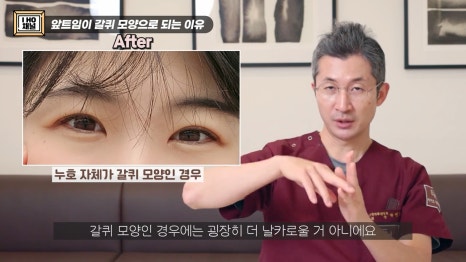

If the inner corner itself is not hook-shaped, but a hook-like scar remains after surgery, it can be said that the design itself was incorrect, resulting in scarring.
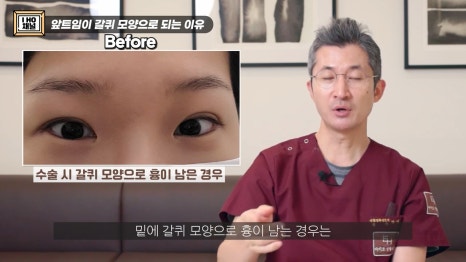
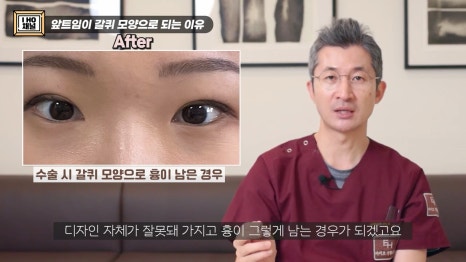
Therefore, it is important for a specialist to make a diagnosis through sufficient consultation so that the situation can be predicted in advance and to plan the appropriate design and surgical method.