Garnet Plastic Surgery Director Baek Insoo’s
Doctor’s Note
Hello! I’m Baek Insoo, the board-certified plastic surgeon and director of Garnet Plastic Surgery.
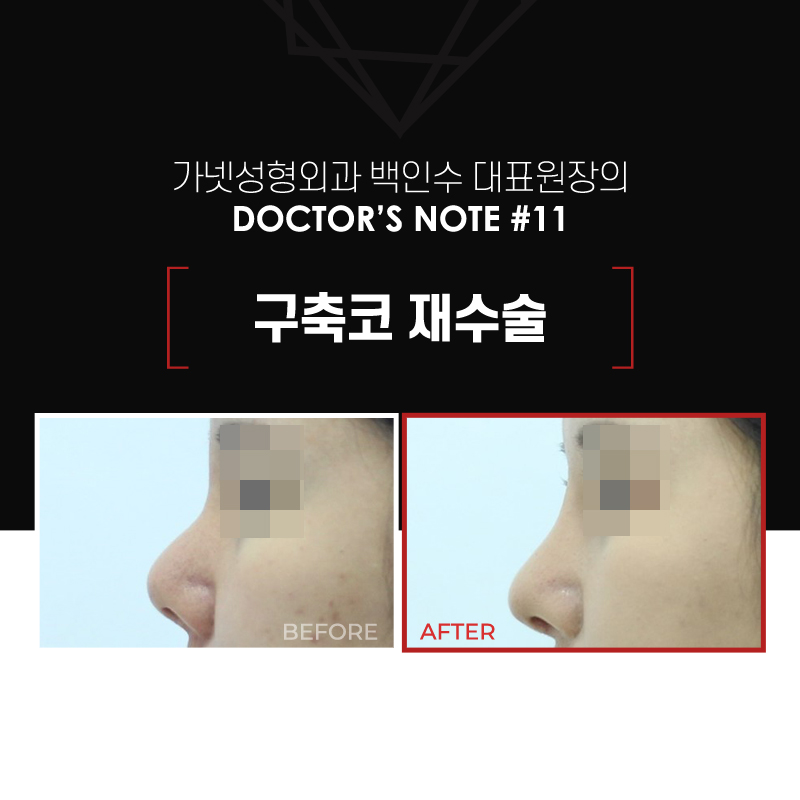
This is a case of a female patient in her late 20s who had a silicone rhinoplasty in the past and later developed contracture twice.
Reason for Surgery
After having two nose surgeries at another hospital, she said that contracture had occurred, pulling up the silicone and the nasal tip.
She visited several hospitals to consult about revision rhinoplasty.
There were hospitals that said revision surgery could be done using an implant, but she no longer wanted to use a silicone implant, so she came to our clinic.
She said she no longer wanted to suffer because of her nose and go through another revision, and hoped this would be her last rhinoplasty.
Preoperative Diagnosis
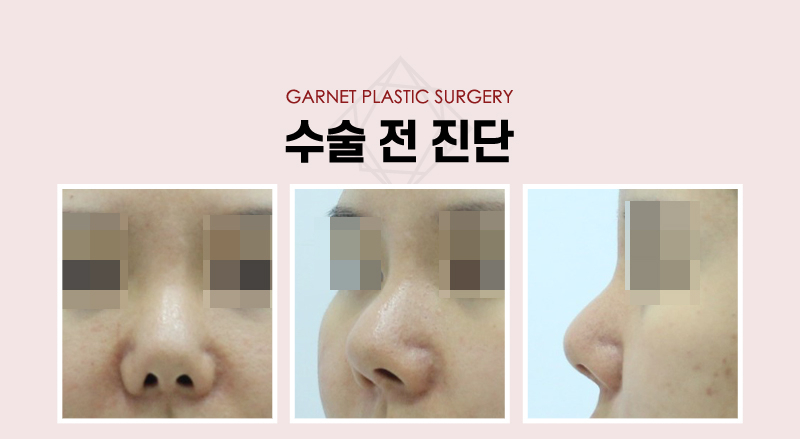
From the front, the nasal tip is pulled upward, exposing a lot of the nostrils.
From the side and at 45 degrees, the nose appears very short.
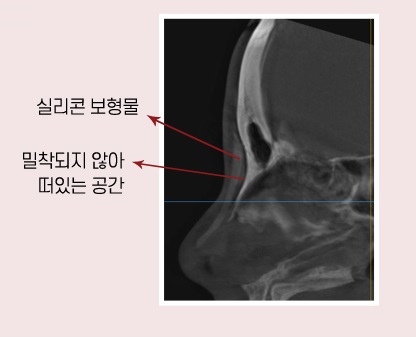
CT scan results showed that the silicone implant was not adhering to the bone and was floating.
It was also seen to be contracted and pulled up toward the forehead.
Surgical Process
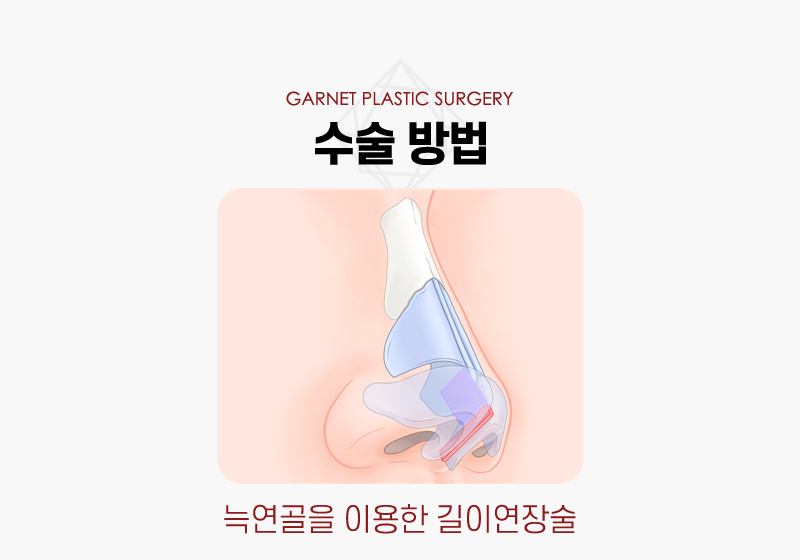
First, the silicone implant was removed, and the scar tissue in the nose was separated to lower the nasal tip.
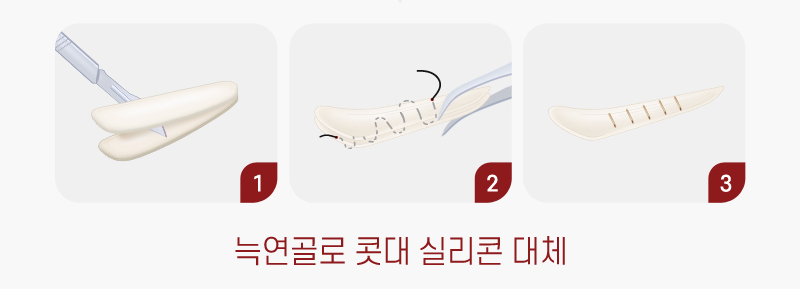
The support structure of the nasal tip was lengthened using rib cartilage,
and the bridge portion was also replaced with autologous rib cartilage instead of an implant.
Because rib cartilage has a tendency to bend, it is important to graft it while balancing the forces so that the cartilage does not warp.
Postoperative Progress
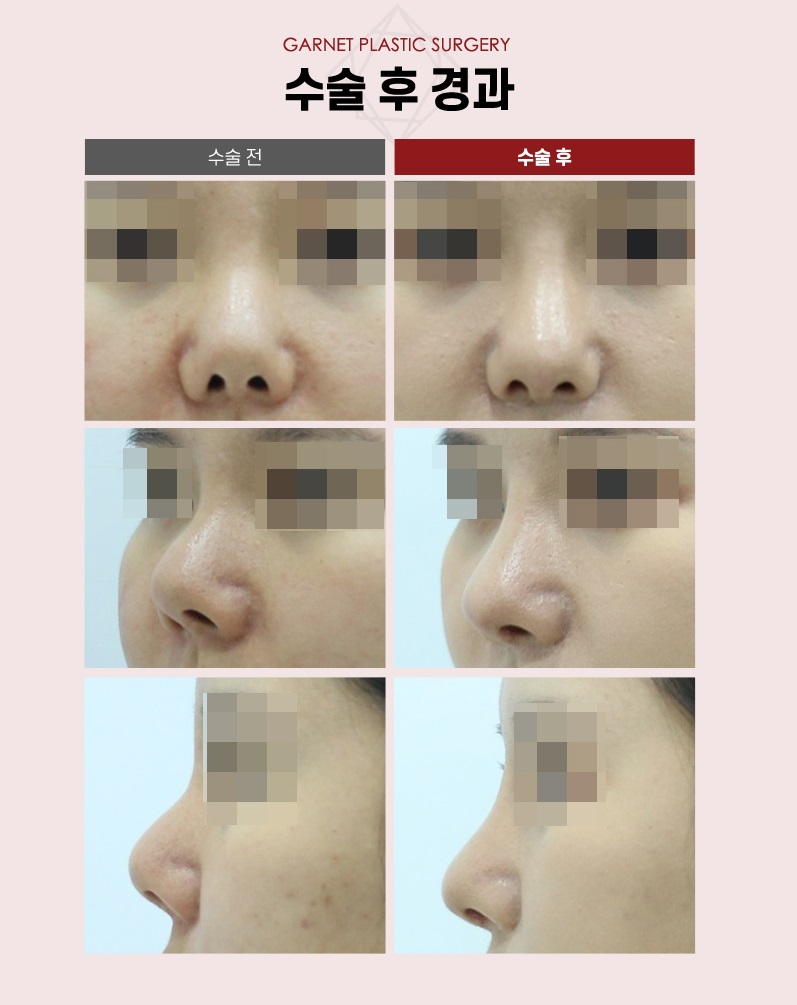
The lifted appearance from the front was clearly improved, and from the side and 45 degrees the nasal tip came down significantly.
The height, length, and shape of the nose were all adjusted to match the desired result.
In Closing..

Today, we looked at how to perform surgery without silicone when nasal contracture occurs.
Because this patient underwent revision rhinoplasty without silicone,
it is highly unlikely that she will have problems in the future such as inflammation or contracture of the nose,
or need another revision surgery.
Also, when reconstructing a contracted nose, it may be helpful to remember that it is possible to create a nose that is not only functionally improved,
but also aesthetically pleasing.
Thank you.^^