When looking at patients who came in with problems after rhinoplasty, such as contracture nose, many of them say they have already gone through rhinoplasty several times and do not want to spend any more money or time on it. In revision rhinoplasty, of course the shape is important, but what is even more important is preventing further side effects.
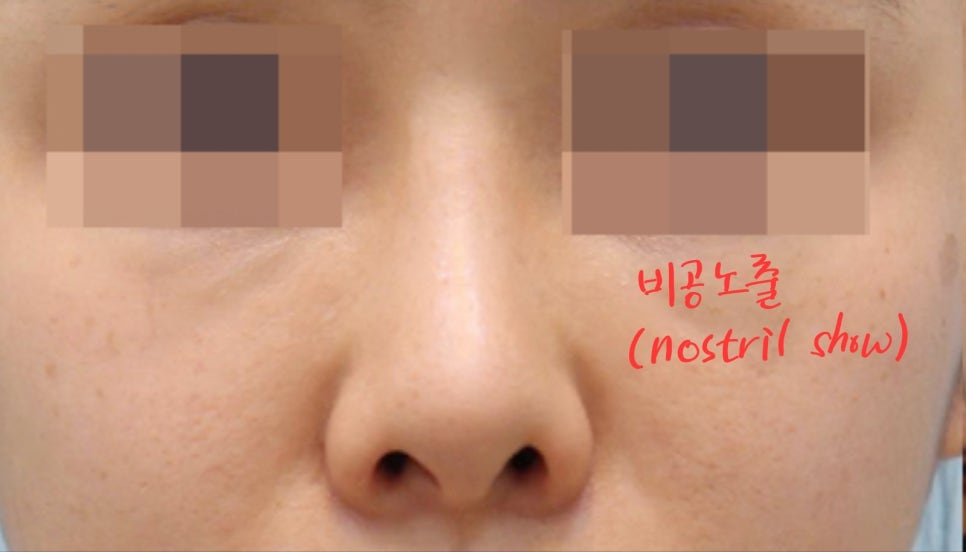
The symptom of visible nostrils caused by an upturned nose
Usually, when contracture develops after rhinoplasty, the tip of the nose gradually becomes elevated. Problems can appear rapidly after surgery, but if contracture progresses slowly over a long period of time, some people may not notice it themselves.
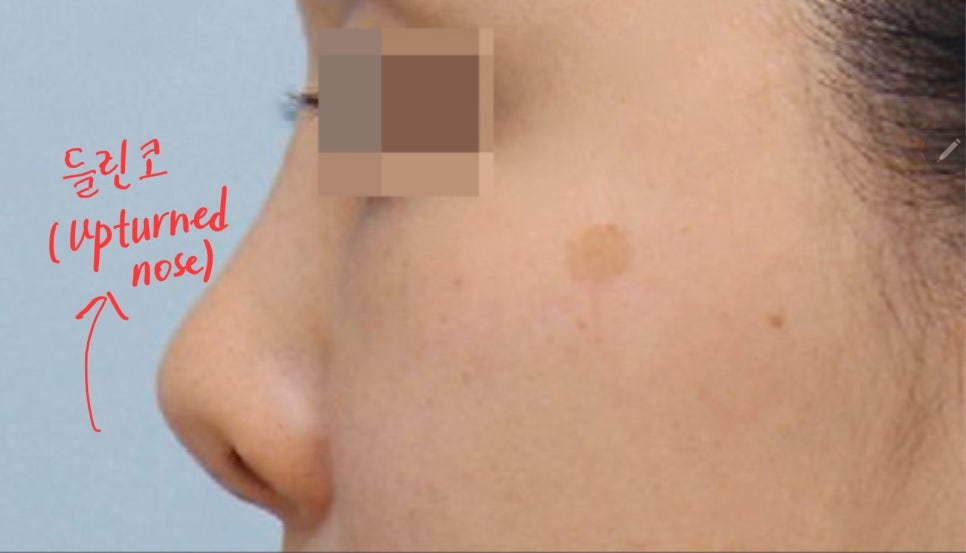
A nose that looks elevated and shorter
This patient learned about the symptoms of contracture because people around them told them that their nose looked much shorter when seen from the side.
In fact, people check their front view every day in the mirror, but they do not often see their side view.
People who have experienced silicone-related side effects once often want to undergo revision surgery using much safer autologous tissue rather than using silicone implants again.
That is why this patient decided to have both the bridge and the tip of the nose operated on using autologous rib cartilage.
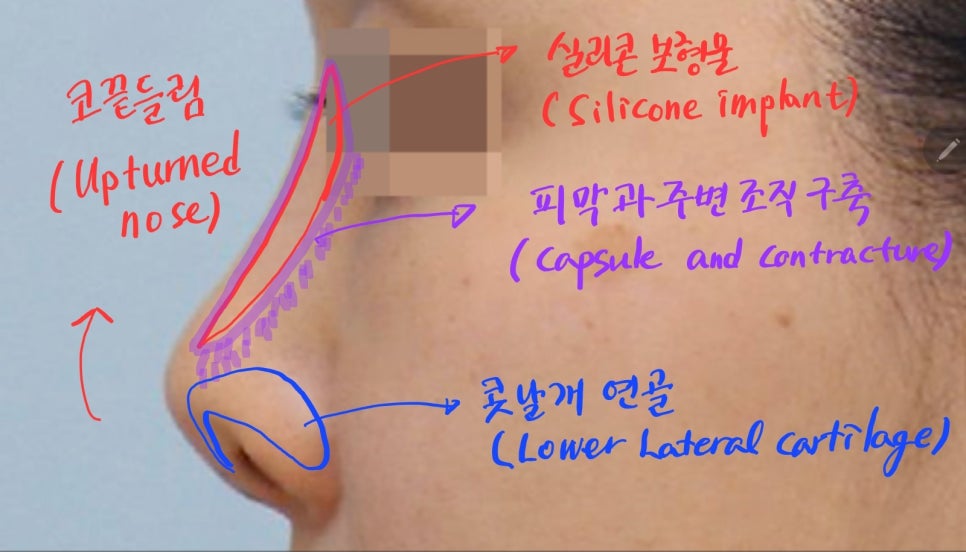
Silicone implants that cause contracture and the surrounding capsule
What is important during the surgical process is resolving the cause of the contracture.
First, the silicone implant and the capsule around the implant that induces contracture are both removed. Removing the capsule along with the silicone is also important, as it helps the transplanted autologous tissue settle well in a clean environment.
Of course, for correction of the upturned tip, it is also important to dissect the alar cartilage that has been pulled upward and lower it.
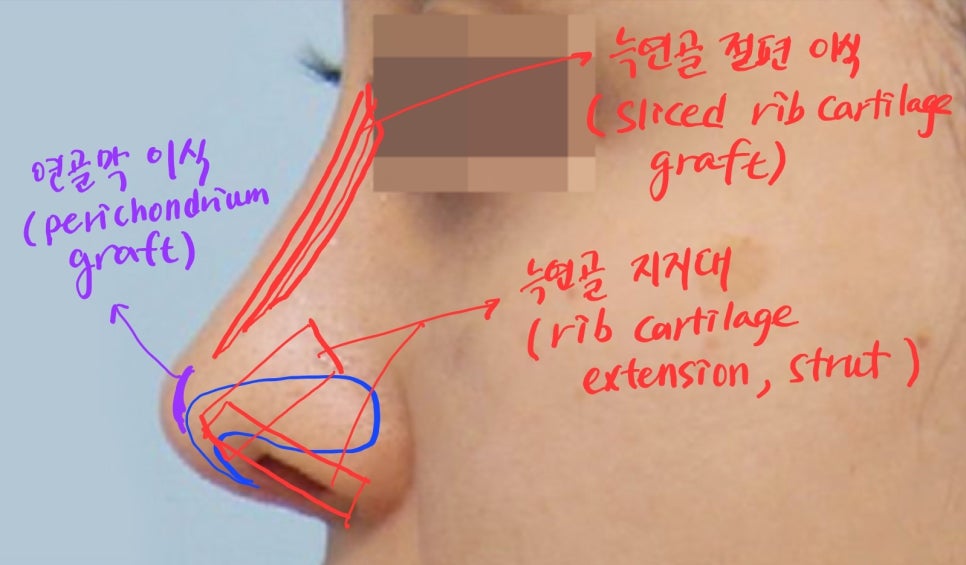
Fully autologous tissue rhinoplasty using rib cartilage
Instead of the removed silicone implant, rib cartilage fragments are reconstructed and grafted onto the bridge of the nose. Unlike silicone implants, rib cartilage grafted onto the bridge does not cause inflammation or contracture.
The lowered alar cartilage is extended using rib cartilage, and the support structure is reinforced so that the tip of the nose will not be pulled upward again.
Finally, the surgery is completed by covering thinned areas created by capsule removal with the perichondrium of the rib cartilage.
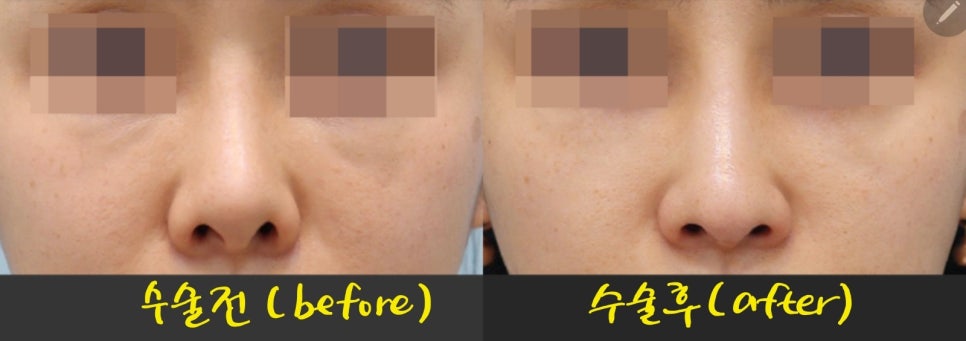
Improved visibility of the nostrils
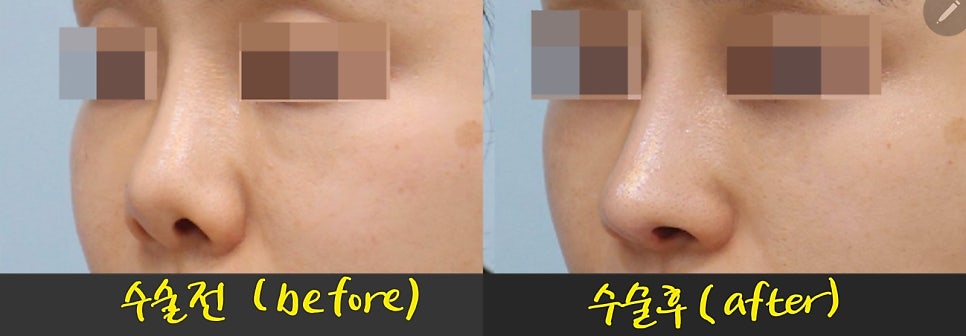
The shortened nasal tip has been lowered
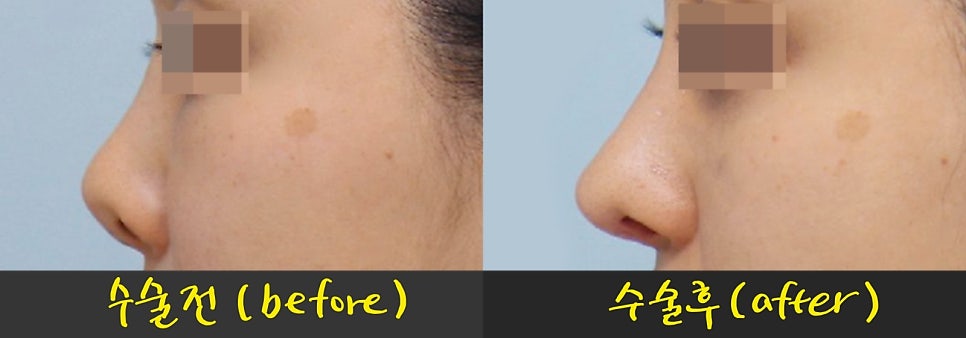
The elevated appearance of the tip has improved, and the line has become more feminine
Rhinoplasty can also be performed by reusing a silicone implant, but for safety, it is also possible to have rhinoplasty done entirely with autologous tissue.
If you want to avoid any more revision surgeries after multiple rhinoplasty procedures, I hope you will keep in mind that there are ways to achieve good results without using silicone implants.