In the case of East Asians, the skin is thicker than that of Westerners, so bulbous noses are fairly common in the nose area as well.
There are many causes of a bulbous nose, but the causes in East Asians are usually about three.
-
Thick subcutaneous tissue at the nasal tip
-
The shape and angle of the alar cartilage
-
A low nasal height
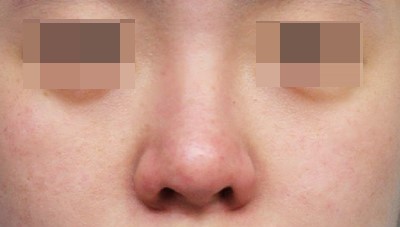
Front view of a bulbous nose
The surgical process begins by removing the thick soft tissue at the nasal tip.
However, if too much soft tissue is removed, bleeding becomes more severe, and this creates conditions that make scar tissue more likely to form later. For that reason, the soft tissue should not be removed too aggressively.
Of course, a careful hemostasis process is also necessary.
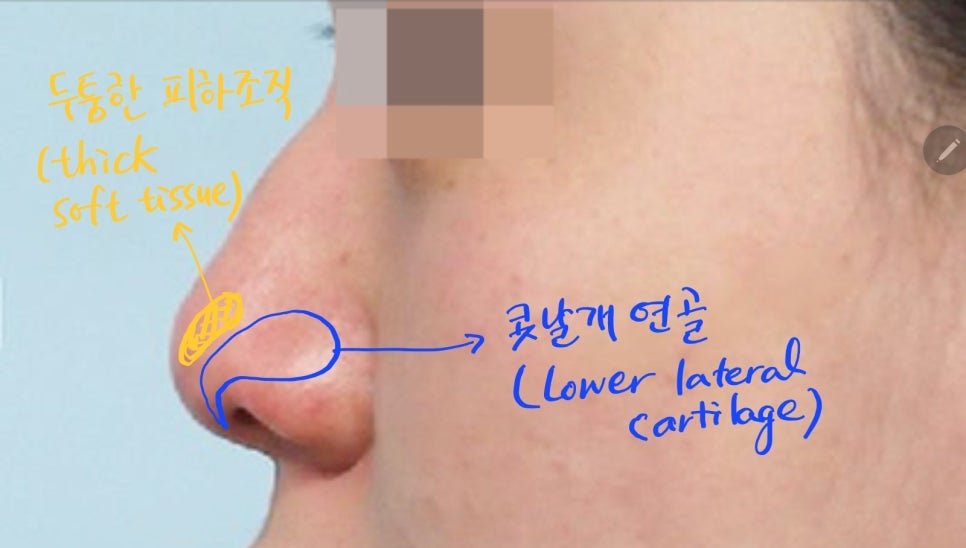
Thick subcutaneous tissue at the nasal tip
The next step is remodeling the alar cartilage, and the larger portions of the alar cartilage are partially excised.
The angle formed by the upper lateral cartilage and the alar cartilage is called the resting angle. If this angle is too wide (usually 150 degrees or more), it can make the nose look bulbous.
So a remodeling procedure is performed to narrow this angle to around 100 to 120 degrees.
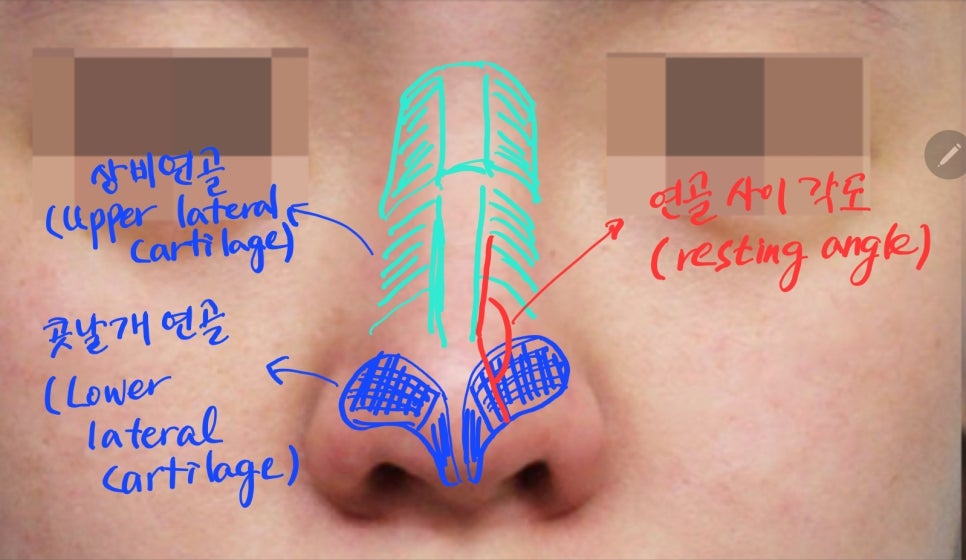
Angle between the upper lateral cartilage and the alar cartilage before surgery (about 150 degrees)
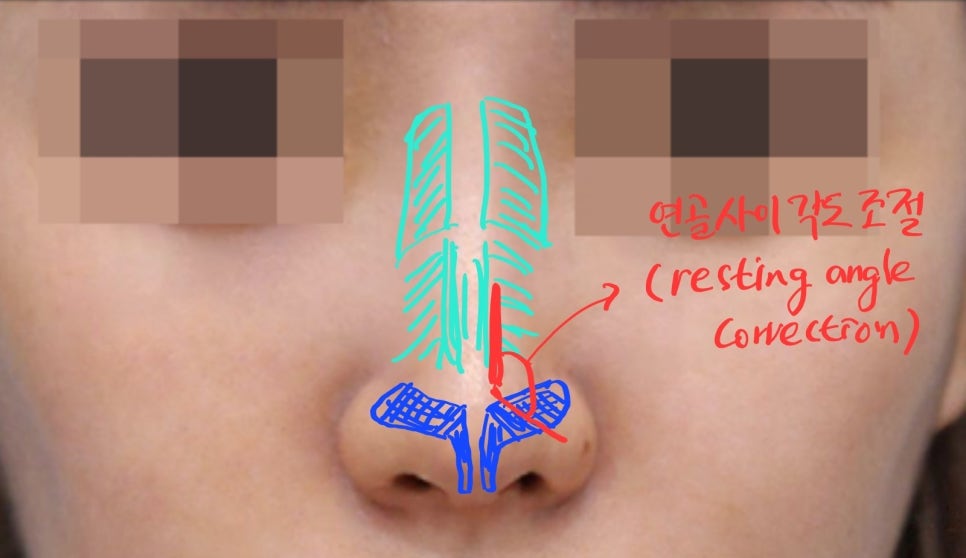
Angle between the upper lateral cartilage and the alar cartilage after alar cartilage remodeling (about 100 to 120 degrees)
In bulbous nose cases, nasal height is also important. If the nose is made slightly higher, it has a similar effect to making a tent stand upright and well defined.
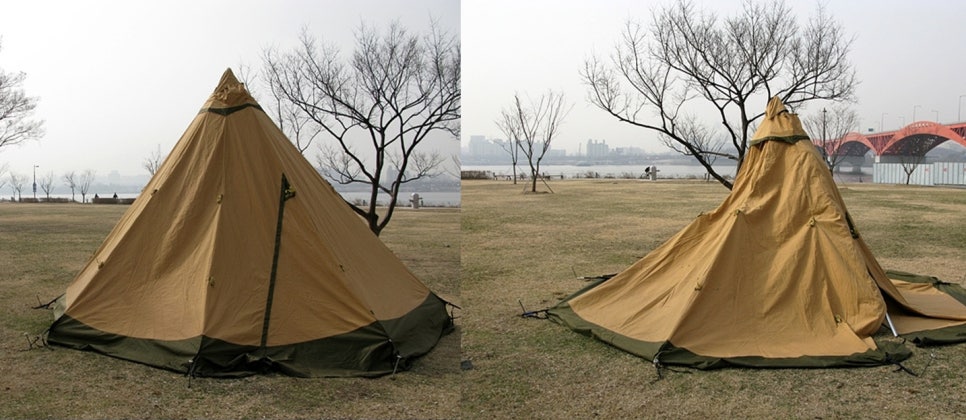
Explaining bulbous nose correction by comparing it to a tent
So, similar to a typical rhinoplasty, a silicone implant is inserted into the bridge, and the nasal tip is raised using septal cartilage and ear cartilage.
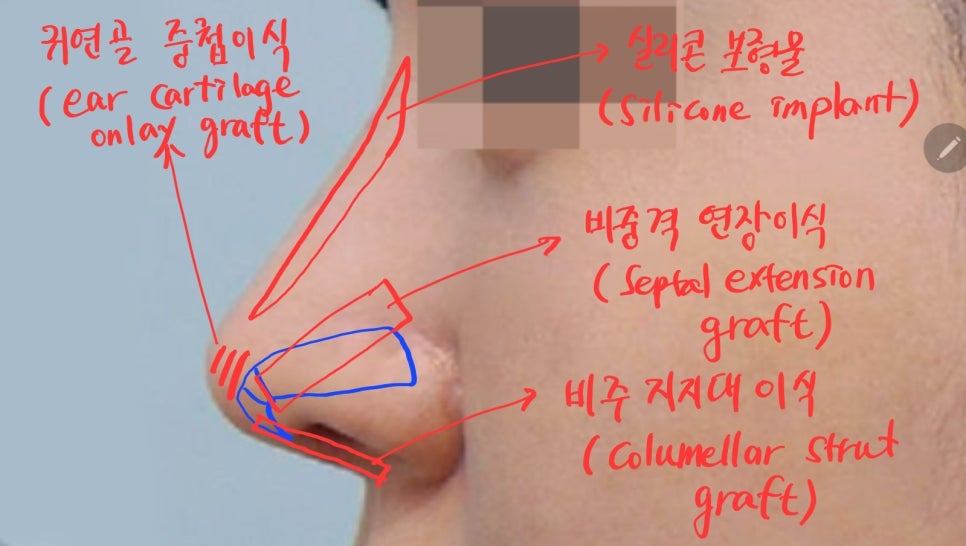
Procedures to raise and shape the nasal bridge and nasal tip
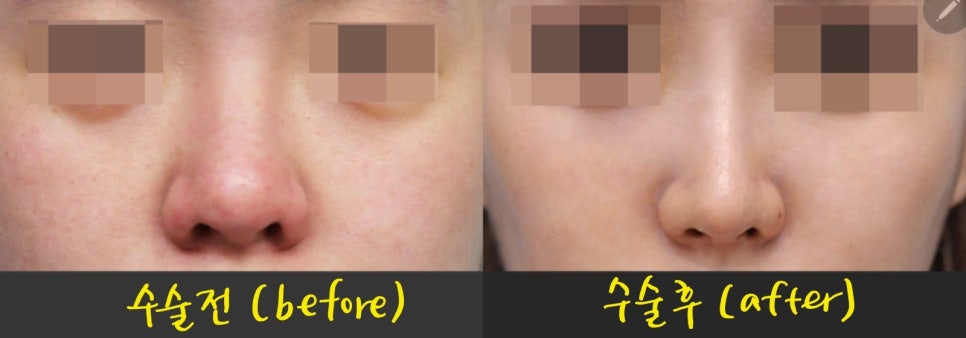
Front view comparison before and after bulbous nose correction surgery
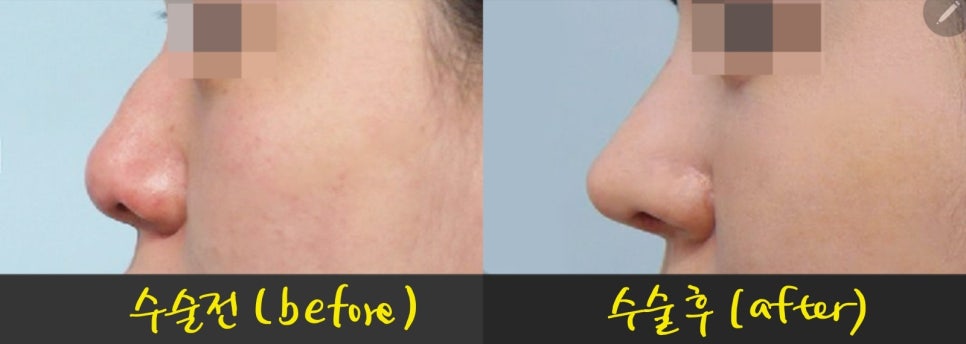
Side view comparison before and after bulbous nose correction surgery
East Asian bulbous noses most commonly have the three causes mentioned above.
Through addressing these underlying causes, it is possible to correct a bulbous nose.