If you want a structural change to your face shape, you would need to choose facial contouring surgery, but many people cannot easily choose facial contouring surgery.
First of all, the procedure is performed under general anesthesia, and the recovery period is relatively long.
In contrast, fat grafting requires about 30 minutes of surgery under sedation anesthesia, and it has the advantage of a relatively short recovery period.
'Asian Face Shape'
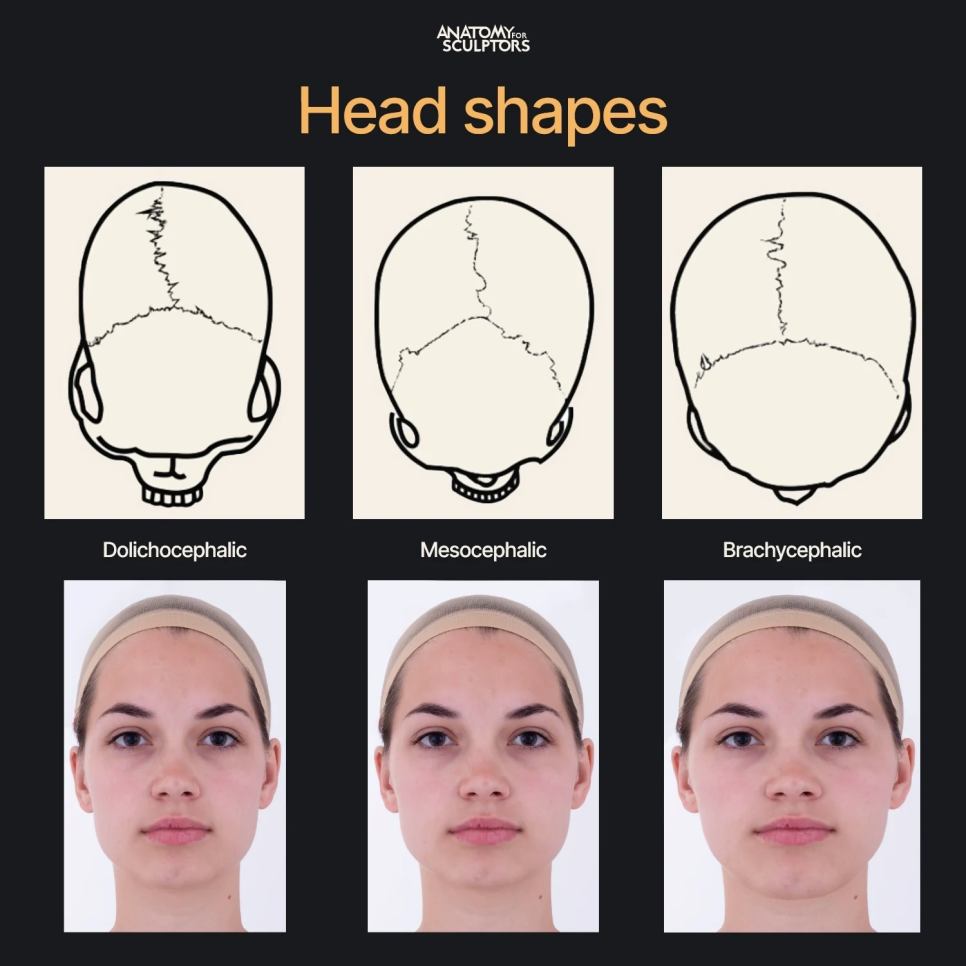
Changes in facial shape according to skull shape (Source: Anatomy and Sculptors)
Asians and Westerners have different facial shapes depending on the shape of the skull. In the case of Westerners, the skull is long from front to back, resulting in a 'dolichocephalic' face, while in the case of Asians, the skull is short from front to back, resulting in a 'brachycephalic' face.
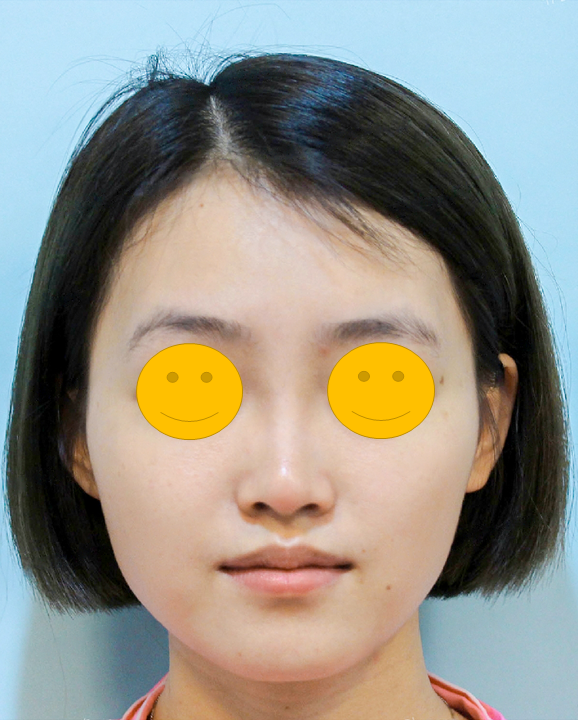
Asian brachycephalic face shape
Although Asians do not actually have large heads, the flat impression of the brachycephalic face makes the face look wide and large.
In such cases, fat grafting to appropriate areas of the face can enhance facial dimension and make a flat face look smaller.
'Facial Fat Grafting for Dimension'
For fat grafting, fat is harvested from the thigh or abdomen, and pure fat particles are collected through a special machine that can perform centrifugation before being grafted to the face.
Some of the grafted fat is absorbed, but a large portion survives and remains semi-permanent. If the volume is insufficient after the first fat grafting, a second fat grafting can make up for the 부족한 volume.
Let's take a look at how the face appears more dimensional through fat grafting.
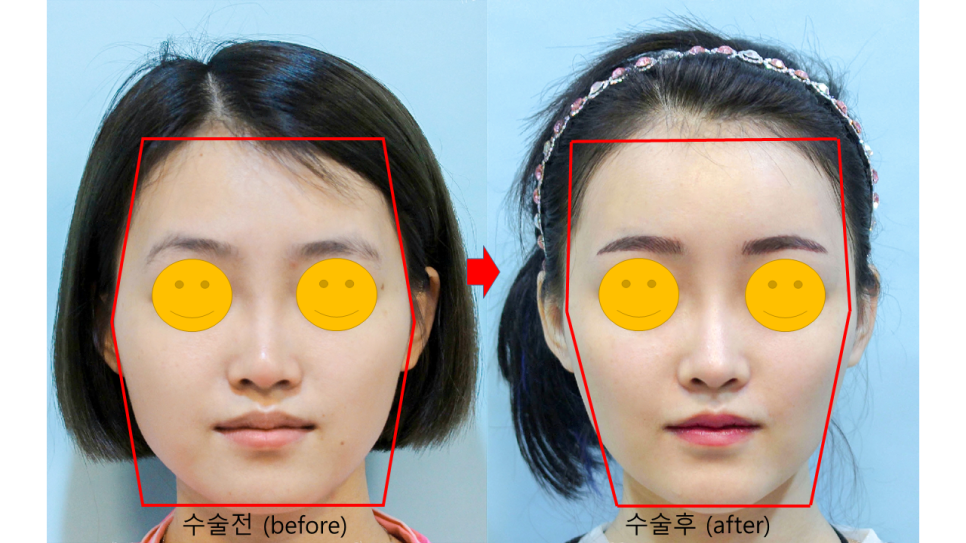
Changes in facial shape through facial fat grafting
When viewed from the front, fat grafting to the forehead and temples creates the effect of making the midface and lower face appear visually smaller.
This is a kind of relative optical illusion, and in cases with prominent cheekbones, it can also make the side line of the face look softer.
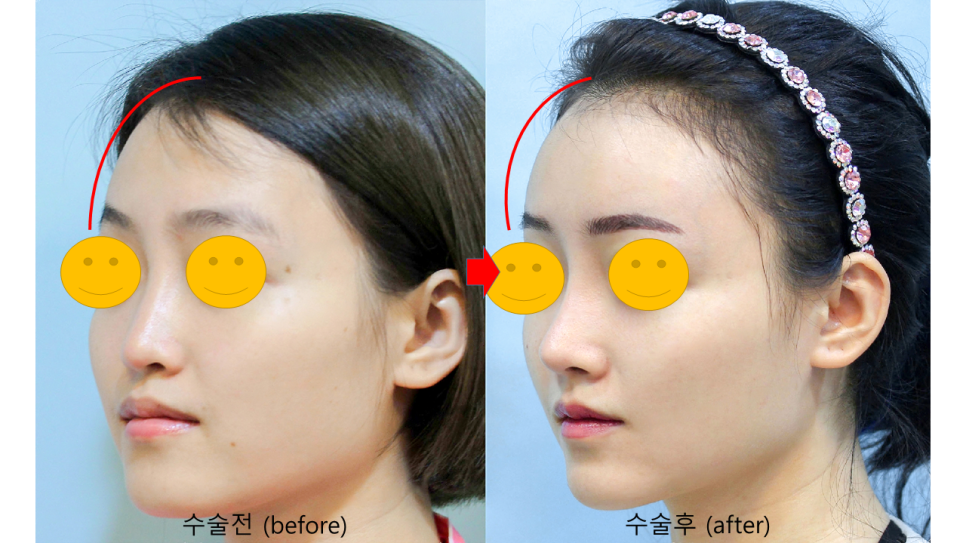
A face that appears smaller visually through facial fat grafting
If the nose is low, performing fat grafting along with rhinoplasty can add dimension to the face when viewed from the side or at a 45-degree angle, creating a more refined appearance.
And a round forehead gives a more feminine and youthful impression than a receded or flat forehead.
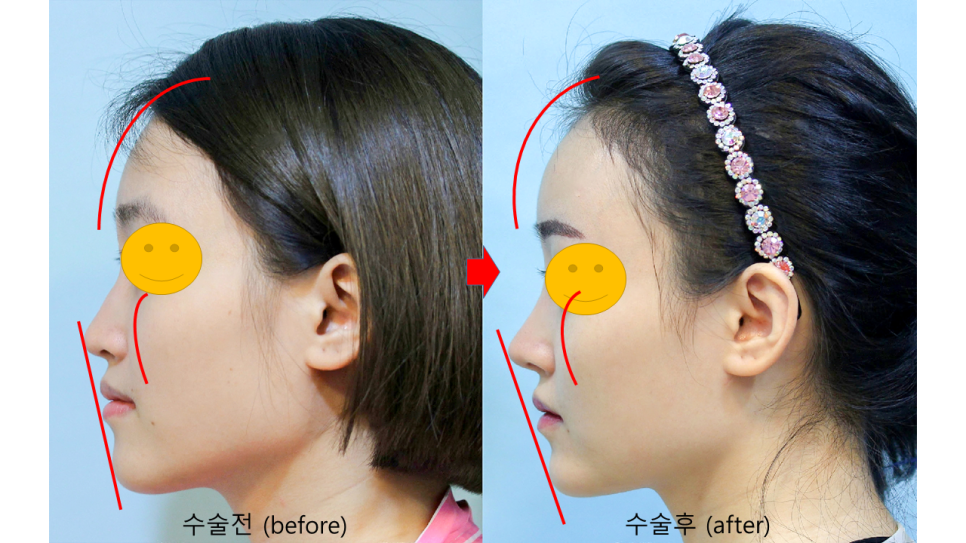
Side-view changes after fat grafting performed together with rhinoplasty
From the side, the profile that connects the forehead, nose line, and chin gives a refined feeling, and a bit of volume in the front cheekbone area can create a lively face.
The straight line connecting the nose tip and chin tip is called the Ricketts line, and the ideal side profile is achieved when the upper lip is about 4 mm behind this line and the lower lip is about 2 mm behind it.
Usually, the reason facial fat grafting is often done together with rhinoplasty is that it is advantageous for completing the aesthetic side line of the face.
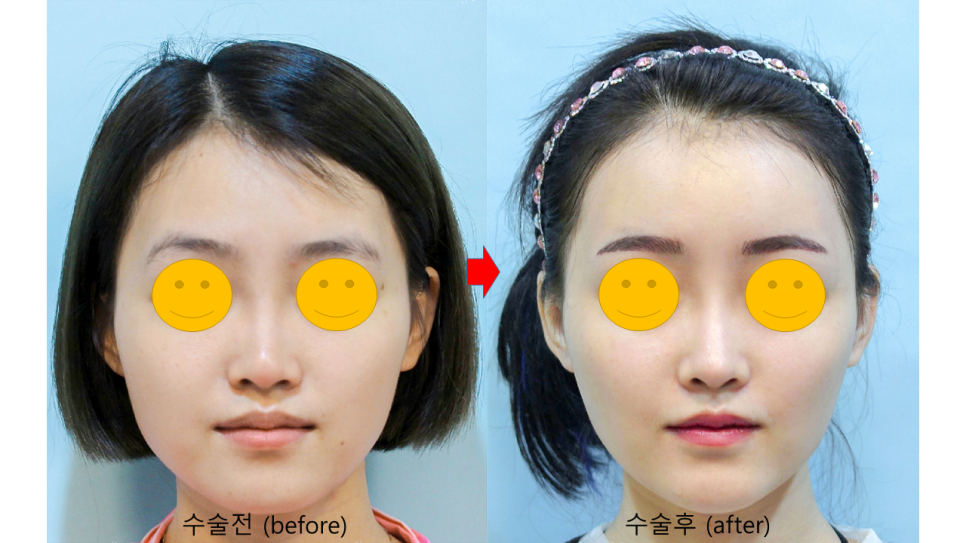
Review of facial fat grafting
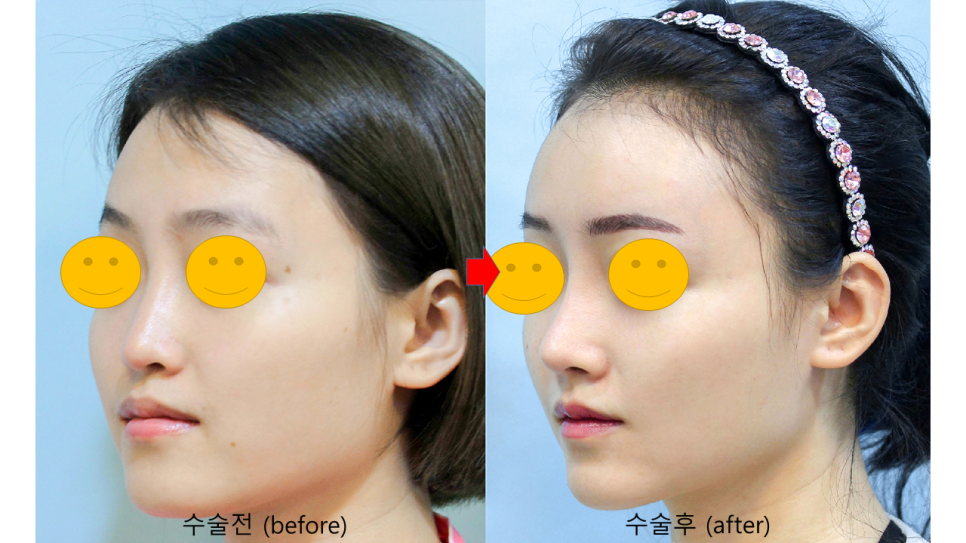
Review of full-face fat grafting
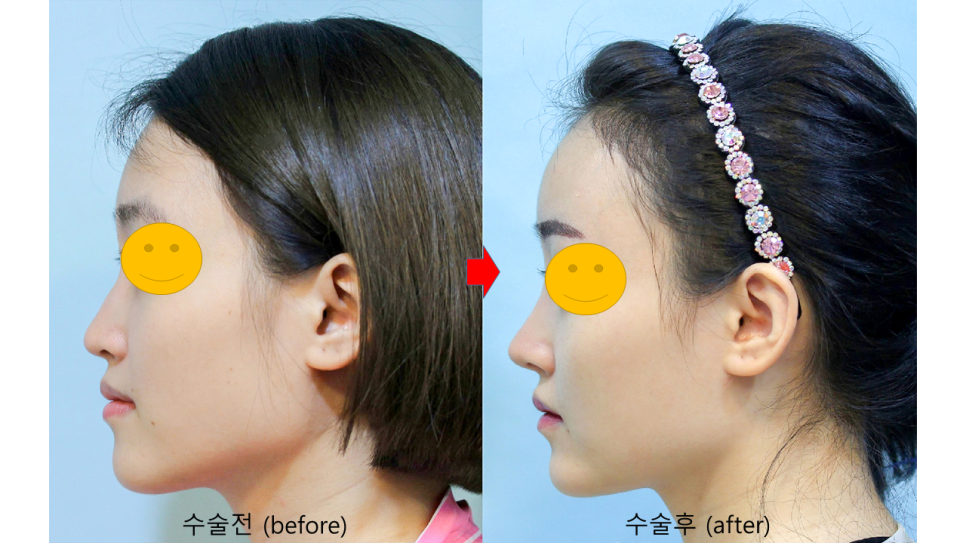
Before and after facial fat grafting
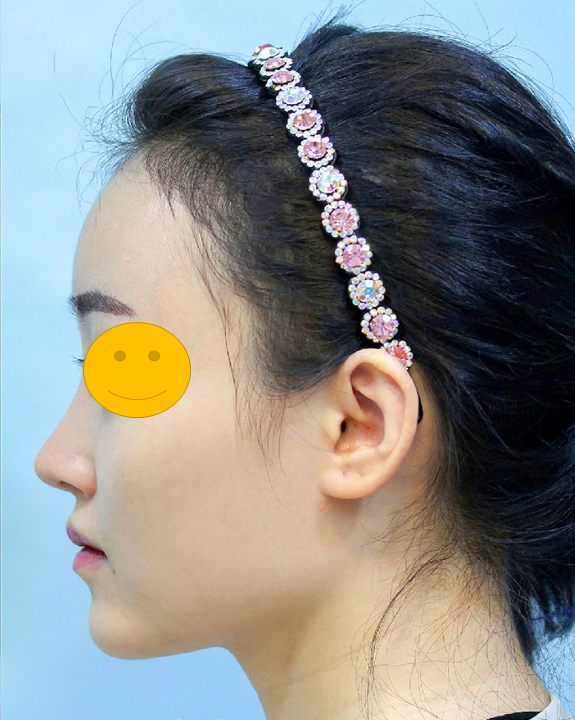
Facial fat grafting performed together with rhinoplasty