One of the procedures performed by people of various age groups, from their 20s to their 60s, at plastic surgery clinics is fat grafting.
Fat grafting is one of those staple items in plastic surgery, like a common ingredient used everywhere, and because it can produce good results when performed together with other procedures, it is one of the treatments we often recommend.
Procedures that fill in sunken areas of the face are typically fillers, collagen injections, and fat grafting, and all of these have their own advantages and disadvantages.
'Full-Face Fat Grafting'
When people usually want to fill one or two areas of the face, fillers are often recommended, but if you want to fill in sunken areas across the entire face, fat grafting has many advantages.
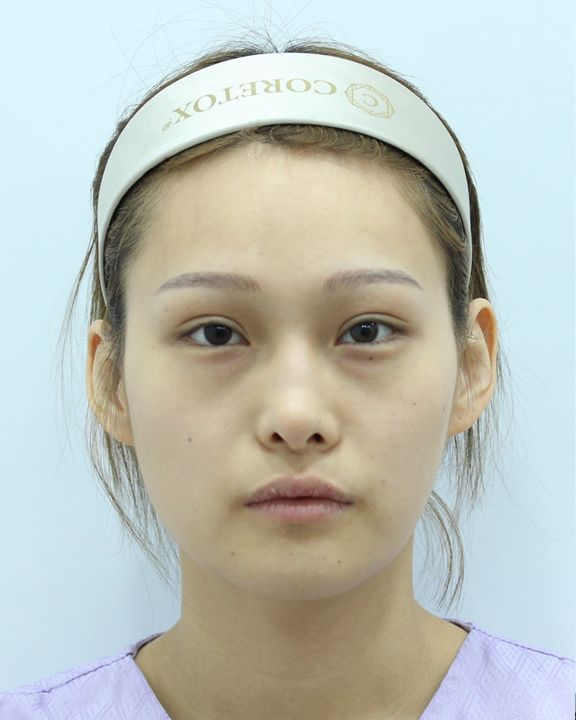 Fat grafting review for a person in their 20s. A real model with consent for disclosure.
Even if you are not particularly old, the face can appear hollow and its contours can stand out.
From the front, the temples, the area under the eyes, and the smile lines are the most common areas.
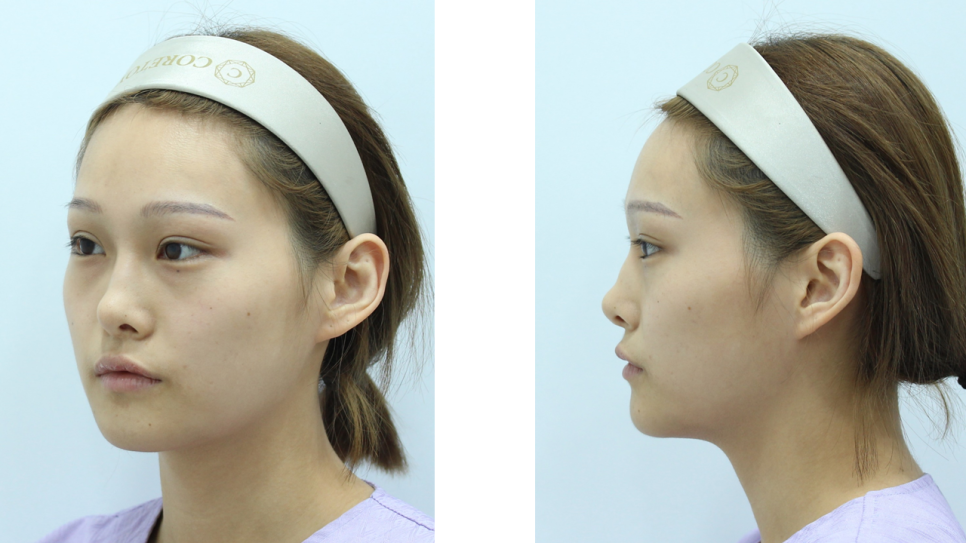 Fat grafting review for a person in their 20s. A real model with consent for disclosure.
And when viewed at a 45-degree angle and from the side, hollowing of the cheek, forehead, and temple area is more noticeable. Especially if you are considering rhinoplasty, performing fat grafting together can produce good results for a more refined side profile.
'Fat Harvesting for Fat Grafting'
To perform fat grafting, fat must first be harvested, and it is usually collected from the thighs or abdomen.
Sometimes people request fat harvesting from areas other than the thighs or abdomen, but fat from other areas has a lower fat graft survival rate and its particles are not uniform, so those are not ideal donor sites.
The harvested fat can then be separated into pure fat cells through special centrifugation.
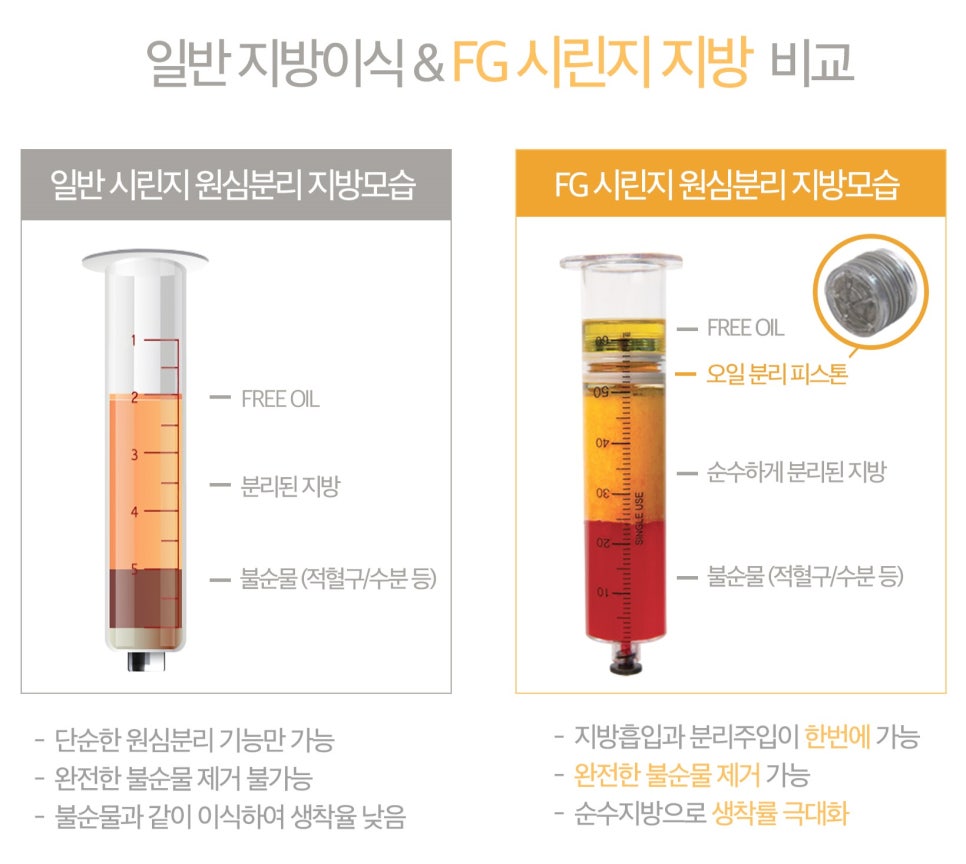 Separation of pure fat cells using FG syringe centrifugation
To collect fat cells, a fluid-containing medication is injected into the harvesting area before collection, so when centrifuged, red blood cells, fluid, medication, and similar components settle to the bottom layer.
If a regular syringe is used for centrifugation, the free oil generated when fat cells are broken down has the disadvantage of not being separated well.
However, the disposable special syringe used at Garnet Plastic Surgery has an oil-separation piston in the middle of the syringe, which helps separate pure fat cells and free oil effectively.
If there is too much free oil during fat grafting, fat survival decreases and various undesirable side effects may occur due to the oil component.
'Cannulas by Area for Fat Grafting'
The separated pure fat cells can then be delicately transplanted to various areas of the face.
To graft fat cells into the face, the thickness and length of the cannula used differ by area.
Usually, for fat grafting in larger and wider areas, a slightly longer and thicker cannula is used, while thinner and shorter cannulas are used for areas with thin and delicate skin.
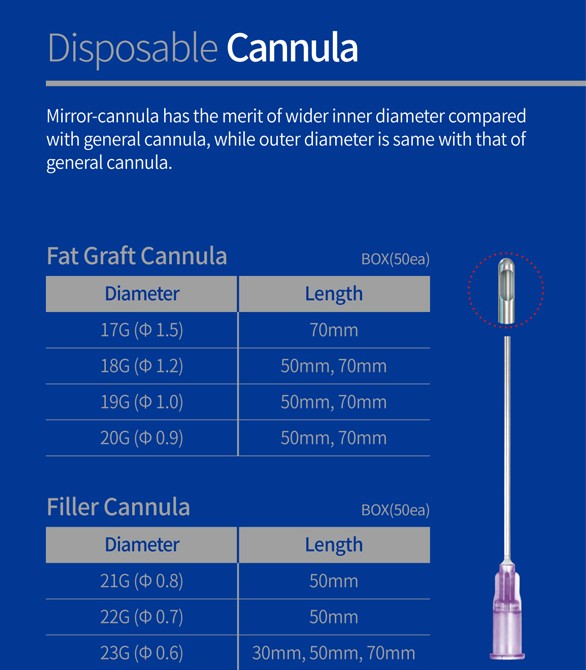 Cannulas for fat grafting with various lengths and thicknesses.
'Dissection Cannulas for Fat Grafting in Hollow Cheeks or Sunken Cheeks'
In fat grafting, cannulas of various thicknesses and lengths are used depending on the facial area, but for injecting fat into more specialized areas, a dissection cannula may also be used.
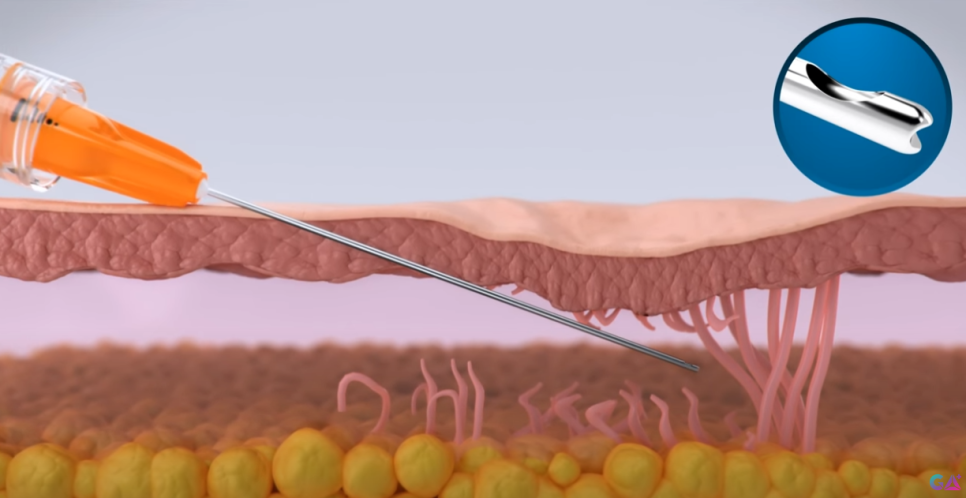 Dissection cannula used for fat grafting in hollow cheek and sunken cheek areas
Some of the areas that require fat grafting have firm subcutaneous tissue.
Unlike other areas of the face, the area under the cheekbone or the outer cheek often has a firm bio-bond or retaining ligament attached, so the effect of fat grafting is often reduced.
For fat grafting in these areas, the firmly attached bio-bond or retaining ligament must be dissected to create space. At that time, a special cannula for dissection is used to make the space for fat grafting in advance.
Once an appropriate space has been created using a special dissection cannula, fat grafting can be performed, allowing the fat to be placed much more accurately in the intended area.
'Micro Fat Filter for Micro Fat Grafting'
For delicate fat grafting in areas of the face where the skin is thin, thinner and more uniform fat cells are needed.
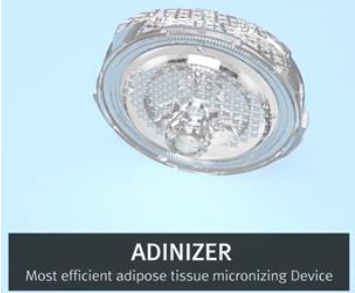 Fat filter for micro fat grafting
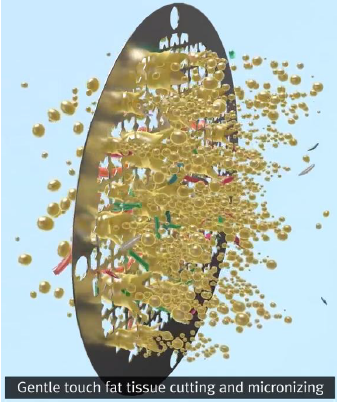 Microfat filter. Nanofat filter
Fat grafting in thin-skinned areas such as the upper eyelids, under-eye area, and aegyo-sal requires delicate technique, and in particular, it is better to use fat cells with finer particles for the graft.
The micro fat filter used here filters out larger fat particles, allowing thinner, more uniform microfat particles to be obtained.
In addition, among the various cannulas mentioned earlier, the thinnest cannula should be used to carefully graft small amounts of fat so that the fat cells do not clump together or become palpable.
'Before-and-After Fat Grafting for the Face in Your 20s'
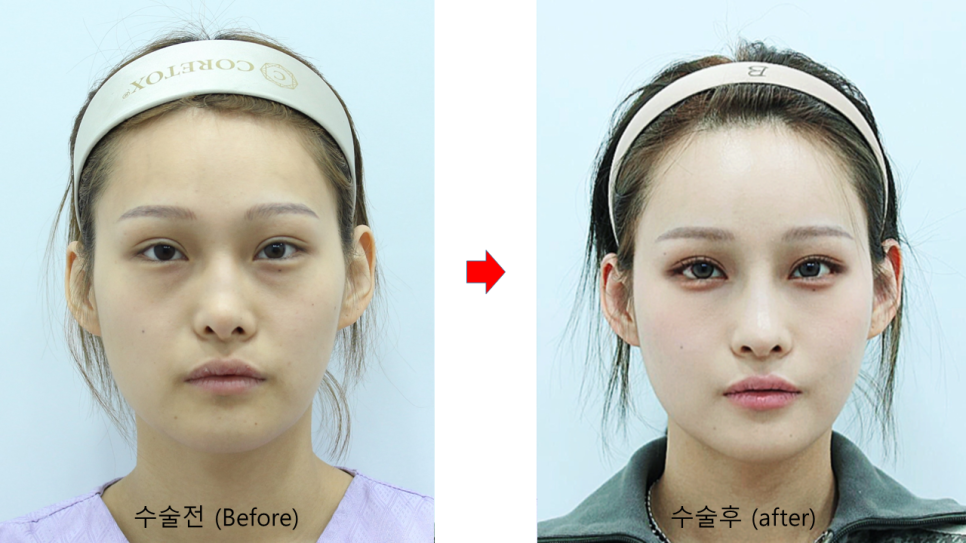 Fat grafting review. A real model with consent for disclosure.
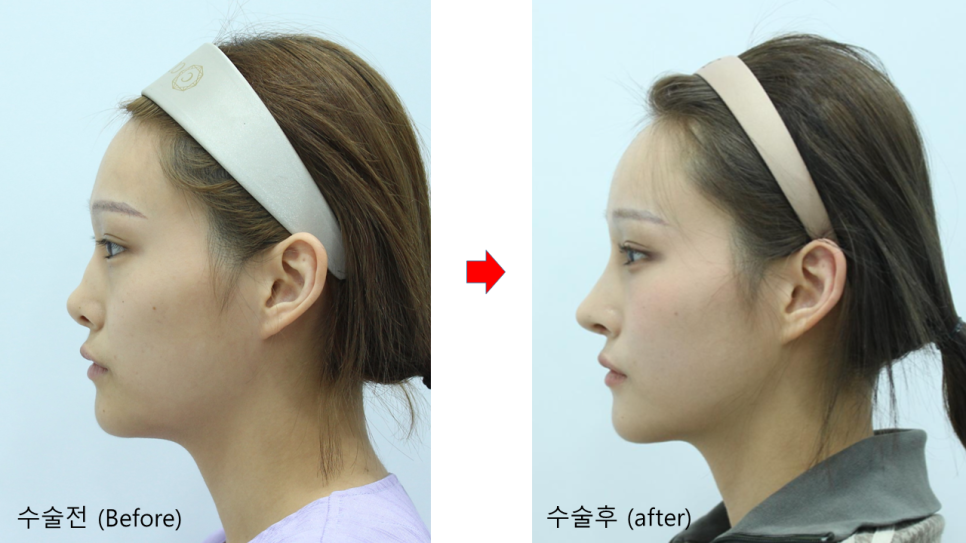 Fat grafting review. A real model with consent for disclosure.
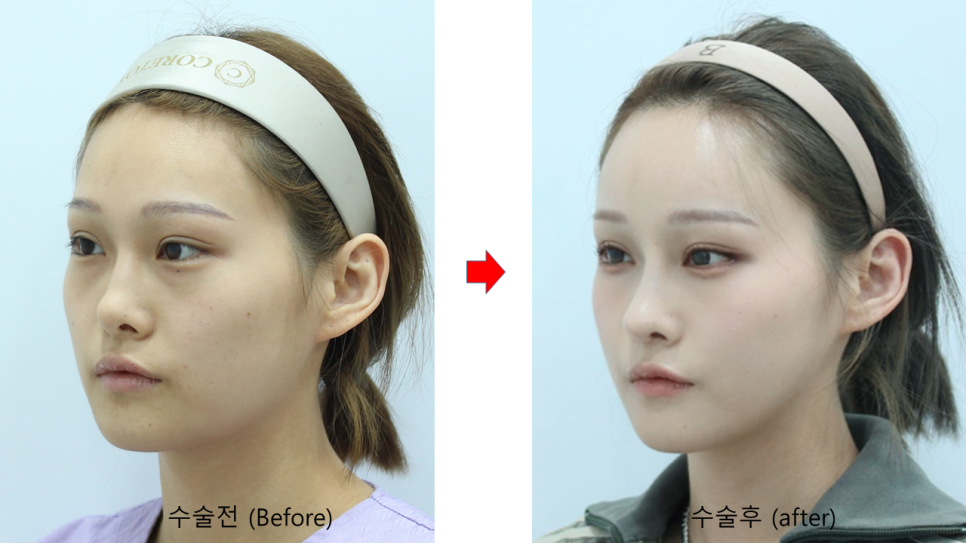 Fat grafting review. A real model with consent for disclosure.
To perform fat grafting on one person's face, a complex and detailed process is required.
A special centrifuge should be used to obtain pure fat cells free of free oil, and it is better to perform fat grafting using cannulas of different lengths and thicknesses depending on the area.
In addition, for hollow outer cheeks and sunken cheek areas, a dissection cannula should be used additionally to create the proper base space so that fat can be grafted into the correct area.
And around the eyes and aegyo-sal, a micro fat filter should be used to graft the finest-particle fat cells in order to achieve a natural result.
Because the face always has a variety of expressions, the most important thing is to perform fat grafting at a level that looks natural even when making facial expressions.
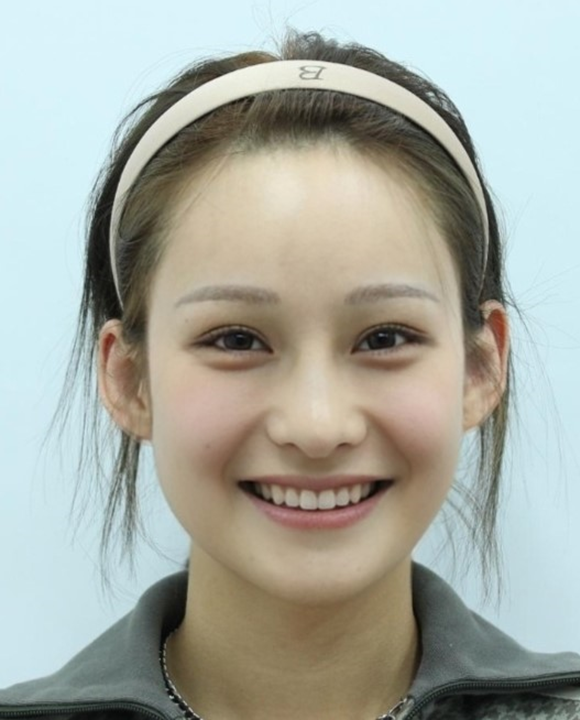 Expressions that can be achieved through natural fat grafting. Fat grafting review in the 20s