Among anti-aging procedures, thread lifting may seem relatively simple, but in reality, effective and safe results can only be expected when the facial anatomical structure is understood and approached properly.
In particular, the effectiveness, longevity, and natural appearance of lifting can vary greatly depending on which layer the lifting threads are placed in, how they are positioned, and where the fixation points are.
'Classification of the SMAS Layer in Facial Lifting'
The SMAS layer is an abbreviation for Superficial MusculoAponeurotic System, and it is a connective tissue layer located above the facial expression muscles and below the fat layer.
Just as dissection of the SMAS layer is important in facelift surgery, the use of the SMAS layer is also important in thread lifting.
The SMAS layer can be broadly divided into two parts.
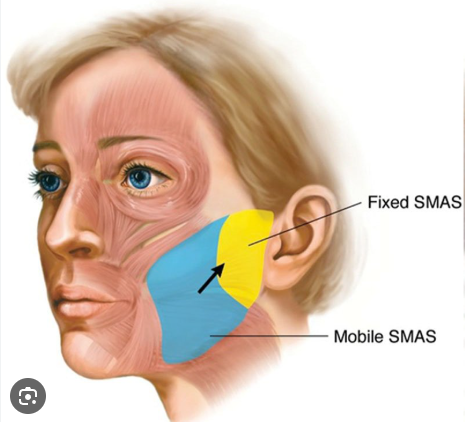
Two types of SMAS in the face. Fixed SMAS. Mobile SMAS
-
Mobile SMAS: Located in areas with active movement, such as the lower face (cheeks, jawline, etc.).
-
Fixed SMAS: Areas that remain fixed without movement, such as the cheekbone and temple region.
This structure is also very important in thread lifting.
'Thread Lifting Using the Face’s Glide Plane'
The soft tissue of the face has multiple layers and spaces.
As the face moves, the skin and soft tissue slide between certain layers.
This interface between layers is called the glide plane, and using this space in facelift surgery also has many advantages.
-
Less tissue resistance, reducing pain and side effects
-
Natural pulling that matches movement during lifting
-
Relatively quick recovery possible even immediately after the procedure
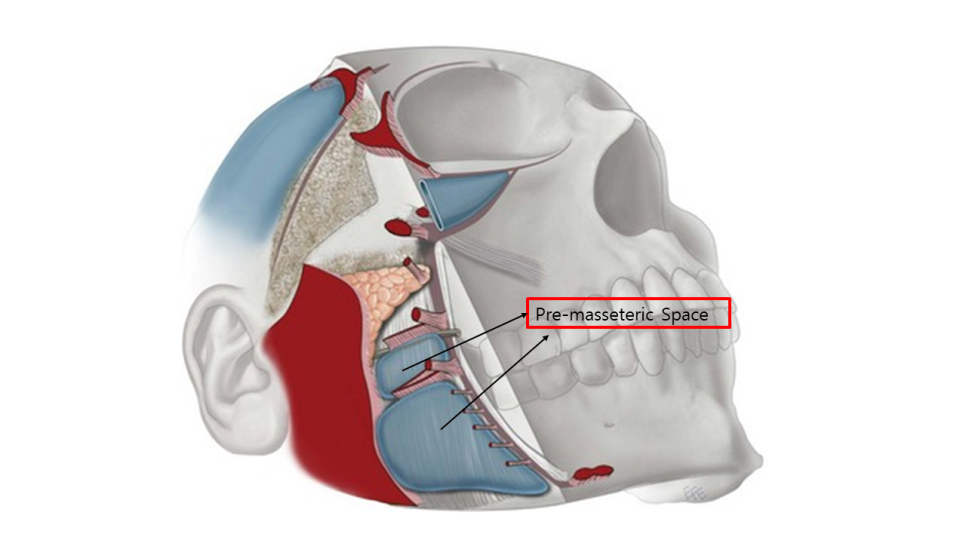
Spaces used during SMAS dissection in facelift surgery. Spaces used in facial lifting. pre-masseteric spaces
The method I perform follows these principles:
-
Thread insertion location: SMAS layer or glide plane path
-
Thread fixation location: Fixed SMAS (fixed areas on the side of the face, such as the temple region, which do not move)
-
Direction of the thread: Induce lifting force toward the lower face where the Mobile SMAS is located
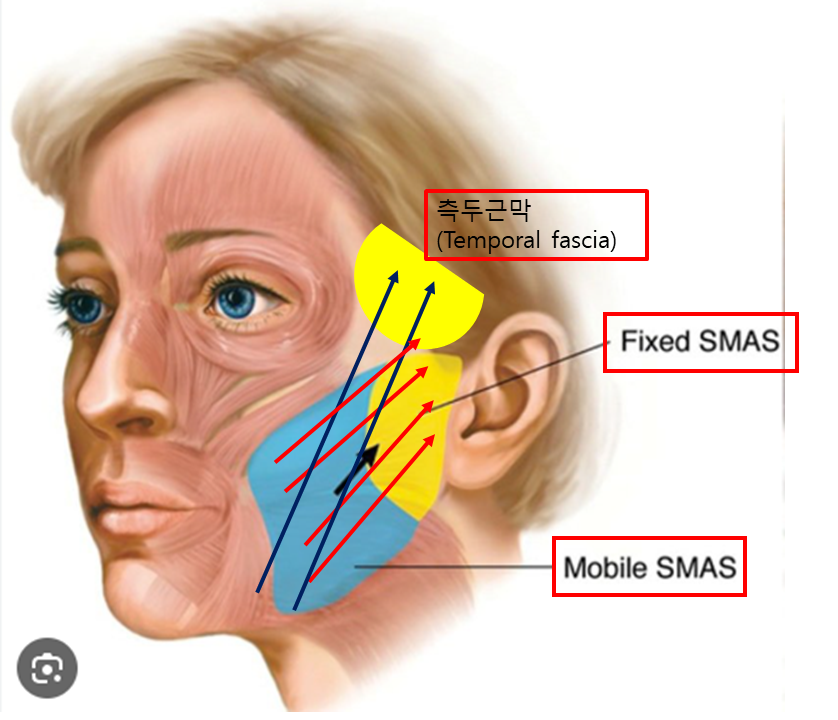
Fix-point thread lifting procedure. Temporal fascia fixation.
With this approach to thread lifting, the area being pulled can move flexibly, while the fixed area is firmly supported.
'Before and After Fix-point Thread Lifting Procedure'
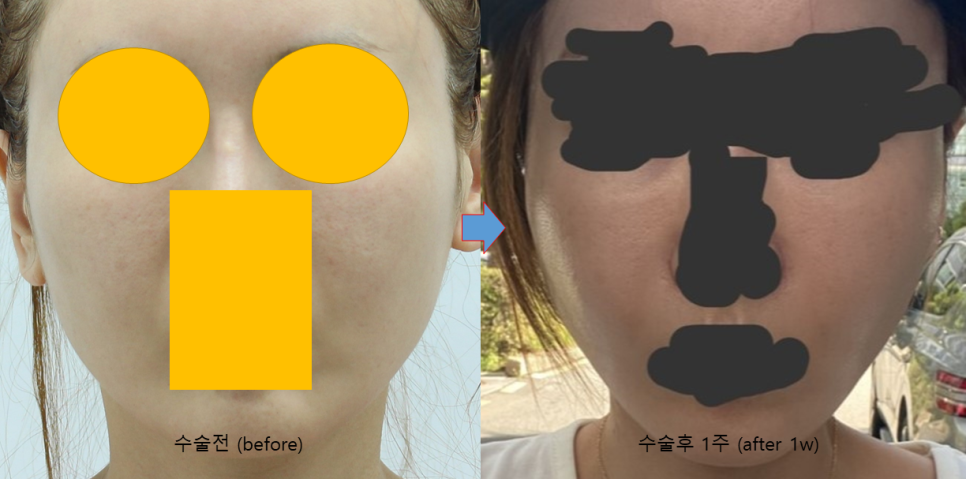
Before and after Fix-point thread lifting. Before and after thread lifting. This is a partial model with consent for disclosure.
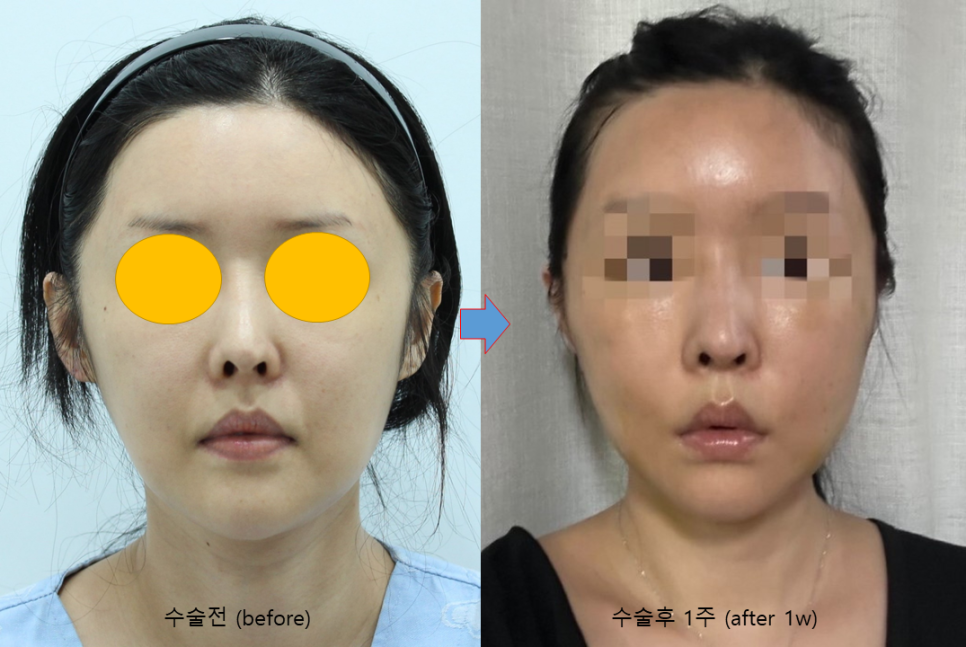
Thread lifting review. Before and after thread lifting. This is a partial model with consent for disclosure.
Based on the important anatomical structures in facelift surgery, performing thread lifting using the SMAS layer and the face’s glide plane can provide more long-lasting and natural results.

This is a real model with consent for disclosure. Thread lifting procedure review.