A facelift is a representative anti-aging surgery that improves a sagging face caused by aging.
�
There are various facelift surgical methods, but recently the Deep Plane technique and the Dual Plane technique have been receiving attention.
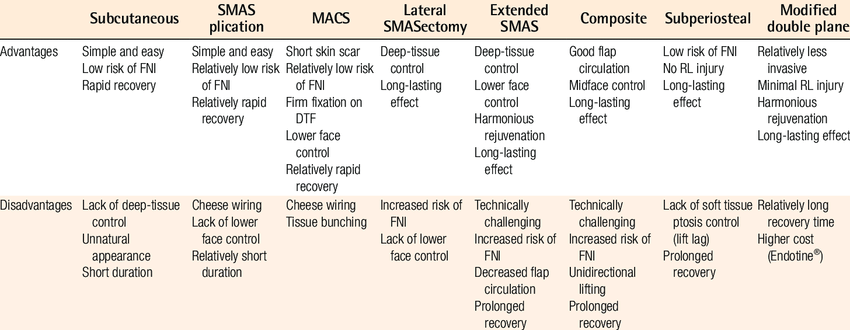
Various facelift surgical methods.
�
In the past, methods that handled the SMAS layer in a relatively simple way were often used as easier surgical techniques.
�
Methods such as SMAS plication, which folds the SMAS layer with sutures, or Lateral SMASectomy, which partially removes the SMAS layer, were also widely used.
�
These methods are meaningful in that they also address the SMAS layer, but because sufficient dissection of the retaining ligaments is not performed, there are limitations to the long-term lifting effect.
�
For this reason, their use has been gradually declining in recent years.
�
- The key to a mini facelift: limited dissection, maximum effect -
�
A mini facelift is a surgery that aims for a short recovery period and a natural improvement effect while minimizing the incision range.
�
However, because the incision is limited, it may be difficult to achieve sufficient lifting effect with simple skin tightening or by handling the SMAS layer in a limited way.
�
Therefore, in a mini facelift,
👉 A precise technique that can produce the maximum effect with a small treatment area is important.
At this point, the value of the Deep Plane technique becomes even more prominent.
�
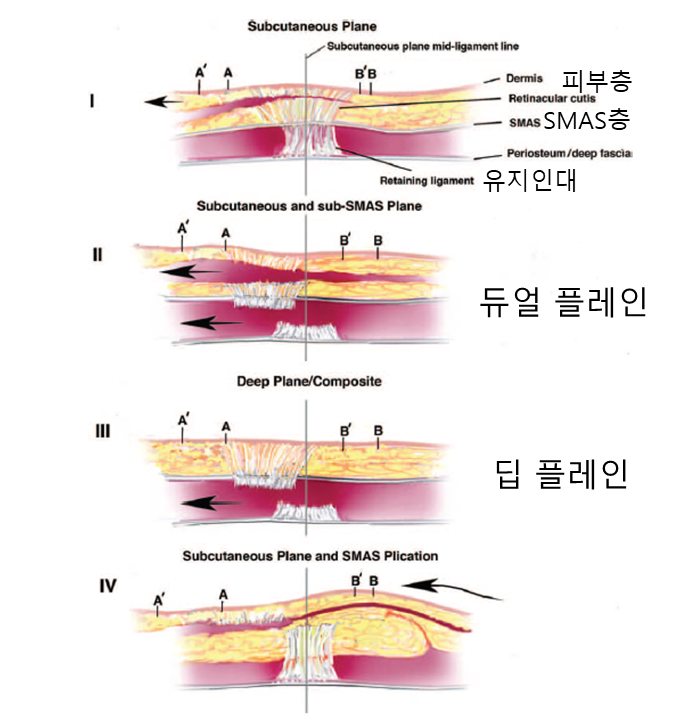
Schematic diagram of facelift surgical methods. Dual plane facelift. Deep plane facelift. SMAS layer. SMAS layer.
�
�
- Advantages of a Deep Plane mini facelift -
�
- Short incision, powerful lifting effect
Although a mini facelift has a limited incision, applying the deep plane technique allows sufficient dissection and movement in the layer below the SMAS, so a much stronger and more natural lifting effect can be expected compared with simple skin tightening.
�
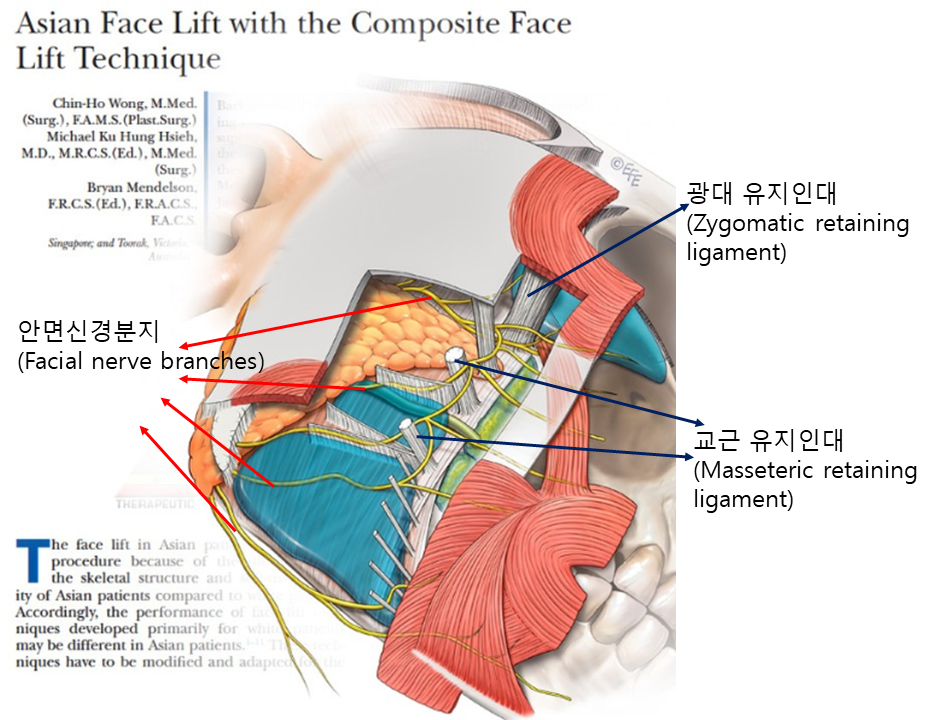
- Fundamental improvement through dissection of the retaining ligaments
The deep plane method also releases the retaining ligaments that hold the face in place,
allowing the tissue to move naturally back to where it should originally be.
�
As a result,
✔ nasolabial folds
✔ sagging around the mouth
✔ facial contour
can all improve overall,
and long-term maintenance is also excellent.
�
�
- Minimal subcutaneous dissection � Faster recovery
A deep plane mini facelift reduces unnecessary subcutaneous dissection, and the surgery is performed mainly in the layer below the SMAS.
�
As a result,
✔ reduced bleeding
✔ reduced need for insertion of a drain
✔ reduced swelling and bruising
follow,
and the recovery period is relatively short.
�
- A mini facelift, but with effects closer to a facelift
A deep plane mini facelift is not simply a "light lifting" procedure,
but uses an almost identical anatomical approach to a facelift.
✔ Dissection below the SMAS
✔ Dissection of the retaining ligaments
✔ Deep layer lifting
Because it includes these elements, it can be considered a surgery with a small incision but a large effect.
�
- Before and after a deep plane mini facelift (deep mini facelift) -
�
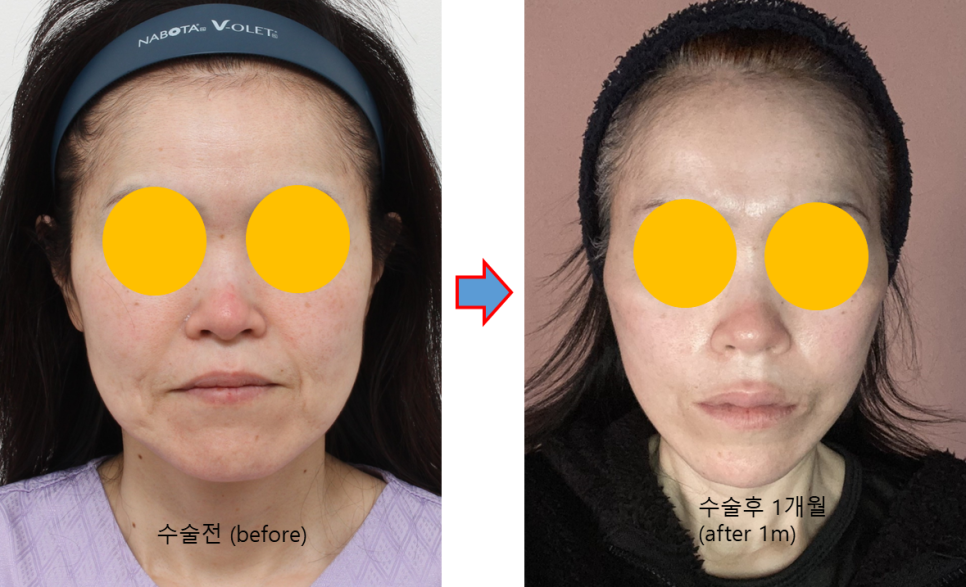
Before and after deep mini facelift. Reviews of deep mini facelift. Before and after mini facelift. Reviews of mini facelift. This is a partial model with consent for disclosure.
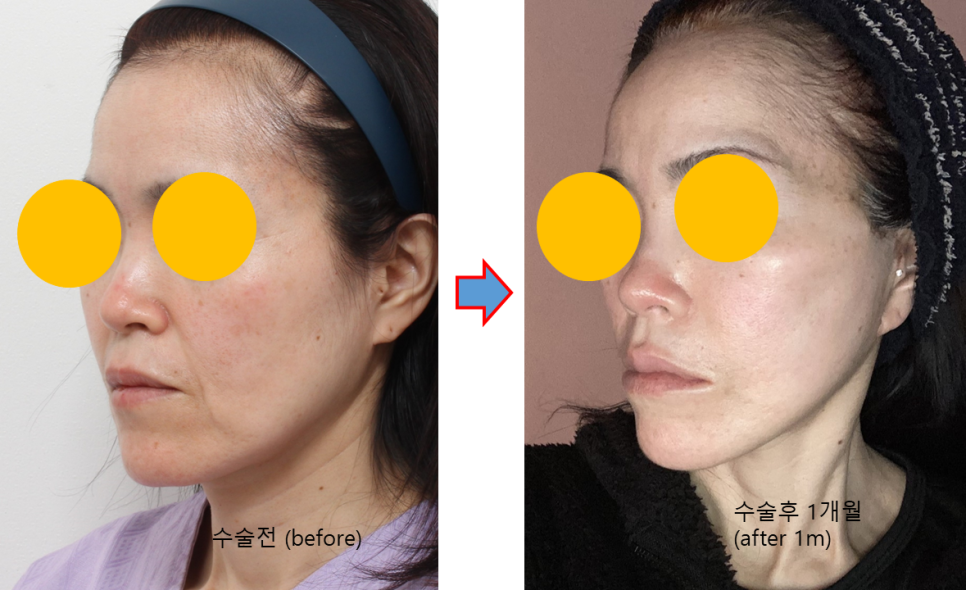
Mini facelift in the 40s. Mini facelift in the 50s. Mini facelift effect. Deep mini facelift effect. This is a partial model with consent for disclosure.
�
A mini facelift is not simply a "small surgery"; it is a surgery in which efficiency matters.
When the deep plane technique is applied,
�
✔ even with a limited incision
✔ accurate access to the deep layers
✔ strong and natural lifting effect can be achieved.
�
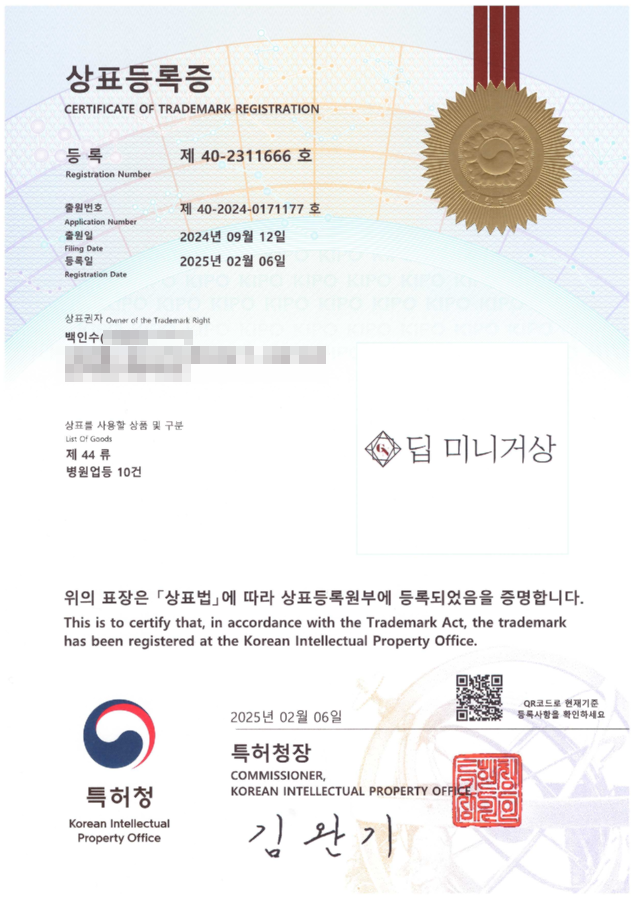
Deep mini facelift patent office trademark registration. Deep mini facelift. Deep plane mini facelift.
�
Applying the deep plane method even in a mini facelift is becoming a key factor in increasing patient satisfaction.
�
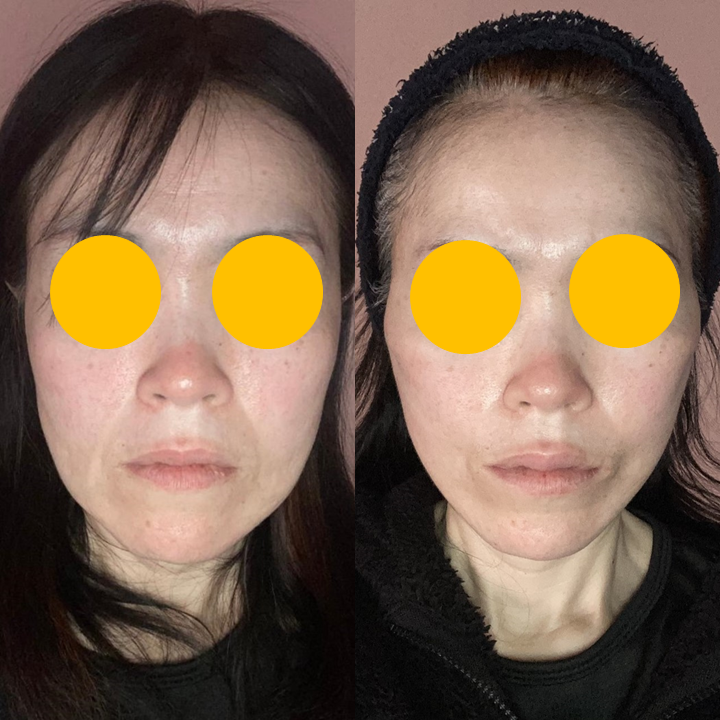
Reviews of mini facelift. Before and after mini facelift. Mini facelift recovery period. This is a partial model with consent for disclosure.