Among male patients, many are concerned about the so-called “bulbous nose,” where the nasal tip looks blunt and wide.
�a0
Because the nose plays a major role in the overall impression of the face, a bulbous nose can create an image that looks dull or heavy.
�a0
The causes of a bulbous nose can be broadly divided into two categories.
�a0
First, the skin and soft tissue at the nasal tip may be thick; second, the cartilage that forms the nasal tip may be large.
�a0
In the case of East Asians, it is usually not because the cartilage itself is large, but because the nasal tip skin is thick and there is a lot of soft tissue.
�a0
Therefore, in many cases, it is difficult to achieve satisfactory results by simply adjusting the size and shape of the cartilage.
�a0
- The key to bulbous nose surgery: creating a light, defined nasal tip -
�a0
The key to correcting a bulbous nose is to make the heavy nasal tip appear lighter.
�a0
To do this, part of the soft tissue at the nasal tip is reduced, and the most important thing in this process is to remove only within a safe range without overdoing it.
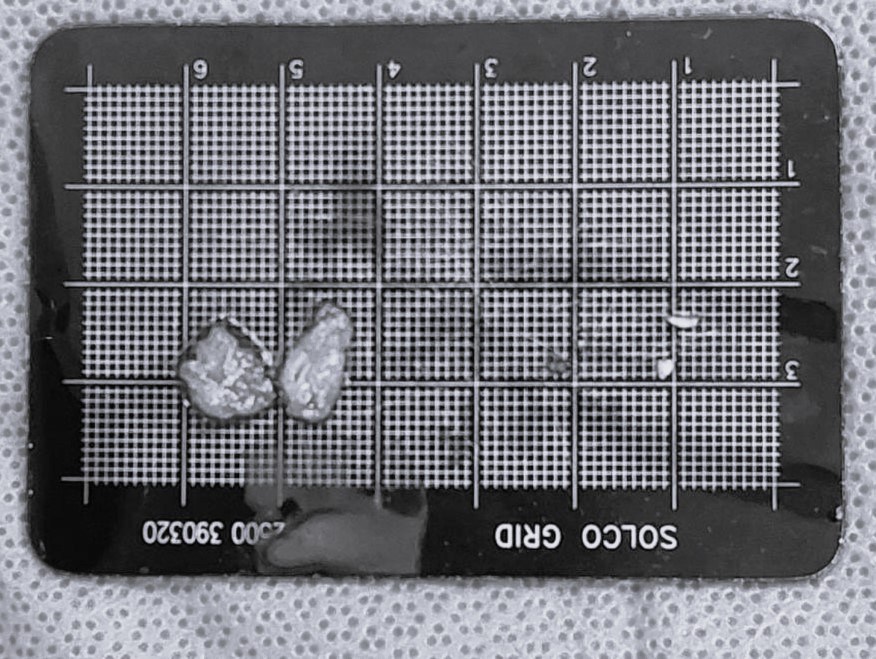
Removal of soft tissue in bulbous nose surgery. Subcutaneous tissue removed during bulbous nose surgery.
�a0
If too much is removed, it can lead to skin damage or blood flow problems, so experience and anatomical understanding are very important.
�a0
In addition, a supporting structure using the septal cartilage is created to keep the nasal tip shape stable.
�a0
This support plays an important role by properly projecting the nasal tip forward and helping prevent the shape from collapsing over time.
�a0
- Improving a low nasal bridge together is effective -
�a0
Among patients with a bulbous nose, there are also many cases with a low nasal bridge.
�a0
In such cases, correcting only the nasal tip can make the proportions look awkward, so
�a0
- if the nasal bridge is low, it is important to raise it appropriately with a silicone implant
- and balance the nasal tip and nasal bridge.
�a0
This overall harmony is the key to creating a natural and refined result.
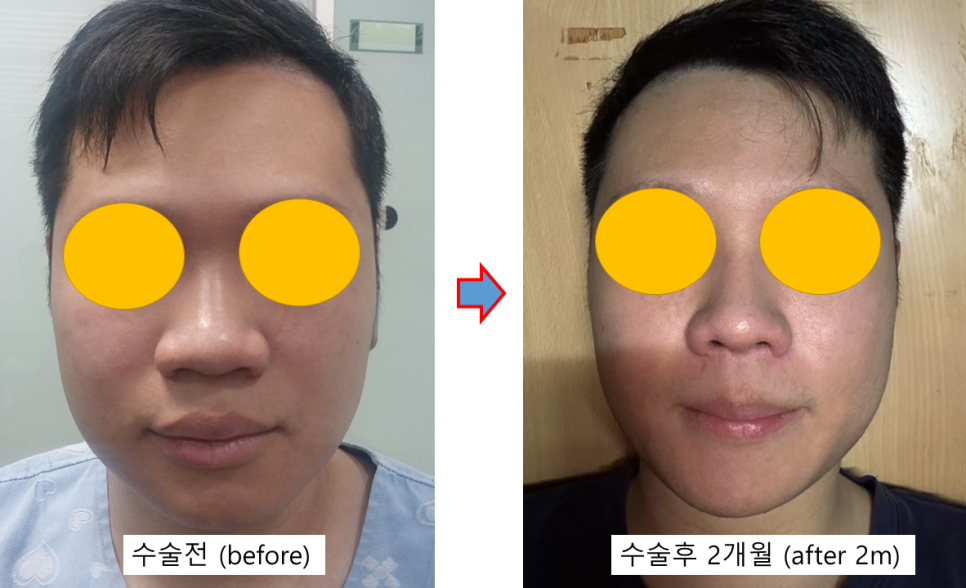
Before and after bulbous nose surgery. Review of bulbous nose surgery. Before and after male nose surgery. Review of male nose surgery. This is a partial model with consent for release.
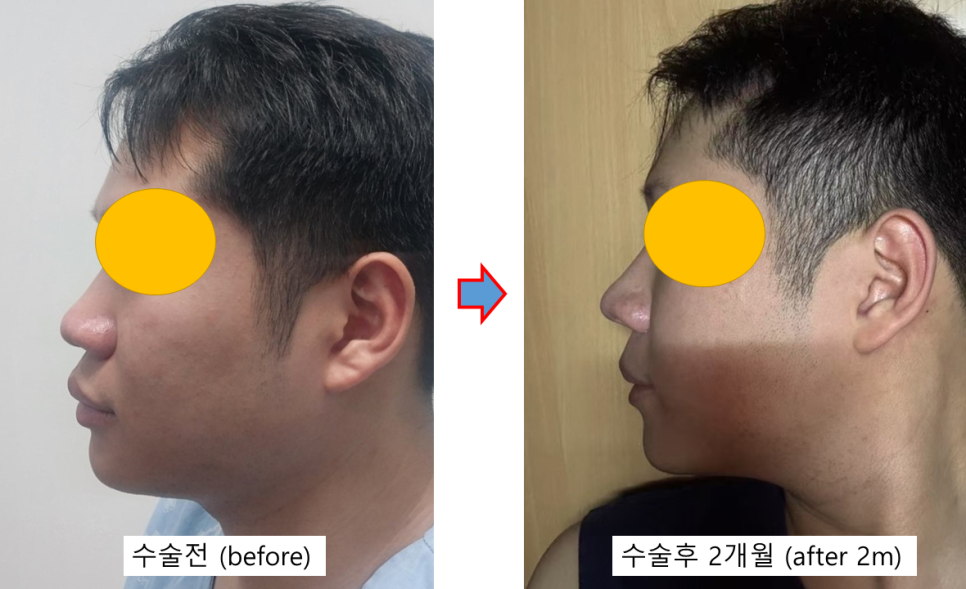
Before and after male nose surgery. Before and after male nasal tip surgery. Review of nose surgery. Before and after nose surgery. This is a partial model with consent for release.
�a0
- Why it is good to consider nostril narrowing together -
�a0
In a bulbous nose, the nostrils are often wide as well as the nasal tip.
�a0
In such cases, performing nostril narrowing at the same time can reduce the overall width of the nose and create a much more defined and tidy impression.
�a0
In particular, because the change from the front becomes more noticeable, satisfaction is often high.
�a0
�a0
After surgery, the scar at the incision site gradually improves and becomes more natural over time.
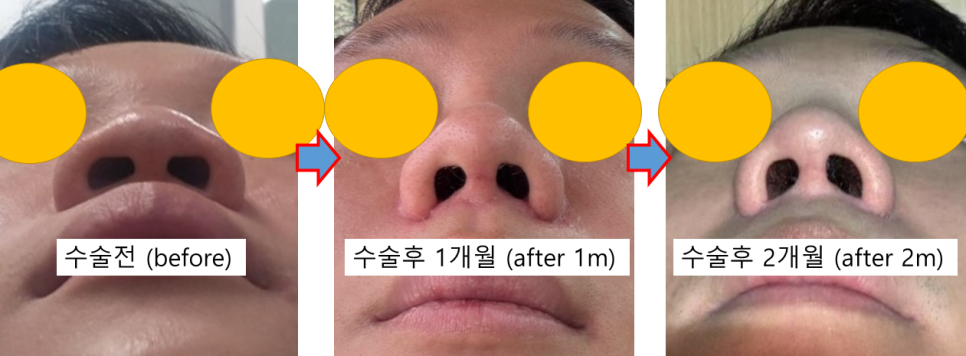
Nose surgery incision. Nose surgery incision scar. Recovery of nose surgery scar. Recovery process after nose surgery. This is a partial model with consent for release.
�a0
- Up to about one month, there may be redness and the tissue may feel firm
- After that, the adhesions gradually loosen and the area softens
- The redness also gradually fades, and recovery progresses to a natural state
�a0
Although there are individual differences, in most cases it improves to a level that is not noticeable as the scar maturation process passes.
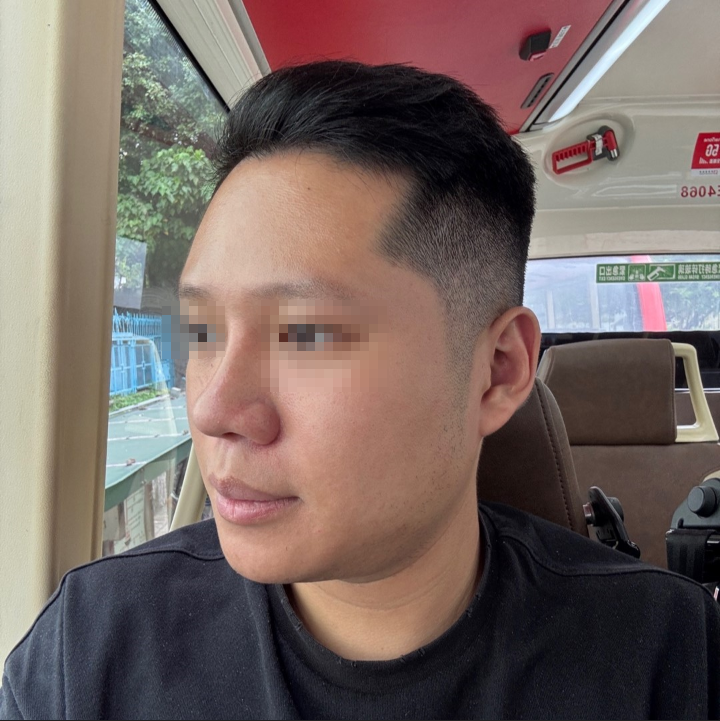
Review of nose surgery. Review of male nose surgery. This is a partial model with consent for release.
�a0
Male bulbous nose surgery is not simply an operation to reduce the nose,
but a procedure that appropriately trims thick tissue and creates structural support to achieve overall balance.
It is important to create a clear change without going too far, and for this, a delicate approach tailored to each person’s nasal structure is necessary.