Recently, Lee Young-ji's under-eye area has been attracting attention after appearing noticeably brighter, leading to a significant increase in interest in lower eyelid fat repositioning.
In particular, as the term “under-eye procedure” has been used in several articles,
there have also been many inquiries asking, “Is lower eyelid fat repositioning a procedure or surgery?”

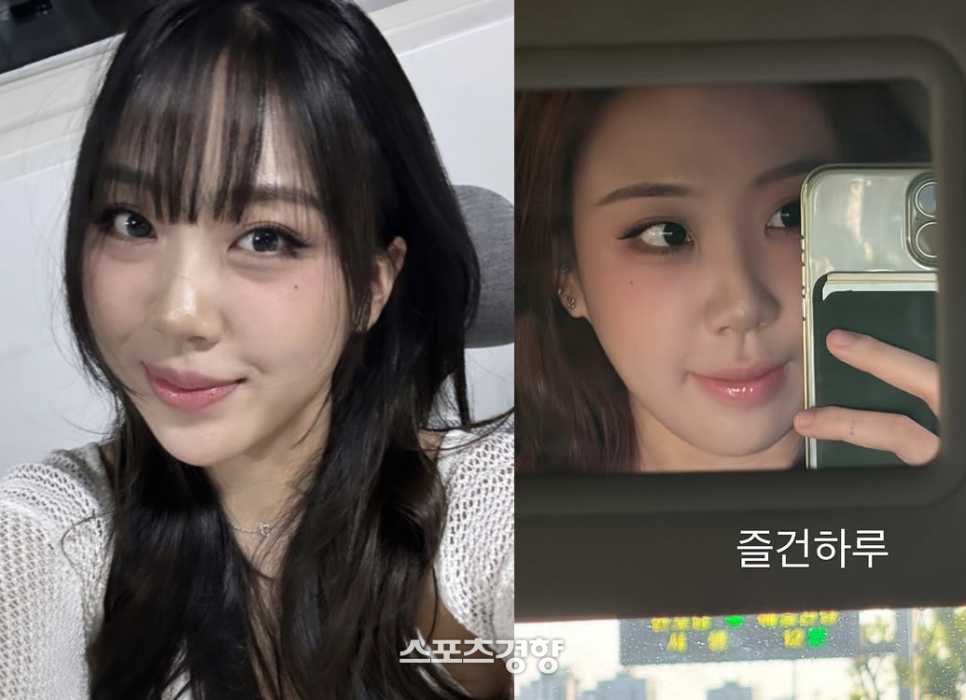
Lee Young-ji under-eye procedure. Lee Young-ji lower eyelid fat repositioning. Lee Young-ji under-eye fat. Lee Young-ji cosmetic surgery. Lee Young-ji procedure. Source: media reports.
Of course, although Lee Young-ji is known to have undergone lower eyelid fat repositioning, the specific treatment she received has not been disclosed,
and it is not possible to determine a specific procedure or surgery based solely on the wording used in articles.
However, this can be an opportunity to gain a more accurate understanding of what lower eyelid fat repositioning involves.
- Lower eyelid fat repositioning is surgery, not a “procedure.” -
To begin with the conclusion, lower eyelid fat repositioning is unequivocally a surgical procedure.
However, because it is performed through the conjunctiva on the inside of the eyelid without making an incision in the skin, it does not leave an external scar.
Because of this characteristic, many people think of it as more like a procedure.
In reality, though, the surgical process is much more delicate than it may seem.
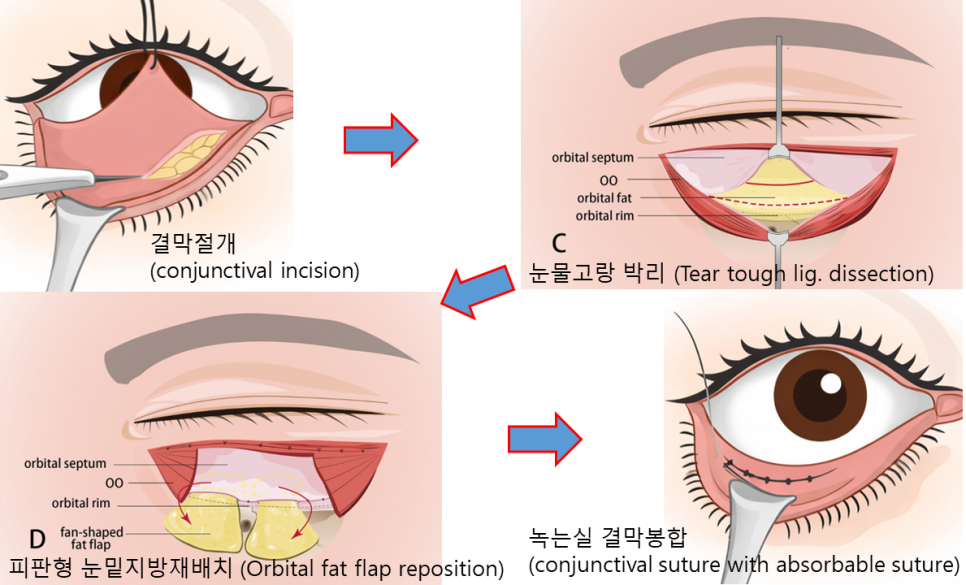
Lower eyelid fat repositioning surgical method. Under-eye surgery method. Lower eyelid fat repositioning surgery. Transconjunctival lower eyelid fat repositioning.
Rather than simply removing protruding fat or shrinking it with a laser or radiofrequency,
the retaining ligaments must be appropriately released with a thorough understanding of the anatomy of the lower eyelid,
and the lower eyelid fat compartments must be spread toward the tear trough and naturally repositioned.
The fat must also be secured so that it can settle stably beneath the tear trough in the form of a pedicled fat flap,
making experience and skill especially important in this surgery.
In other words, a small incision does not mean that it is a simple procedure.
It is more accurate to understand it as a precise surgery that improves the structure of the lower eyelid.
- So why does it feel like a procedure to many people? -
Interestingly, patients who undergo the surgery often say that it “felt more like a procedure than expected.”
The reason lies in the recovery process.
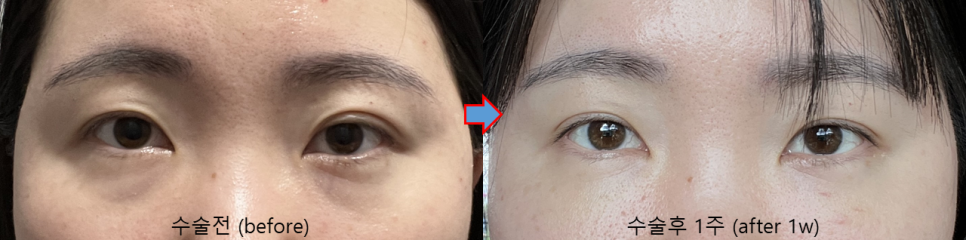
Lower eyelid fat repositioning recovery. Bruising after lower eyelid fat repositioning. Swelling after lower eyelid fat repositioning. Under-eye swelling. Under-eye bruising. Lower eyelid fat repositioning reviews. Before and after lower eyelid fat repositioning. Partial model whose publication consent was provided.
Because lower eyelid fat repositioning is performed through the conjunctiva, there is no skin incision and relatively little tissue damage.
As a result, the surgery is generally not lengthy, and swelling and bruising are often less severe than expected.
In fact, about one week after surgery, bruising and swelling are often barely noticeable,
so many patients can return to daily activities without significant inconvenience.
Because recovery is this quick, patients may feel that
“it was more like having a procedure than undergoing surgery.”
- The biggest difference from a procedure is how long the results last. -
In general, cosmetic procedures often require repeated maintenance.
This is because their effects commonly last from several months to one or two years.
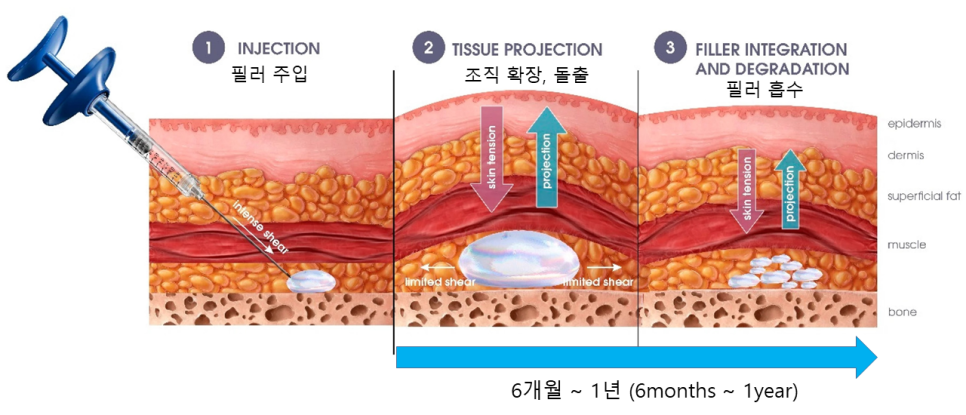
Filler duration. Filler absorption. Filler migration. Filler spreading. Duration of cosmetic procedures. Duration of aesthetic treatments.
In contrast, lower eyelid fat repositioning is surgery that improves the underlying structure of the lower eyelid.
Rather than removing protruding fat, it repositions the fat to an appropriate location,
improving both the bulging area under the eyes and the hollow tear trough at the same time.
Therefore, when the surgery is performed correctly and the lower eyelid structure settles stably, the results can last for a very long time.
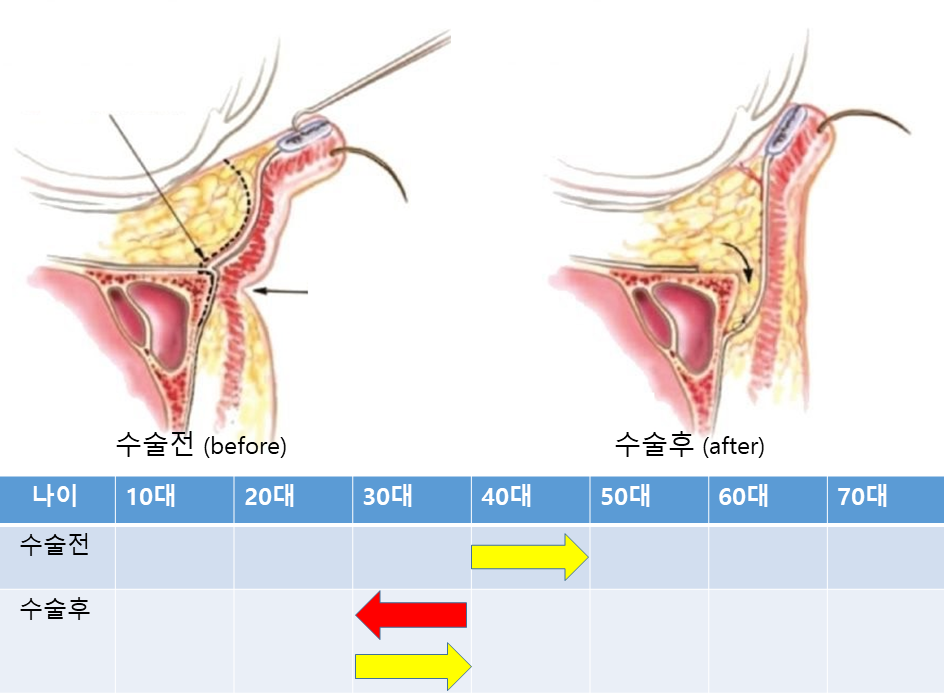
Duration of lower eyelid fat repositioning results. Duration of under-eye fat repositioning results. Effects of lower eyelid fat repositioning. Effects of under-eye fat repositioning.
Although there are individual differences, it is not uncommon for satisfactory results to last 10 to 15 years or longer.
As time passes, the repositioned fat does not simply return to its original location;
it is more appropriate to understand this as the natural aging of the individual’s lower eyelid progressing.
- What matters is whether the fat was repositioned as a pedicled fat flap. -
Lower eyelid fat repositioning is not simply surgery to eliminate fat.
The retaining ligaments of the lower eyelid must be appropriately released, and the fat must be sufficiently spread toward the tear trough and repositioned as a pedicled fat flap,
while preserving the blood vessels within the fat compartment.
It must then be secured stably to achieve natural-looking, long-lasting results.
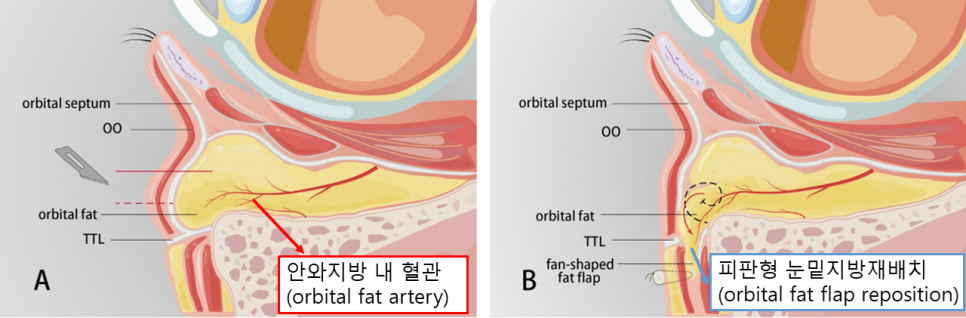
Pedicled lower eyelid fat repositioning with preserved blood vessels. Lower eyelid hollow correction technique. Lower eyelid fat repositioning surgical method.
Therefore, even surgeries performed under the same name—lower eyelid fat repositioning—can produce different results and durations depending on the technique used.
Although it may look like a minor surgery from the outside,
it is actually an anti-aging surgery that must be performed delicately with an understanding of the lower eyelid’s anatomical structure.
However, the use of the term “procedure” in articles is not entirely incorrect,
because from the patient’s perspective, it can feel like a procedure.
I hope this article has helped you understand why this is unequivocally surgery
and why many people experience it as more like a procedure.
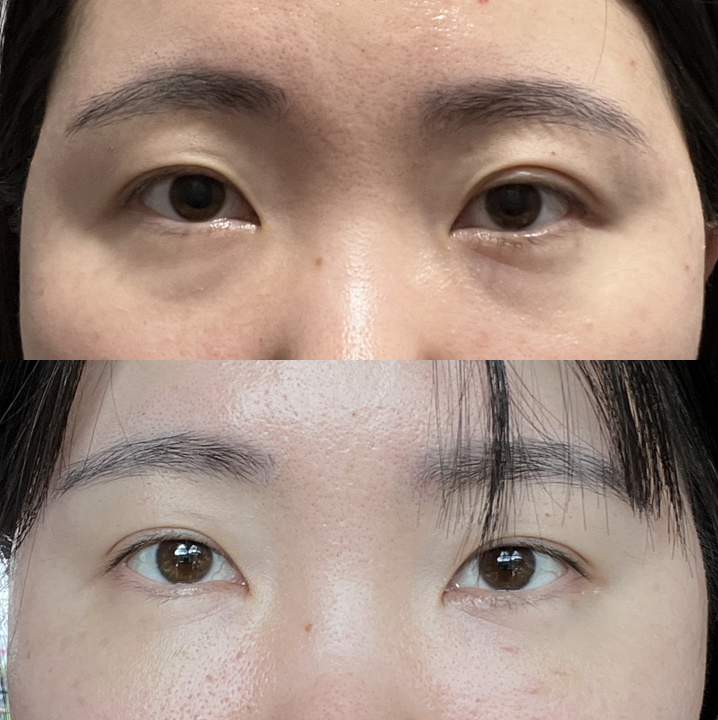
Before and after lower eyelid fat repositioning. Lower eyelid fat repositioning reviews. Before and after under-eye fat repositioning. Under-eye fat repositioning reviews. Partial model whose publication consent was provided.
If you are curious about the short recovery period following lower eyelid fat repositioning, please refer to the blog post below.