
The graft survival rate of non-incision and incision hair transplantation
People suffering from hair-loss complexes due to M-shaped hair loss, a broad forehead, and a receding hairline are increasing.
Hair loss reduces the aesthetic effect
and is also a condition that causes significant stress and depression.
This type of hair loss is affecting younger age groups
and appears regardless of gender or age.
Nowadays, people who are highly interested in appearance management
try to hide hair loss
by changing their hairstyle or using wigs or hats,
but these are unnatural and only temporary ways to conceal it,
so satisfaction is not high.
For people like this, a method that has recently
been receiving a lot of attention is
hair transplantation.
What is hair transplantation?
It refers to a surgery that moves hair from the back of the head, where hair loss has not occurred,
and implants it in the area affected by hair loss.
Hair transplantation is divided into incision and non-incision methods.
In the incision method, the back of the head is incised to harvest follicles and transplant them,
while the non-incision method refers to selectively harvesting follicles without making an incision in the back of the head
and transplanting them.
To achieve the desired result in hair transplant surgery,
a high graft survival rate is important.
That is why people considering hair transplant surgery
think more about the graft survival rate,
and some of them also say that
non-incision hair transplantation may have a lower graft survival rate.
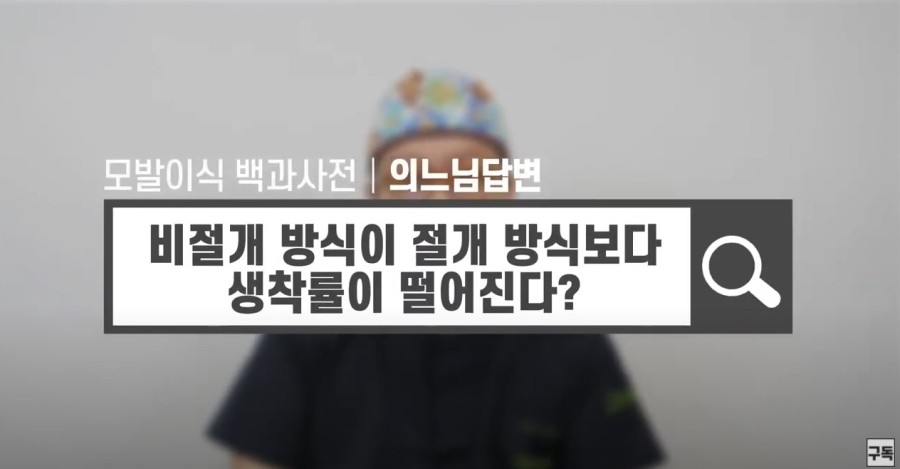
Today,
with Dr. Park Jae-hyun of Dana Plastic Surgery,
we will take a look at the difference in graft survival rates between incision and non-incision hair transplantation.
Q. Does the non-incision method have a lower graft survival rate than the incision method?
In response to this, Dr. Park Jae-hyun concluded
that there is no difference.

As hair transplant equipment and technology have advanced,
he said there is no difference in the graft survival rate between the two methods.
Dr. Park went on to say that
to increase the graft survival rate and achieve a satisfying result,
it is very important to choose the appropriate surgical method
that suits the patient.

An appropriate surgical method means
deciding while considering whether the head is shaved, the transplantation area, surgical history, the condition of the back of the head,
the area of the donor site, the thickness and density of the hair,
the number of follicles needed, and the required area.
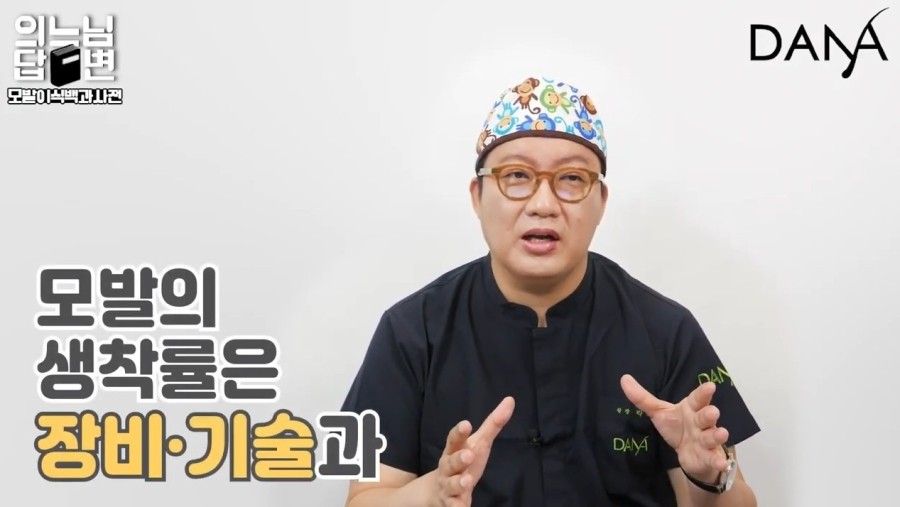
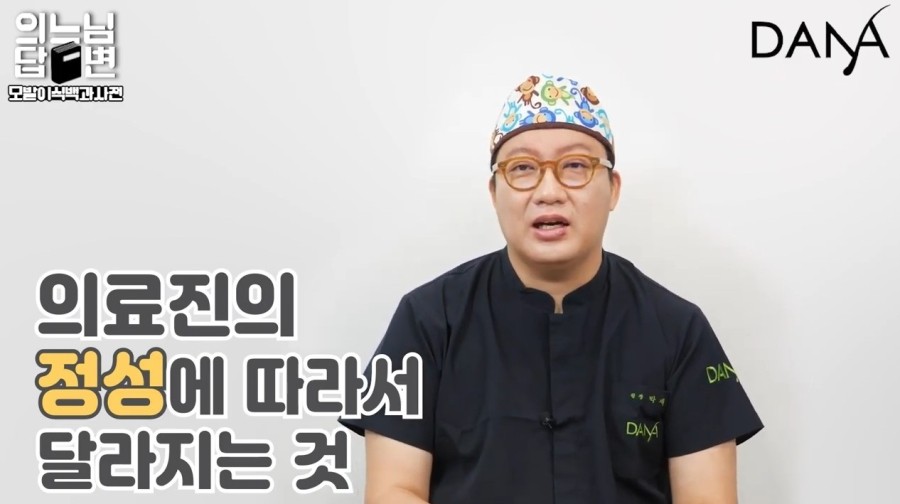
What determines a high graft survival rate is
choosing the appropriate surgical method for the patient,
as well as the equipment the hospital has and its technical expertise.
It can be said that it also depends on the skill and sincerity of the medical staff.
Video
Doctor answer📂🔥Still a hot topic! Incision and non-incision—will there really be a difference in graft survival rate...
"#Does the #non-incision method have a lower #graft survival rate than the #incision method?!"Even after a long time, the graft survival debate continues.From now on, in the hair transplant field...
youtu.be
.
.
.
So far, with Dr. Park Jae-hyun of Dana Plastic Surgery,
we have looked at the difference in graft survival rates between incision and non-incision hair transplantation.
At Dana Plastic Surgery,
we are always together with advanced equipment, high-level technical expertise,
and medical staff who continuously research and work hard
so that you can achieve the desired surgical result through a high graft survival rate.
If you are considering hair transplant surgery or
want to obtain satisfying hair transplant results,
please visit Dana Plastic Surgery
and receive an accurate diagnosis and consultation
so that you can achieve satisfying and fuller results.