Hello. This is Lipton Dermatology.
As we perform Radiesse skin booster treatments frequently, I’d like to explain a question we often hear.
Isn’t it a filler?
When you search for Radiesse, you’ll find posts from more than ten years ago about calcium fillers. In fact, it was widely used as a filler back then. Then, as the filler market was replaced by HA fillers, it almost disappeared from the market. (Of course, that market is now being largely replaced by collagen boosters.)
However, overseas, Radiesse has already been diluted and used as a biostimulator rather than a filler for several years. Still, people who are uncomfortable with fillers often think of Radiesse = calcium filler, and therefore feel hesitant about Radiesse collagen booster as well. I’ll explain this part.
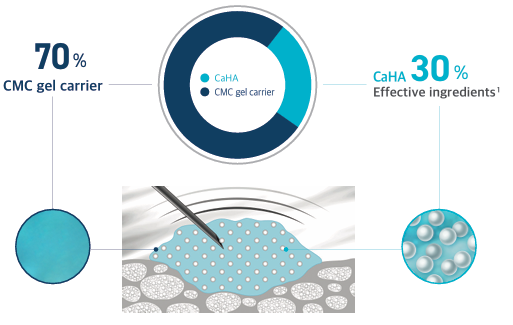
As you know, Radiesse is composed of CaHA and CMC. The important substance here is CaHA.
Previous image
Next image
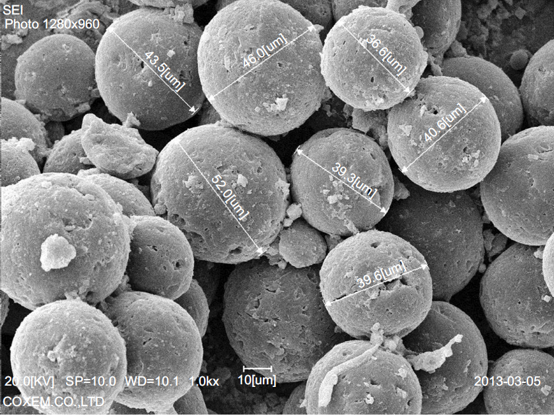
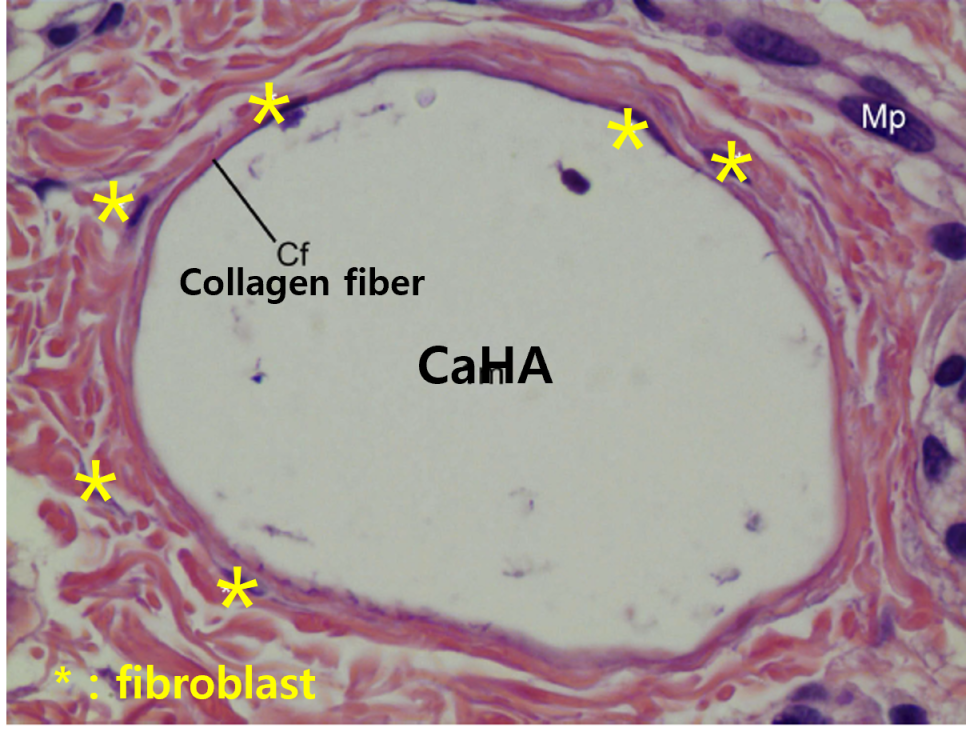
It is a round, bead-like substance, and it directly stimulates the surrounding fibroblasts to produce collagen.
If used undiluted -> it becomes a calcium filler that increases volume,
If used diluted -> rather than adding volume, it helps collagen grow, which improves skin texture and elasticity.
For example, if you eat fruit itself, you are eating fruit, but if you grind it and use it in seasoning, you wouldn’t say you are eating fruit. It would be used for a different purpose.
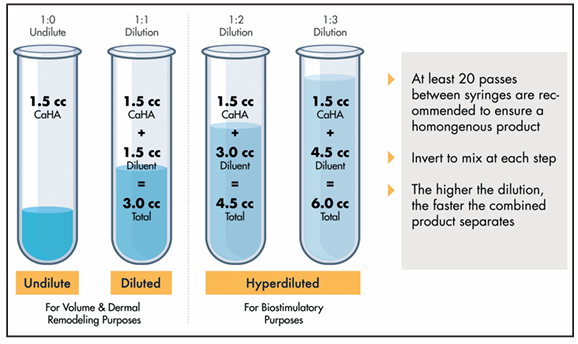
In fact, when it is diluted at a ratio of 1:2 or more, it is called hyperdilution. Its role as a filler that adds volume is greatly reduced.
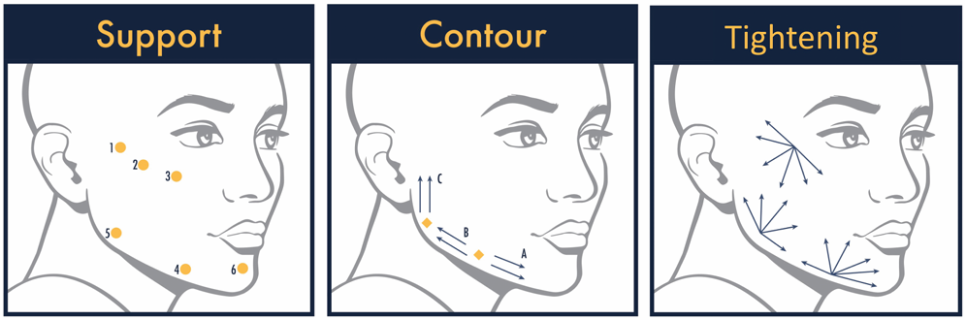
The far left (undiluted) is for the purpose of adding volume, and the far right (diluted) is for the purpose of improving elasticity.
Why does this phenomenon occur depending on dilution?
When it is diluted, CaHA+CMC are not clustered together but are separated from one another. As a result, they have more opportunities to come into contact with fibroblasts, which allows collagen to grow. That is why, when diluted, it is spread evenly with a cannula.
However, it can also provide a slight increase in volume while improving skin elasticity.
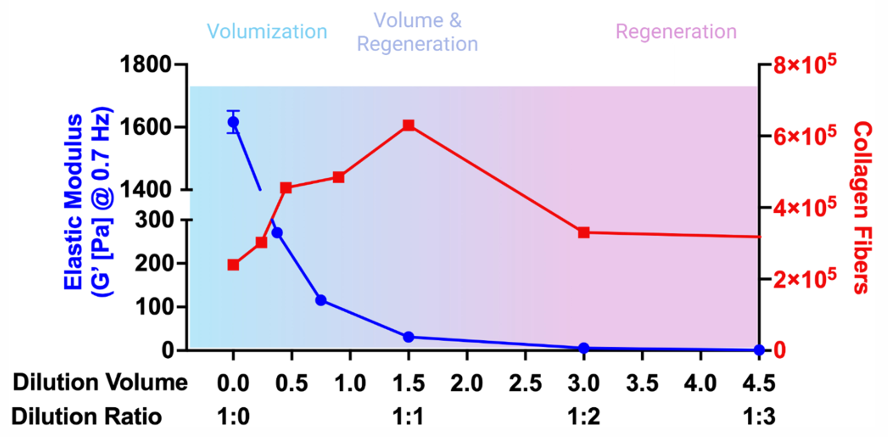
The answer lies in the dilution ratio.
Depending on the shape of the face, the degree of hollowness, and the level of elasticity, the procedure should be performed by selecting a customized dilution ratio.