Hello, this is Lifton Dermatology.
Medical and aesthetic fields are constantly advancing.
New devices and procedure methods continue to emerge, and patients’ aesthetic standards and needs are also becoming increasingly specialized.
At Lifton Dermatology, we have always placed great value on studying the latest knowledge and applying proven techniques in clinical practice amid these changes.
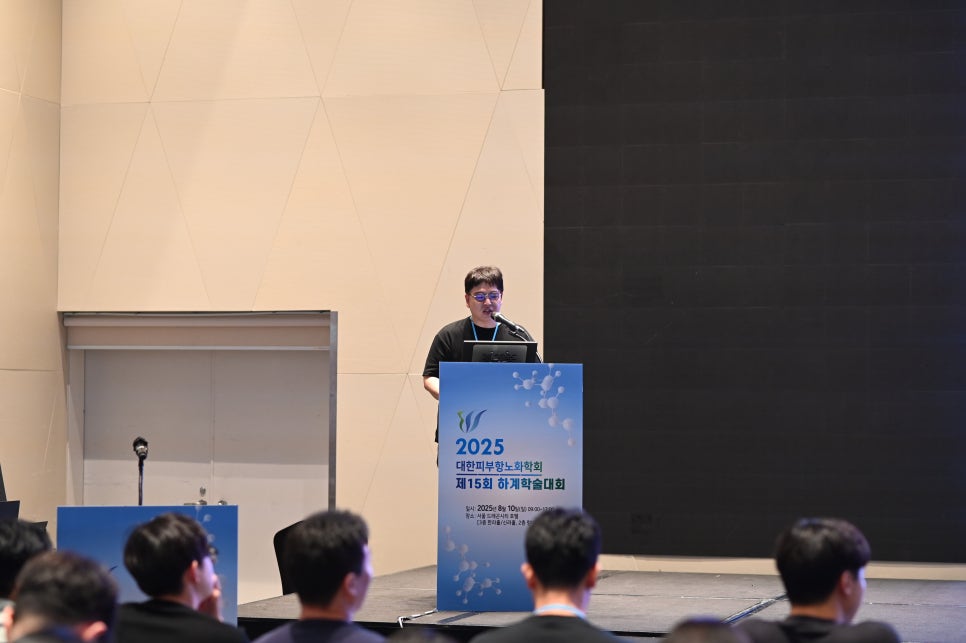
In that sense, academic conferences and seminars are more than just venues for scholarly exchange; they are places where we can work together to find practical solutions that can improve patient satisfaction in actual clinical settings.
The Summer Academic Conference of the Korean Society for Anti-Aging Dermatology, held on August 10, was also a very meaningful event.
Experts in dermatology and aesthetic medicine gathered in one place to share the latest research and clinical experience, and to consider future directions.
It was even more meaningful for us because Lifton Dermatology was invited to give a lecture.
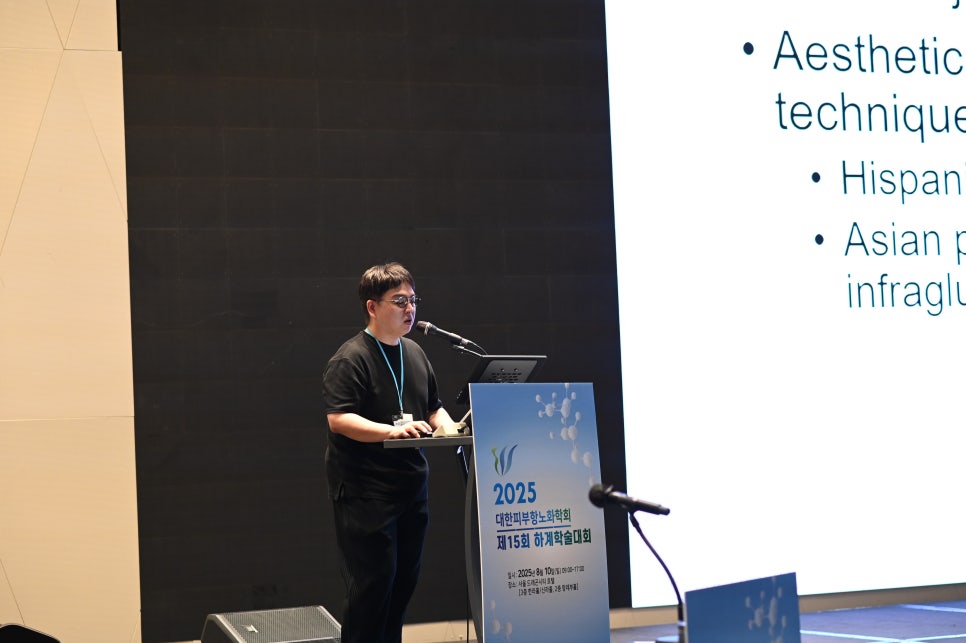
The topic of my lecture this time was the aesthetic approach and clinical considerations for the buttock area.
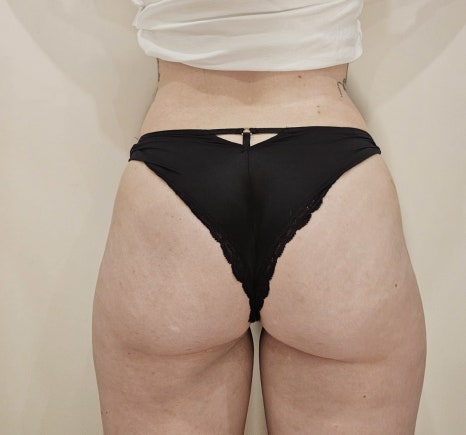
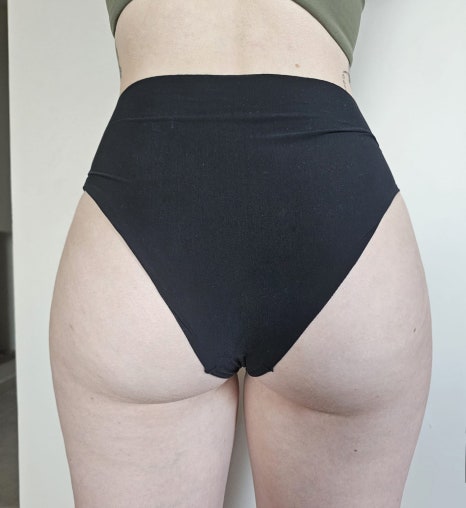
The buttock is not simply part of the posterior body surface; it is an area that supports body weight, helps maintain posture, and also affects the aesthetic silhouette.
Buttock procedures are already actively performed overseas, and interest has been growing in Korea as well, so the response at the venue was enthusiastic.
Approaches by Different Buttock Shapes
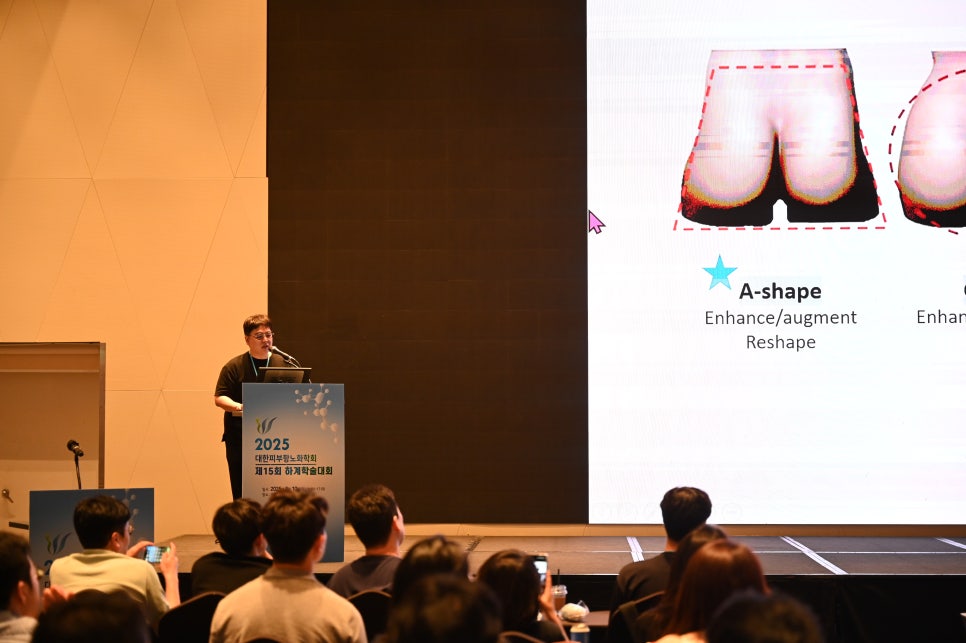
One meaningful part of the presentation was the classification of buttock shapes.
I presented the characteristics of different buttock types, divided into A-shape, Curvy, Square-shape, Upside-down heart, and V-shape, and introduced treatment directions suitable for each shape.
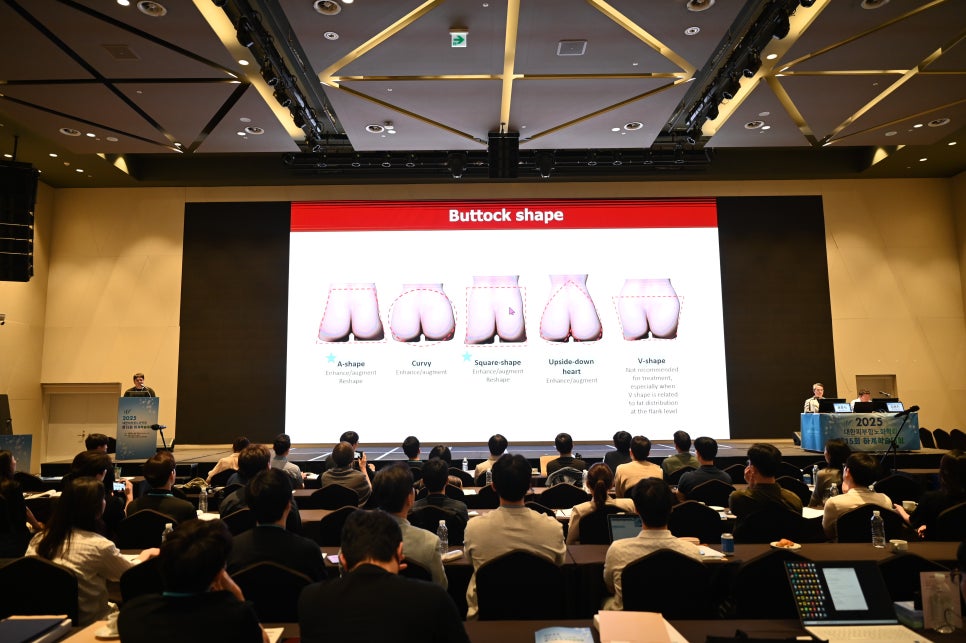
-
A-shape and Curvy types: the key is volume enhancement and stronger curves
-
Square-shape: overall contour correction is needed
-
Upside-down heart type: improving lower volume is important
-
V-shape: because of structural limitations, excessive procedures are not recommended
This morphological classification is an important basis for establishing customized treatment strategies in actual clinical practice.
Ideal Waist-to-Hip Ratio
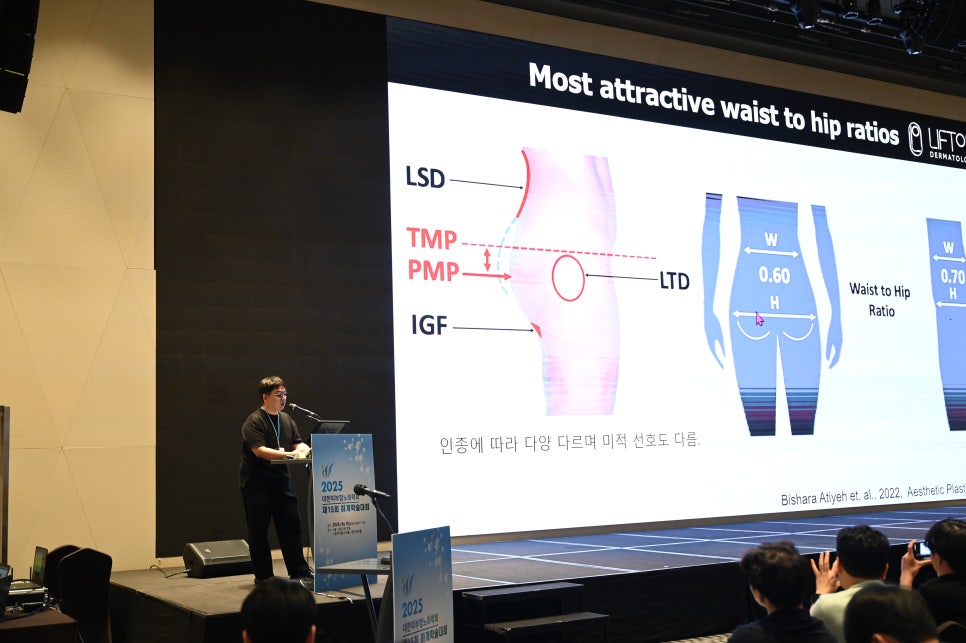
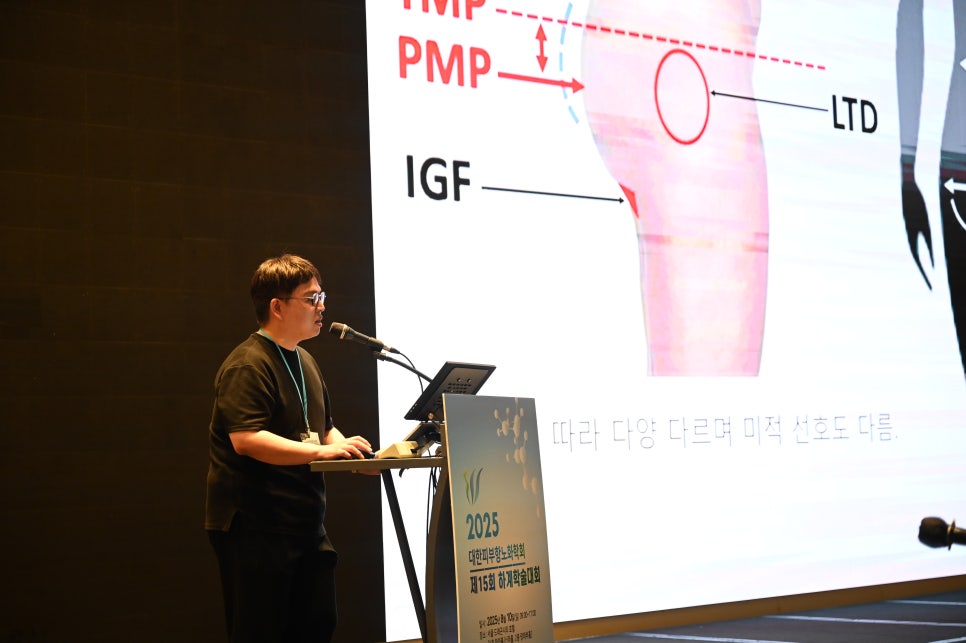
When performing procedures, the ideal waist-to-hip ratio should also be considered important.
According to several studies, a ratio in the 0.6 to 0.7 range is considered the most attractive silhouette.
In actual consultations, I also emphasized that it is necessary to go beyond simply adding volume and to consider proportion and balance when performing procedures.
In addition, I covered the differences in body type preferences between Asian and Western regions,
as well as the diversity of aesthetic standards according to cultural background,
highlighting the importance of customized design.
Aesthetic Anatomical Elements of the Buttock
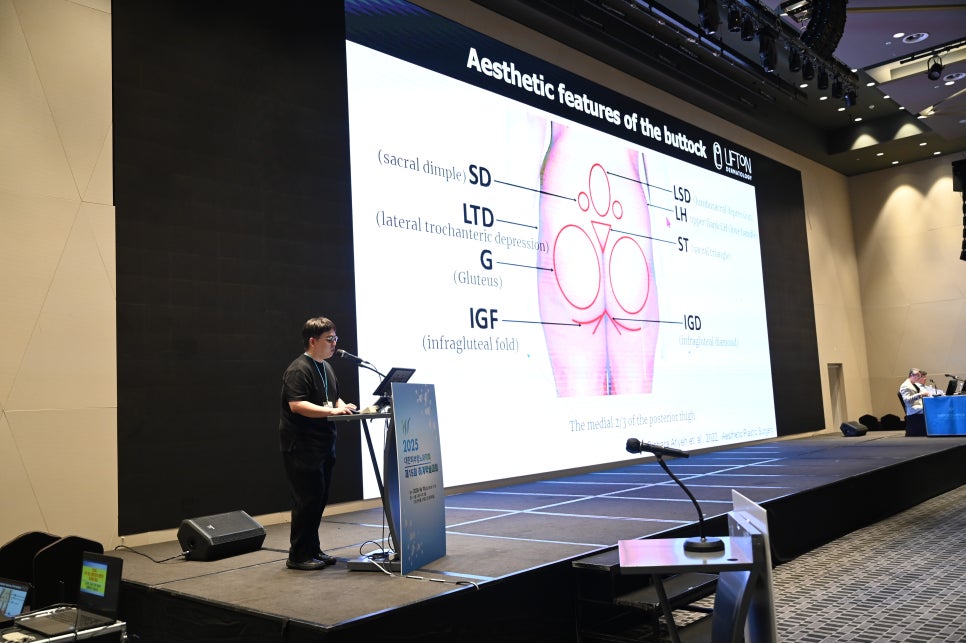
Another key aspect of buttock procedures is understanding the detailed anatomical structure.
I especially emphasized the following elements.
-
Sacral dimple: a small hollow between the lower back and the buttock, serving as a point of interest in the rear silhouette.
-
Lateral trochanteric depression: a hollow area located beside the pelvis and next to the upper thigh bone, which helps connect the waist-to-buttock line naturally.
-
Infragluteal fold: the crease that separates the buttock and the thigh, and a key reference point in buttock lifting design.
-
Gluteus: the muscle group made up of the gluteus maximus, gluteus medius, and gluteus minimus, which determines the overall volume and shape of the buttock.
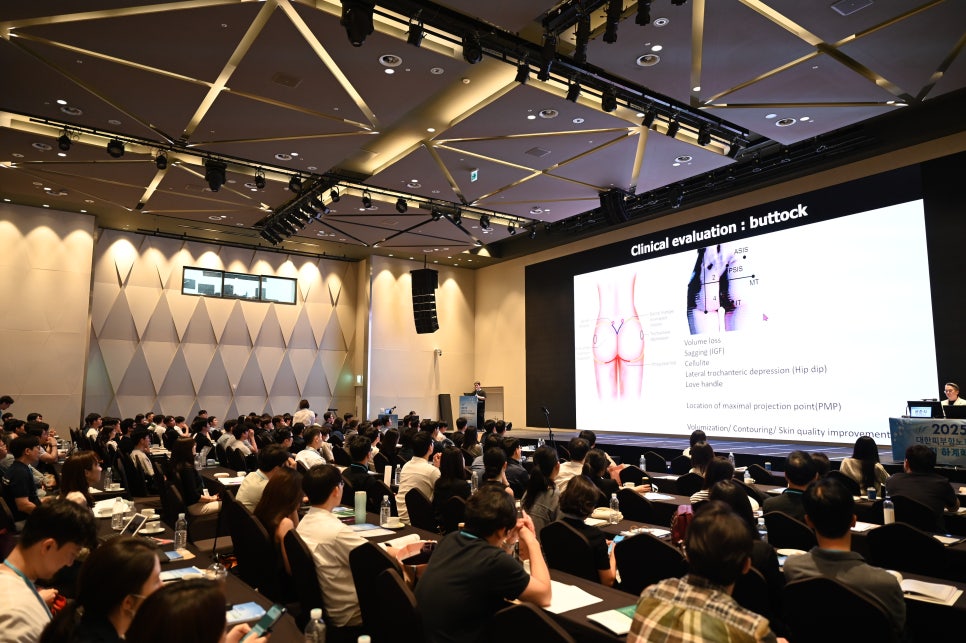
These detailed elements go beyond simply dividing the treatment area and have a major impact on the naturalness of the result and patient satisfaction.
In particular, I emphasized that structures such as the infragluteal fold are key points that determine the buttock line, and that design and procedures should take them into account.

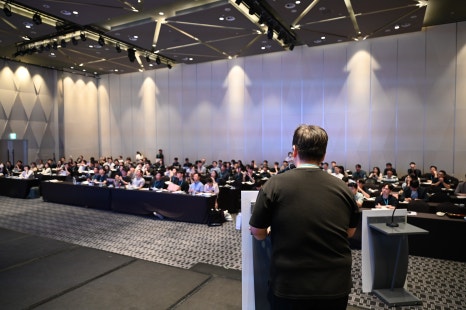
After the lecture, we had time to share a variety of opinions during the Q&A session.
In particular, we discussed practical applications of customized treatment by shape, the safety of combination procedures, and long-term maintenance effects.
It was especially meaningful in that, beyond simply sharing academic knowledge, we were able to think together about new directions that can improve patient satisfaction in actual clinical practice.


Going forward, Lifton Dermatology will continue to do our best to research the latest knowledge and apply it in clinical practice so that we can provide patients with safer and more effective buttock procedures.
Thank you.