Hello, this is Liftone Dermatology.
The area under the eyes is the first part of the face to reveal age.
Even after a good night’s sleep, you may still look tired, dark circles may not be fully covered by makeup,
or you may feel that wrinkles have become deeper than before.
This area has thin skin and delicate subcutaneous tissue,
so even slight fatigue or dryness shows up right away.
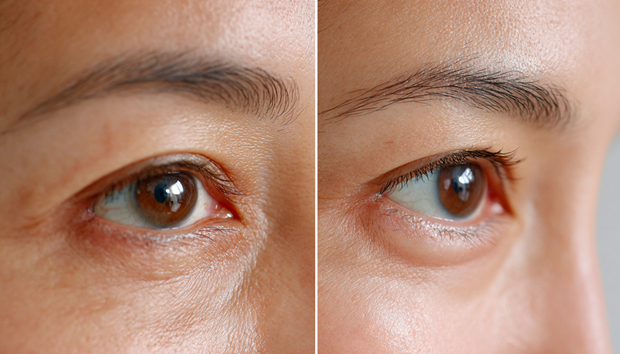
In recent years, under-eye procedures have steadily increased.
Even people who used to consider full-face lifting first
now often choose to improve the eye area, which is the first thing people notice in an impression.
That is because the brightness and elasticity under the eyes are among the biggest factors in determining facial appearance.
Among them, Rejuran I and Juvelook I are two of the most commonly mentioned procedures for eye-area rejuvenation.
Both aim for fundamental skin recovery,
but their mechanisms and the skin types they suit are clearly different.
Today, based on the points I consider most important when performing treatment,
I will explain the differences between the two procedures and the criteria for choosing between them.
Rejuran I — A procedure that restores the skin’s "basic strength"
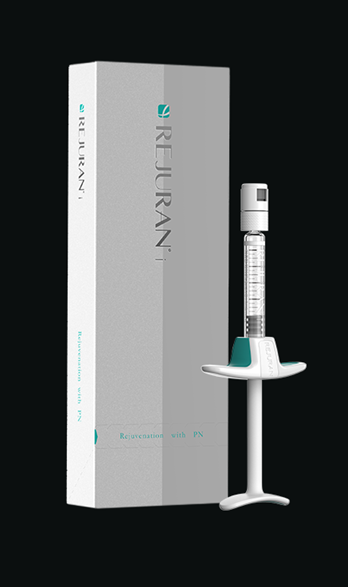
Rejuran I is an injection that revives the skin cells’ ability to recover.
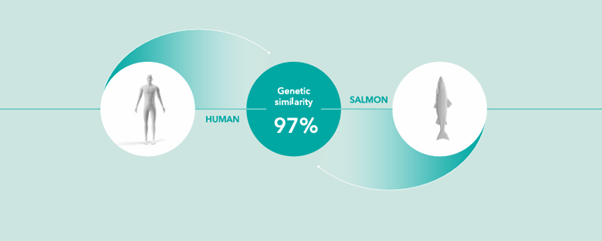
Its key ingredient is PN (polynucleotide),
which restores damaged cells and naturally improves the skin’s moisture and elasticity.
Under the eyes, even a small lack of moisture can cause fine lines,
and the skin can look darker, making dark circles appear more pronounced.
Rejuran I is a treatment that helps restore the balance of this thin, tired skin.
After the procedure, tiny microlumps may appear for about 2–3 days,
but they are quickly absorbed, and after about a week,
the skin texture becomes smoother and the skin tone looks brighter.
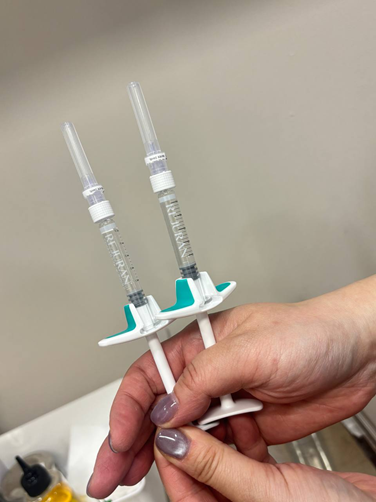
As the skin becomes more hydrated and the area under the eyes feels less dull,
many patients notice that their facial expression becomes softer.
It is suitable for people with thin, dry skin, those with fine wrinkles spread across the area,
or those whose face looks dull because of dark circles.
Think of it as a "first-step procedure" that restores the skin’s basic strength.
Juvelook I — A procedure that rebuilds the structure and restores elasticity
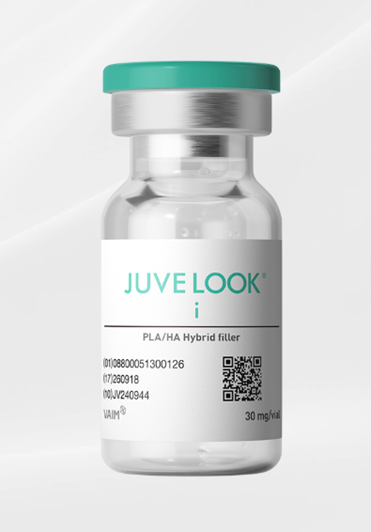
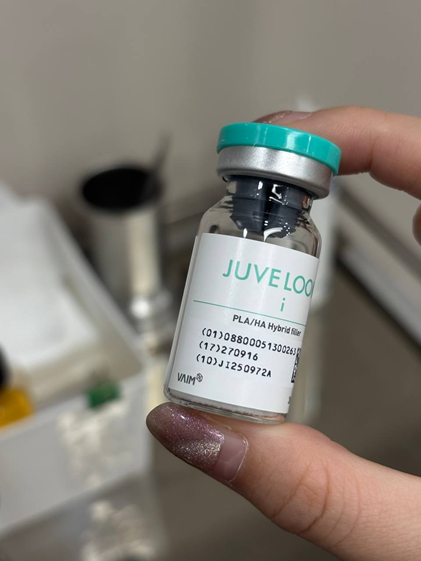
Juvelook I is a procedure that focuses one step more than Rejuran I on the skin’s structural elasticity.
It also contains PN ingredients,
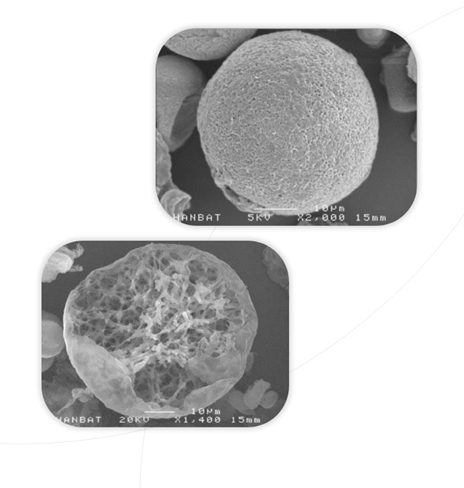
but PCL (polycaprolactone) is added to it.
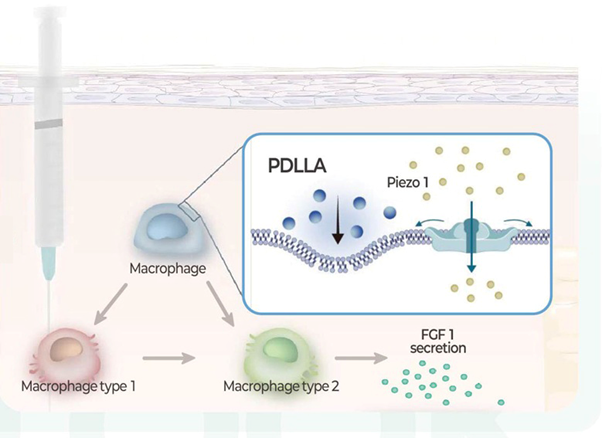
This ingredient promotes collagen production within the skin,
rebuilds the collapsed skin structure, and firmly supports the elastic layer.
If Rejuran I is a procedure that "revives" the cells in the skin,
Juvelook I is a procedure that "builds a firm framework" on top of that.
In other words, rather than recovery centered on skin texture,
it is a lifting-type rejuvenation treatment that stabilizes the skin structure itself.
About 2–3 weeks after the procedure, new collagen forms within the skin,
and as the area under the eyes becomes fuller,
hollowness and wrinkles gradually improve.
Rather than immediate hydration,
you can feel the skin becoming firmer and more elastic over time.
It is suitable for people with noticeable under-eye hollowness,
or those whose skin has loosened and makes the face look sagging.
It can be described as a "structure-restoring procedure" that fundamentally makes the skin more elastic.
The decisive difference between the two procedures
The two procedures share the same regenerative principle,
but the direction is different.
Rejuran I is a procedure that restores skin texture and moisture,
while Juvelook I is a procedure that restores elasticity and structure.
If the skin is thin and dry, Rejuran I is a better choice.
If the under-eye area is sunken and the wrinkles are deep, Juvelook I is a better approach.
However, in actual treatment, the two procedures are sometimes performed in stages.
When the skin is weak and sensitive,
it is best to first stabilize the skin with Rejuran I,
and then reinforce elasticity with Juvelook I after 3–4 weeks,
so that both skin texture and structure can be improved at the same time.
Following this sequence leads to a more natural result,
and keeps the skin from being unnecessarily irritated.
Above all, because the under-eye area is a thin region,
"how the treatment is designed" is more important than "which treatment is performed."
Liftone’s treatment approach
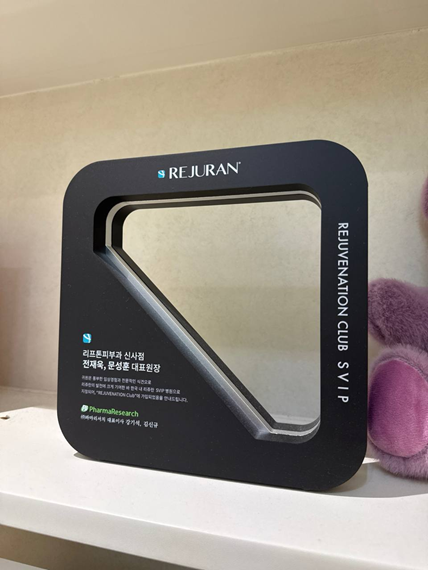
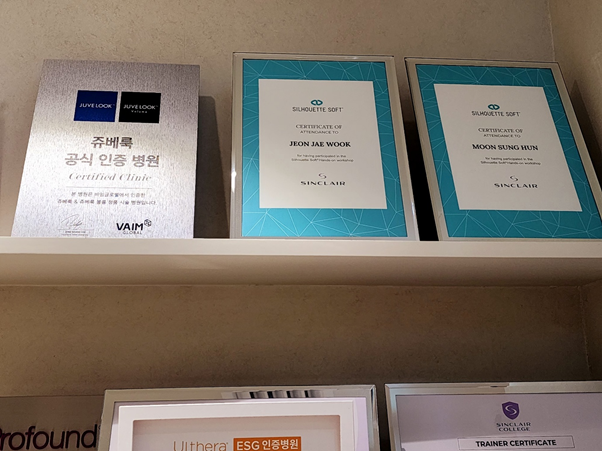
The skin around the eyes is less than 0.5 mm thick.
Beneath that thin layer, fat, fascia, and capillaries are intricately intertwined.
So even with the same product, the result can be completely different depending on the injection depth and angle,
and the direction of diffusion.
At Liftone Dermatology,
we do not view all eye-area procedures as simple under-eye injections.
Before treatment, we use ultrasound to check the skin thickness and fat structure,
and inject with fine adjustments to depth and angle for each layer.
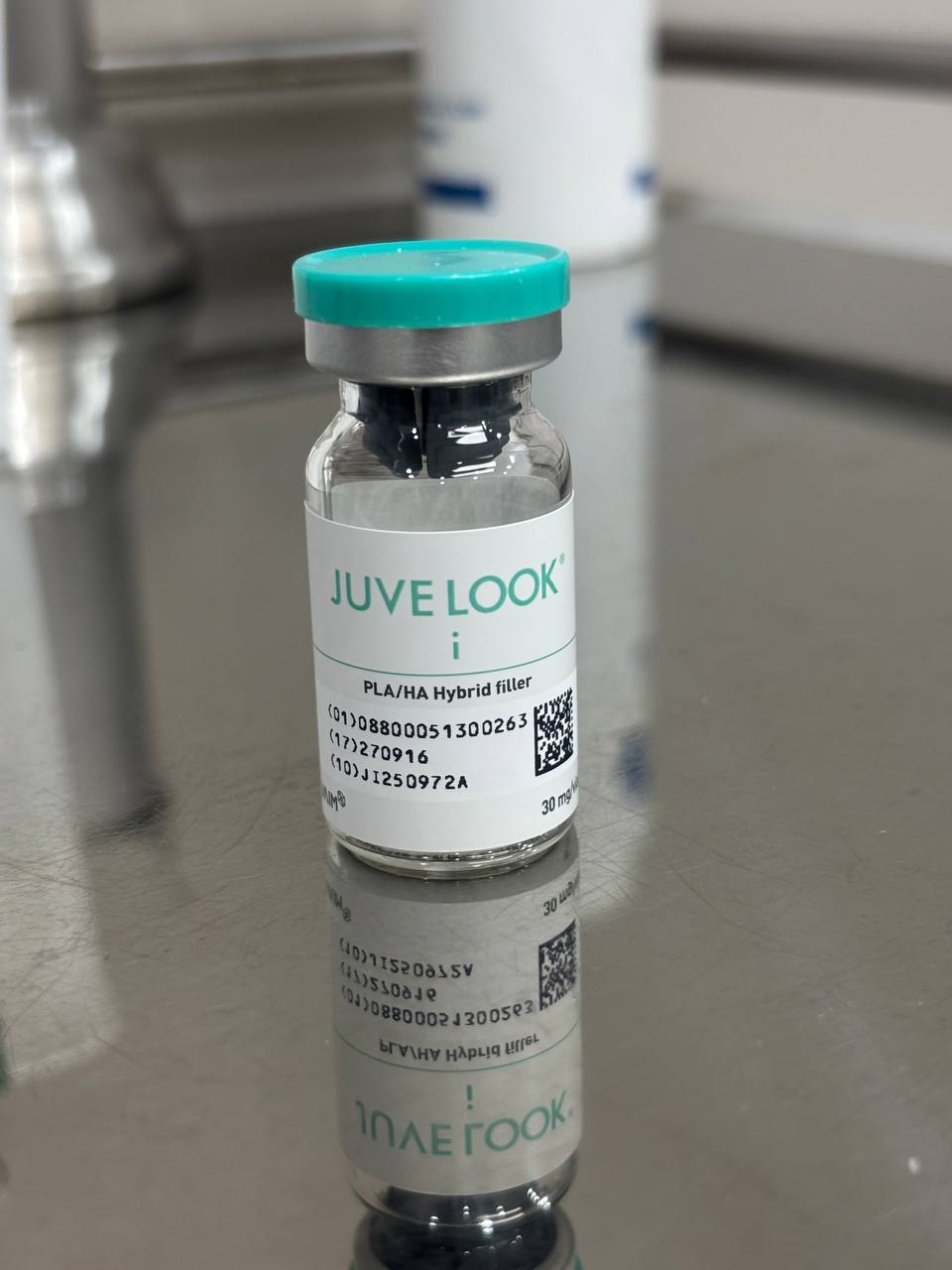
All procedures are carried out after confirming the unopened product under standards of authentic product and exact dosage,
and after the procedure,
a PN recovery mask is used to minimize swelling and irritation.
The eye area is the first to reveal age,
while also being the most difficult area to treat.
So rather than asking which procedure to do,
it is more important to accurately understand the current condition of your skin.
If the skin texture is rough and moisture is lacking, Rejuran I
If elasticity and structure have weakened, Juvelook I
If both concerns are present, performing them in stages is the most ideal approach.
The under-eye area is a thin and delicate region.
What determines the result is not technique alone,
but the doctor’s judgment in understanding and designing the structure within it.
If you feel that the eye area is not what it used to be,
starting from an accurate diagnosis rather than simply adding something,
that is the approach Liftone Dermatology has consistently upheld.
Thank you.