Hello, this is LiftTone Dermatology.
On Friday, December 19,
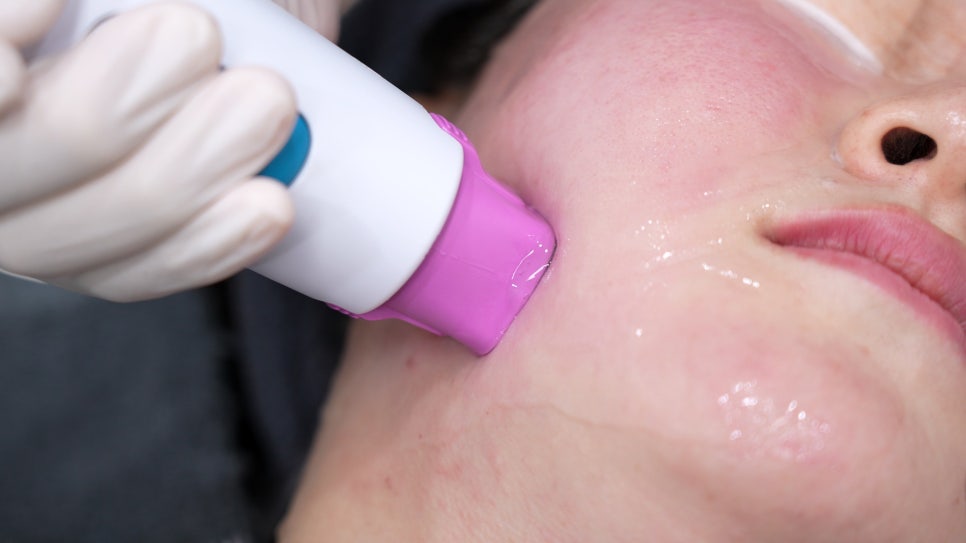
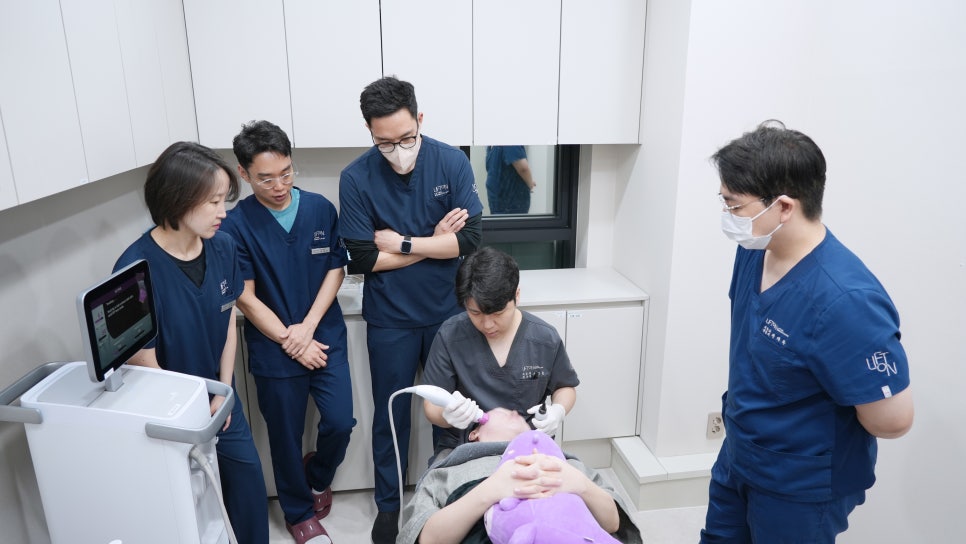
LiftTone Dermatology x Solta Medical conducted a hands-on training session centered on Thermage.
Lifting does not produce good results simply by using good equipment.
Even when using the same device, the results can vary greatly depending on how medical staff adjust the output and angle to match each person’s skin condition and facial contours, and how they set the treatment pattern.
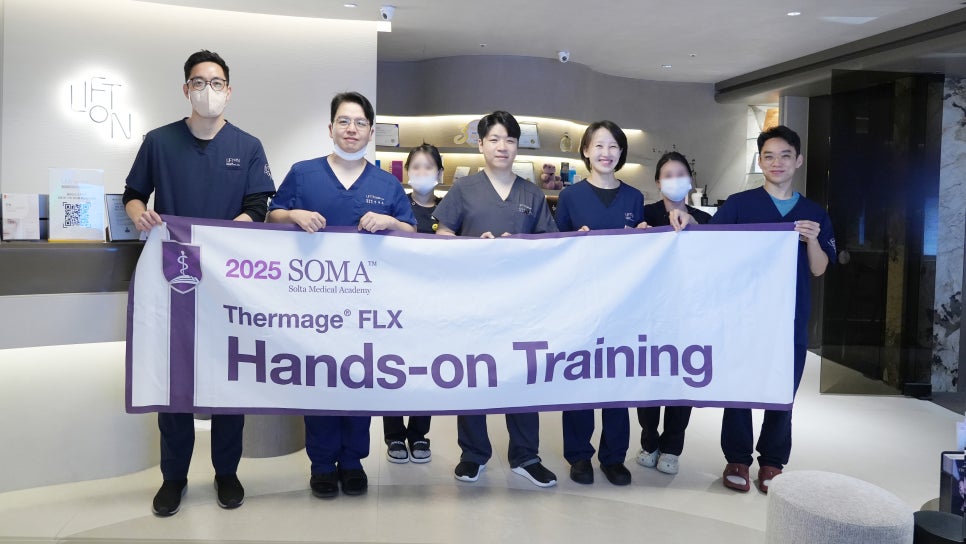
Rather than relying only on the performance of the equipment,
LiftTone Dermatology places importance on the process of improving treatment quality by having the medical team share the same standards and direction.
This Thermage hands-on training was also organized to recheck the response of each facial area and the energy delivery method under conditions close to a real clinical environment,
and to refine treatment standards among the medical staff.
A process of rechecking energy response by facial structure
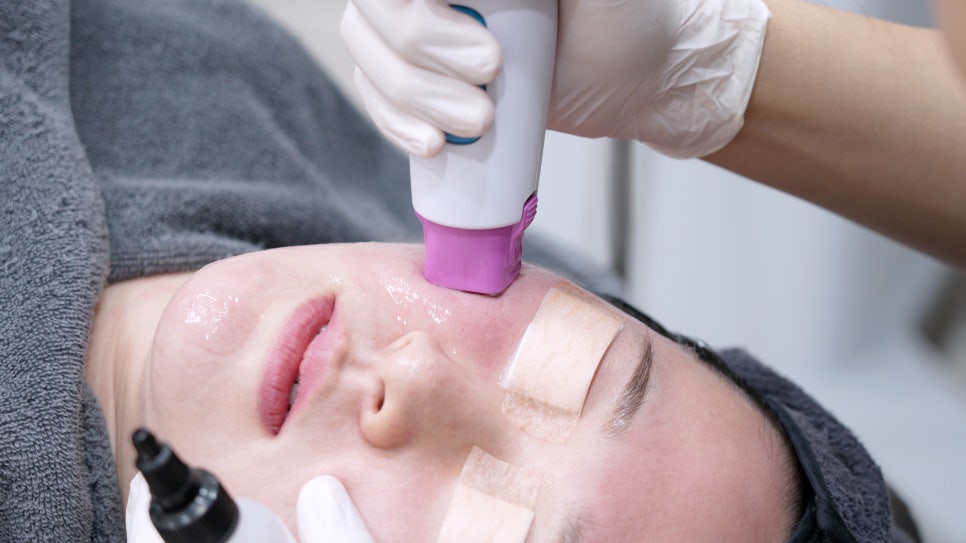
The most important part of this training was revisiting how each area of the face responds to thermal energy.
Areas with thin skin, such as the forehead, require especially careful adjustment of intensity,
and areas such as the cheekbones and nasolabial folds, where the fat layer is thin and hollowness can easily occur, need a different pattern design to avoid overheating.
Because the sharpness of the lifting effect along the jawline varies depending on the angle and speed of movement,
the direction and pattern were adjusted again so that the medical staff could move with the same standard.
During this process, the medical staff shared a variety of cases they had actually experienced and discussed why differences in results can occur even when the treatment is performed according to the same standard,
depending on skin thickness, fat layer structure, and thermal response speed, as well as what adjustments are needed.
Although this is equipment used every day, it was meaningful in that the team could further refine their standards through one another’s experience.
Case-based discussions closer to real patient situations
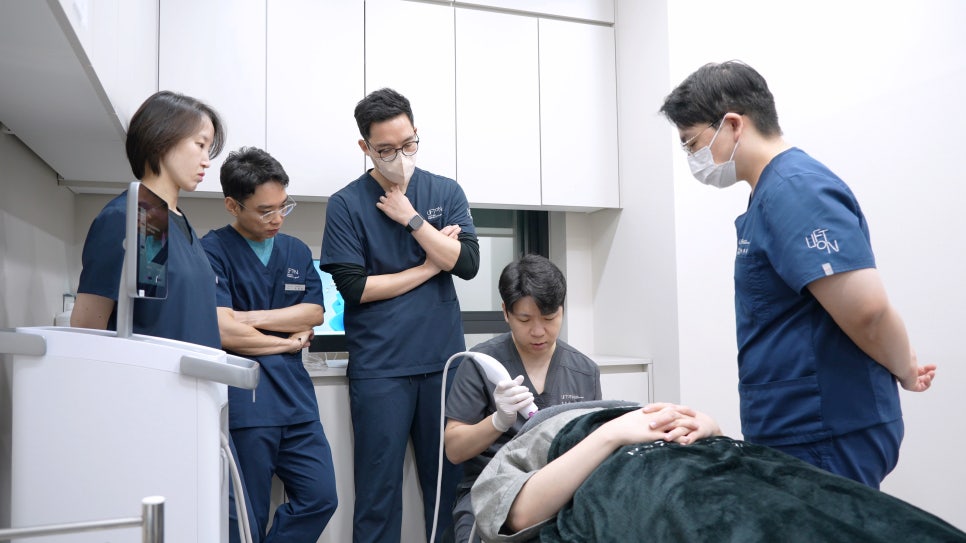
The approach was also carefully reviewed around cases that were close to real patient situations.
· In faces where hollowness below the cheekbones and shadowing in the nasolabial folds were progressing at the same time, how should the direction and pattern of the heat be adjusted to achieve a natural improvement?
· In cases where the jawline and neck line were both becoming blurred, what design would be the most stable when connecting the face and neck as one line?
· Depending on how the fat pad has shifted with age, how should the pattern be changed to maintain a natural volume?
The training was conducted by sharing treatment design directions.
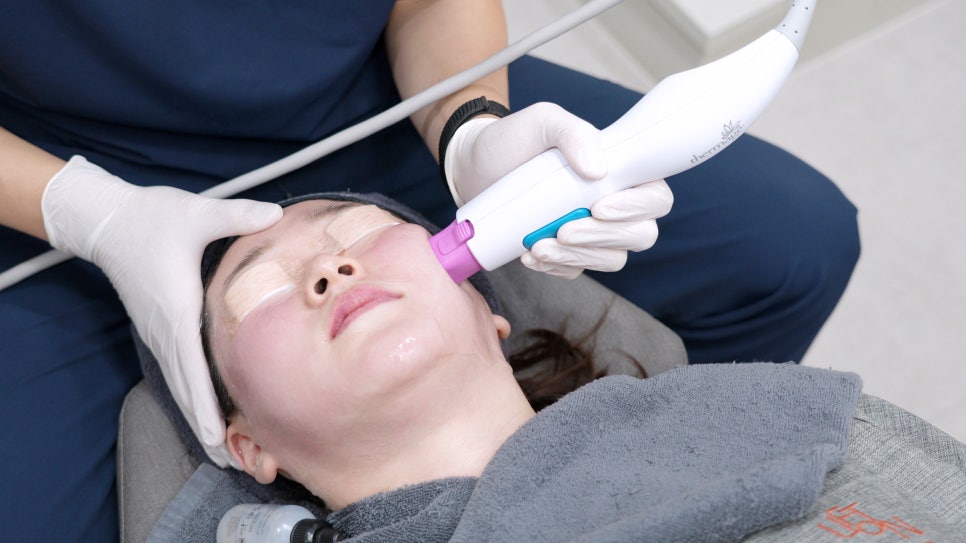
In addition, for skin types with thin skin and a quick thermal response, the team rechecked the standards for intensity and speed to minimize discomfort and swelling during treatment, and for patients with previous lifting procedures such as Ulthera, thread lifting, or fillers,
they also discussed treatment designs that would naturally complement previous results without compromising them.
This is because when structural support has already been established through thread lifting, adjustments should focus on superficial elasticity,
and for patients whose elasticity has decreased over the long term after Ulthera, the thermal density should be set differently, making a case-by-case approach necessary.
Strengthening the lifting standards LiftTone pursues
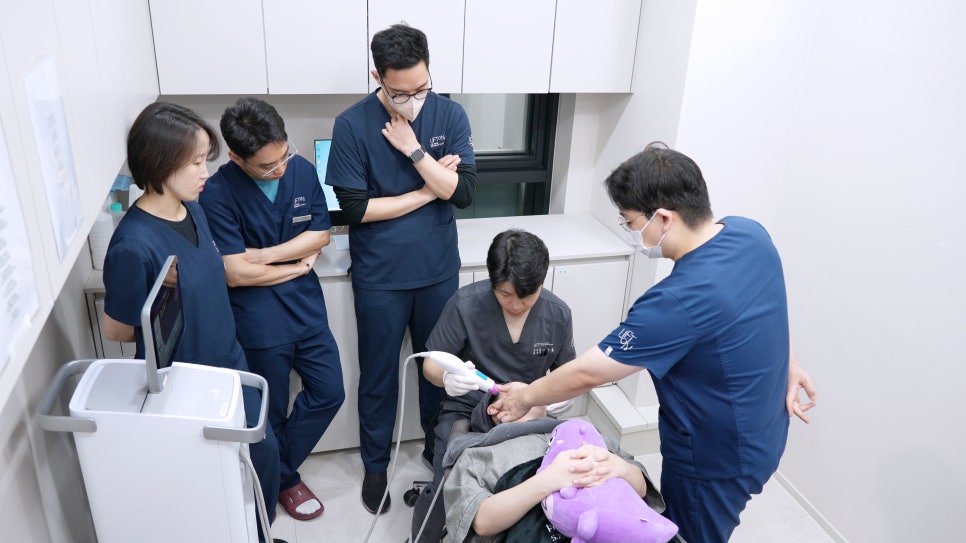
Through this hands-on training, the medical staff unified the shot pattern again to improve treatment consistency
and further refined intensity and speed according to skin thickness, elasticity, and sensitivity.
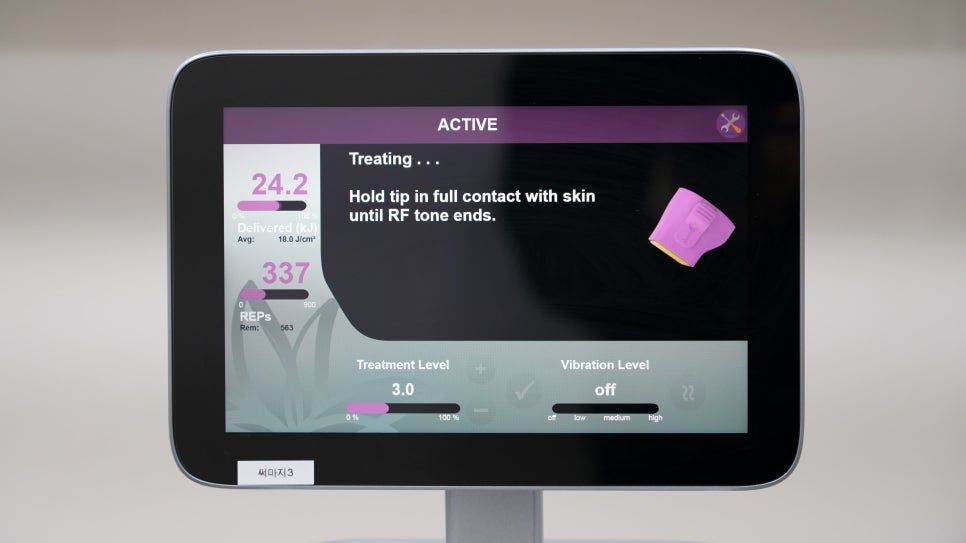
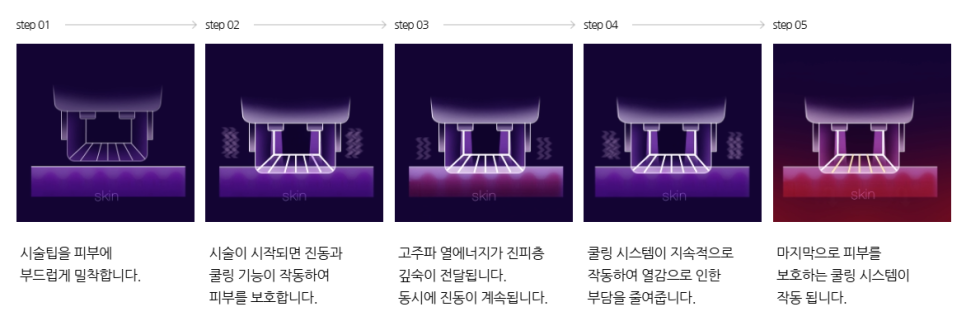
Based on the latest clinical data and overseas treatment cases, the internal protocol was fully updated,
and by further strengthening the risk management system to minimize swelling, redness, and discomfort that can occur in skin with a rapid thermal response,
the clinic laid the groundwork for establishing an even firmer standard for the lifting treatments LiftTone Dermatology will provide in the future.
When all medical staff design and perform treatment under the same standards, patients can experience consistent and predictable lifting results regardless of which staff member performs the procedure.
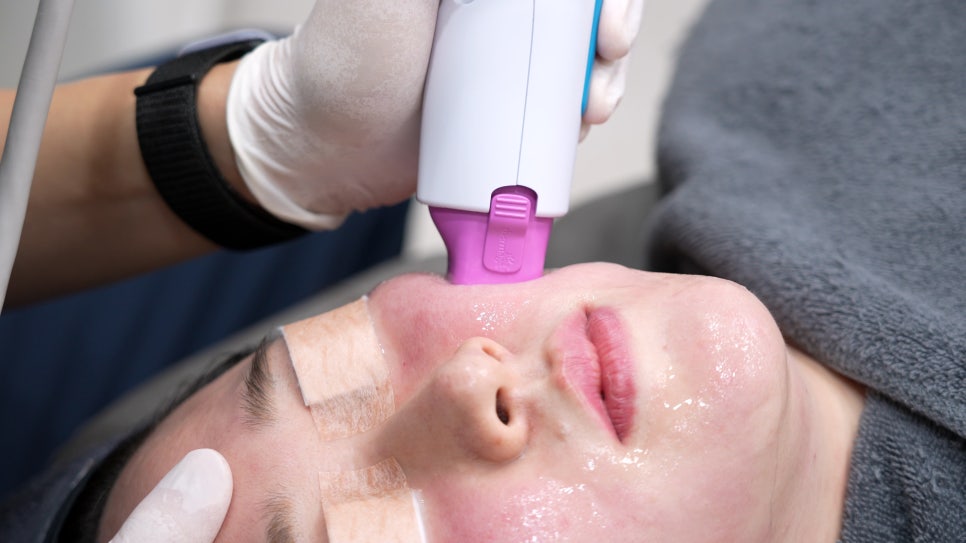
LiftTone’s continuing lifting standards
Lifting is a field that has continued to evolve over time based on medical data.
We continuously share the latest medical insights and strive to provide patients with more refined results through analysis of various clinical cases, protocol updates,
and regular training.
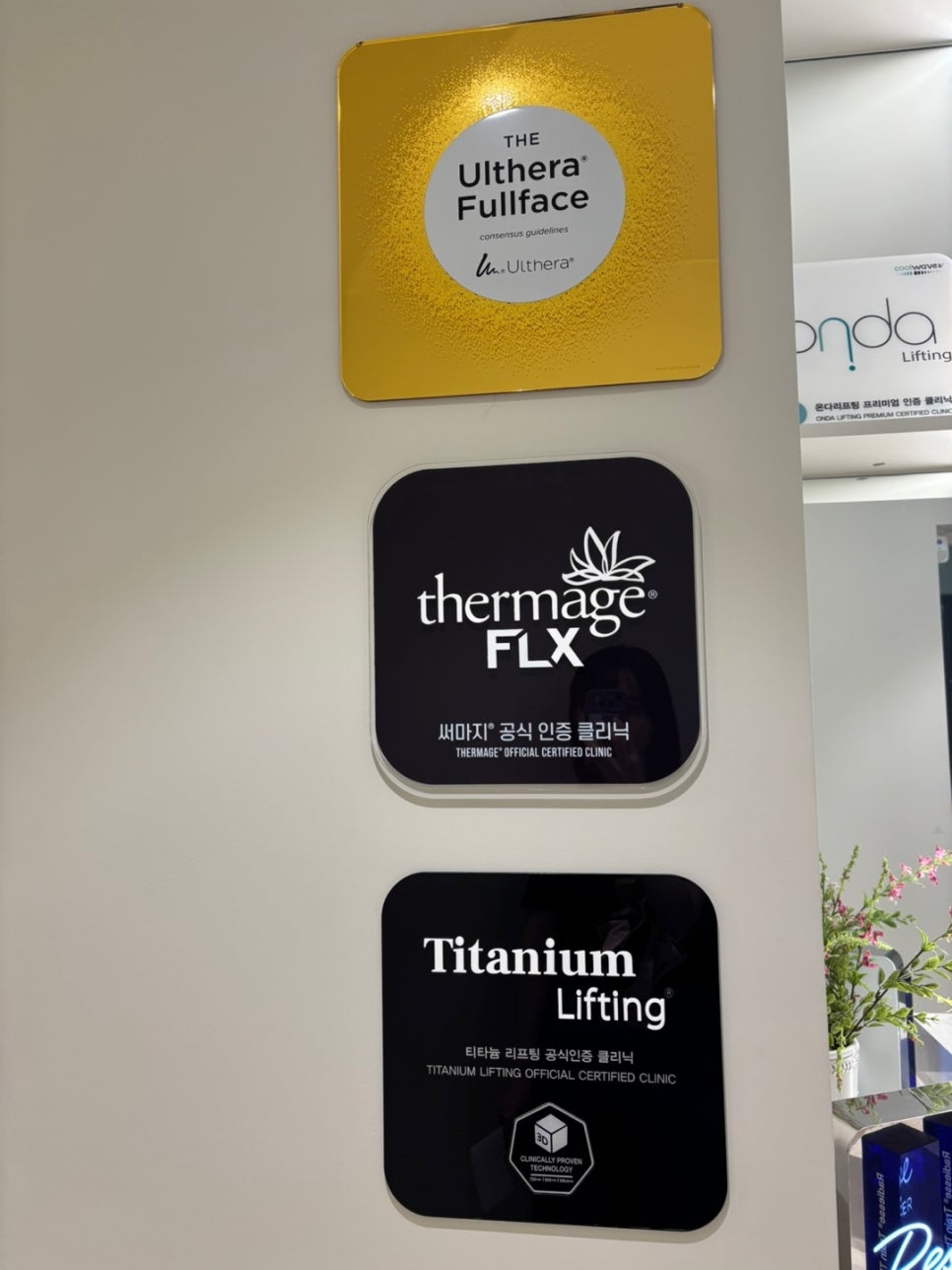
Going forward, LiftTone Dermatology will continue research and further refine its standards so that it can precisely analyze facial structure and the direction of the aging process,
and propose the most appropriate lifting solution tailored to each individual.
Thank you.