Hello, this is Lifton Dermatology.
When consulting about fillers, there are quite a few cases where the area a person is concerned about and the actual area that needs to be treated are different.
There are also more cases than you might think where something looks sunken on the surface, but simply filling it does not solve the problem.
That is why, nowadays, we explain an approach that does not simply involve filling, but instead analyzes the face structurally.
MD Codes filler is not just a simple volume procedure, but a method designed based on facial structure.
What Is MD Codes Filler?
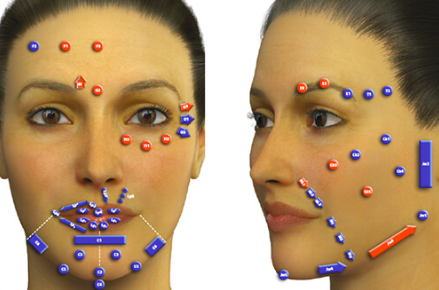
MD Codes filler does not view the face as a single surface.
It is an approach that divides the face into multiple structural units.
Even if the mid-cheek looks sunken, the cheek itself is not always the actual problem.
In many cases, the upper support structure has weakened, causing the whole area to descend and appear sunken.
Nasolabial folds are also often not just simple wrinkles, but folds that appear as the midface sags.
In this way, MD Codes filler is not about filling only the areas that look obvious on the surface, but about dividing the structure and planning the order of which areas should be addressed first.
The Relationship Between MD Codes Filler and Juvederm
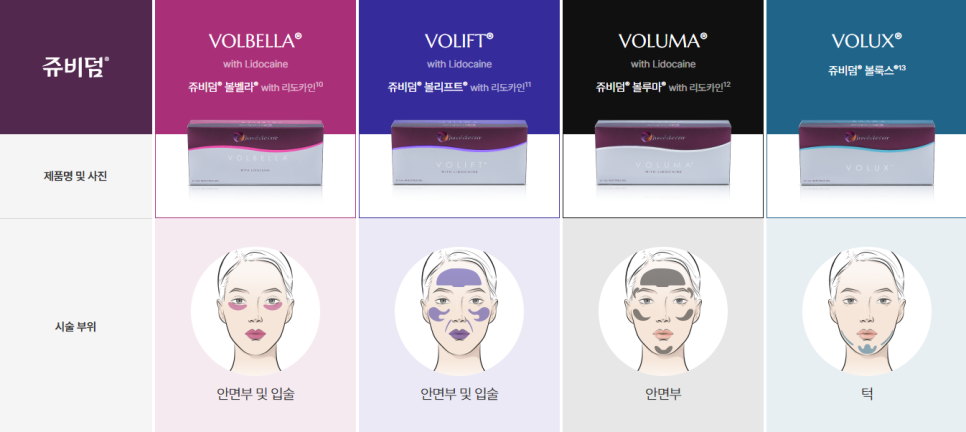
When you search for MD Codes filler, it is often mentioned together with Juvederm.
However, MD Codes filler is not a specific product, but a framework for designing the face.
That said, because this concept became widely known through training programs that use Juvederm, the two are often associated together.
In practice, MD Codes filler is a method that can be applied not only to Juvederm, but also to various other fillers.
The result depends more on the design and approach than on the product itself.
Why Is MD Codes Filler Important?
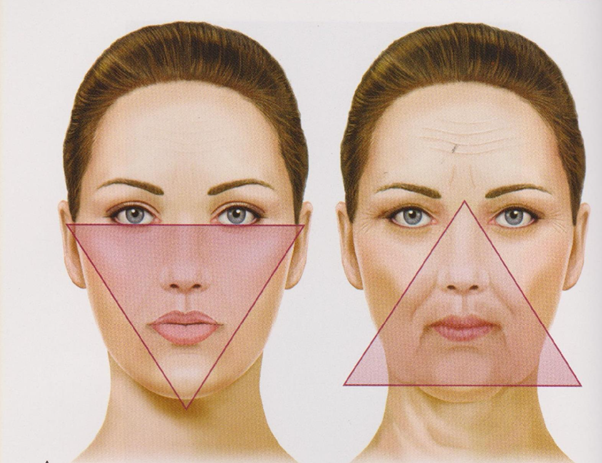
When filler looks unnatural, it is usually because only the visible area was filled right away.
Even if the nasolabial folds are deep and only that area is filled, the surface may look smoother.
But when making facial expressions, it often feels unnatural.
That is because the cause remains the same, while only the result has been covered up.
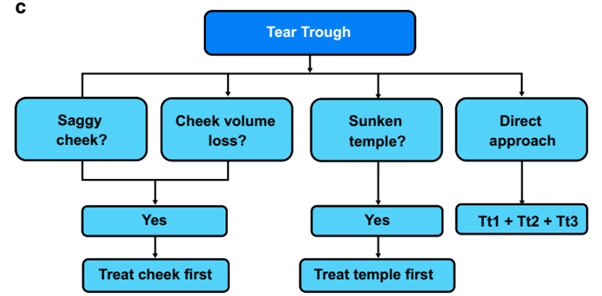
So instead of filling the nasolabial folds directly, MD Codes filler takes an approach that first supports the structure above them.
When the support in the midface improves, nasolabial folds often become less noticeable naturally.
The key to MD Codes filler is not the area that looks obvious on the surface, but organizing the structural cause first.
How Lifton Designs MD Codes Filler
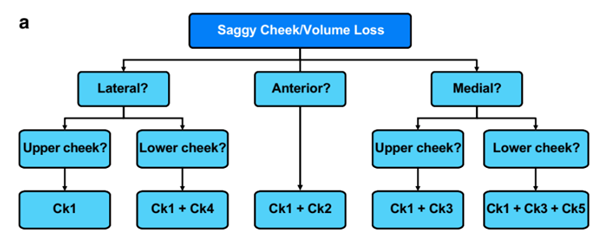

Even when the same framework is used, the result can vary depending on the design.
At Lifton, we do not immediately fill a specific area.
We first determine whether the current facial condition is volume loss, sagging, or a combination of both, and then design the sequence based on overall balance.
Rather than filling everything at once, the procedure is carried out by first creating the support structure and then supplementing only the necessary areas.
That is why the result of MD Codes filler tends to look less like it has been “filled” and more like the face has been neatly organized.
Features of a Well-Performed MD Codes Filler Procedure
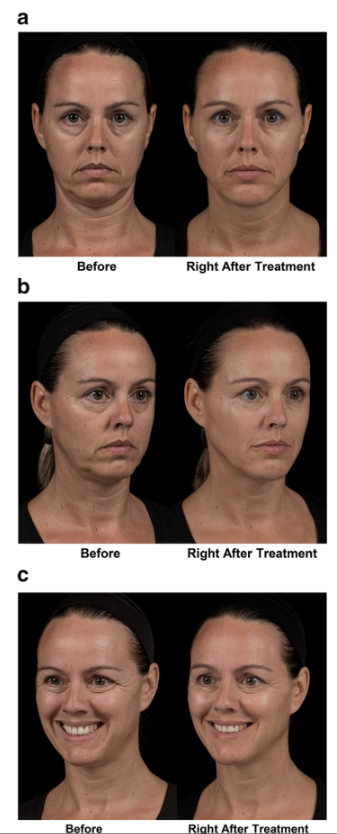
Before / After
It looks more natural not only from the front, but also from the side and in facial expressions.
“I’m not sure what was done, but the face feels more organized.”
When people say things like this, it usually means the MD Codes filler was well designed.
It is important that the face does not look awkward when smiling and that no particular area stands out over time.
For those who have felt awkwardness after filler,
for those who are more concerned about overall sagging than simple hollowing,
and for those who want a natural change,
an approach based on structure, like MD Codes filler, may be more suitable.
Filler is not a procedure that simply fills visible areas, but rather a process of organizing the overall structure.
The difference in results starts from that very beginning.
Lifton will continue to create more stable and natural results through anatomy-based design.
Thank you.