Hello, this is Lifton Dermatology.
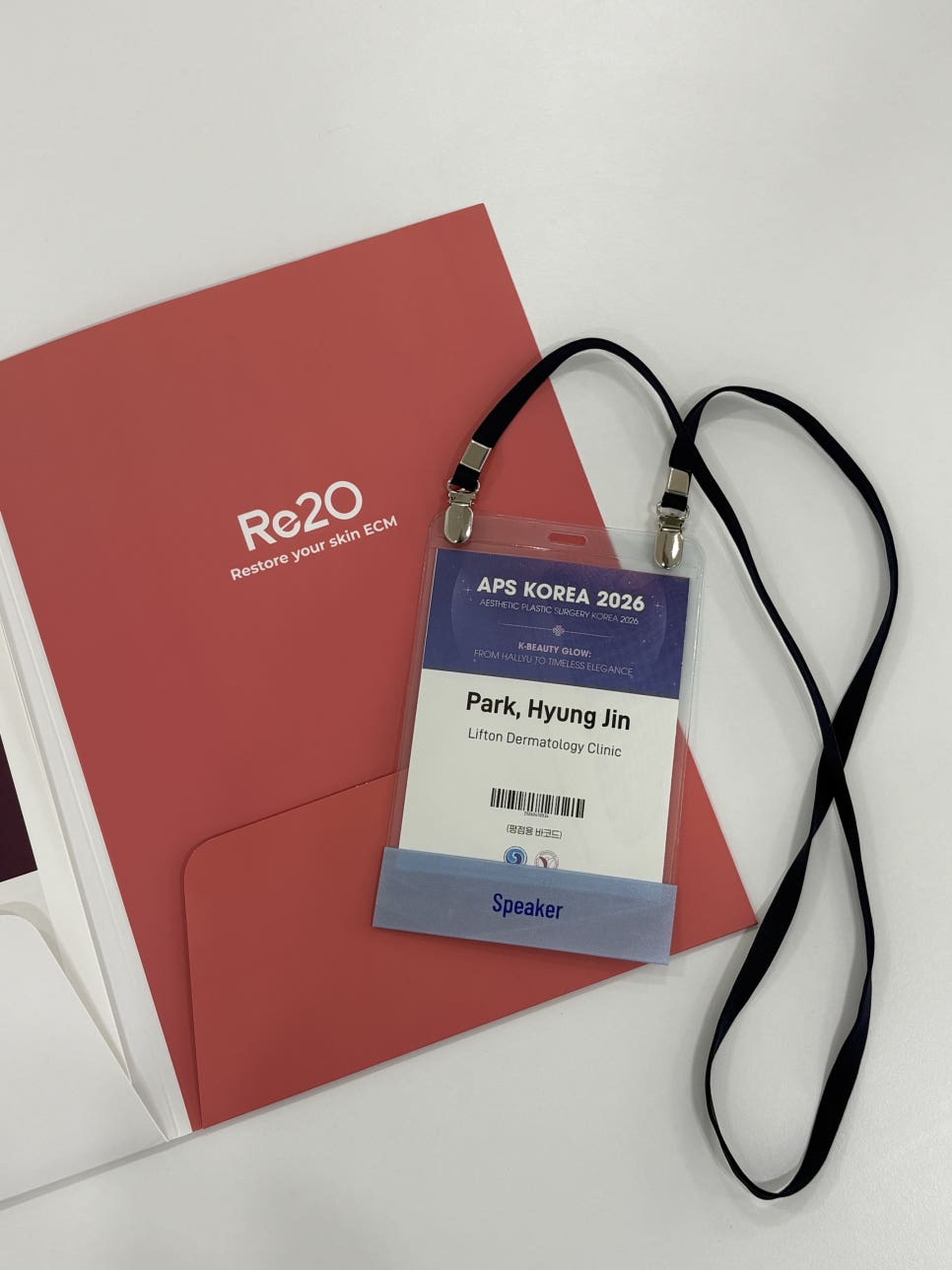
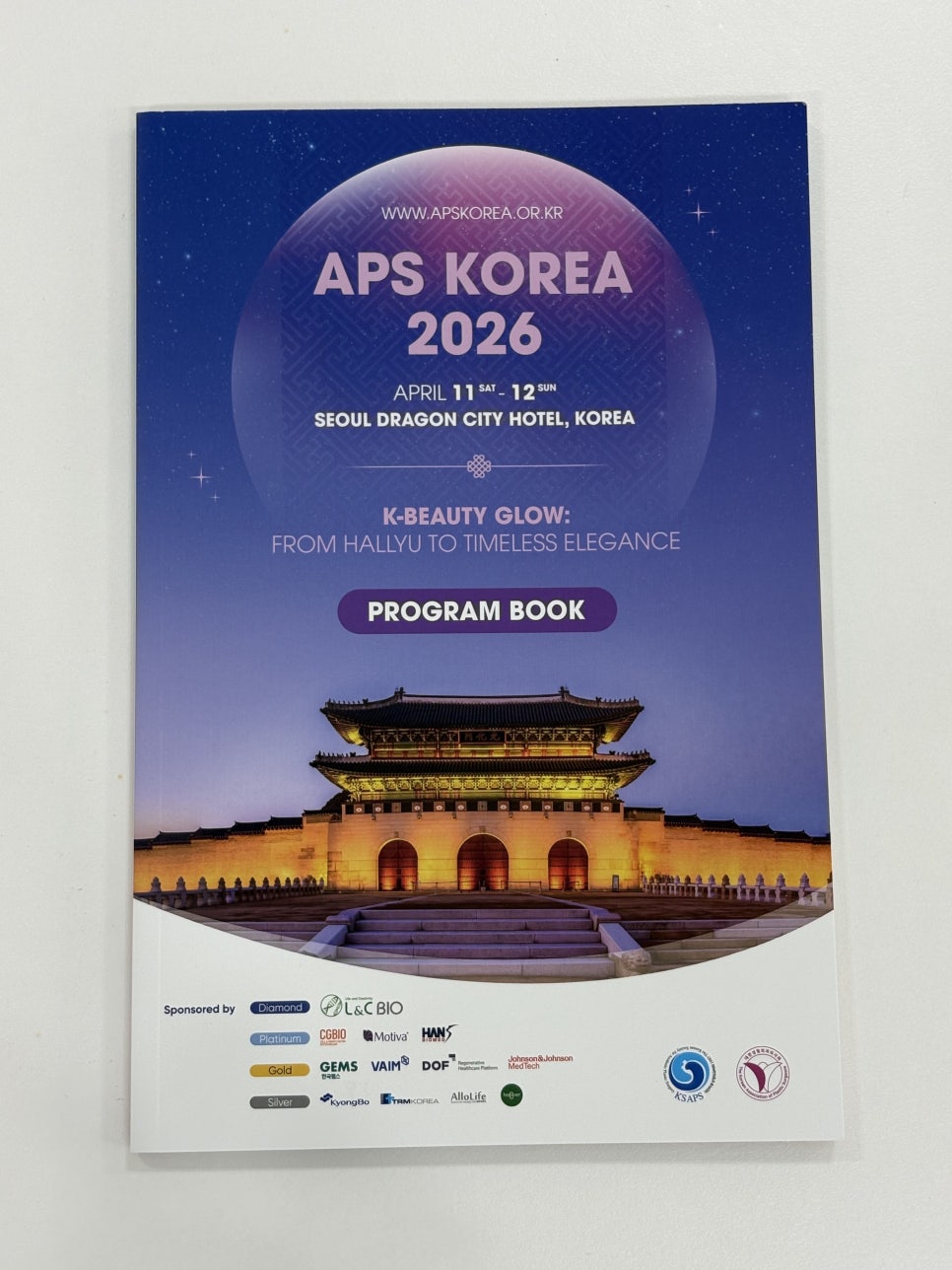
Lifton Dermatology’s Sinsa main branch participated in the APS KOREA 2026 conference.
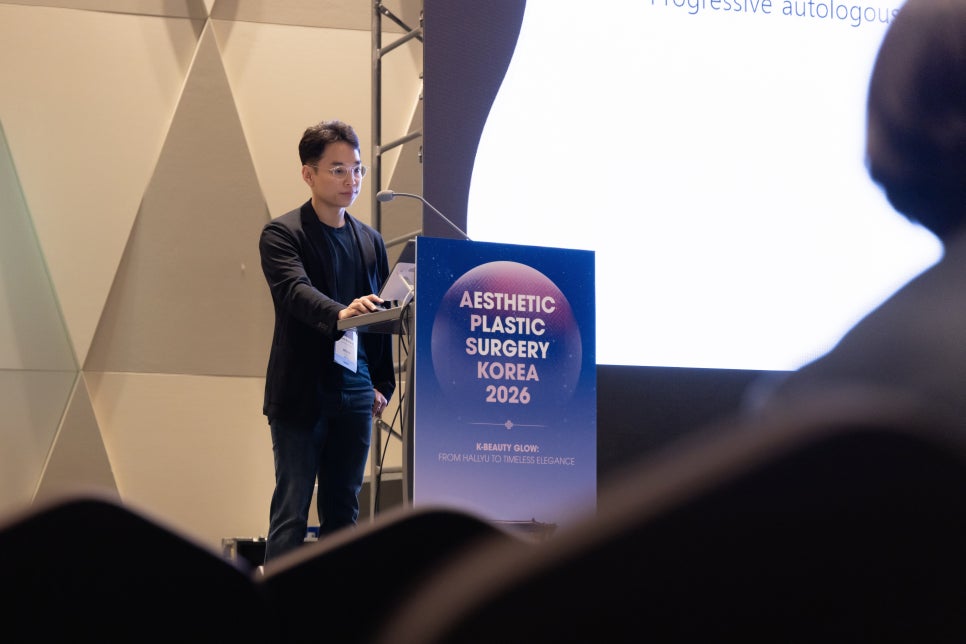
APS KOREA is an international academic event representing the field of plastic surgery in the Asia-Pacific region,
and this year’s event brought together more than 1,000 medical professionals from 40 countries to share the latest clinical knowledge and procedural trends.
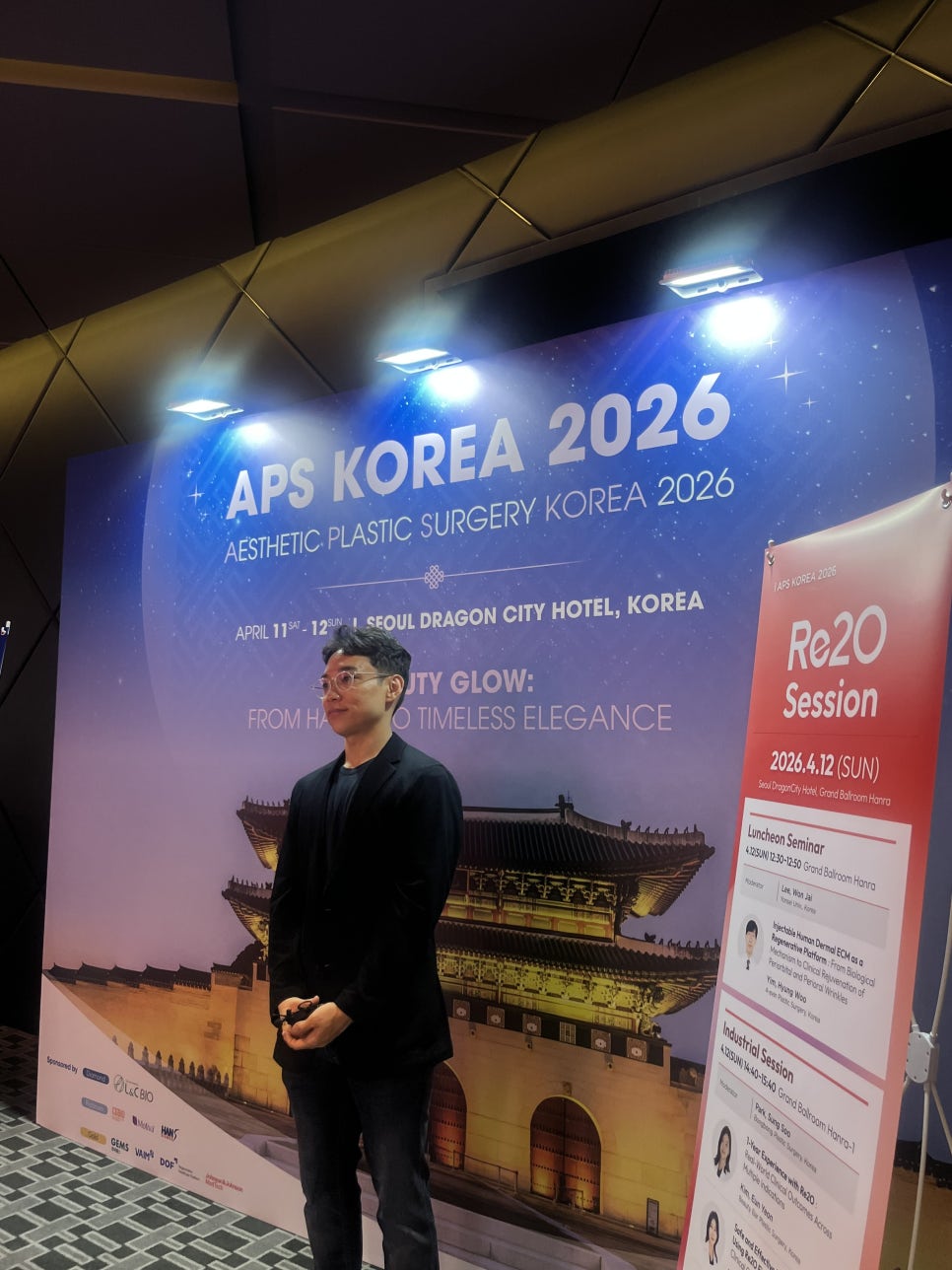
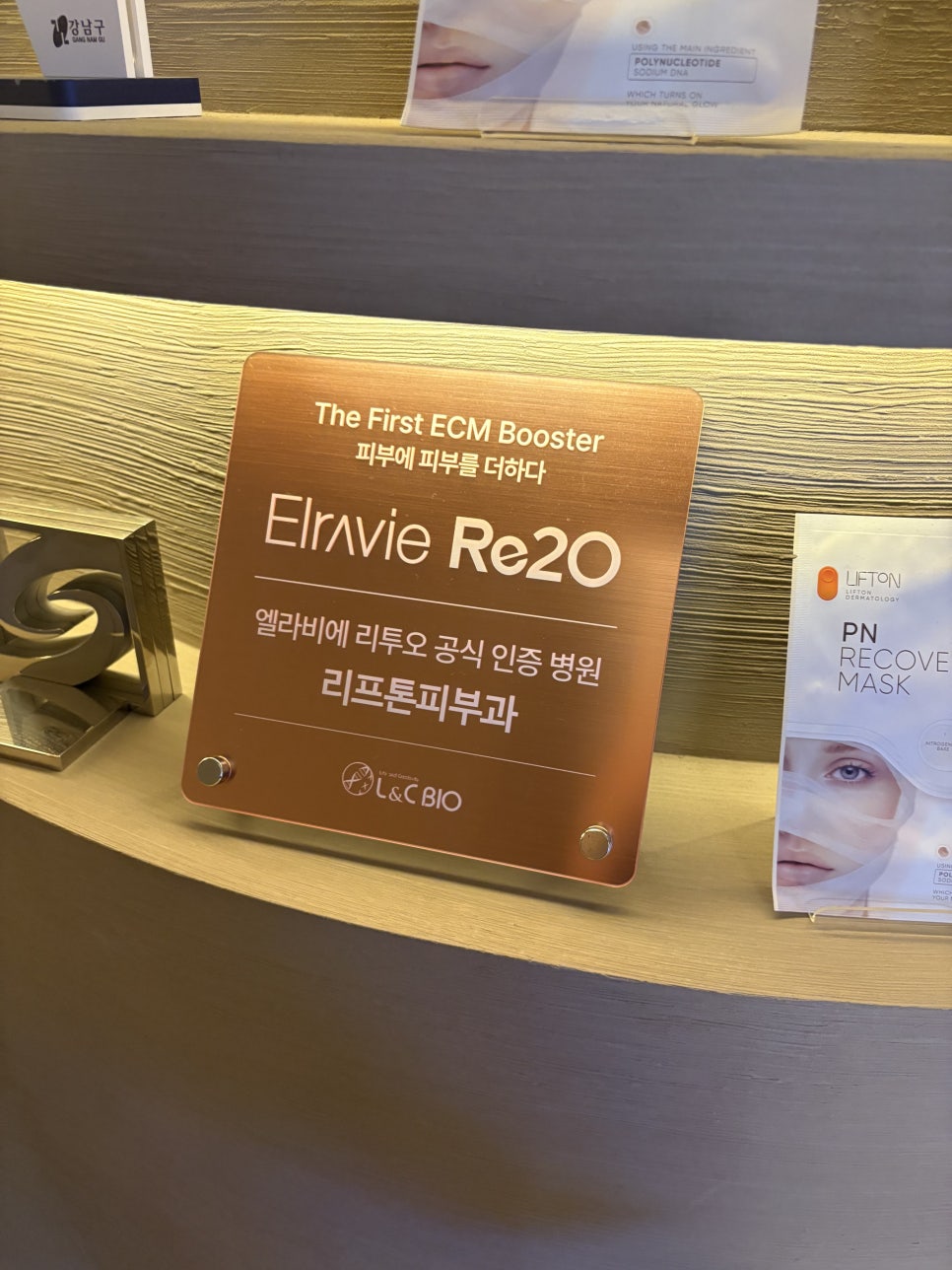
At this conference, lunch sessions and industrial sessions were held around L&C Bio’s ECM-based skin regeneration solution, Re2O,
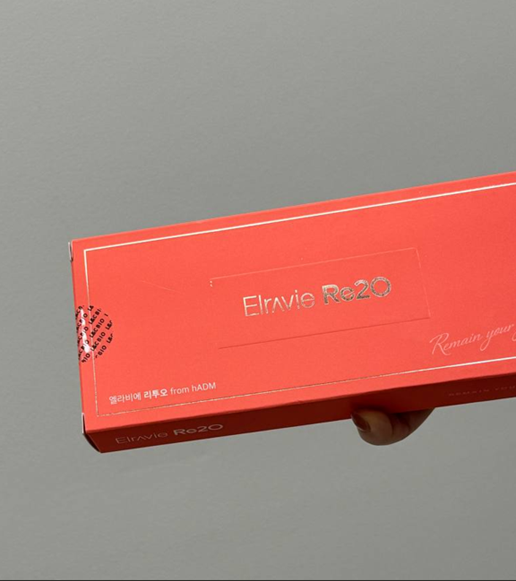
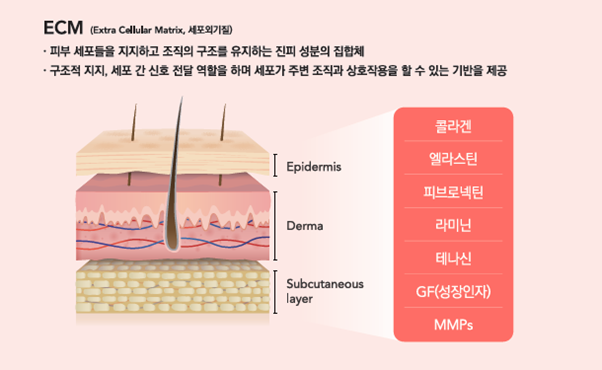
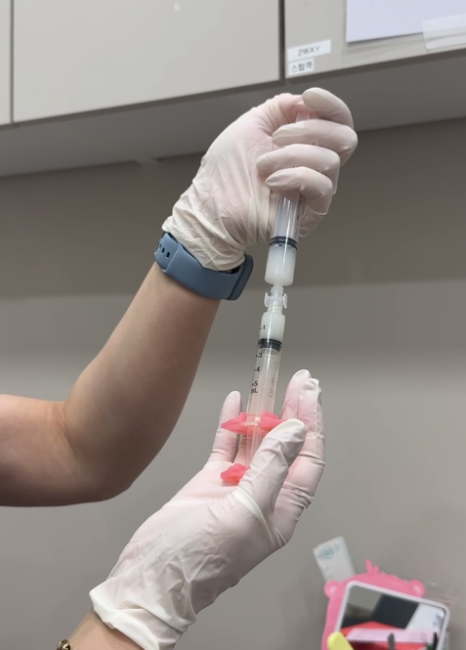
and Re2O was introduced as a treatment that uses ECM components based on human acellular dermis (hADM)
to restore damaged skin structure and induce natural tissue regeneration.
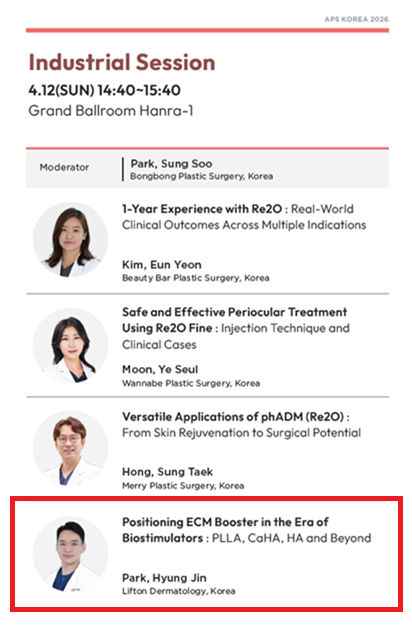
Lifton Dermatology
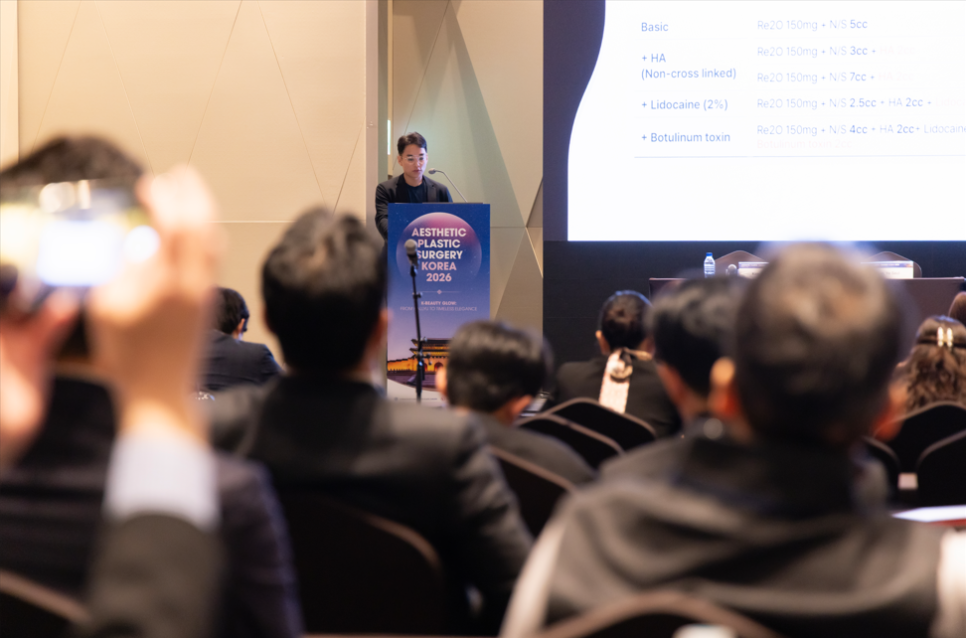
participated as a speaker in the industrial session and gave a presentation centered on Re2O’s positioning and clinical basis as an ECM booster in the biostimulator market.
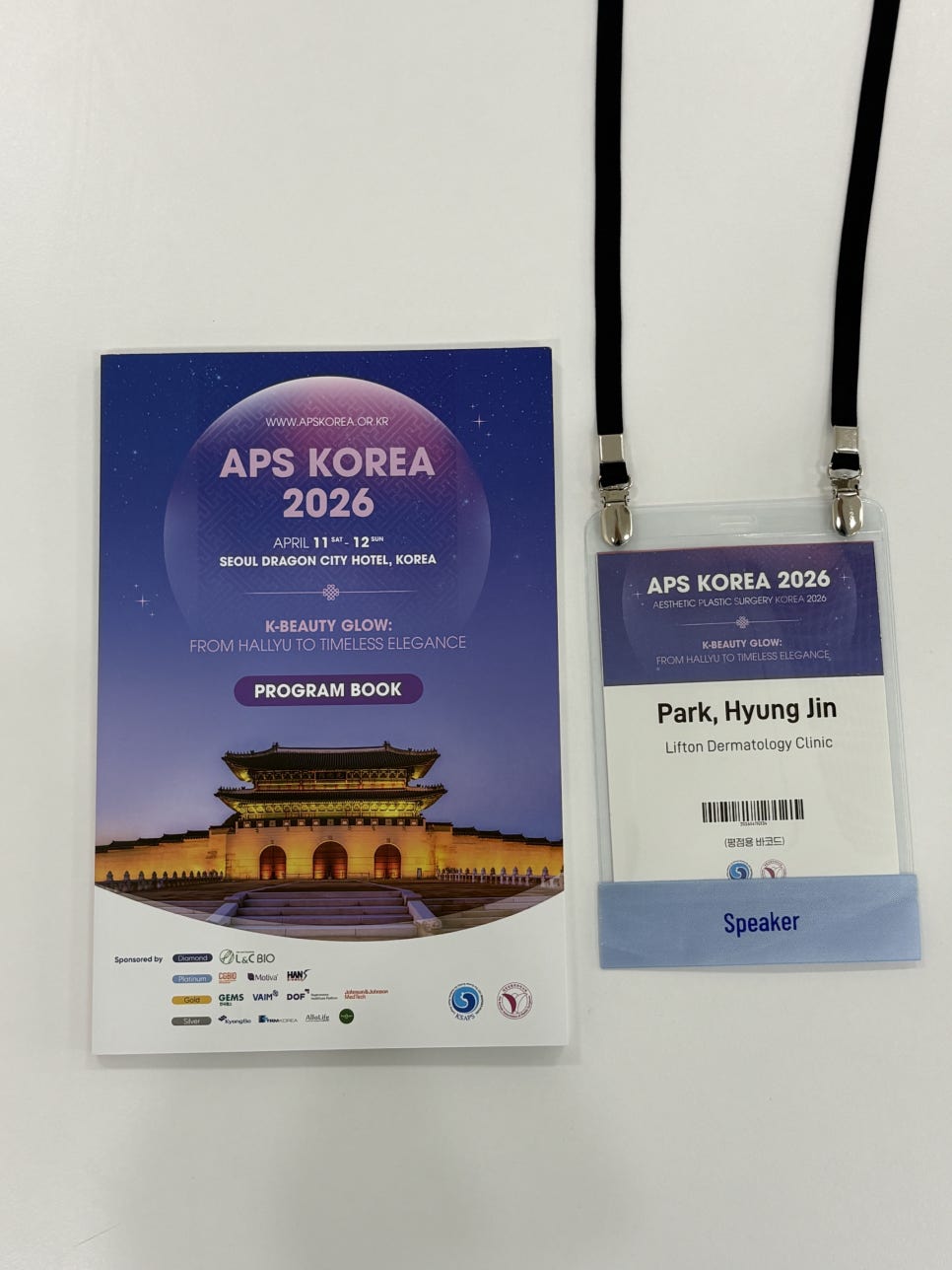
Rather than simply explaining a single procedure,
this presentation was closer to organizing where this treatment fits within the overall flow so far.
Cases that are difficult to organize with conventional approaches
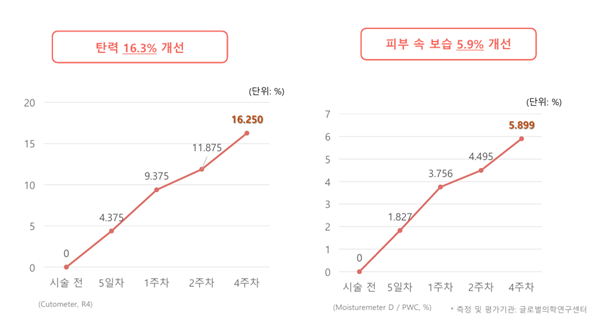
In clinical practice, there are cases that are difficult to explain simply as “sagging.”
There are repeated cases where lifting does bring things up, but the result does not feel neatly resolved,
or where filling volume seems to help at first but makes the overall impression heavier.
These are cases that cannot be fully explained with a single approach.
Limitations of biostimulators
Procedures such as PLLA and CaHA fundamentally work by inducing collagen production.
This approach still has value.
However, in states where the structure has collapsed, there are cases where simply generating collagen is not enough.
In particular, when the skin has become thin or the support structure has weakened, the response may be limited.
The difference of ECM-based treatment
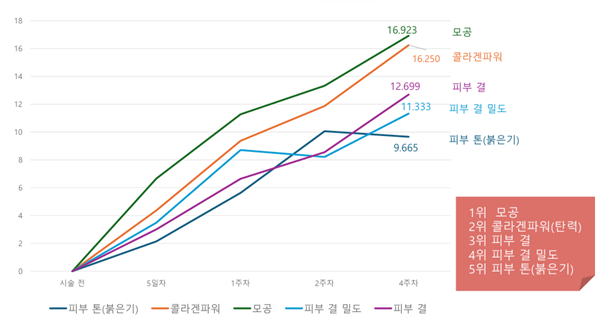
Re2O is less about making more collagen than traditional approaches
and more about supplementing the skin structure itself, which has already collapsed.
That is why the result tends to feel a little different as well.
Rather than a strongly lifted feeling or a dramatic increase in volume,
it is closer to creating a more refined and organized overall facial impression.
This difference is especially noticeable in areas with thin skin, such as around the eyes, or in cases where hollowing and sagging coexist.
Now it is about the “sequence” rather than the “procedure”
Even when receiving the same procedure, the results can differ,
and in most cases, the difference comes from the order in which the approach was taken.
So these days, while what procedure is performed is still important,
the point where treatment begins has a greater impact on the outcome.
Changing standards
The trend felt at this conference is relatively clear.
Rather than simply approaching the issue by dividing it into lifting and volume,
it is moving toward a standard based on how to restore and maintain structure.
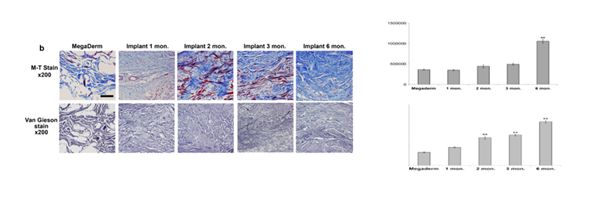
ECM-based treatments such as Re2O can also be seen as one approach within this trend.
Going forward, rather than the procedure itself, how facial structure is understood and how the treatment sequence is designed are expected to become more important factors.
Lifton Dermatology does not approach treatment by simply listing procedures.
We first examine each patient’s facial condition
and then organize how to set the structure and sequence before selecting the procedures that fit those needs.
 In the future, Lifton Dermatology will continue to base its care not on simply creating change,
but on understanding facial structure and planning treatment in a way that aligns with it,
so that results can be refined naturally without being excessive.
Thank you.