Hello, this is Lifton Dermatology.
When you feel that your skin is not the same as before,
many people think it is simply due to dryness or loss of elasticity,
but in reality, the skin’s regenerative ability and structure often start to shift together.
As this process continues, skin texture, elasticity, and even density are affected,
eventually leading to the feeling that your overall skin condition has broken down.
At this point, people often start wondering whether Rejuran or Lituo would be the better choice.
Both procedures are skin boosters, but they are not easy to compare in the same way.
That is because the points to look at first differ depending on your skin condition.
So rather than saying one procedure is better,
the choice changes depending on what needs to be addressed first in your current skin.
Viewed from this perspective, the difference between Rejuran and Lituo becomes much clearer.
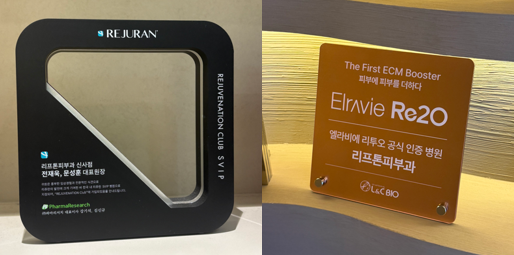
An approach to restoring the skin: Rejuran
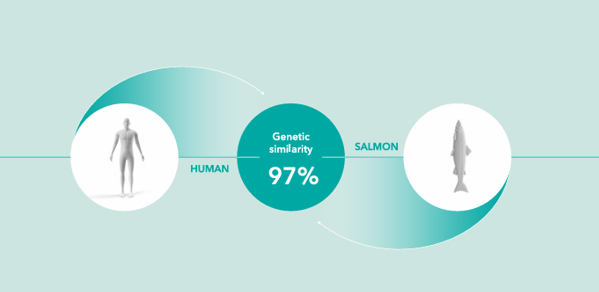
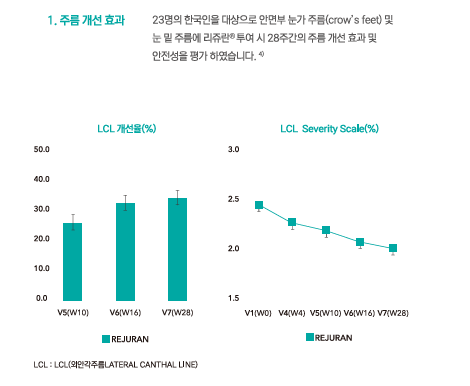
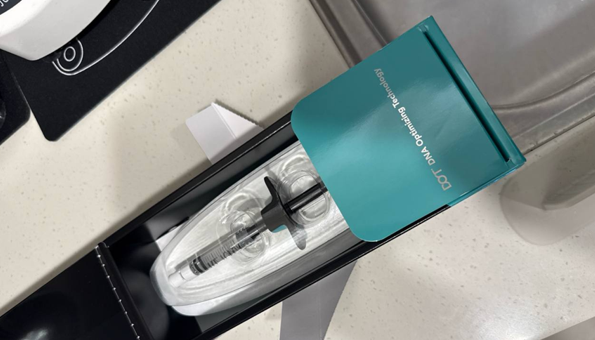 Rejuran is based on PN (polynucleotide) ingredients,
stimulates fibroblasts,
helps produce collagen and hyaluronic acid,
and not only helps restore a damaged skin environment but also induces regeneration of the dermal layer.
In this process, the skin barrier stabilizes,
its ability to retain moisture increases,
and the skin gradually becomes less dry from within, while skin texture improves over time.
In other words, it is less about creating a change that is only visible on the surface,
and more about preparing the foundation so the skin can improve its own condition.
Especially when the skin is sensitive or its foundation has been weakened by repeated irritation,
an approach that focuses on regeneration first,
rather than simply filling things in,
tends to lead to more natural and stable results.
An approach to rebuilding a weakened structure: Lituo
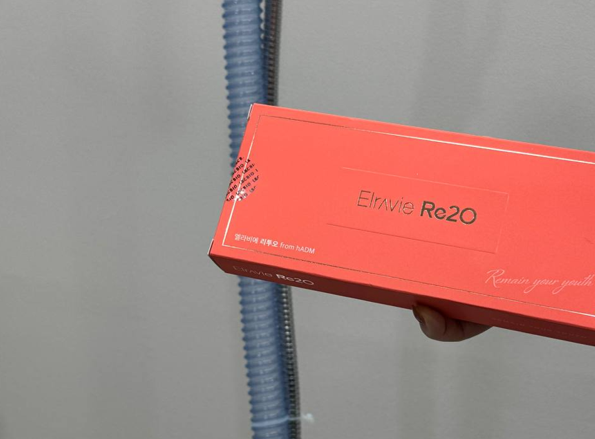 Lituo uses ECM (extracellular matrix)-based ingredients
to directly support the skin structure.
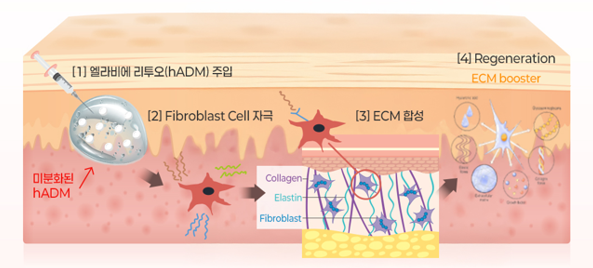
Based on acellular dermal matrix (hADM),
it works by reinforcing key structures that support the skin,
such as collagen, elastin, and GAG,
and its meaning lies less in simply adding volume
and more in rebuilding a structure that has weakened.
 Aging is not only a matter of reduced collagen,
but also a process in which the structure that supports the skin itself becomes weaker,
so an approach that complements this area is needed.
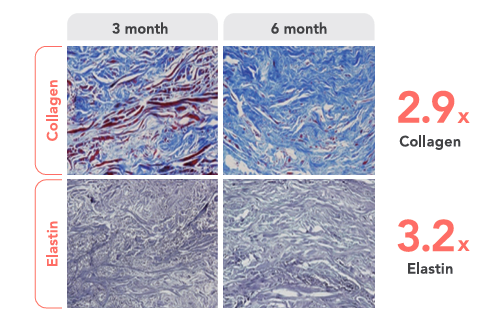 In practice, skin density and elasticity often improve relatively quickly,
leading to an overall sense that the skin condition has been organized and stabilized,
and if Rejuran is closer to the idea of recovery,
Lituo can be thought of as being closer to reinforcing structure.
The same skin booster, and why the results differ
 Both procedures are skin boosters, but there is a reason the results appear differently.
Rejuran approaches the skin from the standpoint of regeneration,
while Lituo approaches it from the standpoint of structure,
and this difference in criteria divides the direction of the results.
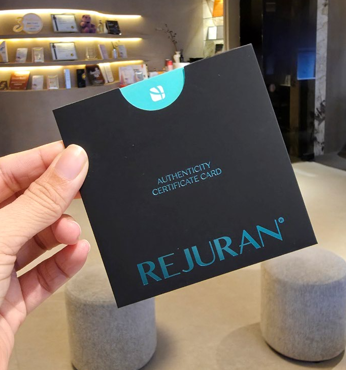 Rejuran shows a gradual improvement over time,
with skin texture and radiance becoming more refined,
while
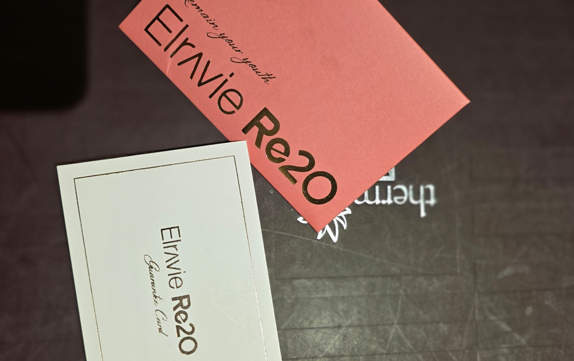 Lituo tends to lead relatively quickly to increased skin density and elasticity,
bringing the overall condition into better balance.
Ultimately, the direction of the changes you feel depends on which layer is addressed first,
and that is the biggest difference between the two procedures.
The 기준 for choosing the right result
What matters is
not which procedure is better,
but first looking at what has broken down in the current skin.
If the skin foundation is unstable, such as with internal dryness or sensitivity,
a regeneration-centered approach is more natural.
If the main issue is structural change, such as loss of elasticity or enlarged pores,
then an approach that reinforces the structure is more appropriate.
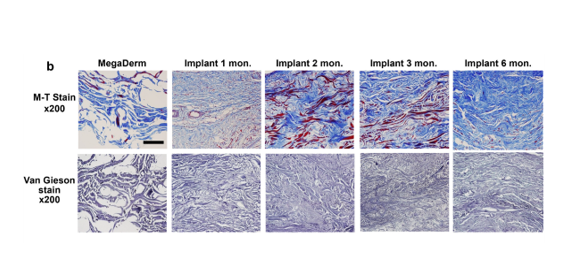 In actual treatment,
rather than choosing one or the other,
it is often more common to decide whether to look at the structure first or build the foundation through regeneration first,
and
it is this process that determines the completeness of the outcome.
Which layer is addressed first,
and in what order the approach is taken,
will inevitably affect the result.
That is because skin is not a single structure,
but something made up of multiple layers.
Rejuran and Lituo are
less like procedures that replace each other,
and more like tools that complement different layers.
 Going forward, Lifton Dermatology will not simply compare Rejuran and Lituo,
but will instead distinguish between regeneration and structure
based on each patient’s skin condition,
and through treatment that designs the right order accordingly,
we will continue to create results that are natural, not excessive, and neatly refined.
Thank you.