Hello, this is Lifton Dermatology.
Recently, we have been receiving an increasing number of inquiries about NAD+.
Many people have heard the name but are curious about what kind of treatment it is, how it differs from typical IV infusions for fatigue recovery, and whether it is related to skin condition.
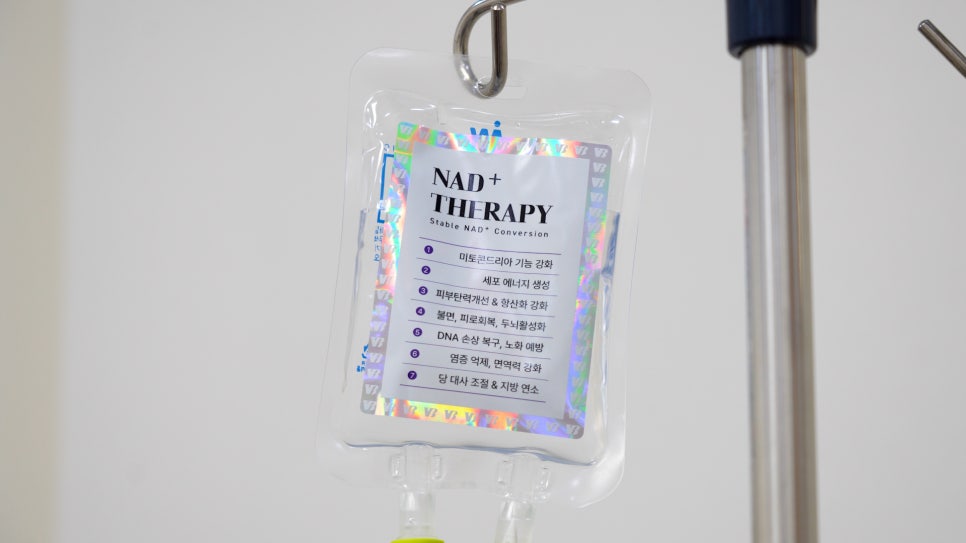
NAD+ is an ingredient that has attracted growing interest after becoming known, particularly in the international wellness field.
However, just because it is widely known does not mean it is an immediately necessary treatment for everyone.
First, it is necessary to understand what role NAD+ plays in the body and determine whether it can be applied appropriately for your current physical condition and skin condition.
There are times when you feel that your skin no longer recovers as well as it used to.
For example, your face may not look clear even after getting enough rest, your skin may easily become rough and dry, or your makeup may not sit well.
Some people also say that they feel their recovery after lifting or skin booster treatments is taking longer than before.
Today, we will explain what NAD+ is and how the NAD+ Recovery Care program at Lifton Dermatology is structured.
What Is NAD+?
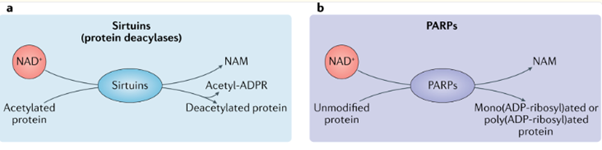
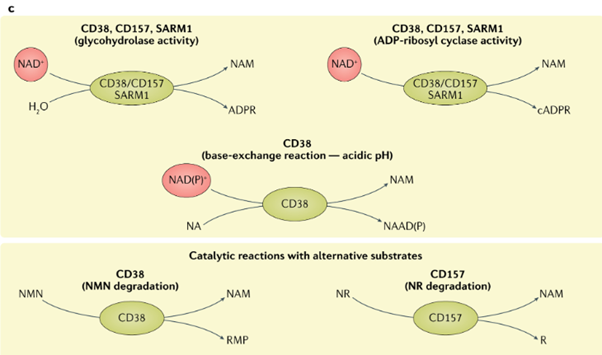
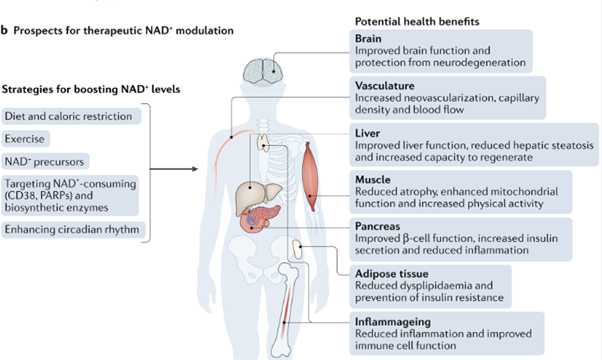
NAD+ is a coenzyme involved in energy metabolism inside the cells of our body.
Simply put, it is a substance needed for cells to produce energy and perform their functions.
Our bodies produce and use energy every day. The skin is no exception.
When exposure to ultraviolet radiation, lack of sleep, and accumulated fatigue continue, the skin experiences strain as it withstands external stimuli and goes through the process of recovering.
At such times, the skin can continue its recovery process when the flow of cellular energy production is functioning smoothly.

This is also why NAD+ has attracted attention in the wellness field.
Rather than viewing it as care that simply moisturizes the outer layer of the skin, it is helpful to understand it as a treatment that considers energy metabolism, the recovery process, and overall skin vitality together.
Why We Check Your Condition Before and After Skin Treatments
Dermatological treatments often involve stimulating the skin and then using the subsequent recovery process.
Lifting, laser treatments, and skin boosters all work differently, but in the end, it is important for the skin to respond well and recover stably.
When the skin is sensitive or your overall physical condition has declined significantly, the recovery experience may feel different even after receiving the same treatment.
Lifton NAD+ Recovery Care
At Lifton Dermatology, we introduce this treatment under the name NAD+ Recovery Care.
It is not a program that involves NAD+ IV infusion alone. Instead, it organizes your basic physical condition, supports the energy metabolism process with NAD+, and then continues with soothing and recovery care for the skin’s surface.
The program consists of Myers’ Cocktail IV Therapy, a glutathione injection, NAD+ IV therapy, LDM, and either Exo-V or Lorian Element.
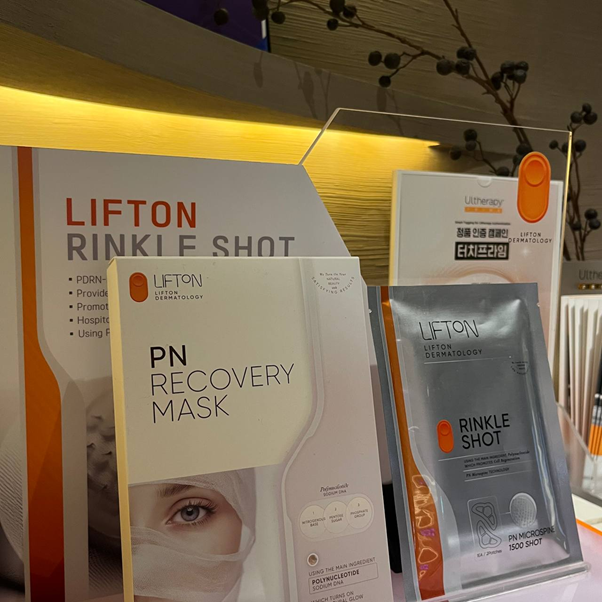
One box of PN Recovery Mask Packs is also provided for home care after treatment.
Rather than viewing each step separately, it is helpful to see the program as one continuous process: organizing the body’s foundation, supporting cellular energy metabolism, and then continuing with recovery care for the skin’s surface.
Step 1: Myers’ Cocktail IV Therapy and Glutathione Injection
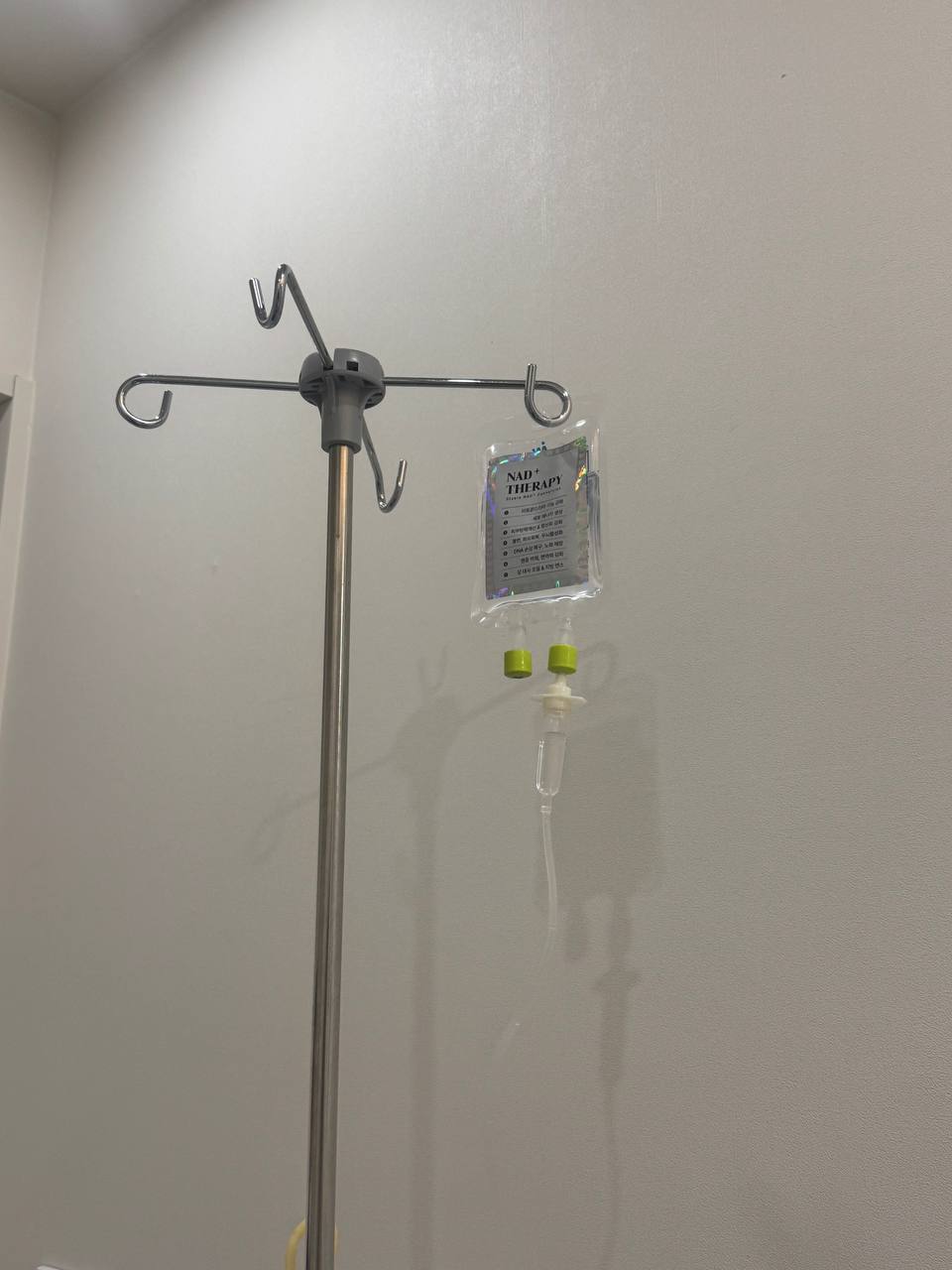
The first step is Myers’ Cocktail IV Therapy and a glutathione injection.
Myers’ Cocktail is an IV infusion treatment that supplements a combination of ingredients needed for energy metabolism and maintaining physical condition, including vitamin C, B vitamins, magnesium, and calcium. Glutathione, widely known as the ingredient used in “white jade” injections, is also added to consider antioxidant care and a clear-looking skin condition.
When fatigue accumulates, the skin may look dull or the face may appear to have lost its vitality.
In such cases, it is necessary to organize your overall physical condition rather than caring only for the surface of the skin.
Step 2: NAD+ IV Therapy
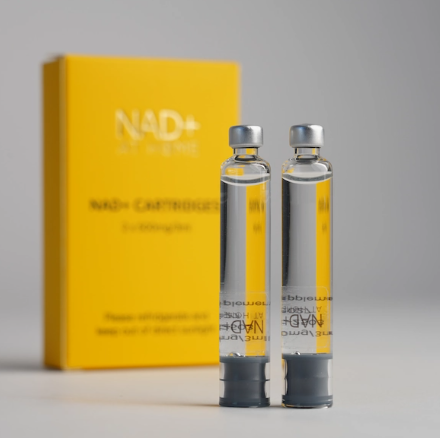
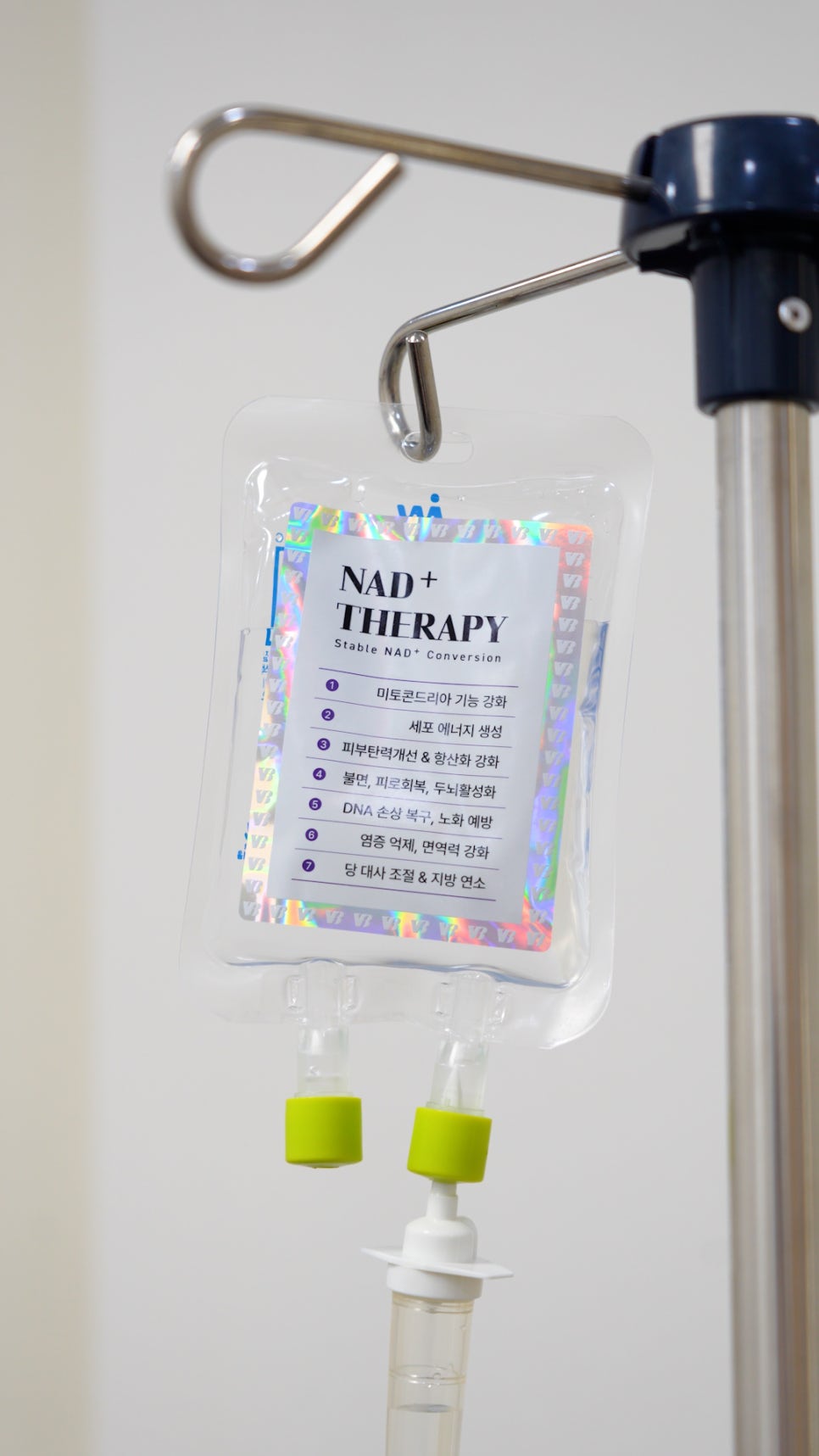
The second step is NAD+ IV therapy.
NAD+ is involved in cellular energy metabolism and maintaining physical condition, and is used with the purpose of managing overall balance when accumulated fatigue or a decline in condition is felt.
Lifton NAD+ Recovery Care is administered by slowly delivering one ampoule of NAD+ intravenously.
This step considers the body’s energy balance and overall condition, rather than focusing only on temporary care for the skin’s surface.
However, this care is not applied identically to everyone. Your usual level of fatigue, sleep condition, medications you are taking, history of previous treatments, and condition on the day are checked before proceeding within a range that does not place undue strain on you.
Step 3: Soothing and Recovery Care for the Skin’s Surface
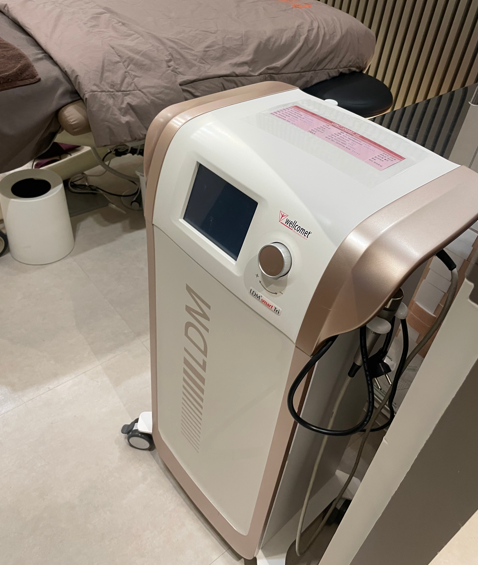
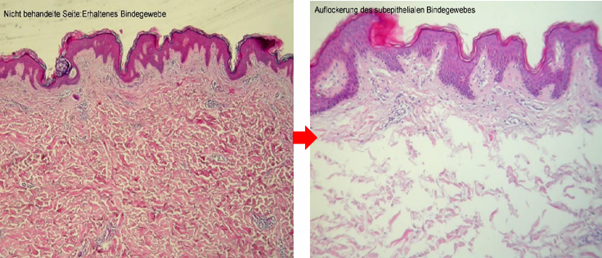
Once your internal condition has been managed with NAD+, soothing and moisturizing care for the skin’s surface should follow as well.
LDM is a treatment device that may help with soothing and moisturizing care without placing a significant burden on the skin.
Because it can be applied relatively comfortably even to dry or sensitive skin, it is used as a step to settle the skin after treatment.
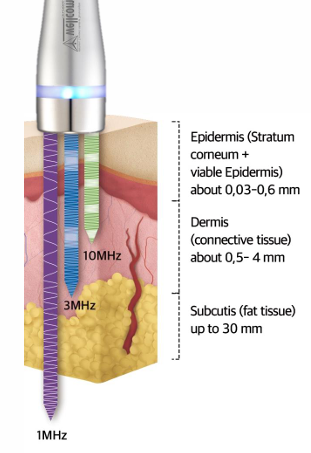
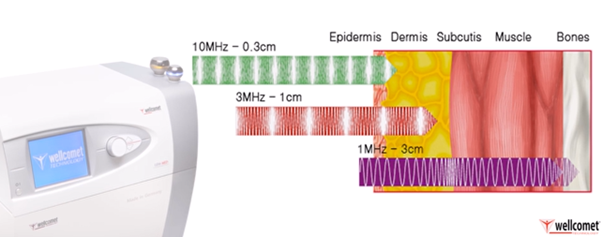
Depending on the condition of the skin, Exo-V or Lorian Element is also applied.
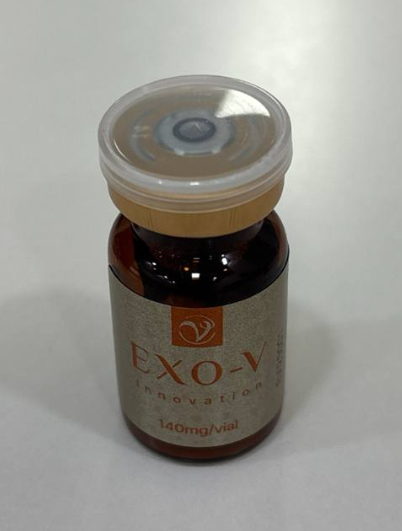
Exo-V is used as an ingredient-based treatment to organize the condition of tired skin and help with skin recovery care and improving skin texture.
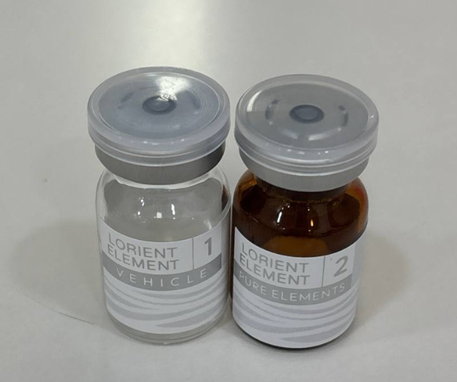
Lorian Element is used according to skin type and purpose to care for a clearer-looking skin tone and a moisturized skin condition.
The two ingredients are applied according to the condition of the skin and the purpose of care.
Continuing Comfortable Skin Care After Treatment
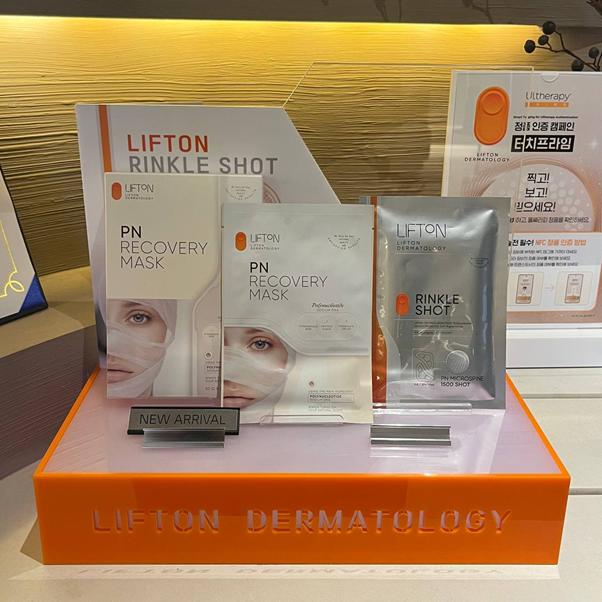
When the skin feels dry or sensitive after treatment, recovery care at home is just as important as the care received at the clinic.
This is why a PN Recovery Mask Pack is included with NAD+ Recovery Care.
PN is an ingredient that has been used for skin regeneration and recovery care.
At Lifton Dermatology, based on our experience with various treatments, we have also considered combinations that can be used comfortably even when the skin has become sensitive.
You can think of it as home care that allows you to continue caring for your skin gently at home if you feel tightness or dryness after NAD+ IV infusion treatment.
When providing information about NAD+ IV infusion treatment, what is important is not only the NAD+ ingredient itself but also consideration of your current skin and physical condition.
At Lifton Dermatology, we recommend the care needed within a process that allows the skin to recover stably.
Going forward, Lifton Dermatology will continue to provide care by carefully examining each patient’s skin condition and overall physical condition and accurately explaining the treatments that are needed, rather than recommending popular treatments without consideration.
Thank you.