Hello, this is Lifton Dermatology’s Sinsa Main Branch.
This July, Lifton Dermatology introduced Lumenis’s “TriLift” lifting device.
TriLift is the next-generation lifting device first introduced by Lumenis, and it is one of the latest lifting devices only now beginning to be introduced in Korea.
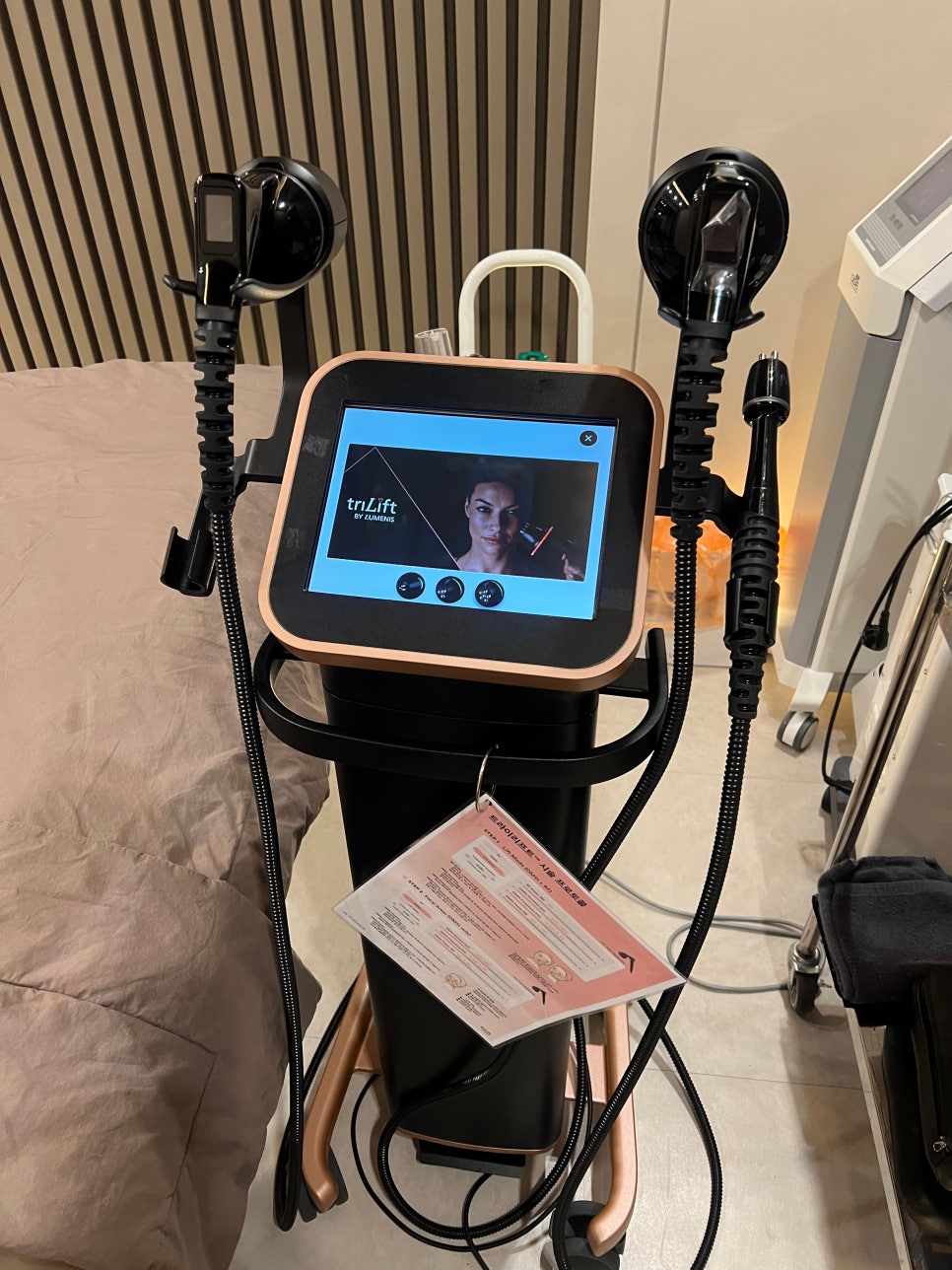
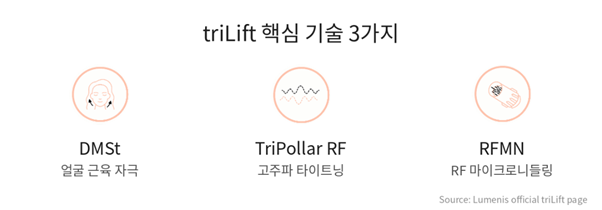
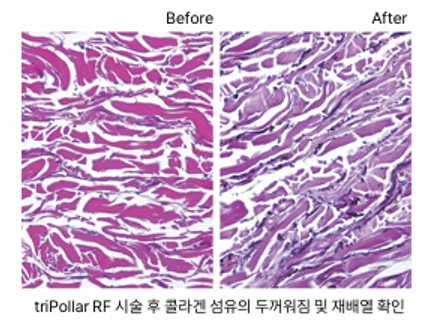
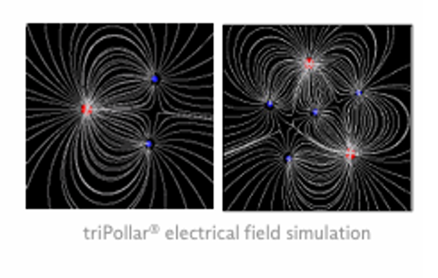
TriLift is a non-invasive facial lifting treatment that combines radiofrequency with dynamic muscle stimulation technology.
While existing lifting devices have primarily focused on specific layers, such as the skin, fat, or fascia,
TriLift differs in that it also adds muscle stimulation to support the face from below.
Because it is still a device that is not readily available in Korea, we decided to introduce it quickly in order to offer many people a new lifting experience and the possibilities of TriLift.
Why TriLift Is Needed
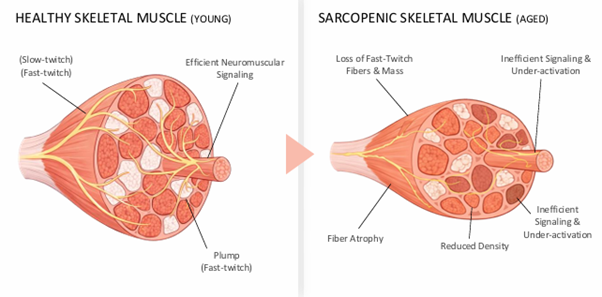
What matters in lifting treatment is not simply pulling the skin tightly.
Facial sagging does not occur in just one layer of the face.
As skin elasticity decreases, the position of the fat layer changes, and the supporting strength of the face weakens, the jawline and the lines around the mouth become less defined.
Until now, lifting devices have each played an adequate role by focusing on their respective layers.
They may address sagging in deeper layers, improve skin elasticity, or help organize the fat layer.
However, in actual consultations, there are faces whose appearance is difficult to explain through just one layer.
In some cases, the facial contours may still look heavy even after the skin has been tightened, or the areas around the mouth and jawline may continue to appear to droop even after the fat has been reduced.
TriLift was introduced to address precisely this aspect.
By adding dynamic muscle stimulation technology to the radiofrequency energy used to address the skin and fat layers,
TriLift can be described as a lifting device that also considers the strength supporting the face from below.
How It Relates to Existing Lifting Treatments — Expansion, Not Replacement
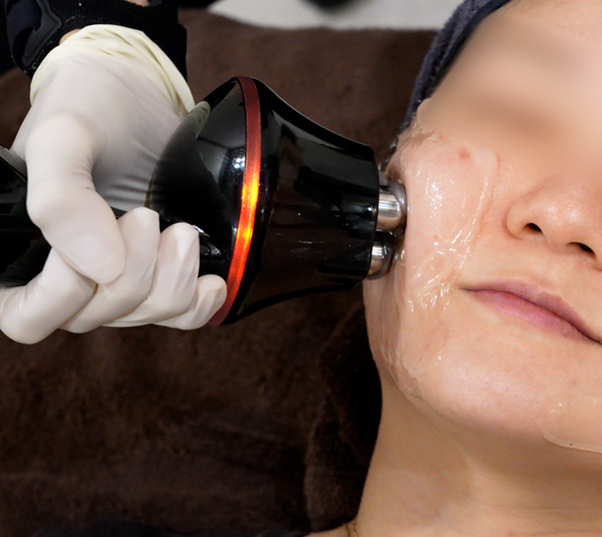
TriLift is not intended to replace existing lifting devices.
Just as each device, such as Ulthera, Thermage, and Onda, has its own role, TriLift is closer to a device that adds a new role within lifting treatment.
Structural sagging in the deeper layers requires a device suited to that concern, while cases centered on reduced skin elasticity require a different approach.
TriLift expands the scope of lifting treatment by adding muscle stimulation to this approach.
Rather than replacing existing devices, it is used to supplement the strength of the facial contours when addressing only the skin and fat layers is not enough.
Who Is It Suitable For?
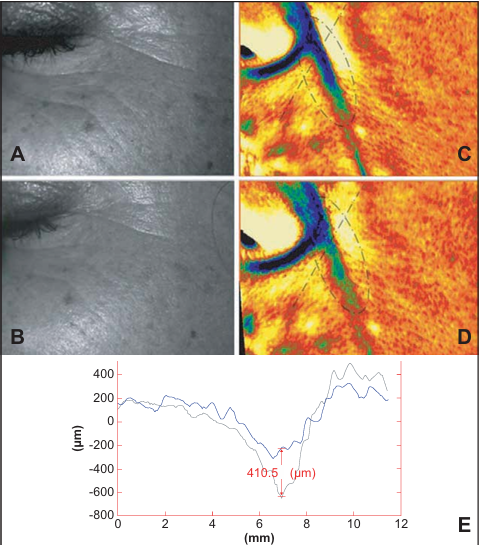
TriLift is suitable for those who want natural changes in their facial contours rather than an overly tightened appearance.
We consider it for people who were not satisfied with tightening the skin alone, those who still appeared to have sagging after fat reduction, and those whose jawline and the lines around the mouth appeared heavy and lowered.
People who have hesitated to undergo lifting because of severe pain or extended downtime may also be able to approach treatment with relatively less burden.
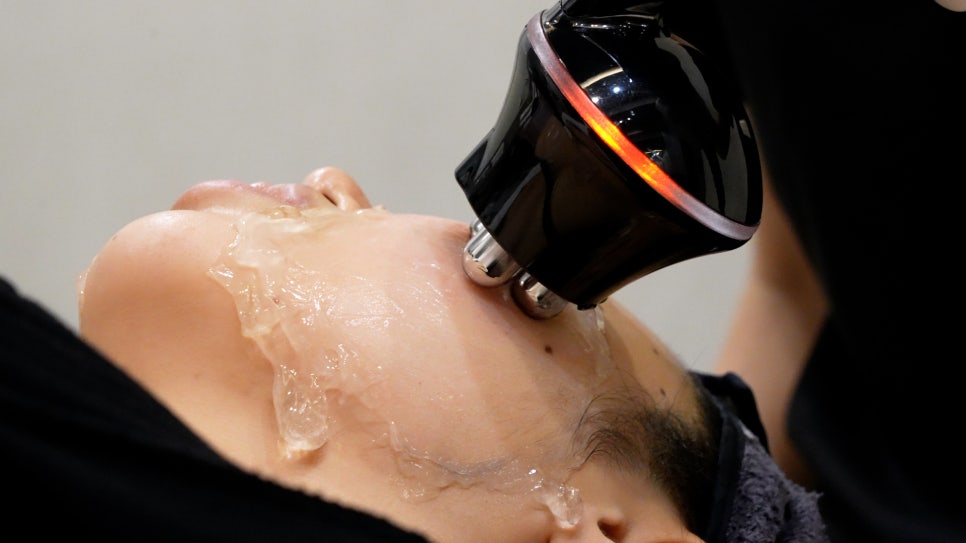
However, the same approach is not used for every face.
The treatment areas and intensity vary depending on skin thickness, the amount of fat, the direction of sagging, and habitual facial-expression patterns.
For Body Firmness as Well
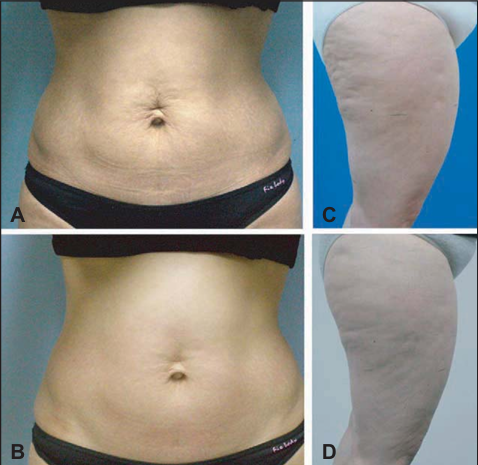
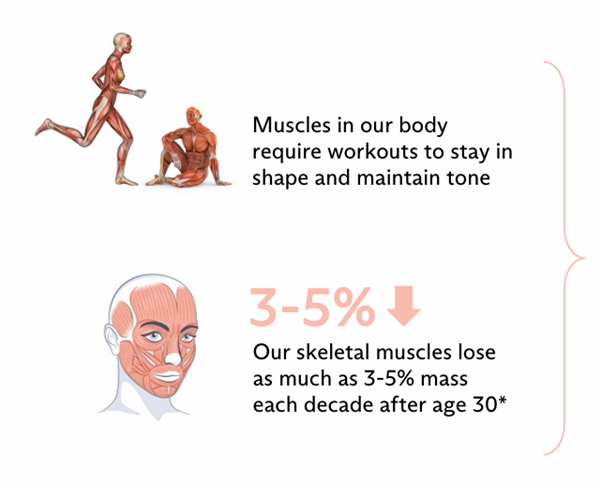
TriLift can be applied not only to the face but also to improve body firmness.
The target areas include places such as the abdomen, upper arms, thighs, and buttocks, where the skin has become loose and the contours appear to spread without definition.
It may also be suitable when loose skin is a greater concern than the amount of fat, such as after weight changes or childbirth.
While Body Onda is a device that focuses on the fat layer to help refine the contours,
TriLift uses radiofrequency thermal energy together with muscle stimulation to address loose firmness and a disrupted body silhouette.
Rather than simply managing fat reduction, its purpose is closer to adding firm tension to sagging areas and refining the overall contours so that they do not appear to collapse without definition.
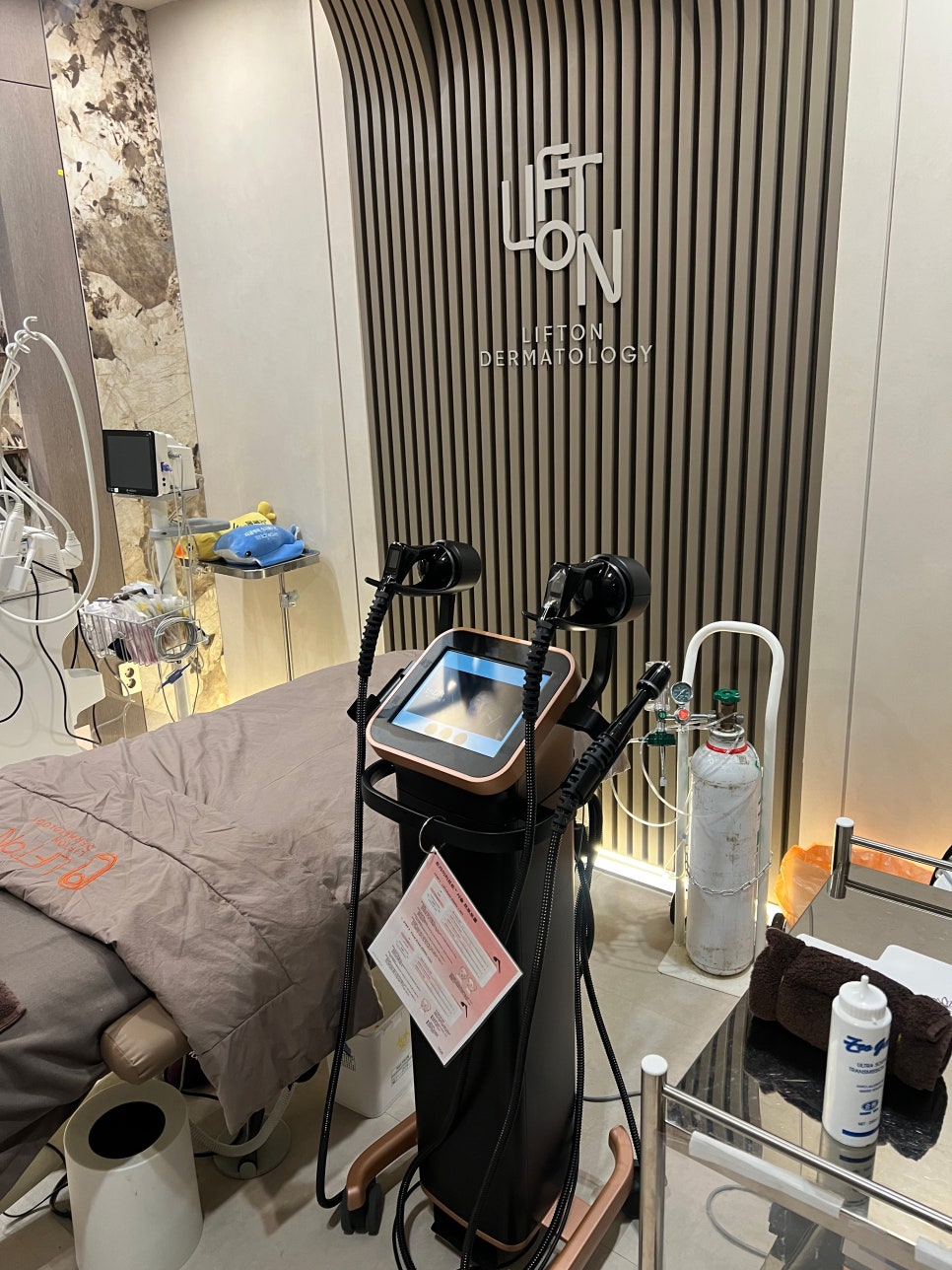
TriLift does not end with simply using the device.
For the face, it is necessary to check which areas appear to have lost strength and how the results of previous lifting treatments remain.
For the body, the process must distinguish whether the cause of the disrupted contours is fat or reduced firmness.
Only once these criteria have been established can the necessary areas and intensity be determined.
Lifting results are determined by diagnosis and treatment planning rather than by the type of device alone.
TriLift is meaningful in that it adds a new direction—muscle stimulation and radiofrequency—to the lifting treatments offered by Lifton Dermatology.
Going forward, Lifton Dermatology will not simply add more devices. Instead, we will expand our treatment system in a way that reflects the structure of aging and each patient’s condition.
Thank you.