Hwagok Station Dental Clinic: Should you place an implant for each missing tooth?
Hello.
I’m dentist Kim Geun-il.
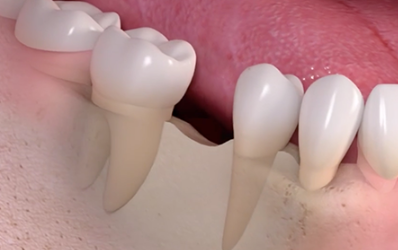
When a tooth falls out, it can leave you feeling very unsettled.
Even if only one or two are missing,
it can be uncomfortable when chewing,
and the empty space in the mirror
can keep drawing your attention..
Especially if several are lost at once,
you may naturally wonder,
“Do I have to fill all of these with implants?”
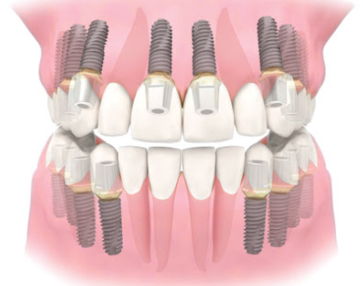
If one implant has to be placed for every missing spot,
the cost burden can be large, and you may also worry
whether it will put too much strain on your body.
But do the number of missing teeth
and the number of implants that need to be placed
always match exactly?
Hwagok Station Dental Clinic
When talking with patients,
people often ask,
“I’m missing 3 teeth—do I have to place 3 implants?
Wouldn’t it be okay to place only 2..”
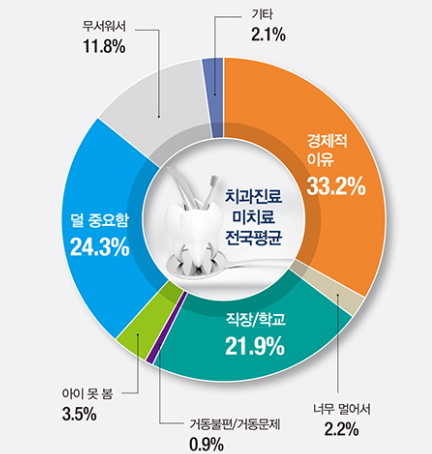 Source: Dental Medical Policy Research Institute, Korean Dental Association
Since dental treatment can take a long time once a decision is made,
and the cost is nothing to ignore,
it’s only natural to be more cautious.
Today, I’ll explain the key points patients really need to know
about this question in an easy way^^
If you’re about to receive treatment, I hope this article
helps you decide on the direction of treatment.
Please read to the end :)
- Do you only need to place one implant per missing tooth?
Hwagok Station Dental Clinic
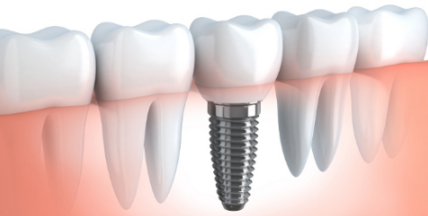
If one tooth is missing,
placing one implant in that spot
is the basic treatment method.
Because it can take the place of the root,
just like a natural tooth.
But that is not always the case.
Hwagok Station Dental Clinic
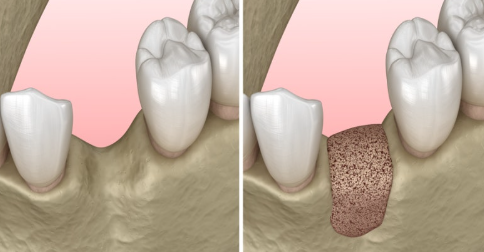
If the jawbone around the missing area
has been significantly resorbed, additional
bone grafting may be needed, and depending on the situation,
there are cases where placing one implant may be difficult.
Also, the approach can change
depending on where the tooth is missing.
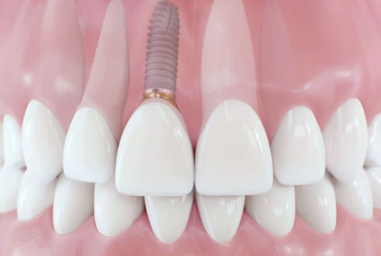
If it is in the front teeth area, where aesthetics matter,
a more precise plan is needed,
and
in molar areas, where a lot of chewing force is transmitted,
a design that can provide stronger support
is necessary.
In the end, even if only one tooth is missing,
you should remember that all conditions must be met
to place it safely^^
- Is there something more important than the number of missing teeth?
Hwagok Station Dental Clinic
When several teeth are missing,
you might think, “Wouldn’t it be enough to place implants only for the missing ones?”
However, the goal of implant treatment is not simply
to fill the number of missing teeth.
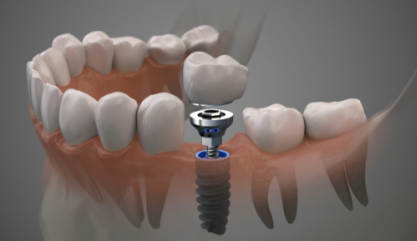
What matters more is how to restore the overall function
and balance of the mouth.
Hwagok Station Dental Clinic
Teeth do not exist separately from one another;
they distribute chewing force and support the entire oral cavity
by balancing each other across the upper, lower, left, and right sides.
Implants are the same.
So when several teeth are missing,
instead of placing one implant in each missing spot,
implants may be placed in the necessary positions,
and
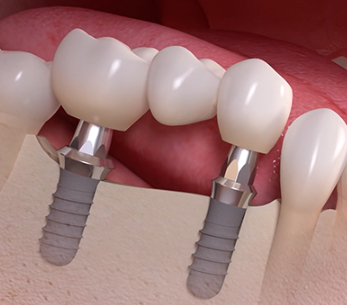
The spaces between them may be filled with a connected prosthesis (bridge)
to distribute the force evenly.
With this kind of design, force does not concentrate
in just one area, the surrounding teeth or jawbone
are not overburdened, and the prosthesis can be used
in a much healthier way.
In other words, rather than focusing on “how many to place,”
planning should be based on “how can it be used safely and for a long time?”^^
- Are there other options when several teeth are missing?
Hwagok Station Dental Clinic
When several teeth are missing,
implants are not the only option.
Depending on the situation, dentures, implant-supported dentures,
bridges, and other restoration methods can be considered.
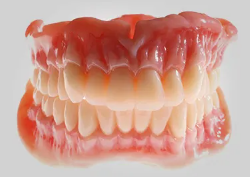
The basic option is dentures.
They can restore multiple teeth at once,
but because they are removable,
they may be a little inconvenient to use.
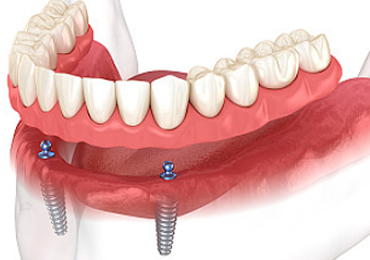
Implant-supported dentures are a method in which several fixtures are placed
and dentures are secured on top of them.
Since they are fixed more firmly than regular dentures,
stability is improved.
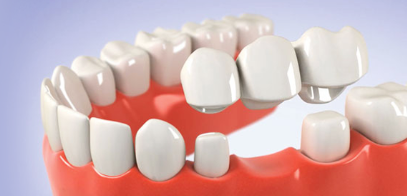
Bridges are a method of connecting the space like laying a bridge
by using the teeth remaining on both sides of the missing area.
However, there are cases where the neighboring teeth need to be shaped,
so the choice should be made carefully depending on the condition.
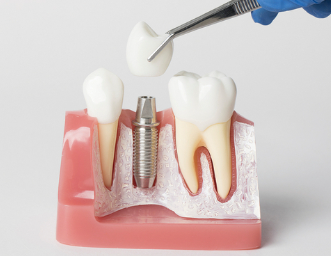
Implants restore the missing area by directly placing artificial teeth,
and this is a method that can provide functions similar to natural teeth.
Which treatment method to choose is decided by comprehensively considering
the condition of the remaining teeth, the amount of jawbone,
chewing force, the patient’s lifestyle, and other factors.
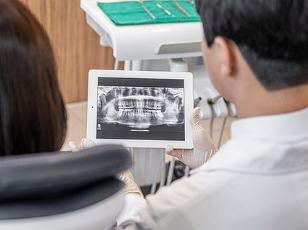
In the end, the method for restoring missing areas is not fixed to just one option,
but can vary depending on each patient’s oral condition
and needs.
Please keep this in mind^^
Today, under the topic of “Hwagok Station Dental Clinic: Should you place an implant for each missing tooth?”
we looked into related information.
How many implants should be placed,
and which method should be chosen,
is not decided simply by numbers.

It is important to find the method that suits the patient
by considering oral structure, jawbone condition,
and even lifestyle patterns.
Hwagok Station Dental Clinic
Rather than deciding hastily,
I hope you choose the treatment direction that is right for you
through an accurate diagnosis and enough consultation^^
This article was not written to promote our clinic,
but comes from my sincere wish to provide correct information to many people
and help them receive higher-quality care.
So far,
this has been dentist Kim Geun-il.
| This post was written directly by the chief doctor for the purpose of providing medical information to patients, in compliance with Article 56, Paragraph 1 of the Medical Service Act. Dental treatment may cause different side effects depending on each individual’s health condition, so please be sure to consult with medical staff before making a decision. |









 Previous image
Next image
Previous image
Next image








 Previous image
Next image
Previous image
Next image









 Previous image
Next image
Previous image
Next image


 Previous image
Next image
Previous image
Next image

 Previous image
Next image
Previous image
Next image


 Previous image
Next image
Previous image
Next image
After the patient’s gum disease had stabilized, implant placement was performed, and the total treatment period until the prosthesis was attached usually took 3 months to 1 year.