What to Avoid
Hello.
I’m dentist Kim Geun-il.

Many people feel relieved after getting an implant, thinking, “I’ll be able to use this well for the rest of my life.”
Because it feels as comfortable as having a tooth back, routine checkups and care are sometimes pushed aside.
However, an implant only “looks like a tooth,” and because its structure is different from a natural tooth, it actually requires more careful management.
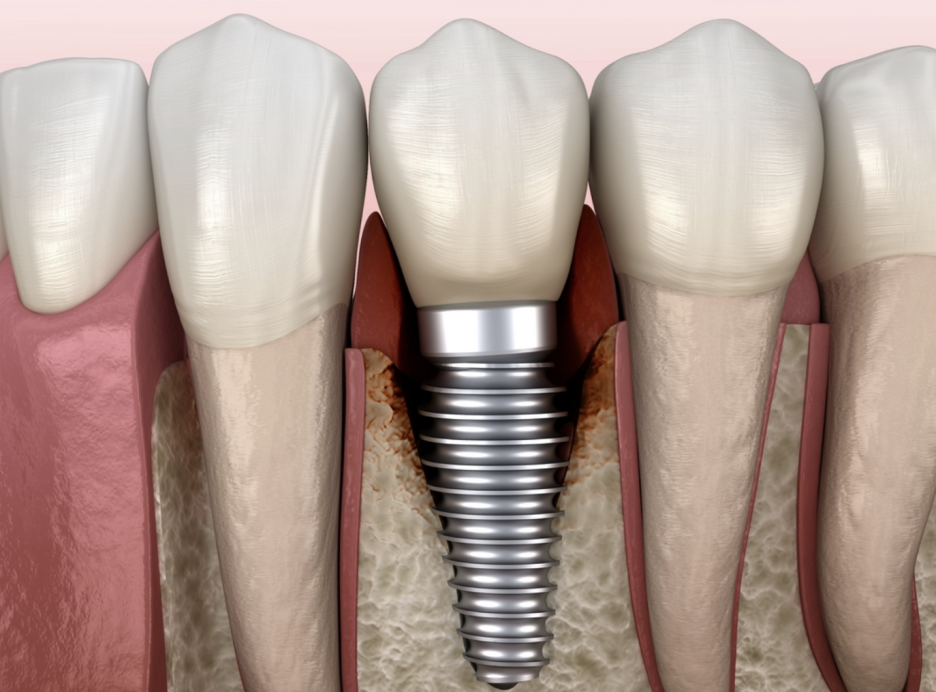
Even if the treatment goes well, if the surrounding gums and bone are damaged, it can lead to a situation where the implant has to be removed again.
Today, at Gangseo-gu Office Dental Clinic, I’ll explain the condition you must avoid to keep an implant lasting longer, along with ways to prevent it.
This is content that may help you keep your implant healthier and use it longer, so please read carefully until the end :)
- The 'peri-implantitis' you need to avoid to make it last longer
Gangseo-gu Office Dental Clinic
Sometimes the area around an implant swells a little and bleeds slightly when brushing, and some people just think, “My gums must be a bit sensitive.”
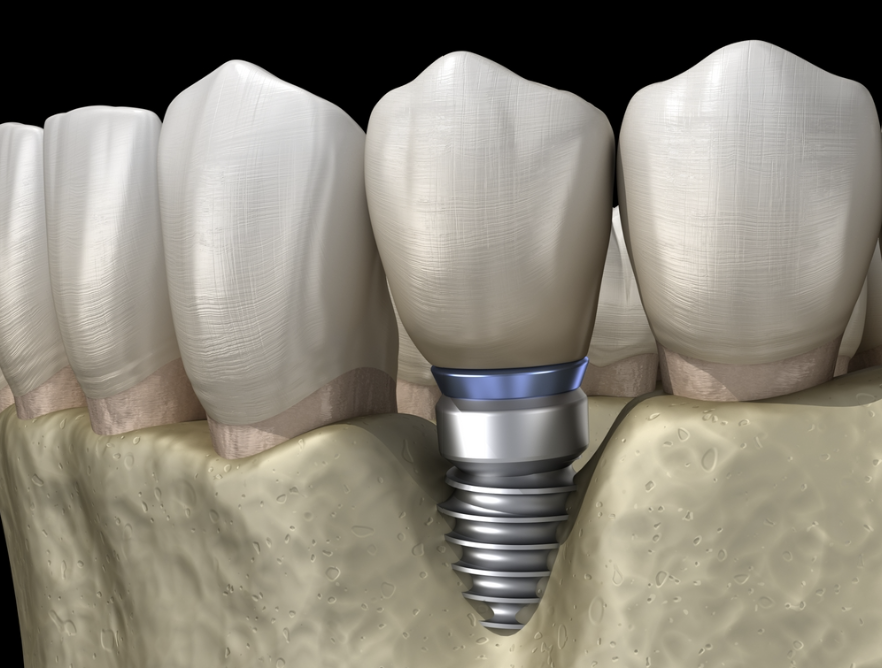
But what you need to watch out for in situations like this is peri-implantitis.
Gangseo-gu Office Dental Clinic
As the name suggests, it is a condition in which inflammation develops in the gums and bone surrounding the implant.
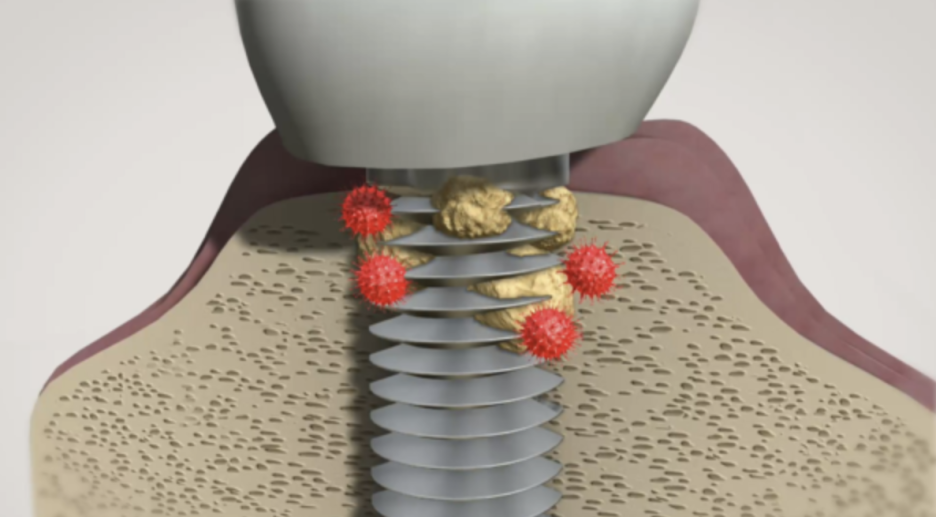
Although it may look like nothing more than swollen gums on the surface, inside, it is a serious condition in which the jawbone supporting the fixture slowly melts away.
Even more concerning is that, unlike a natural tooth, it does not have a nerve, so in many cases it progresses quietly without pain.

Because there is no discomfort, people become even more careless, and by the time they notice it, bone loss may already have progressed so much that the implant has to be removed and placed again.
So what matters more than “it was placed well” is “is it still being maintained well now?”
And the major factor that determines that is peri-implantitis.
- Problems that can occur if it is left untreated
Gangseo-gu Office Dental Clinic
Many people think, “Since it’s an artificial tooth, it should last longer than a natural tooth,” but in fact, that is not necessarily true.
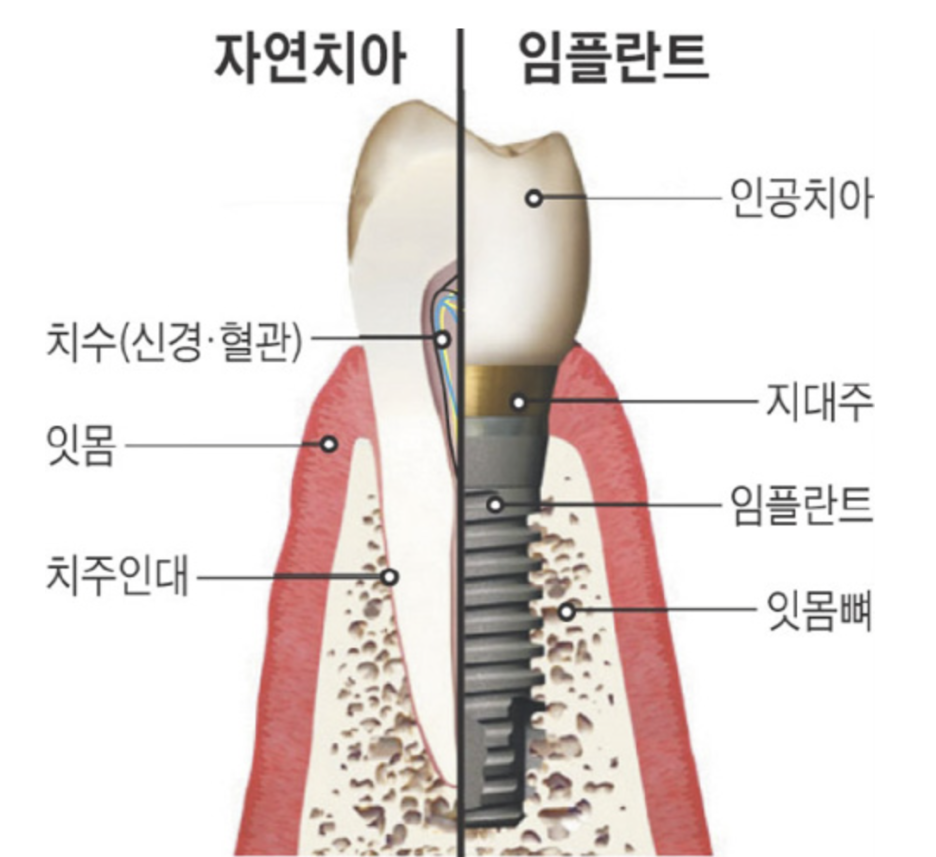
The artificial structure that serves as the root can function only when it is firmly fixed in the jawbone.
If peri-implantitis develops, the bone that supports this artificial root begins to gradually dissolve.
Gangseo-gu Office Dental Clinic
As that happens, the gums may swell and bleed at first, but over time the prosthesis (the part on top) can become loose, eventually leading to the whole implant coming out.
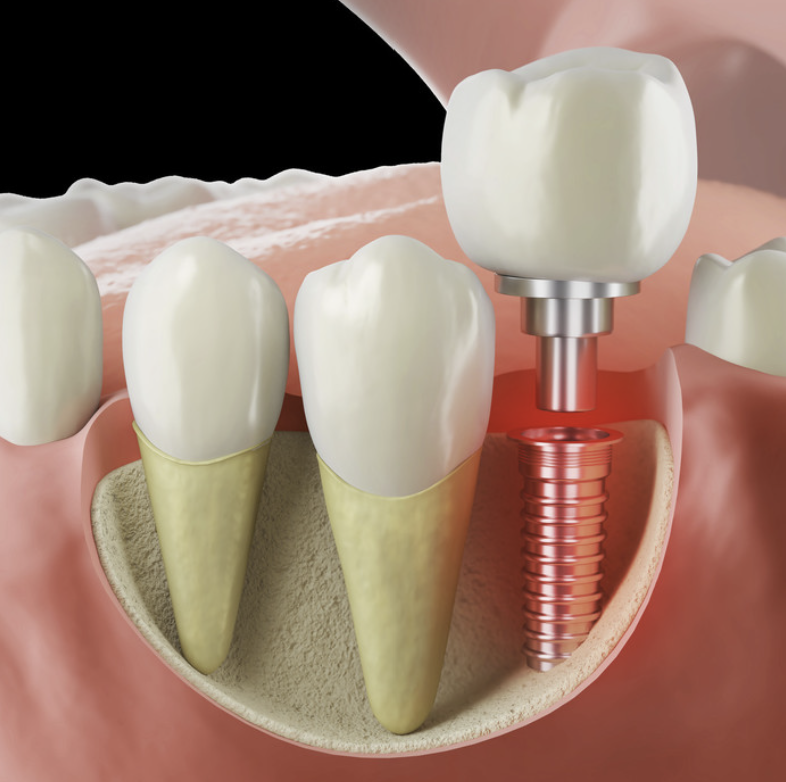
Moreover, once a large amount of jawbone has disappeared, placing another implant there is not easy.
Additional bone graft surgery may be needed, and in some cases re-implantation itself can be difficult.
In other words, getting an implant is not the end.
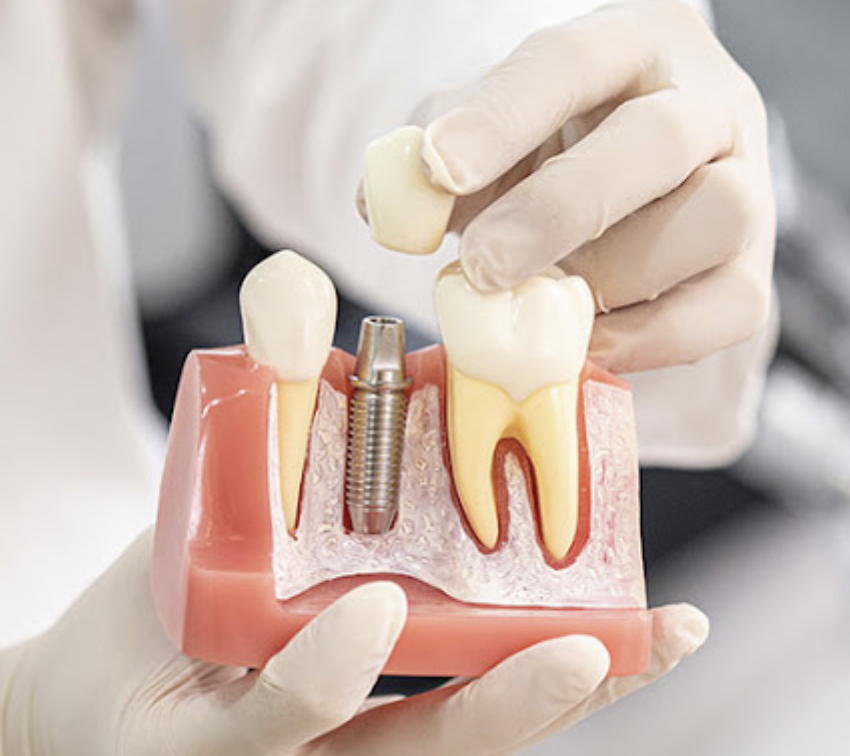
Regular checkups and management before problems arise are ultimately the best way to make it last longer.
Because it often progresses with almost no symptoms, thinking “It doesn’t hurt, so it must be fine” can be dangerous^^
- Prevention methods to stop problems before they occur
Gangseo-gu Office Dental Clinic
Fortunately, if it is managed well in advance, it can be sufficiently prevented.
What matters far more than treatment is continuous attention and practice.
First, the basics are regular dental checkups.
Gangseo-gu Office Dental Clinic
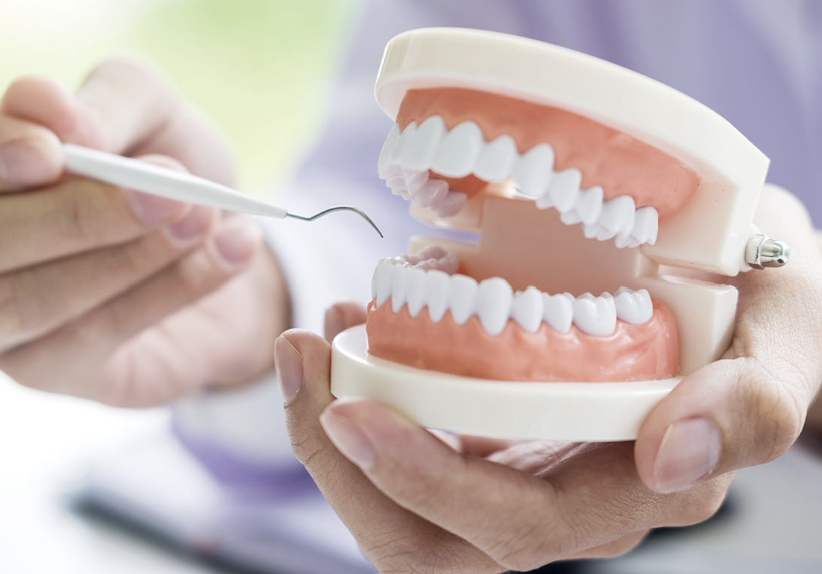
Even if there is no noticeable discomfort, checkups at regular intervals can help detect small abnormalities early.
If needed, simple treatment can stop the condition from progressing.
The second is proper brushing and oral hygiene habits.
Gangseo-gu Office Dental Clinic
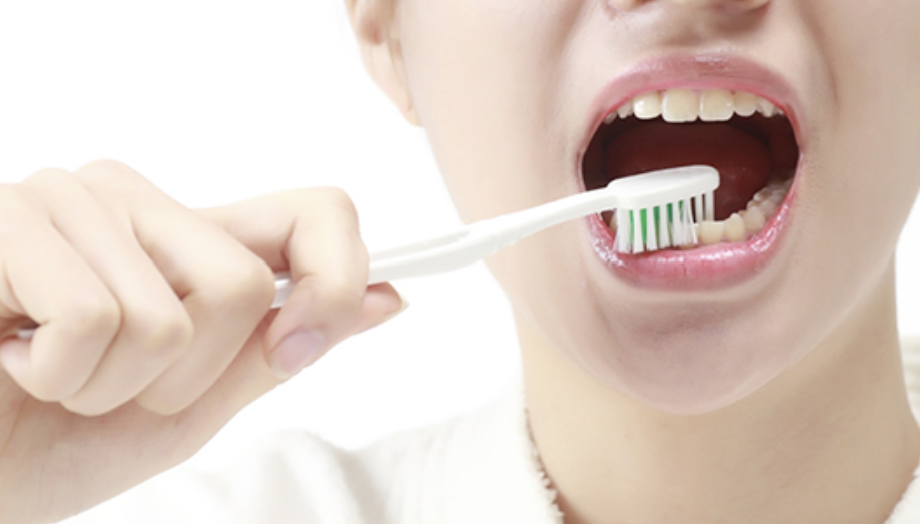
Especially for those who have multiple implants, it is a good idea to make sure to use auxiliary tools such as interdental brushes or a water flosser.
This is because if food remains in the mouth, bacteria can multiply faster and become a cause of inflammation.
And if possible, reducing or quitting smoking can also help.
Gangseo-gu Office Dental Clinic

Smoking is one of the representative factors that reduce blood flow and interfere with gum healing.
In the end, what is needed to use an implant well for a long time is not special techniques or expensive treatment, but regular checkups, proper hygiene management, and a little consistency.
Today, under the topic “Gangseo-gu Office Dental Clinic Implant: What to Avoid if You Want It to Last a Long Time,” we looked at related information.
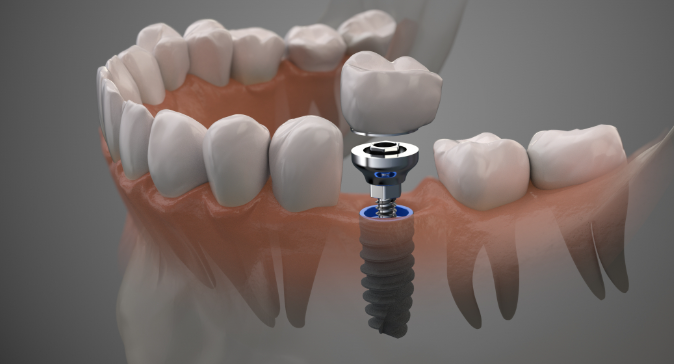
An implant is important to place, but it is much more important to protect it well and use it for a long time.
Gangseo-gu Office Dental Clinic
Especially since peri-implantitis can start with small abnormalities and eventually lead to major loss, the habit of managing it before discomfort appears is a good preventive measure.
I hope today’s information was a small reference for those who may be wondering, “Could this apply to me too?”^^
This article was not written to promote our clinic, but comes from my sincere wish to provide accurate information to many people and help them receive higher-quality treatment.
Until now,
this has been dentist Kim Geun-il.
| This post was written directly by the chief director for the purpose of providing medical information to patients, in compliance with Article 56, Paragraph 1 of the Medical Service Act. Dental treatment can cause different side effects depending on an individual’s health condition, so please be sure to consult with a medical professional before making a decision. |









 Previous image
Next image
Previous image
Next image









 Previous image
Next image
Previous image
Next image








 Previous image
Next image
Previous image
Next image
Tooth restoration requires different care methods and processes depending on the damaged area, and the overall impact on oral health must be fully considered.