Hwagok Station Dental Clinic
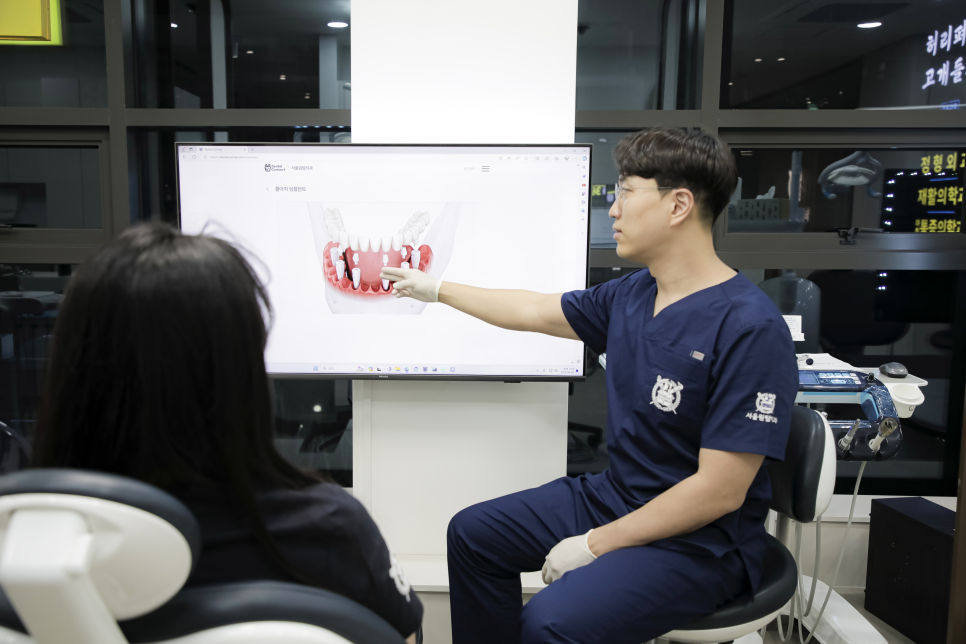
365 Seoul One Top Dental Clinic - Director Kim Geun-il
Hello, this is dentist Kim Geun-il.
When do you usually visit the dental clinic?
Although we know that regular checkups are important, we often end up visiting the dentist only later on, when our busy work life keeps us focused and
our teeth become very loose or several teeth are lost,
making it difficult to eat and making everyday interactions feel increasingly burdensome.
And in the end, we receive consultation for implant treatment,
and at that time, you may have heard the statement, “Bone grafting is necessary.”
Then at least once,
you may have wondered, ‘Bone grafting? Is that really necessary?’
Today, we will look at why bone grafting is needed
and the types of bone grafts used for implants.
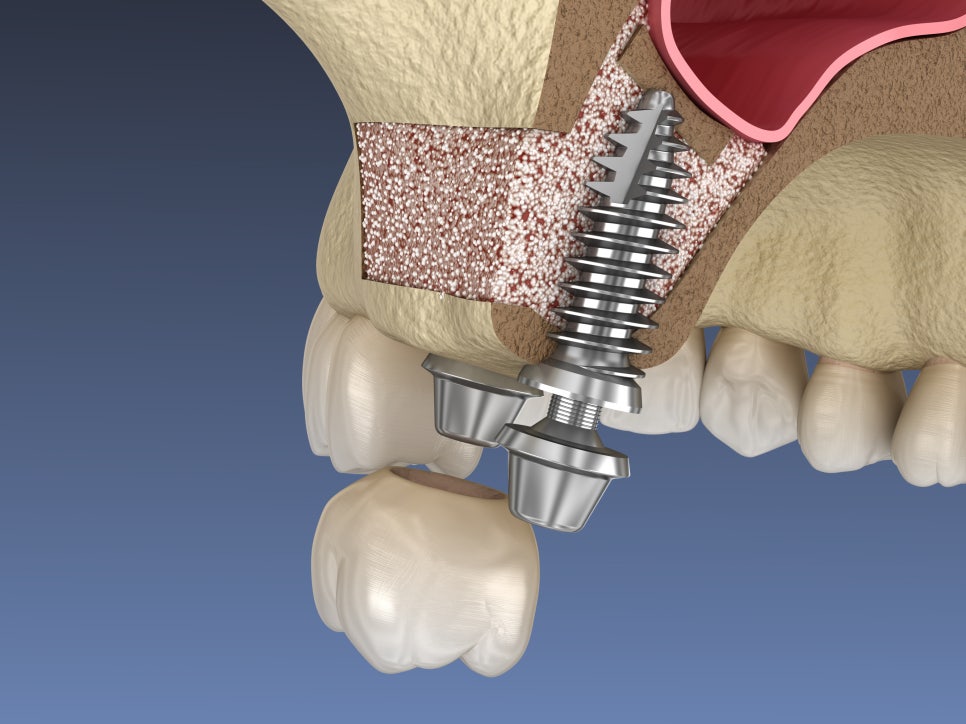
Example photo for better understanding - Hwagok Station Dental Clinic
Why is bone grafting needed during implant surgery?
Hwagok Station Dental Clinic
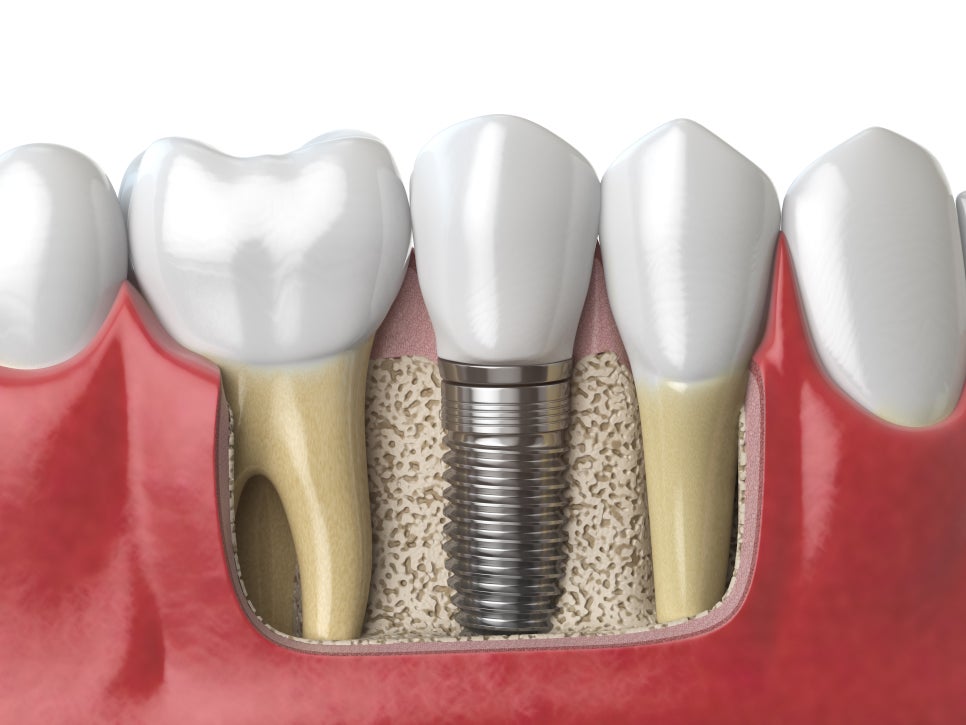
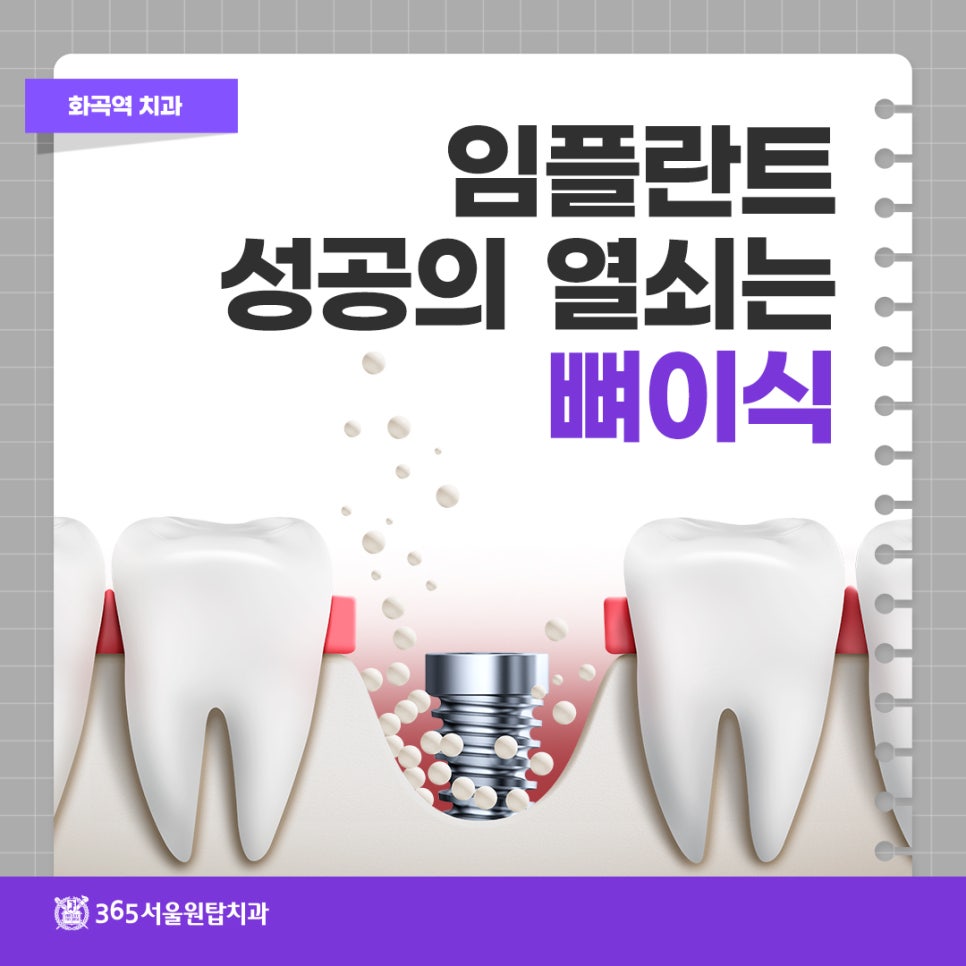
The key to successful implant surgery is strong jawbone.
Only when the placed implant meets the jawbone and achieves stable fixation can it truly do its job.
If the jawbone is insufficient or the surrounding jawbone is not healthy,
the osseointegration process of the implant may not occur, and this can ultimately lead to a dangerous situation where the implant becomes loose or falls out.
When is bone grafting needed during implant surgery?
Hwagok Station Dental Clinic
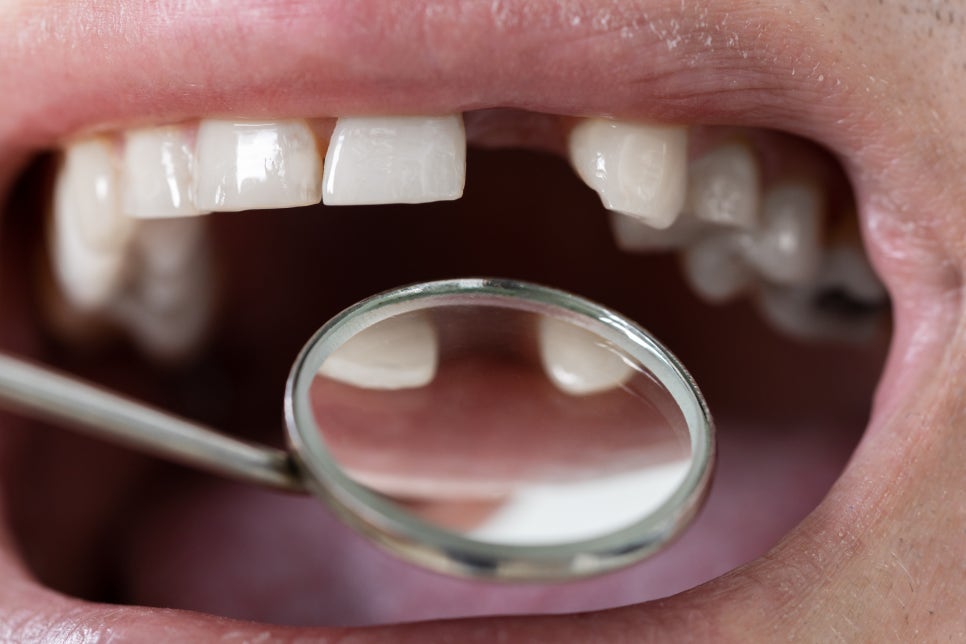
Example photo for better understanding - Hwagok Station Dental Clinic
- Long-term tooth loss
If the space left after extraction has been empty for a long time, the jawbone in that area is resorbed and becomes relatively thinner or sunken.
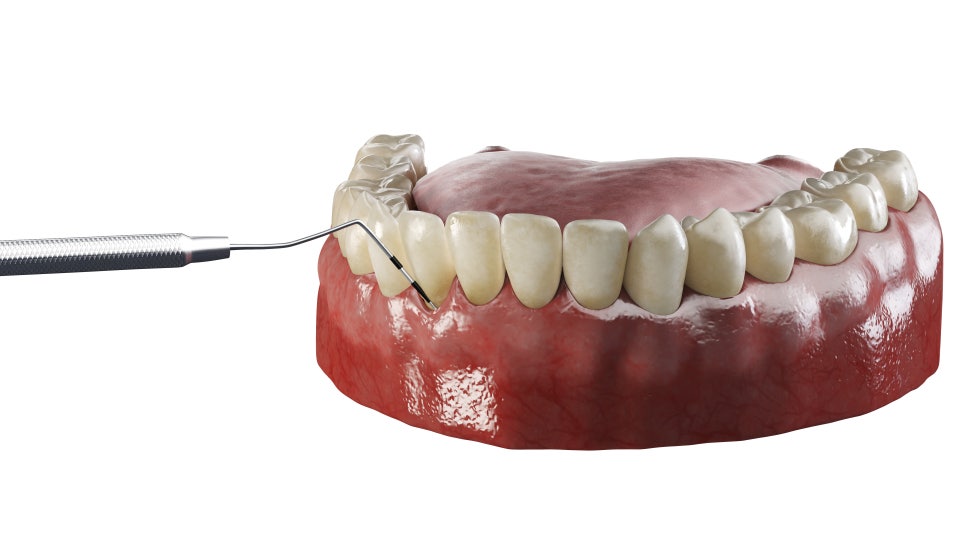
Example photo for better understanding - 365 Seoul One Top Dental Clinic
- When gum disease has progressed significantly
If gum disease such as periodontitis has progressed over a long period of time, inflammation gradually lowers and destroys the height of the jawbone.
Example photo for better understanding - Director Kim Geun-il
What are the types of bone grafts used during implant surgery?
Hwagok Station Dental Clinic
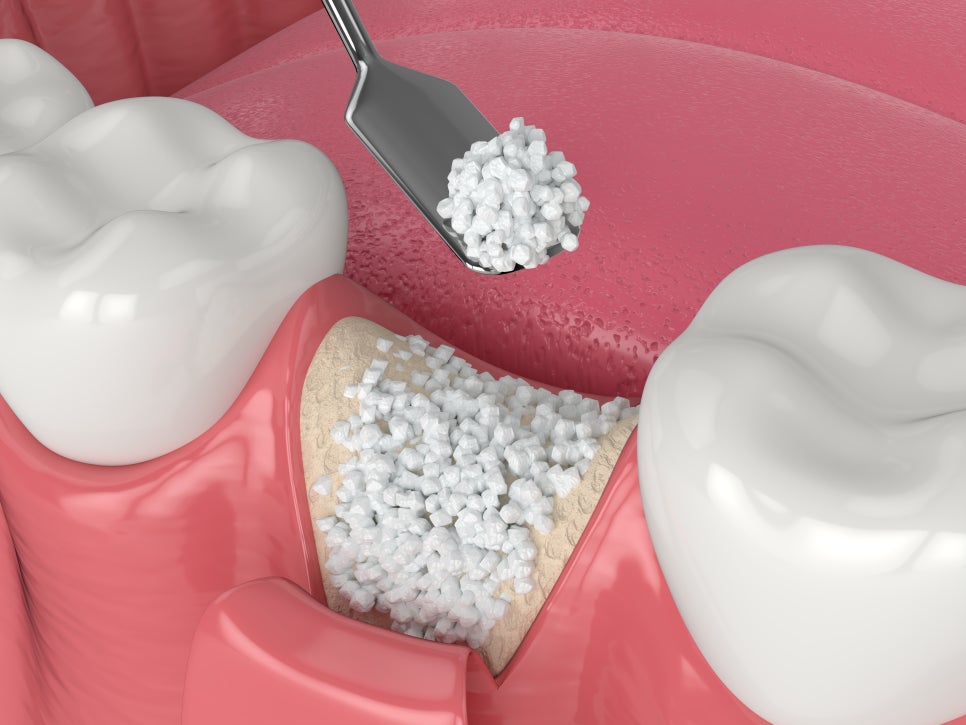
There are broadly four types of bone grafts used in bone-graft implant procedures.
- Autogenous Bone
This uses the patient’s own bone, and it is usually harvested from inside the mouth. Autografts have the advantage of good bone regeneration effects
and no rejection reaction. However, there is also a possibility that it may be easily resorbed after transplantation, so this should be kept in mind.
- Allogenic Bone
This is a graft material made from another person’s bone, and only products that have been verified for safety through special processing may be used.
It also has excellent biocompatibility and stability.
- Xenogenic Bone
This is a graft material made from animal bone, such as cattle or pigs, and it is processed through special treatment before use.
Because it does not resorb very quickly, it is advantageous for creating a sufficient amount of bone.
- Synthetic Bone
This is an artificially made graft material similar to human bone, with almost no risk of infection, and osseointegration tends to progress gradually over time.
If it needs to be resorbed quickly, it may become a problem if it remains for too long.
Example photo for better understanding - Hwagok Station Dental Clinic
Bone grafting is an essential condition for successful implants.
Hwagok Station Dental Clinic
Are your teeth very loose, or have you lost teeth and are thinking a lot about implant treatment?
Unless there is healthy bone with sufficient volume, bone grafting is an essential condition for successful implant surgery.
If the jawbone is insufficient or the environment at the implant placement site is not favorable,
even if it takes a little more time, proceeding with treatment step by step is the way to achieve a strong and safe implant.

Previous image
Next image
Example photo for better understanding - 365 Seoul One Top Dental Clinic
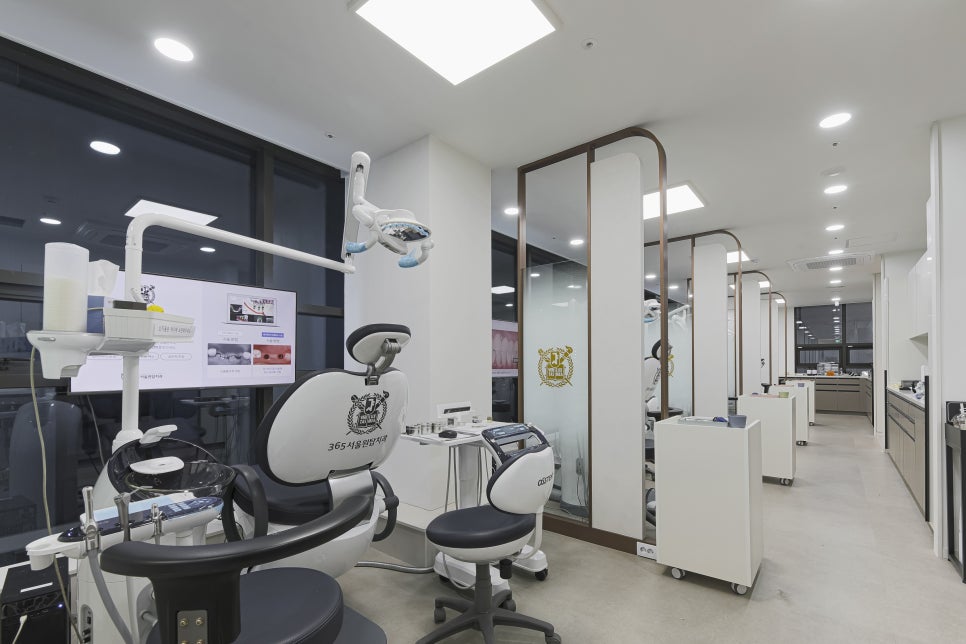
At Hwagok Station Dental Clinic, 365 Seoul One Top Dental Clinic,
based on know-how gained from many years of diverse implant surgery cases,
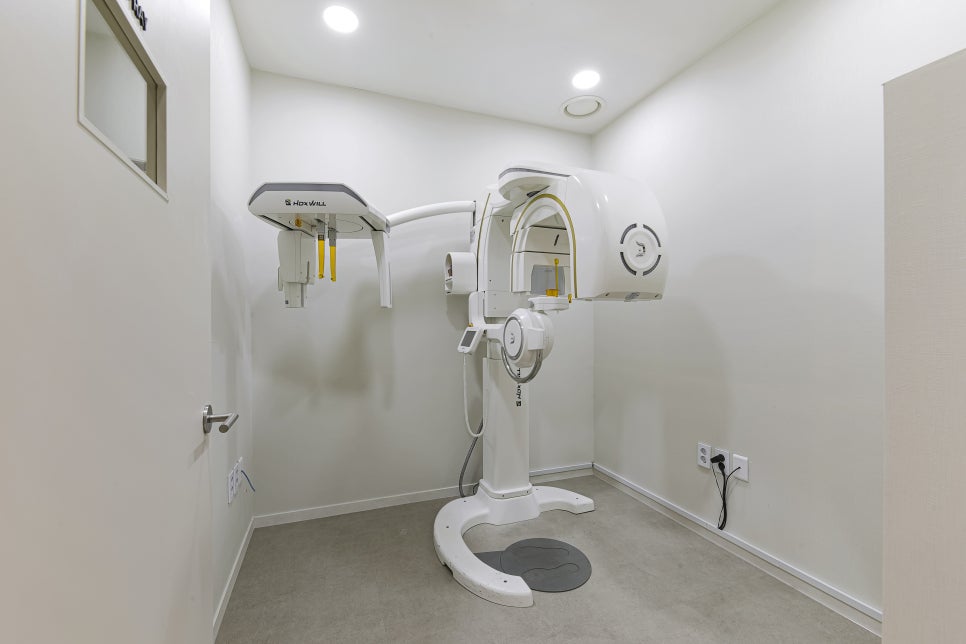
and through proper diagnosis using panoramic and 3D CT analysis and step-by-step treatment planning,
we do our best to deliver results that patients can be satisfied with.
Please remember that implant surgery with bone grafting
must be decided only after sufficient consultation with a specialized medical professional!
This has been dentist Kim Geun-il. Thank you.
Hwagok Station Dental Clinic - Director Kim Geun-il
This post was written directly by the chief director for the purpose of providing medical information to patients,
in compliance with Article 56, Paragraph 1 of the Medical Service Act.
-
Unauthorized reproduction and use of this material is prohibited.
-
Side effect notice: After treatment, side effects such as infection, inflammation, soft tissue complications,
bleeding, and sensory abnormalities may occur.
Hwagok Station Dental Clinic - Director Kim Geun-il
📍 365 Seoul One Top Dental Clinic
4th Floor, Dongmyeong M Building, 179 Gangseo-ro, Gangseo-gu, Seoul
Hwagok Station Dental Clinic – 1 minute on foot from Exit 8 of Hwagok Station