Maggok-dong Dental Clinic
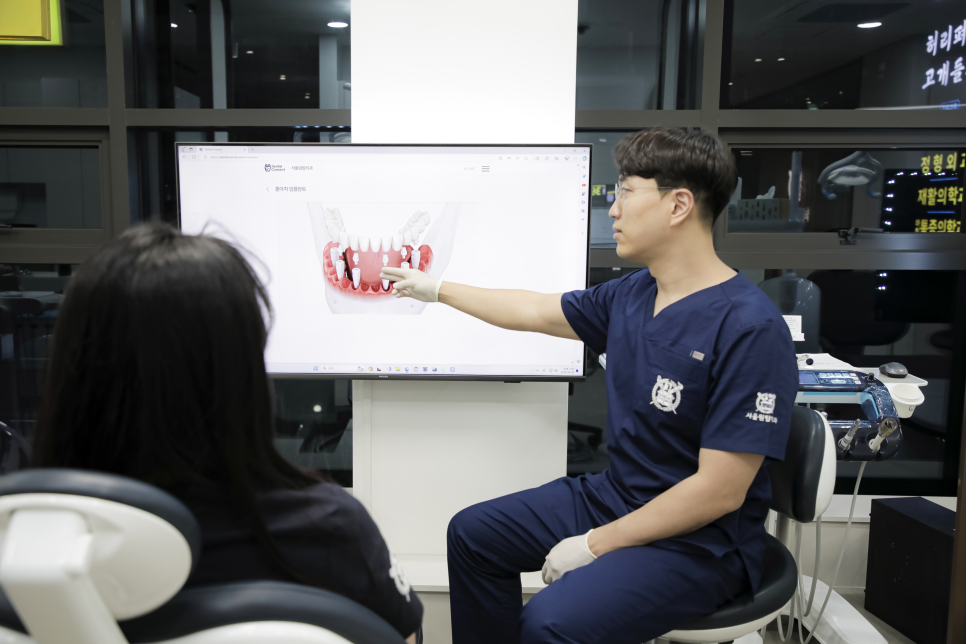
365 Seoul One Top Dental Clinic - Director Kim Geun-il
Hello.
I’m dentist Kim Geun-il.
For patients in their 60s and 70s who are considering implant treatment because their teeth are very loose or because they have lost teeth,
one of the most common questions during an implant consultation is:
“Is an implant okay at my age?”
Since patients naturally think of themselves as older,
I imagine many worry about whether they can tolerate implant treatment well.
Today, I’d like to talk about several points that older adults should consider when planning implant treatment.

Maggok-dong Dental Clinic - Implants are possible even at 65
Can you get implants at 65? The answer is YES.
Maggok-dong Dental Clinic
These days, people often talk about the 100-year lifespan era, don’t they?
To begin with,
age itself is not a major contraindication for implant treatment.
At our clinic as well, many patients in their 60s and 70s visit us,
and there are many who have had implants successfully settle and use them comfortably in daily life.
More important than age is the patient’s current oral condition and overall health.
The average success rate of implants is roughly over 95%,
and if an adequate amount of jawbone is available and the risk of infection is properly controlled,
this is a treatment that can succeed even at an older age.
Points to consider before implant treatment
Maggok-dong Dental Clinic
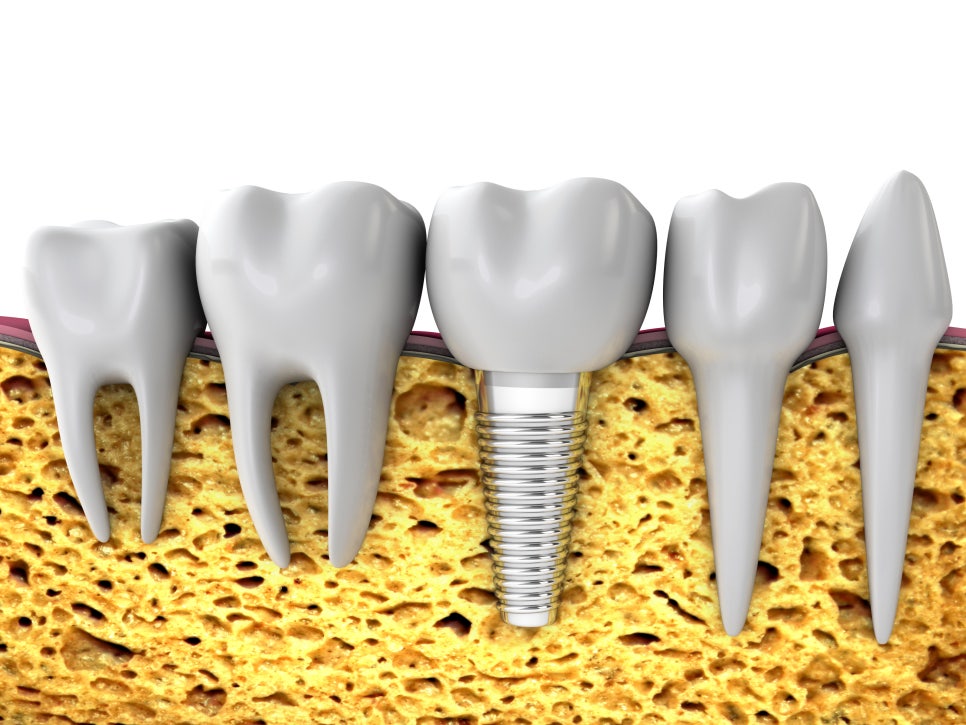
Maggok-dong Dental Clinic - Check the condition of the jawbone
- The condition of the jawbone (alveolar bone)
To properly eat food in daily life,
we need at least 20 teeth.
The average number of remaining teeth in people in their 60s and older is around 20.9,
and for those in their 70s and older, about 14.2.
Of course, this can vary depending on each patient’s oral health.
However, for patients in their mid-60s, before or after,
it is common for the jawbone (alveolar bone) to have partially resorbed due to periodontal disease or long-term neglect of tooth loss.
But there is no need to worry.
If there is insufficient jawbone,
we can proceed with bone grafting or sinus lift surgery together
so that the implant can be stably fixed in the jawbone.

365 Seoul One Top Dental Clinic - Check systemic diseases and medications
- Systemic diseases and medications being taken
As we get older,
we often develop systemic diseases such as
hypertension, diabetes, osteoporosis, and heart disease.
However, if a few precautions are properly checked,
implant surgery is possible in most cases.
- Hypertension, cardiovascular disease: whether anticoagulants or antiplatelet agents are being taken
(Aspirin, warfarin, etc.)
During surgery, these may suppress blood clotting and increase the possibility of excessive bleeding
- Osteoporosis (bisphosphonate class)
: Risk of jawbone necrosis with long-term use
- Diabetes: check whether blood sugar is controlled
Glycated hemoglobin (HbA1c) should be below 7%
If blood sugar is high,
immune function declines,
making inflammation more likely and recovery delayed
If necessary,
a decision about whether to stop medication may need to be made through an internal medicine specialist,
and if you are taking medication continuously due to other systemic diseases,
you must inform the medical staff in advance.
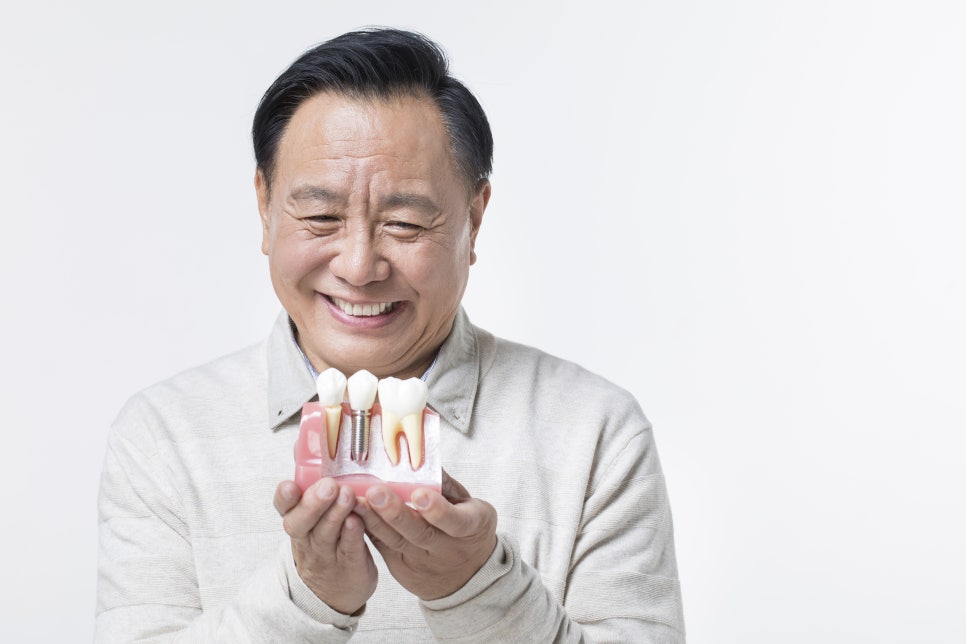
Maggok-dong Dental Clinic - Benefits of 65+ implants
65+ implants have many advantages
Maggok-dong Dental Clinic
- Improved eating habits through restored chewing function
Implants have chewing power similar to natural teeth,
but dentures have very low chewing power compared to natural teeth,
at an average of only 15–30%.
If implants are placed,
chewing power increases,
allowing a wider variety of foods to be eaten,
and as a result, patients themselves can recover physically and psychologically.
- You can be free from the inconvenience of dentures
The biggest complaint among people who use removable dentures placed on the jawbone is that they are loose and come out easily.
Using dentures does not prevent jawbone resorption.
Over time, the jawbone gradually resorbs and becomes thinner,
but since the dentures do not change, they become increasingly loose.
Also, because the shape of the jawbone keeps changing,
the dentures may press more on the gums,
causing pain in that area,
and in the end, the foods that can be eaten become very limited,
which can directly affect the patient’s health.
- The remaining teeth can be preserved in a healthy way
In cases of partial tooth loss,
some patients use partial dentures,
but partial dentures work by hooking onto the surrounding teeth,
so even healthy teeth may require crown treatment.
Since teeth do not regenerate once they are shaved down,
healthy teeth can end up being damaged.
Implants do not burden the surrounding teeth,
so the remaining teeth can be used for longer.
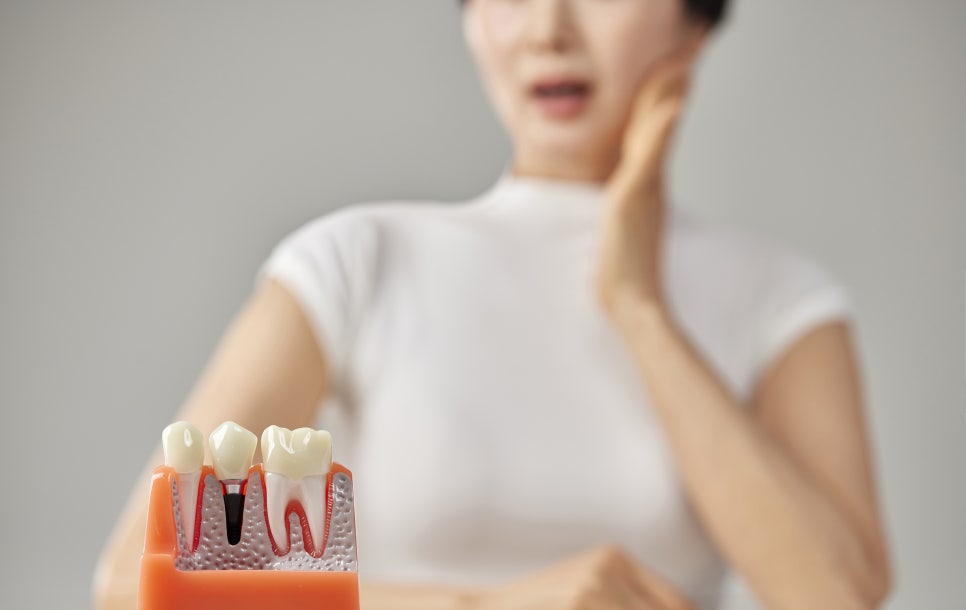
Maggok-dong Dental Clinic - Please proceed with implant treatment without delay
Delaying implant treatment makes it more difficult
Maggok-dong Dental Clinic
“I'm busy with work right now,”
people often say
when putting off implant treatment.
The problem is that the jawbone continues to resorb,
so more bone grafting will be needed when implant surgery is done later.
The difficulty of implant surgery may also increase,
and since the next steps of implant treatment must proceed while monitoring the patient’s recovery,
the treatment period may also become somewhat longer.
Also, when a tooth is lost, the surrounding teeth lose balance as well,
so additional treatment may be required together.
As this can also increase the cost,
we recommend proceeding with treatment before it gets too late.

Maggok-dong Dental Clinic - Check the National Health Insurance implant benefit for age 65 and older
For those aged 65 and older, check the National Health Insurance implant benefit
Maggok-dong Dental Clinic
You’ve probably heard of National Health Insurance implants, right?
In Korea, as the elderly population has continued to grow,
this was first implemented in July 2014.
At first, it applied to those aged 75 and older,
but the age range has gradually expanded,
and now, if you are 65 or older,
insurance-covered implants are available for up to two teeth in a lifetime.
However,
please remember that there must be at least one tooth remaining in the maxilla or mandible,
meaning the condition must be partial edentulism.
For those eligible for National Health Insurance,
the out-of-pocket payment is 안내드리고 approximately 30%,
so if you are planning implant treatment,
don’t forget to visit the dental clinic for a consultation.
Now is the golden time for implant treatment.
You know you need implant treatment,
but if worry continues only because of age,
you may end up missing the golden window for treatment.
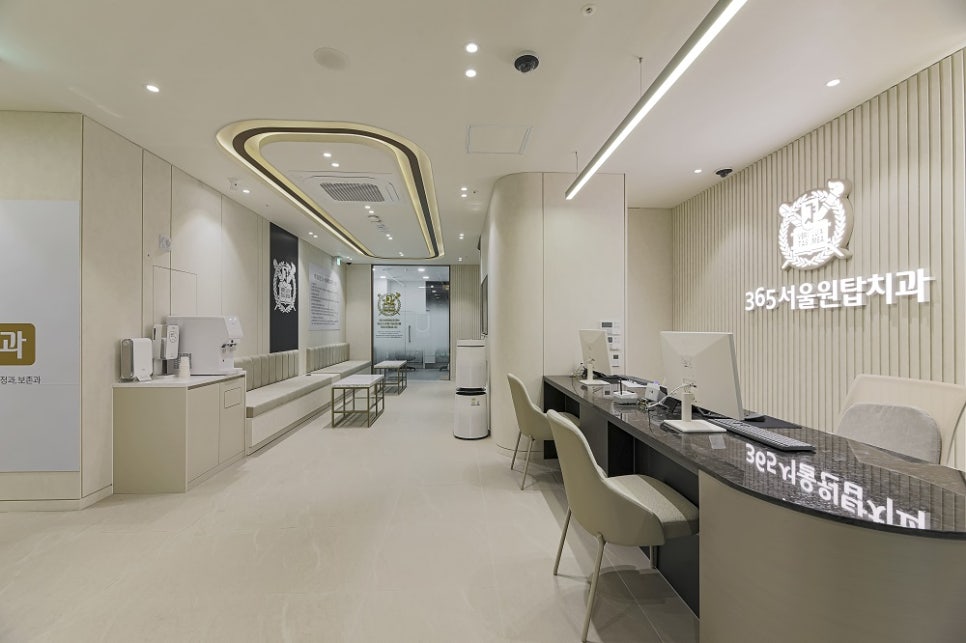
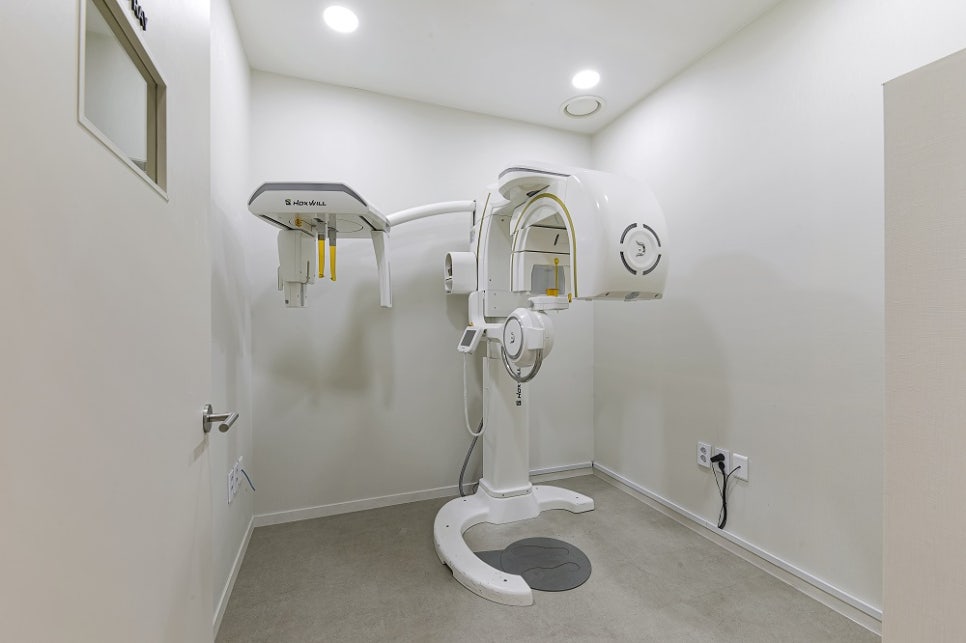
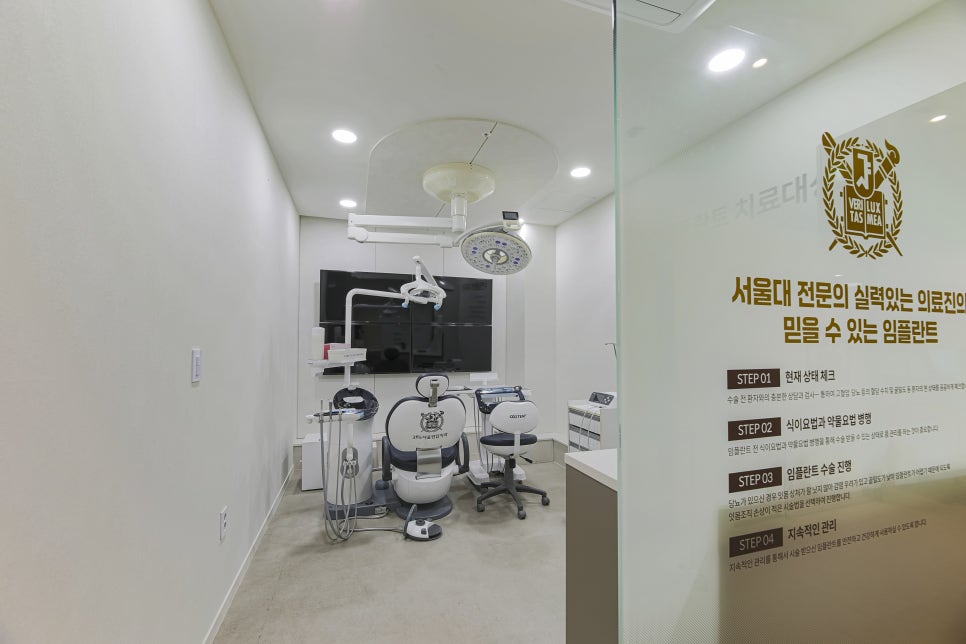 Previous image
Next image
Previous image
Next image
365 Seoul One Top Dental Clinic - Director Kim Geun-il
At 365 Seoul One Top Dental Clinic,
before implant treatment, we perform a detailed examination of the patient’s current oral condition
by checking the amount of bone and the position of nearby nerves through panoramic and 3D CT imaging,
and we do our best to provide the safest surgical plan possible for the patient.
If you are reading this post and have concerns about implants,
we encourage you to visit a dental clinic actively,
accurately understand your oral condition,
and we pray that the day comes when you can restore your daily life to health through prompt treatment.
This was dentist Kim Geun-il.
Thank you.
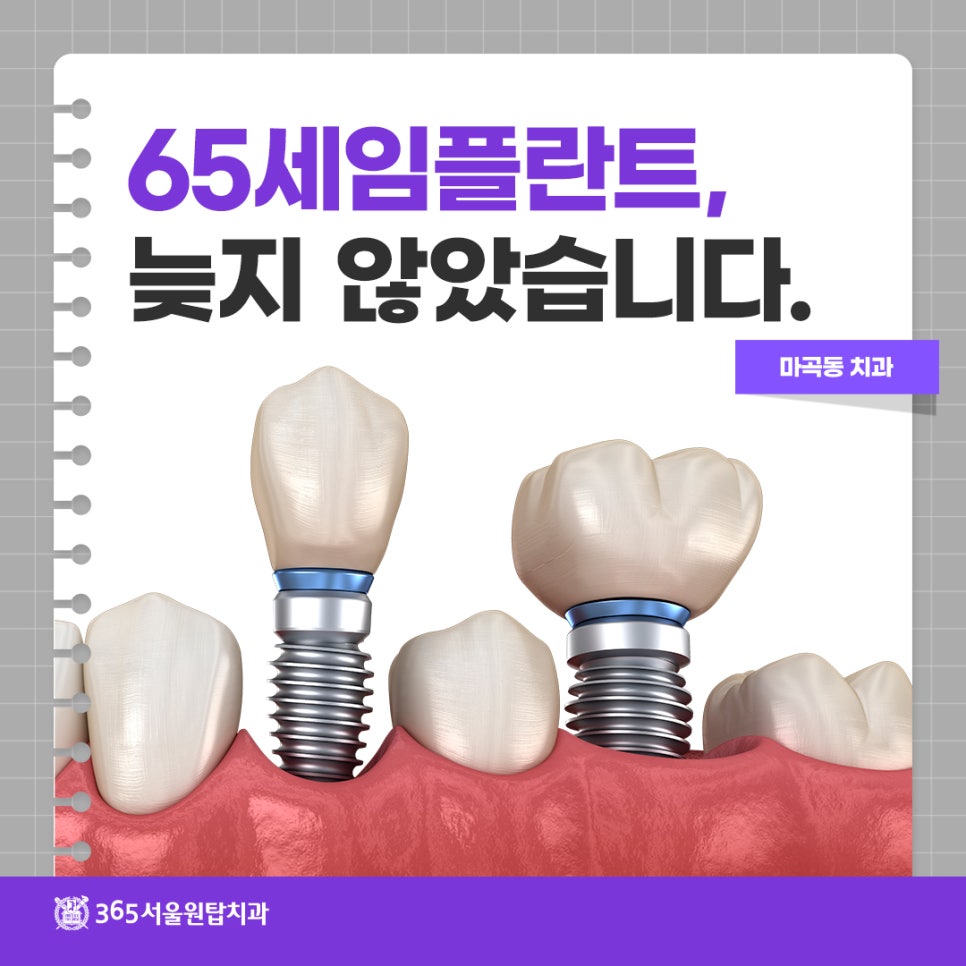
Maggok-dong Dental Clinic
Director Kim Geun-il - Maggok-dong Dental Clinic
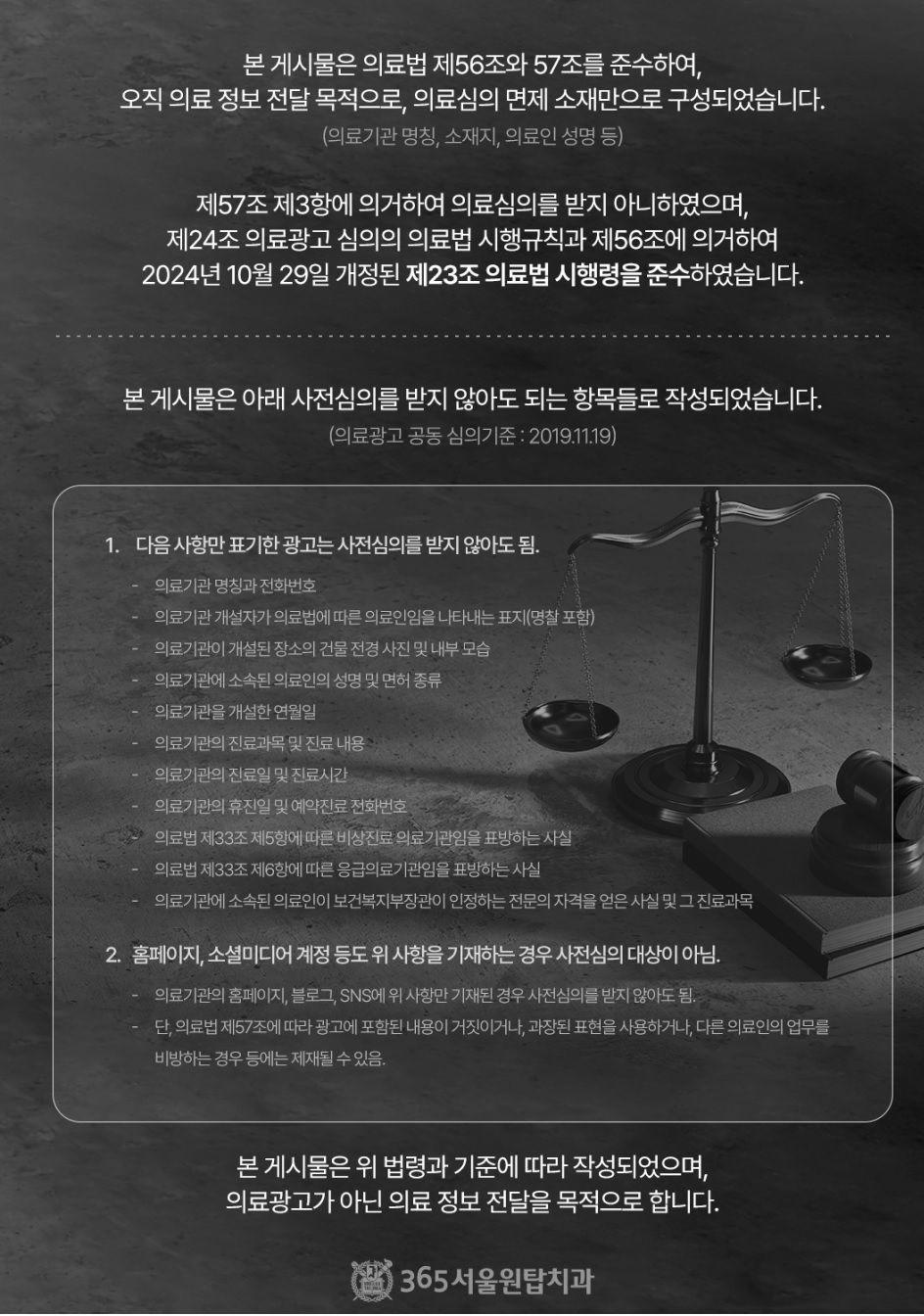
This post was written directly by the chief director for the purpose of providing medical information to patients,
in compliance with Article 56, Paragraph 1 of the Medical Service Act.
-
Unauthorized reproduction and use of this material is prohibited.
-
Adverse reaction notice: After treatment, side effects such as infection, inflammation, soft tissue complications,
bleeding, and sensory abnormalities may occur.
-
Because dental treatment may cause different side effects depending on an individual’s health condition,
please be sure to consult with medical staff before making a decision.
Maggok-dong Dental Clinic - 365 Seoul One Top Dental Clinic
📍 365 Seoul One Top Dental Clinic
4th Floor, Dongmyeong M Building, 179 Gangseo-ro, Gangseo-gu, Seoul
Gangseo-gu Dental Clinic – 1 minute on foot from Exit 8 of Hwagok Station