Hwagok-dong Dental Clinic
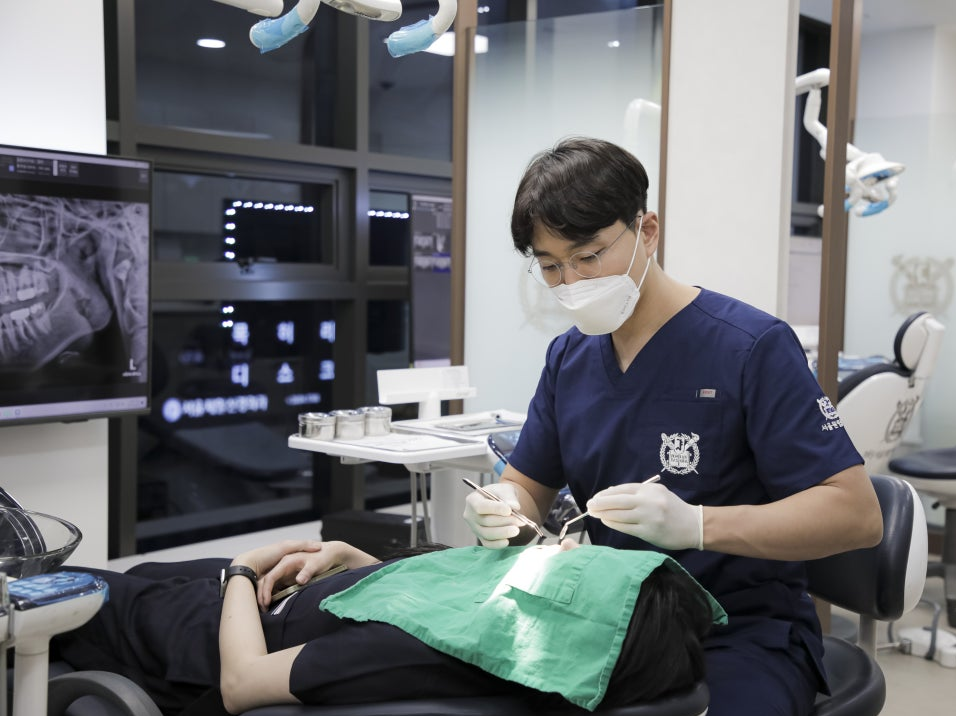
365 Seoul One Top Dental Clinic - Director Kim Geun-il
Hello.
I am dentist Kim Geun-il.
Since I have been in one place at the intersection near Hwagok Station for a long time,
I meet many patients with a wide variety of circumstances.
More people than you might expect are taking medication for a long period of time
because of systemic diseases.
Implants are dental treatment that can restore function
most similarly to natural teeth,
but when systemic diseases such as diabetes, high blood pressure, or osteoporosis are present,
it is necessary to take a more cautious approach.
Of course, having a systemic disease
does not mean implant treatment cannot be done.
In most cases, if the systemic disease you already have is
well controlled without difficulty, implant placement can be performed
almost the same as for general patients.
However, because there are more points to check before implant surgery
and more precautions to take,
patients with systemic diseases need to be examined more carefully.
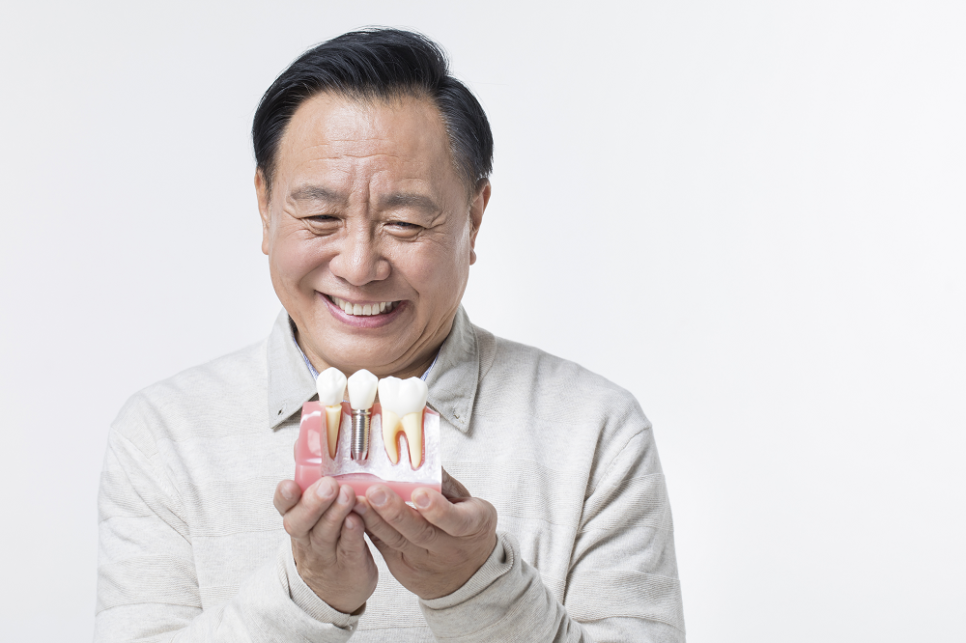
Patients with systemic diseases require extra caution when undergoing implants - Hwagok-dong Dental Clinic
Why patients with systemic diseases require more caution during implant treatment
Hwagok-dong Dental Clinic
If a patient planning implant surgery has
systemic diseases such as high blood pressure, diabetes, osteoporosis, or cardiovascular disease,
the following situations may arise.
- Bleeding control issues
Patients with high blood pressure or cardiovascular disease need caution because
blood pressure may rise during surgery, increasing the amount of bleeding,
and if they are taking medications that prevent blood clotting such as aspirin (antiplatelet agents)
or warfarin (anticoagulants),
they can have a major impact on the hemostatic process,
so the bleeding control time may be longer than for general patients.
- Delayed wound healing
In patients with diabetes or weakened immunity,
recovery of the implant surgical site may be somewhat slower,
increasing the possibility of infection.
- Effects of medication
Anticoagulants and antiplatelet agents,
osteoporosis medications (bisphosphonate class),
and blood sugar control problems
can directly affect the implant surgery process
and the osseointegration process after implant placement.

Hwagok-dong Dental Clinic - With proper attention to precautions, patients with high blood pressure, diabetes, osteoporosis, or cardiovascular disease can also receive implants
Implant eligibility and precautions by systemic disease
Hwagok-dong Dental Clinic
- Patients with diabetes
Having diabetes does not mean implant surgery cannot be performed.
If blood sugar is well controlled, the success rate of implant surgery is
almost the same as that of general patients.
- Precautions for patients with diabetes: Fasting blood sugar should be checked before surgery,
and if the following criteria are met, implant surgery can be performed without difficulty.
Fasting blood sugar 130 mg/dL or lower,
post-meal blood sugar 180 mg/dL or lower,
or HbA1c 7% or lower
If HbA1c is 8% or higher,
the risk of infection may increase,
so close observation is needed.
Because patients with diabetes are more vulnerable to infection than general patients,
the surgical and wound areas require thorough cleanliness management,
and antibiotic management is important for infection prevention.
- Patients with high blood pressure
- The biggest problem for patients with high blood pressure is
a rise in blood pressure caused by tension and stress.
However, if the patient's condition and blood pressure are stably maintained during the implant preparation process,
in most cases implant treatment can also be performed without difficulty.
- Precautions for patients with high blood pressure: Check whether blood pressure is well controlled through medication,
and if necessary, adjust the medication period through collaboration with internal medicine.
For patients with high blood pressure, please also make sure to check whether they are taking aspirin.
- Blood pressure should be checked on the day of surgery,
and if blood pressure is high,
it is recommended to wait 충분히 and proceed with implant surgery after stabilization.
- Patients with osteoporosis
Most patients with osteoporosis have low bone density,
and because the bone density is low, the osseointegration process in which the implant attaches to bone
may be somewhat slower than in general patients.
In particular, in patients who have been taking bisphosphonate-class
o steoporosis medication or injections for a long period of time,
the risk of jawbone necrosis exists due to the effects of the medication,
so you must tell the medical staff during implant consultation.
- Precautions for patients with osteoporosis: It is essential to check whether medication is being taken and for how long.
Whether implant surgery is possible and whether medication needs to be stopped
requires collaboration with internal medicine through the preparation of a surgical referral letter.
- Cardiovascular disease (angina, myocardial infarction, etc.)
In patients with cardiovascular disease,
many are taking anticoagulants such as warfarin (medications that thin the blood).
Because these medications can increase bleeding during implant surgery,
it is important to confirm whether implant surgery is possible
through collaboration with internal medicine or cardiology,
and to decide whether the medication should be stopped for a certain period.

In patients with high blood pressure, diabetes, osteoporosis, or cardiovascular disease, infection control must be carried out thoroughly - Hwagok-dong Dental Clinic
Considerations for implant surgery in patients with systemic diseases
Hwagok-dong Dental Clinic
- Avoid excessive incision and long surgery times
Proceed with the smallest possible incision to reduce bleeding and
postoperative swelling.
- Thorough infection control
Especially for patients with diabetes, the risk of infection is high,
so antibiotic management is important.
- Periodic examination of the surgical site
In patients with systemic diseases, recovery may progress
somewhat more slowly than in general patients,
so postoperative precautions are explained in detail,
and the recovery speed of the surgical site is carefully monitored.
- Reduce stress
In patients with high blood pressure or cardiovascular disease,
tension during treatment can raise blood pressure,
so conscious sedation implant treatment may be helpful in some cases.
If there is dental phobia or severe stress about dental treatment,
it is good to explain conscious sedation implant treatment or
a split-surgery approach, and during consultation with the patient,
provide various treatment options to reduce psychological burden.
Also, if the implant surgery is completed successfully,
postoperative precautions should also be explained well.
Even if a patient with a systemic disease usually has good control,
the following instructions should still be carefully followed.
-
Avoid strenuous exercise for at least 2 to 3 days after surgery; encourage sufficient rest
-
No smoking and no drinking are essential
-
Always follow the medical staff's instructions regarding medication
-
Keep the surgical site clean
-
If pain, swelling, or bleeding is more severe than usual, visit the dental clinic
For patients with systemic diseases, it is important to check carefully before and after implant surgery
Hwagok-dong Dental Clinic
For patients with systemic diseases,
it is necessary to examine more carefully than for general patients,
including current medications, blood sugar, blood pressure,
management status of the relevant disease, history of previous implant surgery,
and any special points during treatment.
For implant surgery,
if medication needs to be stopped for a certain period before or after surgery,
if necessary, the patient should absolutely inquire through a referral letter from the internal medicine clinic they have been visiting,
and after judging whether the patient's current condition is stable,
it is recommended to proceed with implant placement.
If a careful diagnosis and plan are made well,
patients with systemic diseases can also expect good results after implant placement.
If you are currently considering implant treatment,
but are hesitating because of systemic diseases such as high blood pressure, diabetes, osteoporosis, or cardiovascular disease,
please do not worry alone and let us know.
365 Seoul One Top Dental Clinic, which has long been in one place near Hwagok Station,
will help you work toward solving the problem.
This was dentist Kim Geun-il.
Thank you.
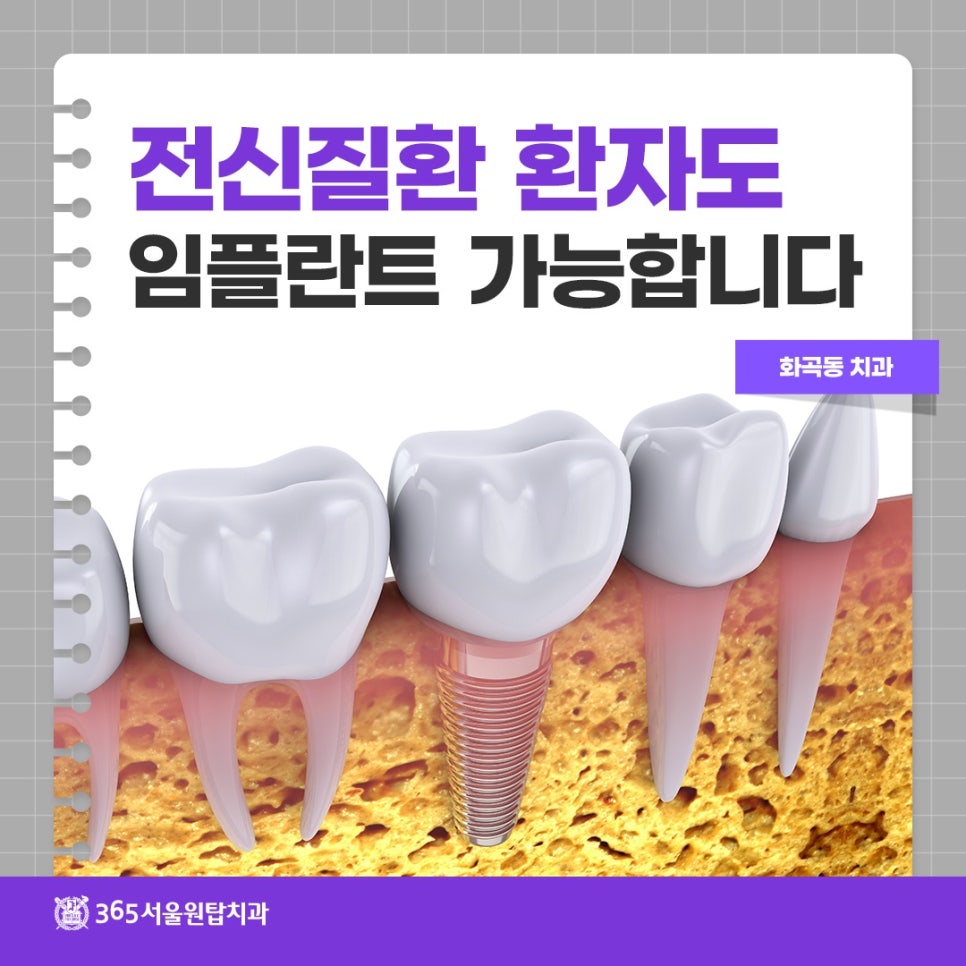
365 Seoul One Top Dental Clinic - Hwagok-dong Dental Clinic
Hwagok-dong Dental Clinic - Director Kim Geun-il
This post was written directly by the representative director in compliance with Article 56, Paragraph 1 of the Medical Services Act
for the purpose of providing medical information to patients.
-
Unauthorized reproduction and use of this material is prohibited.
-
Adverse effect notice: After treatment, side effects such as infection, inflammation, soft tissue complications,
bleeding, and sensory abnormalities may occur.
- Because dental treatment can cause different side effects depending on an individual's health condition,
please be sure to consult with medical staff before making a decision.
Hwagok-dong Dental Clinic - 365 Seoul One Top Dental Clinic
📍 365 Seoul One Top Dental Clinic
4th Floor, Dongmyeong M Building, 179 Gangseo-ro, Gangseo-gu, Seoul
Hwagok Station Dental Clinic – 1 minute on foot from Exit 8 of Hwagok Station