신월동치과 부모님 임플란트, 어떤 기준으로 치료할까
If you have questions about your parent’s implant treatment, please be sure to read this post
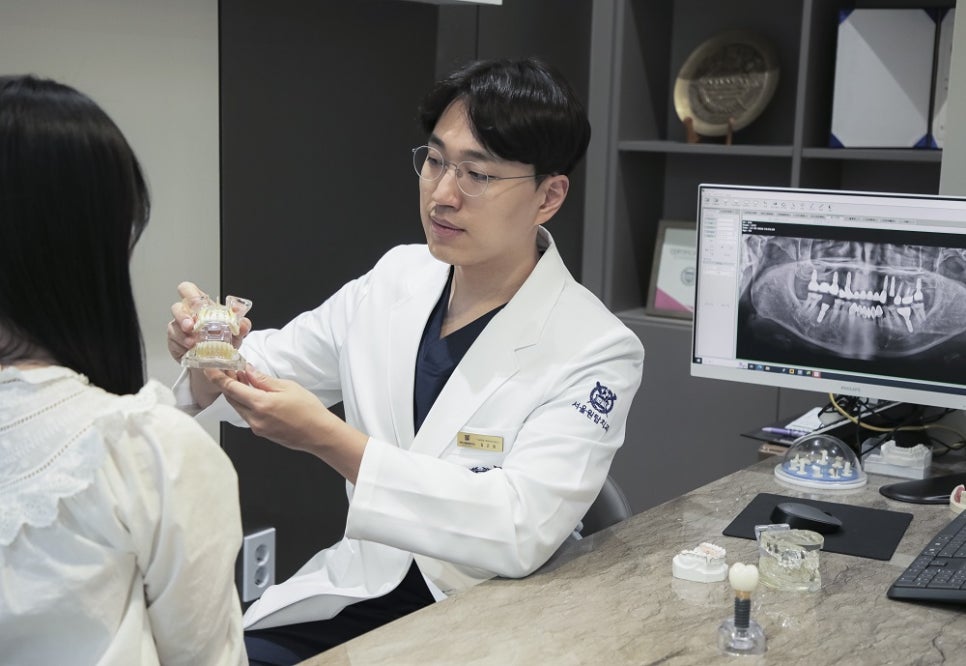 365 Seoul One Top Dental Clinic, Director Kim Geun-il
Hello.
I’m dentist Kim Geun-il.
At the treatment room of Gangseo-gu Dental Clinic near Sinwol-dong,
while consulting with many patients about implants,
I often see parents and children visiting together.
Most of them come to the clinic with similar concerns.
“Is implant treatment okay at this age?”
“Could it be an excessive treatment?”
I remember hearing many such questions,
asked in worried voices that reflected a child’s concern
for their parent’s health.
As a dentist, whenever I receive these questions,
there is something I always say first.
For a parent’s implant,
more important than whether it is possible
is the ‘method and scope.’
Today,
for children who are worried as their parent’s implant treatment approaches,
I’d like to write this post.
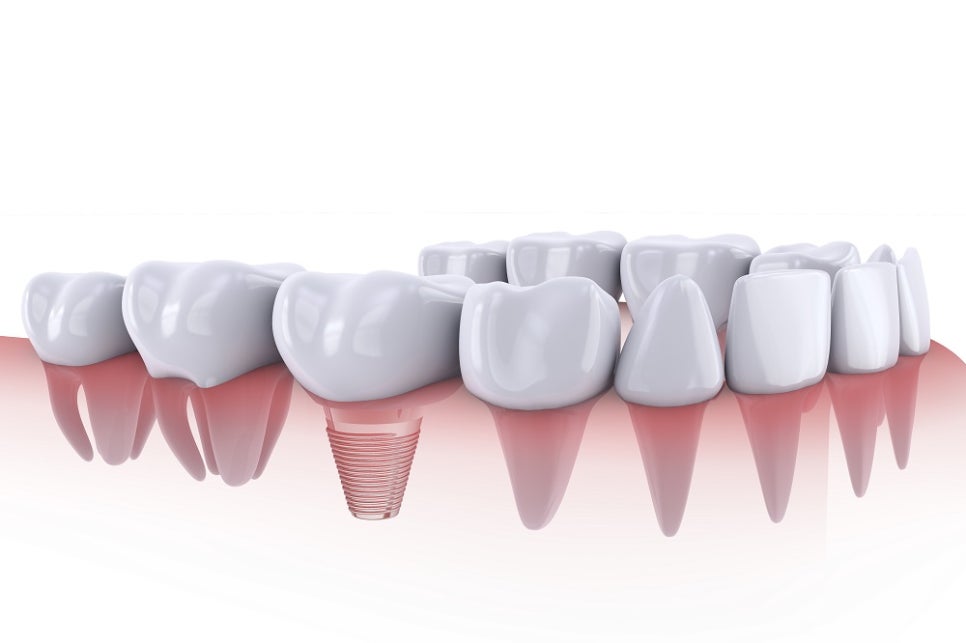 When placing implants for parents, Sinwol-dong Dental Clinic checks the condition of the jawbone and whether systemic diseases are being managed.
Parent’s implants: What to check before age
Things Gangseo-gu Dental Clinic considers important when performing a parent’s implant
When I conduct implant consultations
as the attending dentist,
it is not that I ignore a parent’s age.
The older the patient is,
the more differences there may be
in physical strength to withstand implant surgery
and in recovery speed after surgery.
However, when deciding on a parent’s implant,
age is only a reference point,
and it is not the deciding factor for implant surgery.
In actual treatment, the following factors are considered more important.
• Current condition of the jawbone
• Duration since tooth loss
• Presence and control of systemic diseases
• Ability to maintain oral hygiene
Even at the same age,
treatment plans can vary completely depending on the patient’s oral condition
and overall health.
Even if a patient is in their 60s,
if there is enough remaining jawbone,
and if they are not taking medication
for systemic conditions such as diabetes or high blood pressure,
implant surgery is fully possible.
However, on the other hand,
if a long time has passed since the teeth were lost,
and there has been significant jawbone resorption,
and if the patient is also taking many medications
for various systemic conditions,
then instead of a general treatment plan,
a treatment plan must be created that fully considers
the patient’s overall health and oral condition.
That is why senior implant treatment
and implant treatment for older adults
is difficult to approach as if it were a fixed formula.
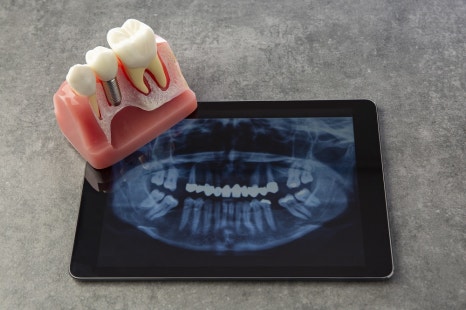
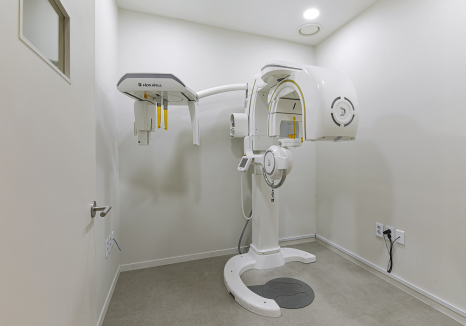 At Sinwol-dong Dental Clinic, accurate diagnosis makes safe treatment possible.
The condition of the jawbone determines the direction of implant treatment
What Sinwol-dong Dental Clinic considers important is the condition of the jawbone.
In consultations for a parent’s implant,
the first thing checked is the jawbone.
The condition of the jawbone can be confirmed through a panoramic image or a
three-dimensional precision CT scan.
Before implant placement,
CT imaging is essential.
This is because it is the first step
to establishing a safe treatment plan.
Then, based on the results from precise imaging equipment,
what does the medical team consider?
They are as follows.
• Adjusting the implant placement position
• Minimizing the number needed
• Reviewing whether bone grafting is necessary
If proper chewing has not been possible for a long period
due to tooth loss,
the jawbone may slowly resorb,
and there are often cases where there is not enough space
for implant placement.
In the case of parents,
even if a tooth is lost,
they may endure the discomfort without saying anything
because they know their children will worry,
and then visit the clinic much later after a long time has passed.
Because of this,
there are unfortunate cases where the proper timing for treatment is missed.
 If systemic conditions can be managed, there is no need to worry.
Systemic disease does not always prevent implant treatment
If systemic conditions are controlled, implant placement at Sinwol-dong Dental Clinic is fully possible.
Among those considering a parent’s implant,
many worry about implant treatment itself
due to systemic diseases such as diabetes,
high blood pressure, or osteoporosis.
However,
having a systemic disease does not necessarily mean
implant treatment cannot be done.
From the medical team’s perspective,
the following points are checked more carefully.
• Whether the current systemic disease is well controlled
• Whether the medications being taken affect implant treatment
• How to plan the surgery timing and recovery period
By combining these factors,
it is important to create a treatment plan
within a range that does not overburden the parent.
So,
if you are taking any medication,
be sure to inform the medical team in advance.
 For a parent’s implant, Sinwol-dong Dental Clinic believes it is important to make a plan that does not overdo it.
Important cautions to keep in mind for a parent’s implant
The precautions for a parent’s implant
should be based on a realistic plan
so that it is not excessive.
- Appropriate number of implants
The goal of a parent’s implant is
not to recreate exactly 28 teeth,
but to reduce discomfort in eating and daily life.
Depending on the case, using the minimum number of implants
and combining implants with prosthetics
can be a more efficient and comfortable choice for parents.
- Recovery process and ability to maintain oral hygiene
In older adults, recovery after implant surgery may be slower,
and oral hygiene may also be difficult.
Therefore, from the medical team’s perspective,
rather than the implant surgery itself,
it is important to consider
whether the patient can manage care after surgery
themselves.
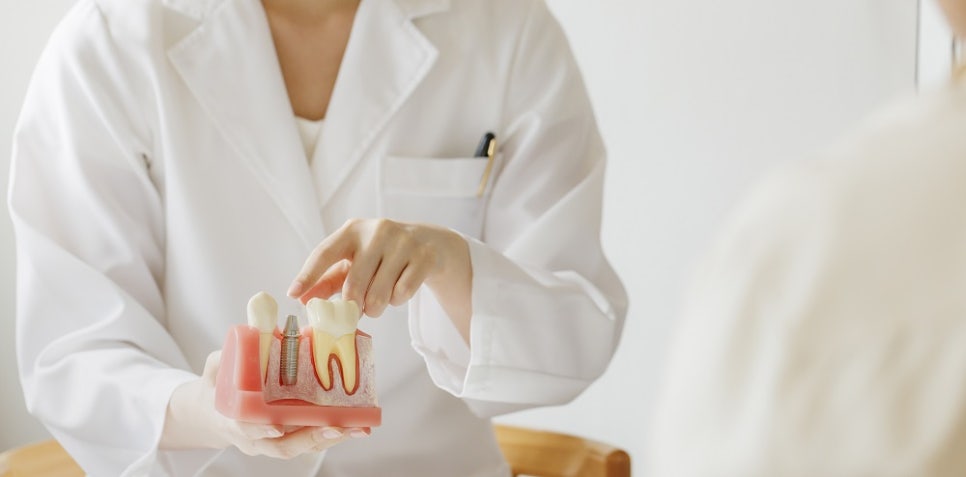 At Sinwol-dong Dental Clinic, it is perfectly fine to ask the following questions during a parent’s implant consultation.
Parent’s implant consultation: This is how you can receive it!
This is how to get a parent’s implant consultation with your parent at Sinwol-dong Dental Clinic
During a parent’s implant consultation,
children often ask questions carefully,
but
there are definitely times when you may wonder
what questions you should ask,
or whether it is okay to ask them.
The following questions are perfectly fine to ask.
• What is the current condition of the jawbone?
• About how long will the treatment take?
• What might be uncomfortable after surgery?
• Considering the age, is this not an excessive plan?
Whether the medical team explains these questions
from the patient’s point of view
in a specific and easy-to-understand way
will greatly help both our parents and children
understand the direction of treatment.
Also, to mention what is helpful for children to pay attention to,
in some cases, it is difficult for parents to manage their own implant treatment alone.
• Accompanying the initial consultation and examination
• Listening together to the care instructions
• Checking the schedule for regular checkups
These may be small things,
but they will certainly help keep the treatment results stable.
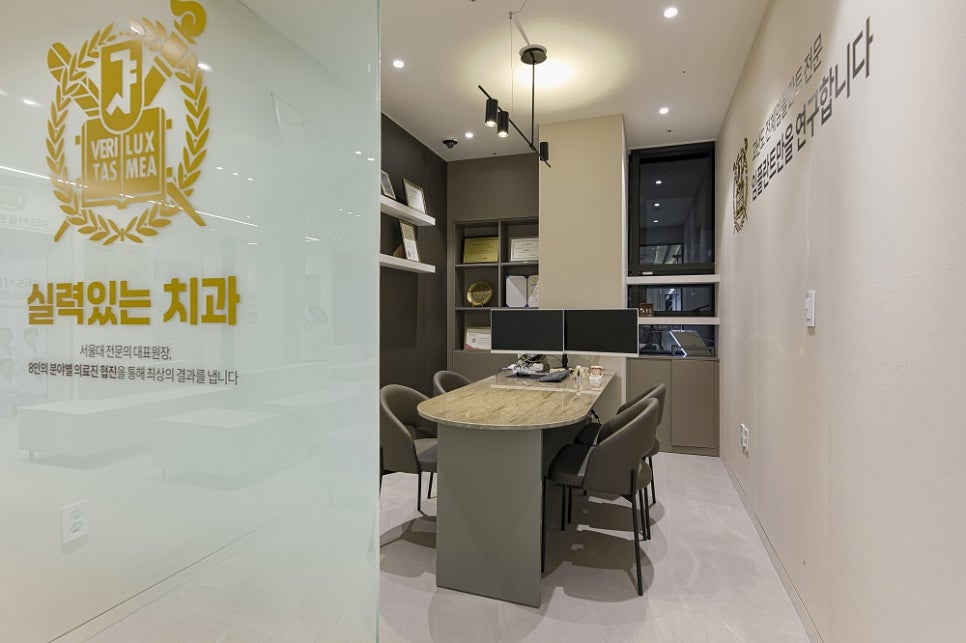 365 Seoul One Top Dental Clinic - Director Kim Geun-il
Key points of ‘a parent’s implant’ from a dentist’s perspective
For a parent’s implant,
more important than technical feasibility
is how little burden it places on the parent’s daily life.
• Sufficient explanation and understanding
• A treatment range that does not overdo it
• A plan that considers care after treatment
If these three points are well confirmed,
a parent’s implant becomes a more stable treatment.
What I feel in the clinic as a dentist is that
a parent’s implant should not be decided in a hurry,
but only after both the parent and child
fully understand it.
A treatment plan suited to the parent’s condition
can be established accurately
through sufficient examination and consultation.
If you are considering a parent’s implant,
I recommend visiting the clinic with your child
and receiving a calm consultation.
For safe and comfortable treatment for our patients,
I always do my best.
This was dentist Kim Geun-il.
Thank you.

This post was written directly by the chief director in compliance with Article 56, Paragraph 1 of the Medical Service Act,
for the purpose of providing medical information to patients.
- Notice of side effects: After treatment, side effects such as infection, inflammation, soft tissue complications,
bleeding, and sensory abnormalities may occur.
- Dental treatment can cause different side effects depending on an individual’s health condition,
so please be sure to consult with the medical team before making a decision.
- Unauthorized reproduction and use of this material is prohibited.
365 Seoul One Top Dental Clinic - Chief Director Kim Geun-il
📍 365 Seoul One Top Dental Clinic
4th Floor, Dongmyeong M Building, 179 Gangseo-ro, Gangseo-gu, Seoul
Gangseo-gu Dental Clinic near Sinwol-dong
1 minute on foot from Exit 8 of Hwagok Station