At Hwagok-dong implant dentistry, we will explain what needs to be checked on CT before implant surgery.
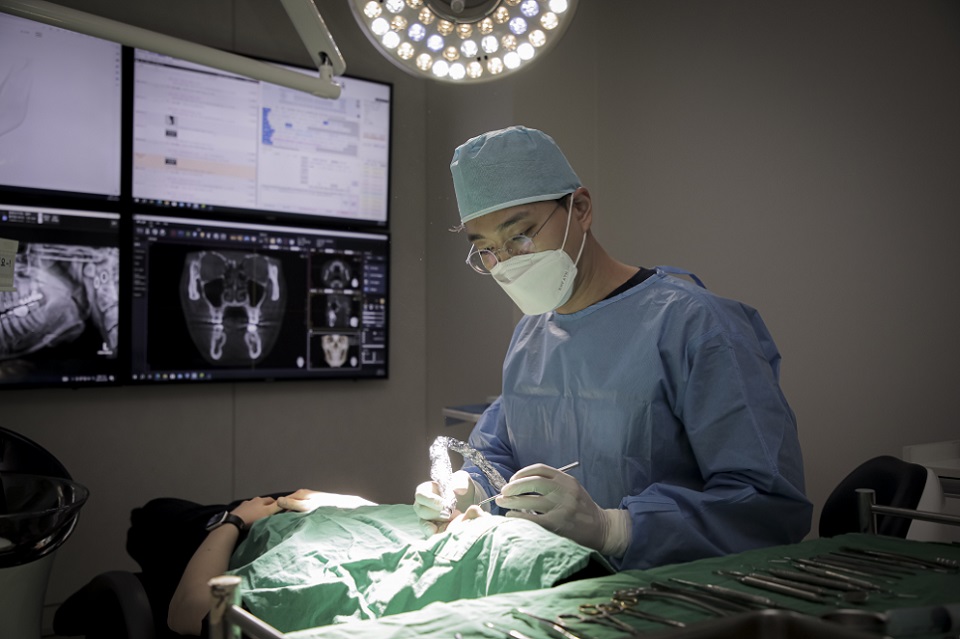
Dr. Kim Geun-il, Director of 365 Seoul One Top Dental Clinic
Hello.
I am dentist Kim Geun-il.
As a dentist, I have been treating patients in Hwagok-dong since 2018,
and during that time I have experienced a wide range of clinical cases.
When consulting with many patients
about implants,
I often get the question,
"Isn't it enough
to just take an X-ray?"
However, implants are a treatment that is placed in a hidden area.
That is why I consider CT scans before surgery
very important.
A 2D X-ray called a panoramic image
and a 3D precision CT are
not just simple tests,
but maps that determine the direction
of implant treatment.
Today, before implant surgery,
I will tell you the
three things that must be checked on CT.
(Please note that the images used below
are example materials to help explain)
What must be checked on panoramic X-rays and CT before implant surgery
I will explain why panoramic and CT scans are taken before surgery at a Hwagok-dong implant clinic
During implant consultations,
you may feel inconvenienced by
having to take CT and panoramic X-rays,
but there is a reason they must be taken.
These are the things I always check
during implant consultations and before surgery.
If you read the following, I think it will be a little easier to understand.
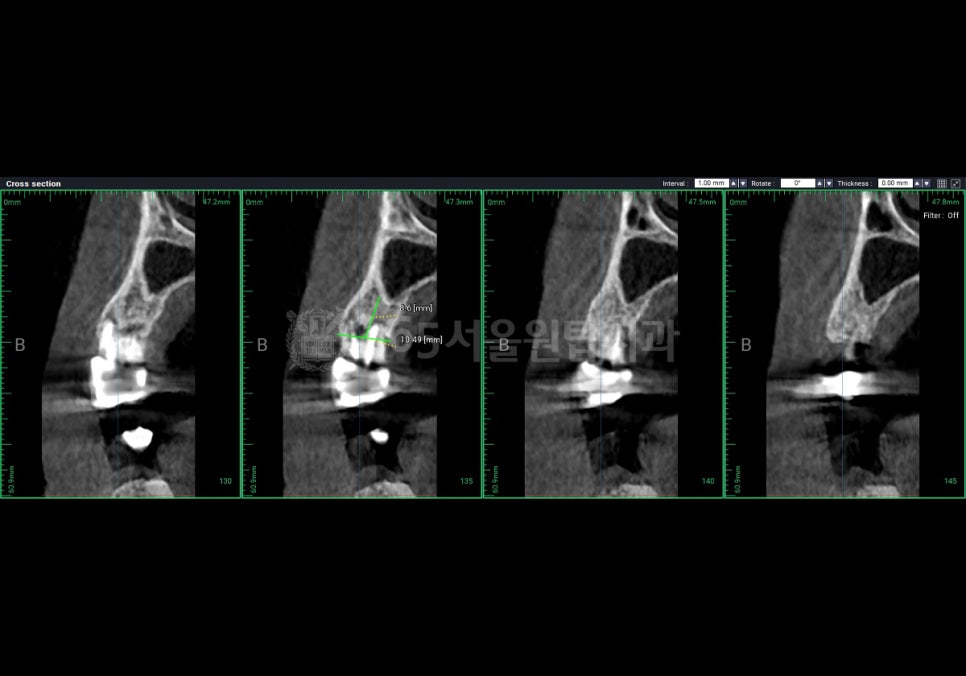
- The amount and condition of the jawbone
The first thing checked through CT is
the jawbone, called the alveolar bone.
Many people think only of the bone's thickness
or height,
but in fact,
the density and condition of the bone
are also important.
Even if it appears sufficient on the outside,
if the inside bone is weak,
it is difficult for the implant to be
securely fixed.
In such cases, it is necessary to determine in advance
whether bone grafting is needed
or whether the treatment plan should be adjusted.
It is not simply a matter of
"can it be placed?"
but rather a process of seeing
whether it is in a condition that
can be used for a long time.
- Distance from the nerve,
the minimum standard for safety
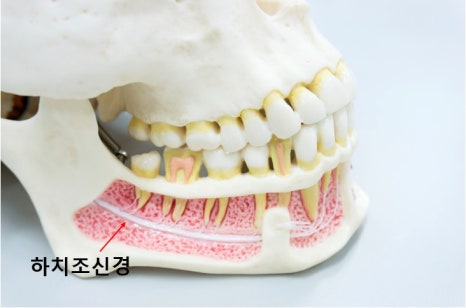
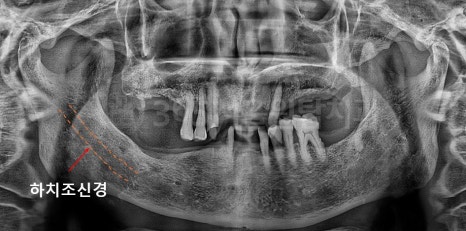
In the lower jaw, a large nerve canal
called the inferior alveolar nerve passes through.
When performing lower jaw implant surgery,
if the distance from this nerve
is not checked accurately,
numbness or sensory changes
may occur after surgery.
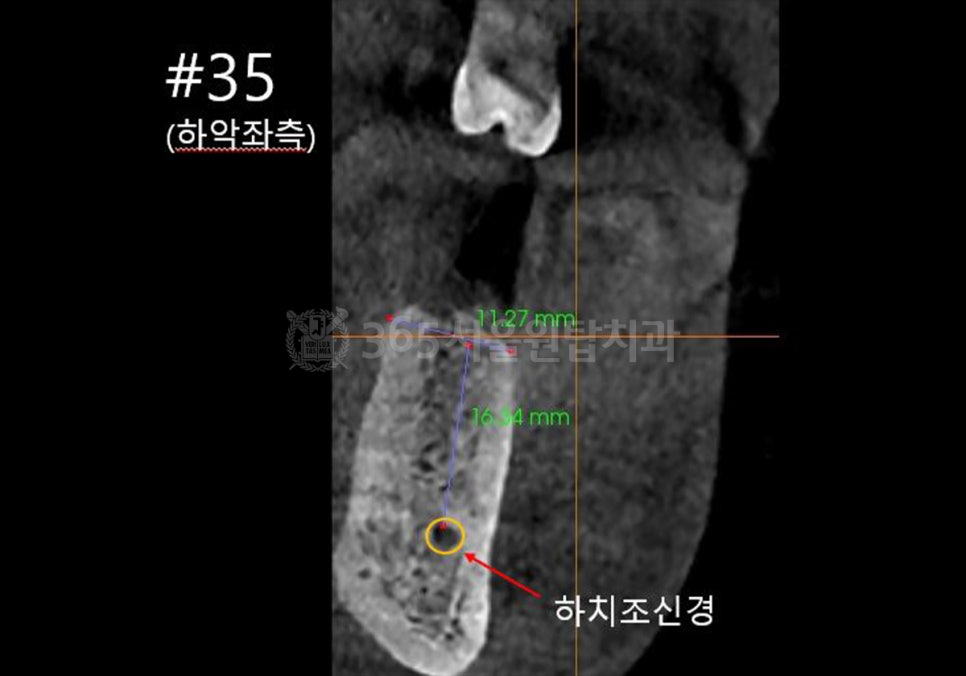
Through CT,
• the exact location of the nerve
• the safe depth where the implant can be placed
are calculated in advance.
Since an implant cannot be undone once placed,
a plan based on safety
is more important than anything else.
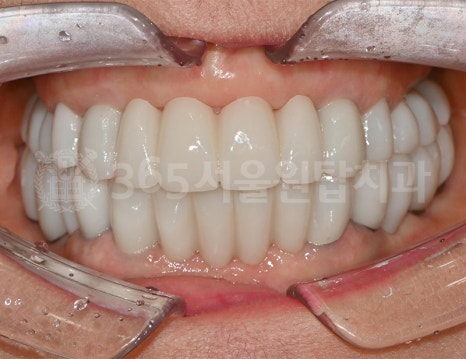
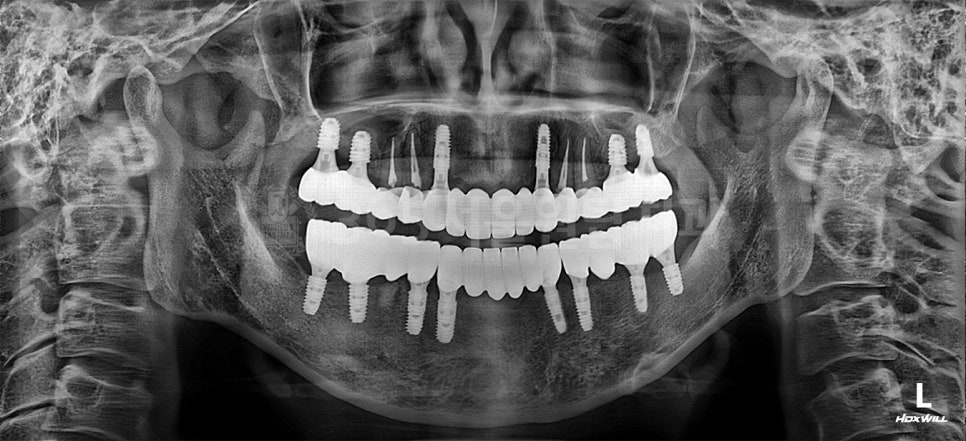
This is example image material from Hwagok-dong Implants for blog explanation.
- The direction of the implant with the prosthesis in mind
Implant treatment does not end with placement.
Only when the tooth (prosthesis) that will go on top is also considered
is the treatment truly complete.
Through CT,
• the angle at which the implant will be placed
• the direction in which chewing force is transmitted
• the relationship with the surrounding teeth
are also checked together.
Even if the direction is slightly off,
it can later cause discomfort while chewing
or place excessive force on the implant.
That is why I tend to spend
more time on the "plan"
than on the surgery itself.
Implant treatment is already half decided by the treatment plan before surgery.
The success of Hwagok-dong implants starts with the right treatment plan.
The success of implant treatment
depends greatly on the preparation process
before the surgery day rather than on the day itself.
Carefully reviewing the panoramic image and CT,
and making a plan suited to the patient's situation!
This process is exactly what 365 Seoul One Top Dental Clinic,
a Hwagok-dong implant clinic,
evaluates as an important part of implant care.
Implants are not just treatment that places teeth;
I think of them as treatment that designs the years ahead together.
That is why we look a little more,
explain a little more,
and make decisions a little more carefully.
Going forward,
for safe implant treatment,
I, dentist Kim Geun-il,
will always do my best at our Hwagok-dong dental clinic.
Thank you.
This post was written directly by the chief director, in accordance with Article 56, Paragraph 1 of the Medical Service Act, for the purpose of providing medical information to patients.
- Side effects notice: After treatment, side effects such as infection, inflammation,
soft tissue complications, bleeding,
and sensory changes may occur.
- Because dental treatment can cause different side effects depending on
a person's health condition,
please be sure to consult with medical staff before making a decision.
Hwagok-dong implants
📍 365 Seoul One Top Dental Clinic
4th Floor, 179 Gangseo-ro, Gangseo-gu, Seoul, Dongmyeong M Building
Hwagok-dong implant dentistry
1 minute on foot from Hwagok Station Exit 8