�
Yangcheon Station Implants: Differences in Placement Angle Determine Treatment Outcomes
Why differences in implant placement angle can change the lifespan of Yangcheon Station implants
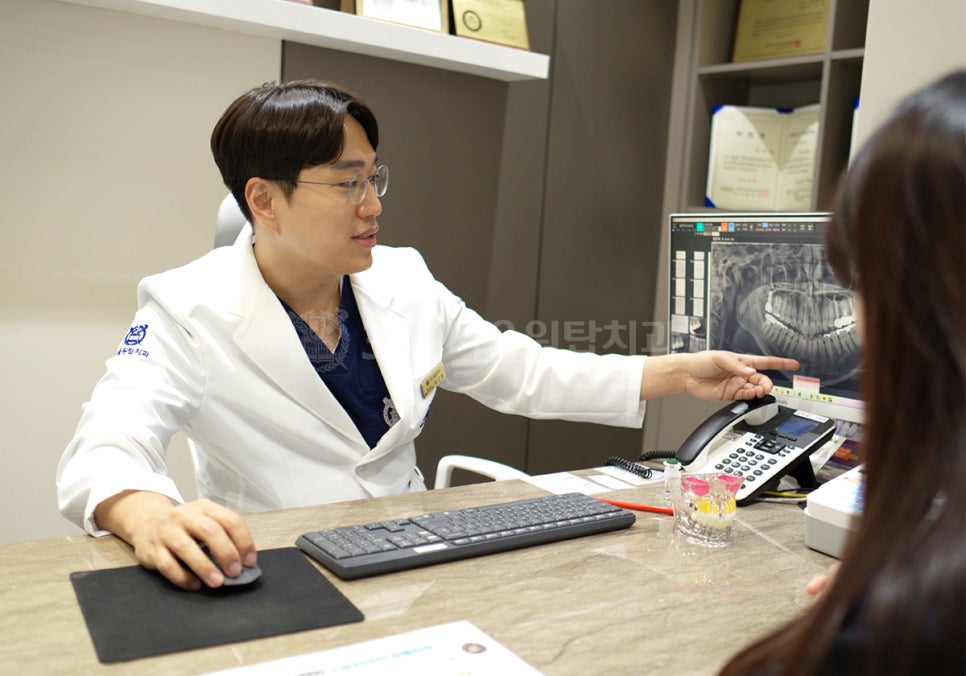
Dr. Kim Geun-il, Director of 365 Seoul One Top Dental Clinic
Hello.
I’m dentist Kim Geun-il.
Before the Lunar New Year holiday, a patient in his mid-50s from Yangcheon Station
came in for an implant consultation and said something like this.
“Isn’t an implant
basically the same treatment no matter where you go?”
Implant treatment is a dental procedure in which an artificial root is placed into the area of a missing tooth. Broadly speaking, from a patient’s point of view, it may seem like any dental clinic would provide a similar treatment.
However, one of the aspects I pay the closest attention to in implant treatment is the implant placement angle.
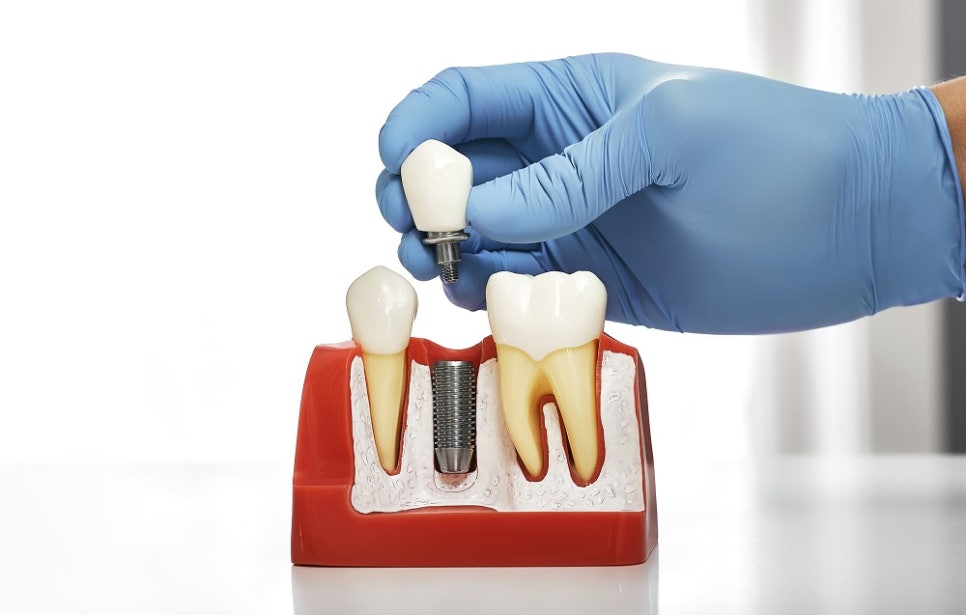
On the surface, it may look like a treatment that simply places a small screw.
But a tiny difference of 1 to 2 degrees can change the result years later.
Why is the implant placement angle important?
The reason the placement angle matters for Yangcheon Station implants is that if the angle is off, various problems can arise with the implant.
An implant is not simply a structure fixed into the bone.
It must withstand chewing forces and blend naturally with the gum line.
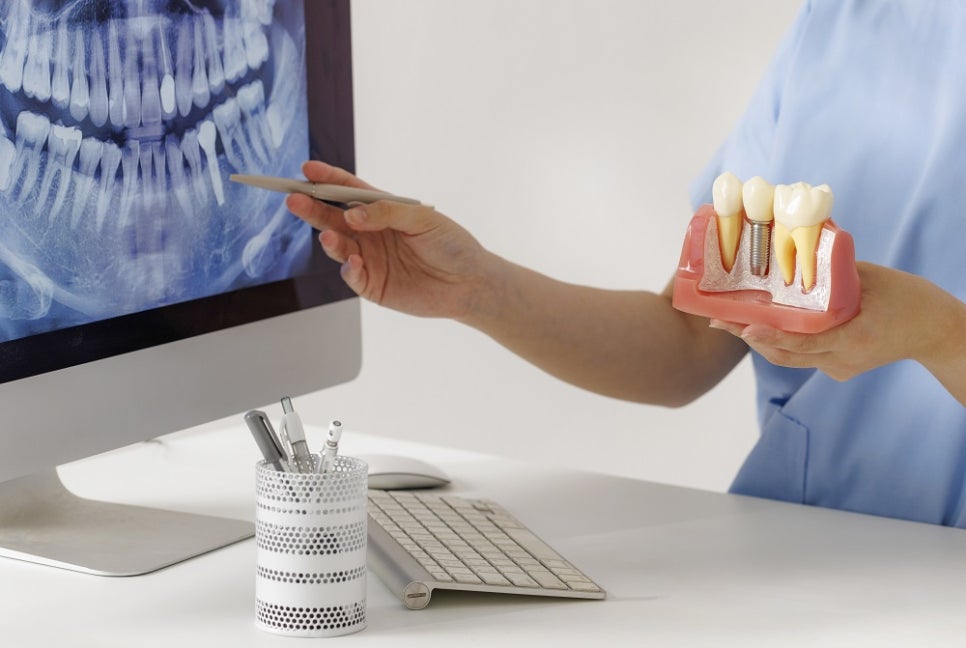 If the angle is misaligned during implant placement in Yangcheon-dong, the following problems may occur.
Even if the implant placement angle is only slightly off,
✔ chewing force can become concentrated on one side,
✔ the prosthetic may appear subtly tilted,
✔ and in the long term, it can cause screw loosening or prosthetic fracture.
Even if there is no discomfort at first,
I have often seen differences appear over time while performing implant treatment over many years in the clinic.
 During implant placement in Yangcheon-dong, the most important decisions are made before surgery.
The implant placement angle is determined before surgery
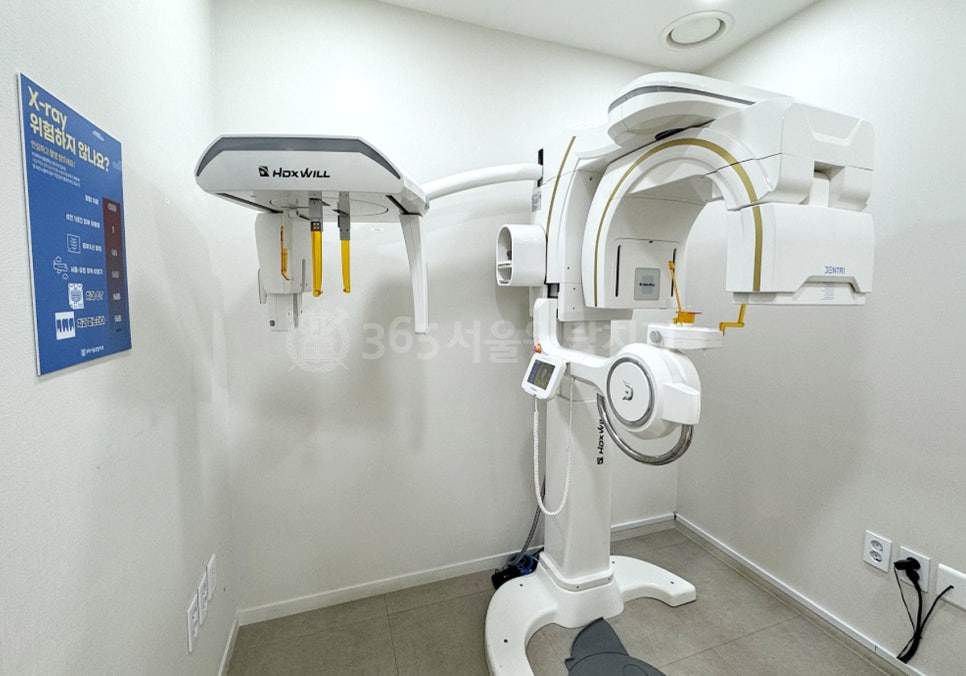
For implant placement in Yangcheon-dong, be sure to make full use of 3D CT imaging to check the angle.
When planning an implant,
I spend the most time on the pre-surgical stage.
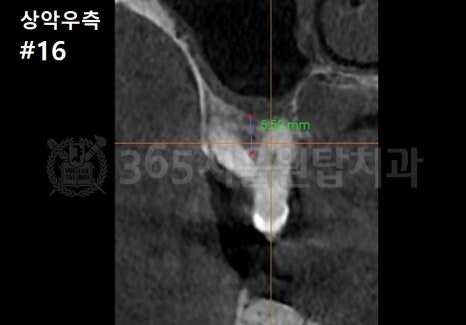
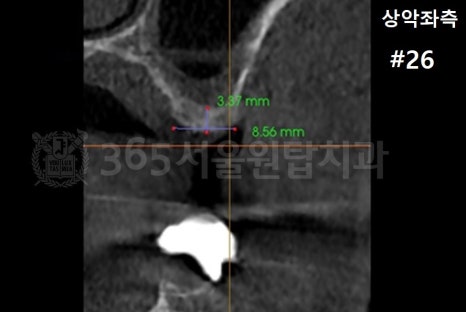 These are example materials for explaining implant CT scans at Yangcheon Station.
Through 3D CT,
I check bone thickness and density, the location of nerves, and even predict the shape of the final prosthesis.
Only after that do I decide which direction and angle will provide long-term stability.
I believe implants are less about “inserting a fixture” and more like “a process of design.”
Paying closer attention to invisible differences
I always approach even the invisible differences with great care when placing implants at Yangcheon Station.
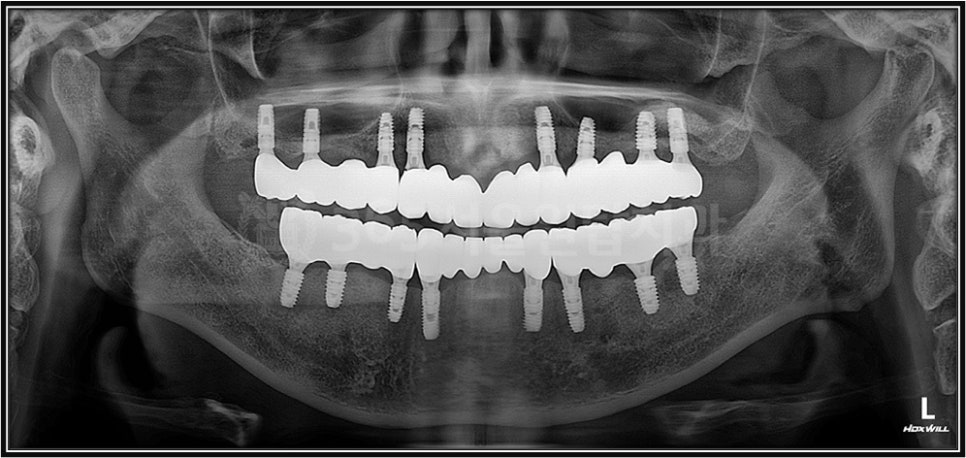 I will always do my best so that the angle of the implant I place remains comfortable even 5 or 10 years later.
Patients often ask more about pain or the length of the surgery.
Of course, I understand very well that these questions come from worry and fear about implant surgery.
But I first think of this question:
“Will this position still feel comfortable
5 or 10 years from now?”
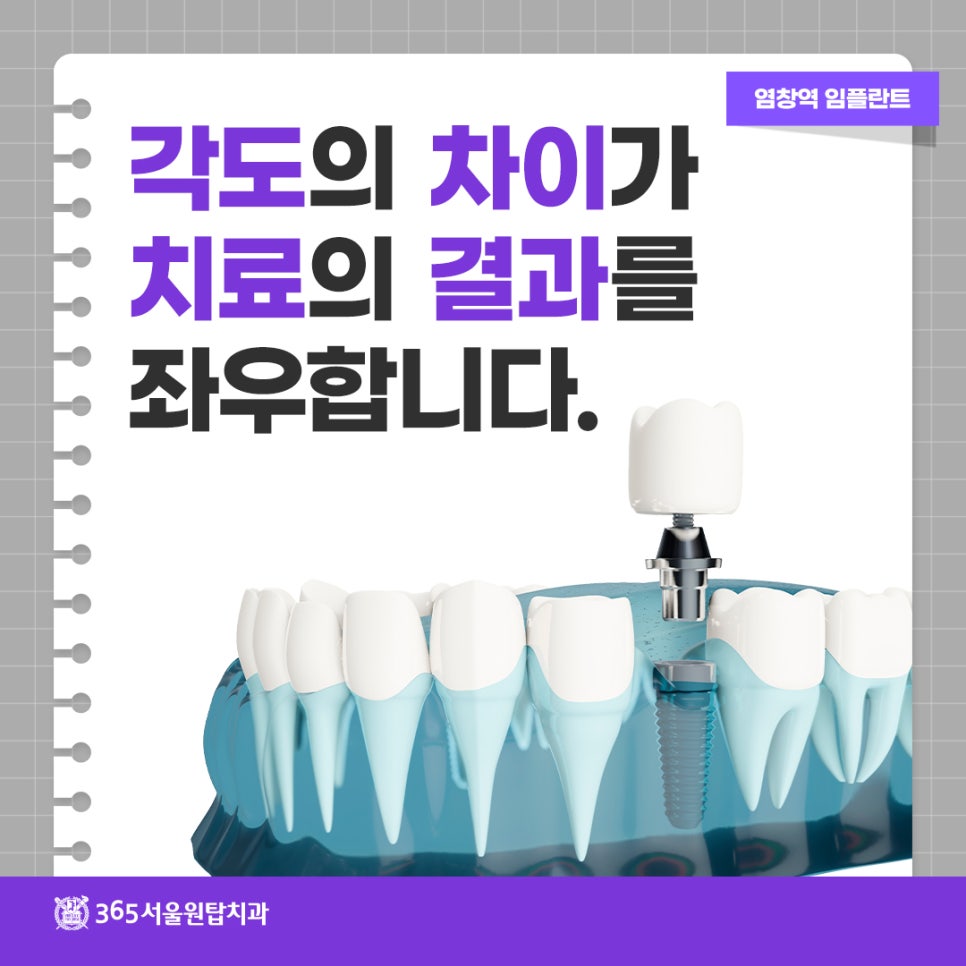
A 1 to 2 degree difference in implant placement angle.
It is not easily visible, but that difference can determine the long-term stability of the implant.
If you are considering implant treatment,
I recommend looking not only at the visible parts but also at the planning process that is not visible.
Even today,
I am thinking a little more carefully about that small difference.
This has been dentist Kim Geun-il.
Thank you.
-The purpose of this post is to provide medical information to patients,
and it was written directly by the chief director in accordance with Article 56, Paragraph 1 of the Medical Services Act.
-Notice of side effects: After treatment, side effects such as infection, inflammation,
soft tissue complications, bleeding,
and sensory abnormalities may occur.
-Dental treatment can produce different side effects depending on the individual’s health condition,
so please consult with medical staff before making a decision.
Yangcheon-dong implant
📍 365 Seoul One Top Dental Clinic
4th Floor, Dongmyeong M Building, 179 Gangseo-ro, Gangseo-gu, Seoul
Implant dental clinic near Yangcheon-dong
1 minute on foot from Exit 8 of Hwagok Station