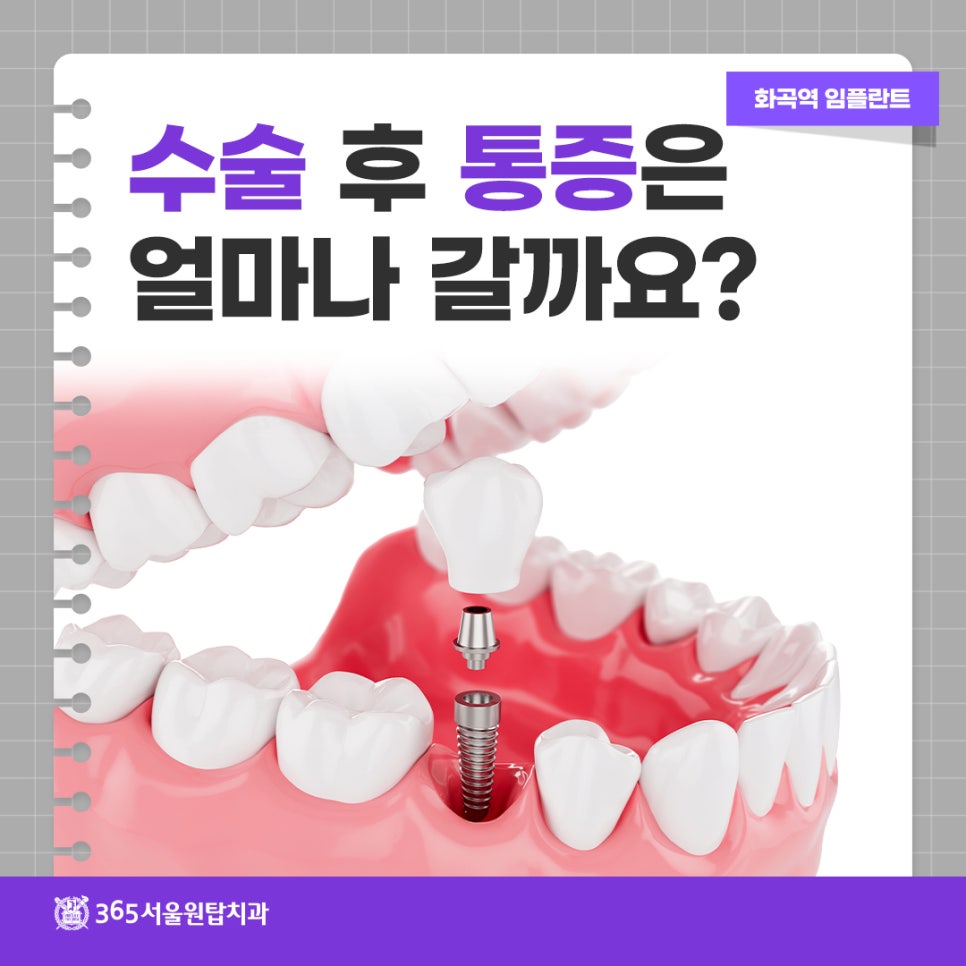
I hope today’s post will be helpful for patients who are worried about pain during implant surgery at Hwagok Station.
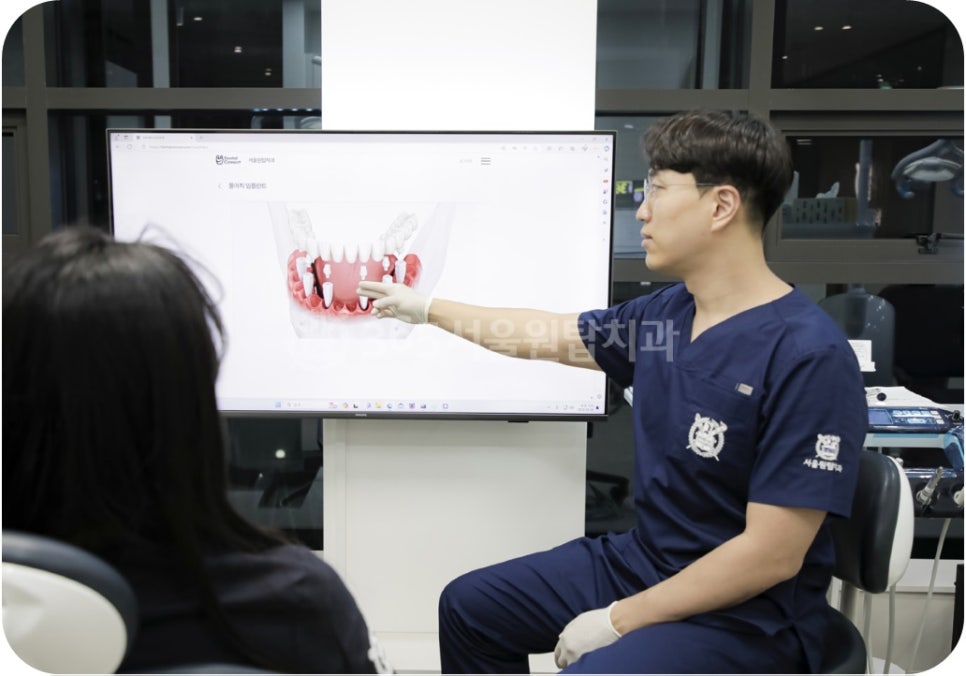
Dr. Kim Geun-il, 365 Seoul One Top Dental Clinic
Hello.
I’m dentist Kim Geun-il.
When consulting for Hwagok Station implants,
there is one question I hear the most.
Doctor,
Does implant surgery
hurt a lot afterward?
Dental treatment itself can be nerve-racking,
and when the word “surgery” is added,
it is natural for worry to grow.
In many cases, treatment is delayed
not because of the actual intensity of the pain,
but because of the anxiety of not knowing
how much it will hurt.
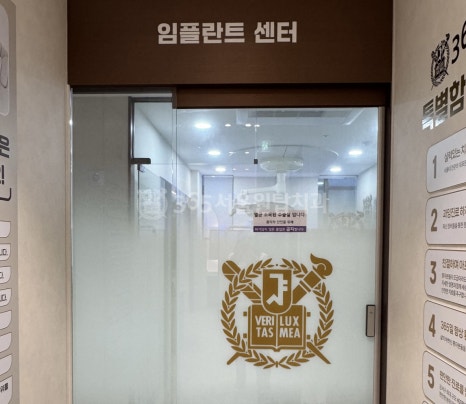
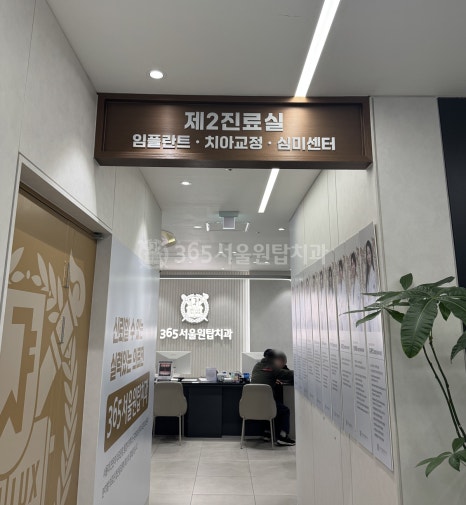 Many patients worry a great deal about pain before implant surgery at Hwagok Station.
So today,
I’ll explain in a bit more detail
why pain occurs after implant surgery
at Hwagok Station,
and how long it usually lasts.
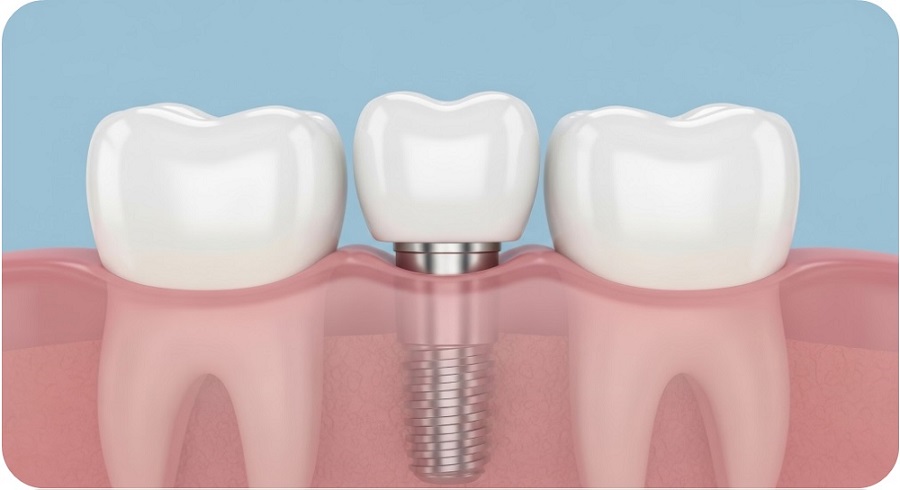 Pain after implant surgery at Hwagok Station is a sign of recovery, not a problem. (This image is an AI-generated example created to help patient understanding.)
Reasons for pain after implant surgery
The reason pain occurs after implant surgery at Hwagok Station is not that the surgery was done incorrectly.
Implant surgery involves making an incision in the gum,
creating a space in the alveolar bone
for the artificial tooth root,
and then securing it.
At this time, the gum and bone tissue
are exposed to minor stimulation.
When tissue is stimulated,
the body naturally begins
its recovery response,
dilating blood vessels,
increasing blood flow,
and releasing inflammatory mediators.
These substances stimulate the nerves,
causing throbbing or tenderness.
The inflammation mentioned here
is not an infection,
but a normal physiological response
for healing.
In other words, pain
should be understood not as a sign
that something has gone wrong,
but as part of the recovery process.
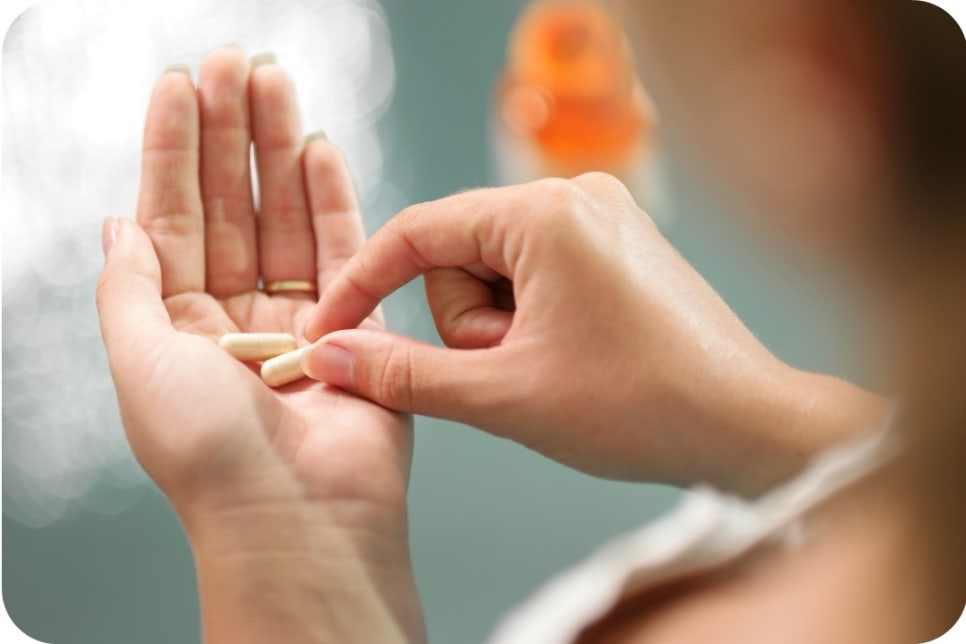 Pain after implant surgery at Hwagok Station usually begins to ease gradually after 2 to 3 days.
How long does pain last after implant surgery?
For implant surgery at Hwagok Station, the first 2 to 3 days are usually the most uncomfortable, and after about 5 to 7 days, the pain typically drops to a level that does not interfere with daily life.
For most people,
pain after implant surgery is
most uncomfortable for about 2 to 3 days after the procedure.
After this period,
the inflammatory response gradually settles,
and the pain also decreases.
Usually after about 5 to 7 days,
many patients recover to a level
where daily life is not greatly affected.
In my case, I usually ask patients
to come in the next day after implant surgery
so I can check the treatment area, and although they are a bit uncomfortable when they visit the next day,
there are quite a few people who say,
“I was more okay than I expected.”
In the case of a single implant,
with only one or two implants placed rather than multiple implants,
patients often feel pain similar to
or milder than that after a typical extraction,
and most people can manage it well
by taking the prescribed anti-inflammatory pain relievers regularly.
Of course, if the condition is poor
and a lot of bone grafting is needed,
or if multiple implants are placed,
some patients may feel a little more pain.
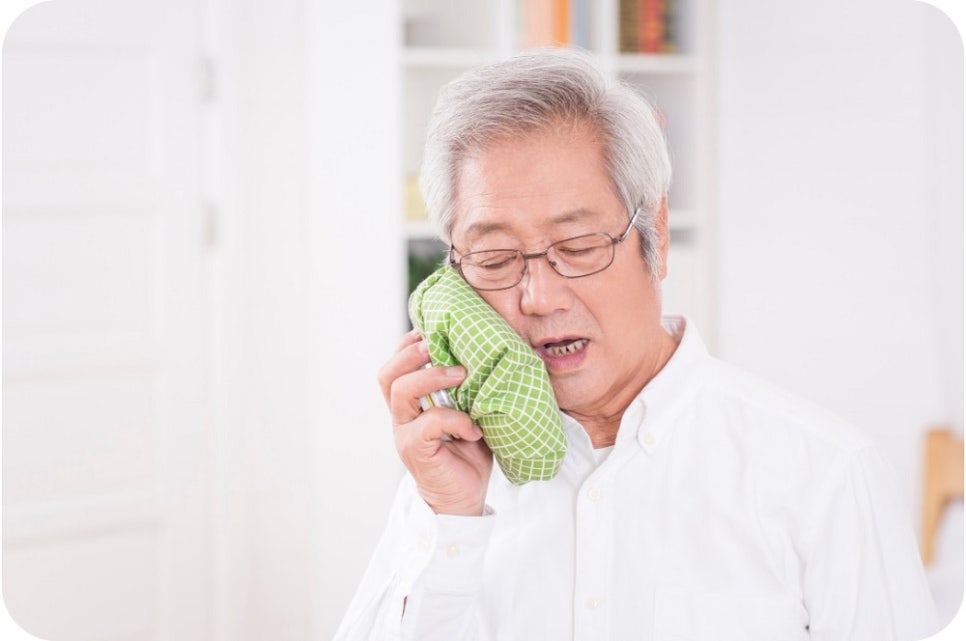 There may be a feeling of swelling after implant surgery at Hwagok Station. Please use cold compresses for 48 hours.
Swelling and the recovery process after implant surgery
Swelling is one of the natural symptoms that may temporarily occur after implant surgery at Hwagok Station.
Swelling is a natural response that occurs
as blood and immune cells gather
around the damaged tissue.
It is usually most noticeable on days 2 to 3,
and then gradually goes down.
If you apply cold compresses for 48 hours after surgery,
it can help reduce swelling and pain.
However, if bone grafting is performed
or several implants are placed at the same time,
the recovery period may be a little longer.
We explain these points in 충분한 detail before surgery and proceed accordingly.
I have bruising after implant surgery
Some patients mention that they have bruising after implant surgery at Hwagok Station.
In some cases, bruising (subcutaneous bleeding)
may appear.
If a small blood vessel is irritated during surgery,
blood can seep under the skin,
and this can appear externally as purple or yellow bruising.
This may be more noticeable especially
in upper molar surgery,
when bone grafting is performed at the same time,
or in people with thin skin.
Bruising usually fades in the order of purple → green → yellow,
and disappears naturally within 1 to 2 weeks.
Since this is different from an infection,
if the pain does not get worse
and the swelling does not become abnormally large,
you do not need to worry too much.
To reduce pain and bruising
- Use cold compresses for 48 hours after surgery
- Avoid excessive exercise and drinking alcohol
- Take prescribed medication regularly
If you follow these basic rules well,
the recovery process will be much more stable.
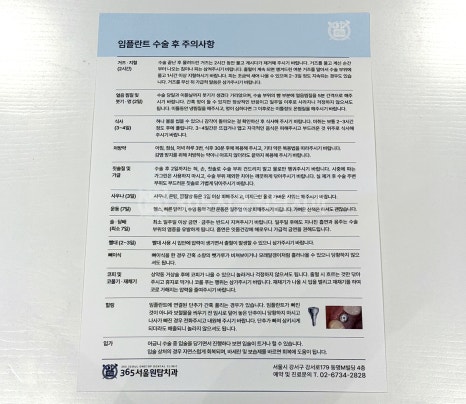
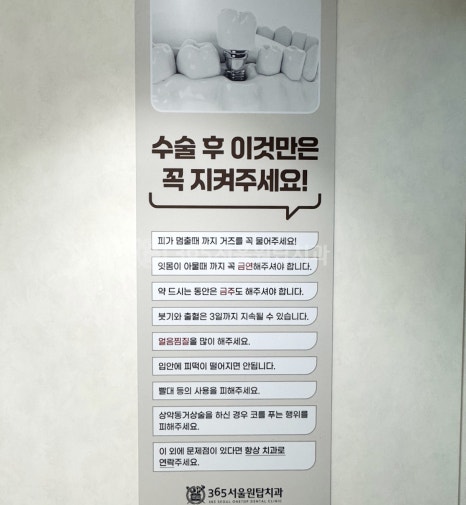 These are the actual post-implant surgery precautions and instructions displayed at our clinic. We emphasize the precautions several times when explaining them.
Things I hope you will remember after implant surgery
Please be sure to remember the precautions given after implant surgery at Hwagok Station.
We provide advance guidance so that patients do not worry about the various situations that may occur after implant surgery,
and because following the precautions well is essential for a quick recovery,
our clinic also writes the post-implant surgery precautions in more detail and provides them to patients.
Normal recovery pain
gradually decreases over time.
On the other hand, if the pain gets worse and worse,
or if fever or persistent bleeding is accompanied,
a checkup is needed.
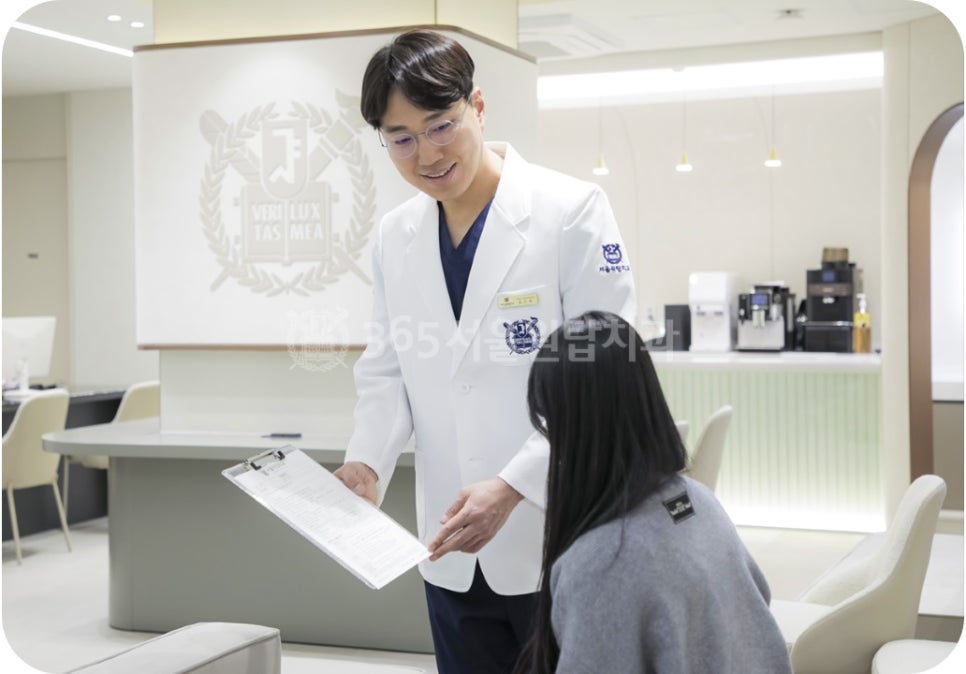 Most pain can be managed. I will do my best to reduce anxiety before and after implant surgery.
I believe that more important than the surgery itself
is reducing anxiety before and after implant surgery.
Most pain can be managed.
If you have an accurate explanation and a plan,
you do not need to be overly afraid.
If you are afraid of implant surgery,
don’t worry, because implant surgery under conscious sedation is also possible.
If you are thinking about treatment for Hwagok Station implants,
it is not too late to first check your current condition
rather than worrying vaguely.
If you have any questions about implants,
I will explain them calmly at any time.
This has been dentist Kim Geun-il.
Thank you.
-This post was written by the chief doctor,
under Article 56, Paragraph 1 of the Medical Services Act,
for the purpose of providing medical information to patients.
-Because dental treatment may cause different side effects depending on each person’s health condition,
please be sure to consult with medical staff before making a decision.
-Side effect notice: After treatment, side effects such as infection, inflammation,
bleeding, soft tissue complications, and sensory abnormalities may occur.
📍 365 Seoul One Top Dental Clinic
4th Floor, Dongmyeong M Building, 179 Gangseo-ro, Gangseo-gu, Seoul
Hwagok Station Implant Dental Clinic
1 minute on foot from Exit 8 of Hwagok Station