If you are planning an overseas trip or business trip after Deungchon Station implant surgery, please be sure to read this post.
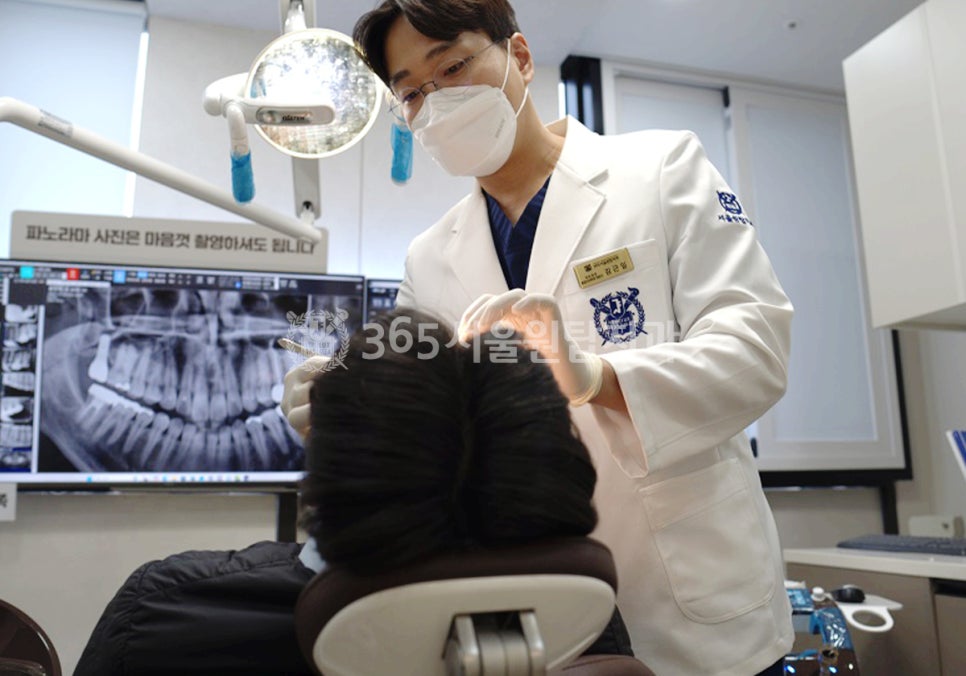
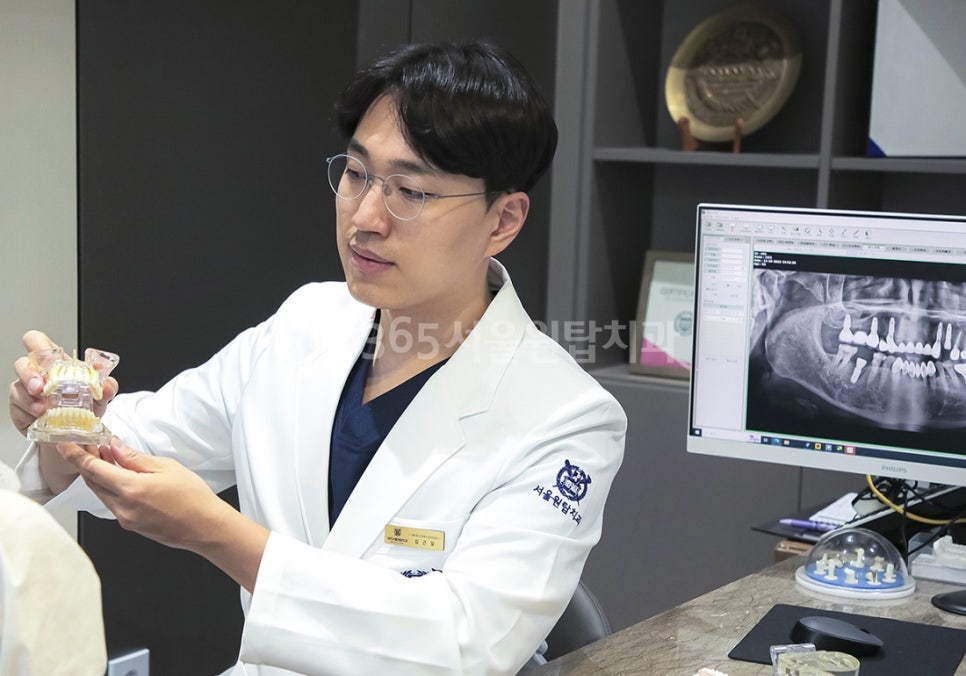
Dr. Kim Geun-il, Director of 365 Seoul One Top Dental Clinic
Hello.
I am dentist Kim Geun-il.
After the Lunar New Year holiday in February,
there is another short break coming up in March,
with Independence Movement Day and the substitute holiday.
Of course, 365 Seoul One Top Dental Clinic
plans to remain open as usual
even on Independence Movement Day and the substitute holiday,
so that patients can receive treatment :)
For people who work at regular companies,
there are patients who visit for implant consultations
ahead of major holidays or vacation seasons.
Recently,
a question from a man in his 60s who visited the Deungchon Station implant dental clinic
and received an implant consultation at our clinic
left a strong impression on me.
One of the most common questions asked during implant consultations is:
Doctor,
I’m planning to go on an overseas trip.
Is it okay to get implant surgery and
take a plane right away?
Because it is an implant surgery
you have made a serious decision to undergo,
you may worry whether anything might go wrong at your destination.
Today, as a dentist, I will explain in detail
how air travel affects the implant surgical site.
Pressure changes during flight can significantly affect the surgical site at Deungchon Station Implant Dental Clinic.
Why should you be careful about flying after implant surgery? (The effect of air pressure)
You must be careful about taking a flight after Deungchon Station implant surgery because pressure differences can cause problems.
To give the conclusion first,
even in a simple implant placement,
it is safest to board only after the stitches have been removed
(usually 1 to 2 weeks after surgery),
if possible.
The reason is the difference in pressure inside the airplane.
When an airplane climbs above 30,000 feet,
the cabin pressure becomes lower than on the ground.
At that time, our body responds
to changes in external pressure,
and the surgical site can be affected in the following serious ways.
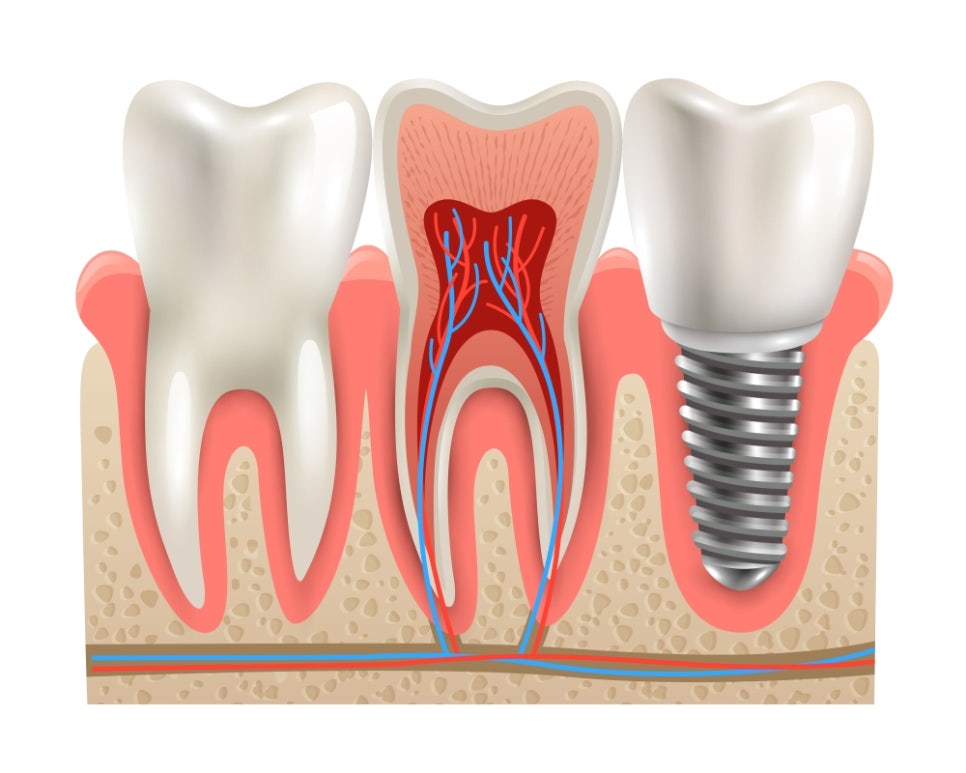
After implant surgery at Deungchon Station, pressure changes can increase the risk of pulsating pain and rebleeding.
- Blood vessel dilation and pain
When air pressure drops,
blood vessels temporarily dilate.
If the gum blood vessels that were made sensitive by surgery dilate,
throbbing pain (pulsating pain) may become worse.
- Rebleeding and interference with hemostasis
Due to pressure differences,
bleeding that had stopped may start again,
or there is a risk that the blood clot that helps the wound heal
may come off.
- Pressure on the maxillary sinus area
Especially when bone grafting is performed
in the upper molar area,
changes in pressure within the empty space connected to the nose (the maxillary sinus)
can cause severe pain.
When is it safe to fly after implant surgery?
The safe period for taking a flight after implant surgery will be explained by Deungchon Station Implant Dental Clinic.
Although it differs depending on each patient’s recovery speed
and the difficulty of the surgery,
it is generally as follows.
- Simple placement (when there is no bone graft)
It is recommended to rest on the ground for at least 2 to 3 days after surgery.
This is the time when acute inflammation and swelling are at their worst,
so rest is recommended rather than flying.
- When sinus lift surgery and extensive bone grafting are involved
This case requires great caution.
It is safer to allow at least 1 to 2 weeks
until the graft material settles and the maxillary sinus membrane stabilizes.
This is because pressure differences may affect the grafted bone
or cause a nosebleed.
- After stitch removal
The safest time to board is after stitch removal,
about 7 to 14 days after surgery.
Having the stitches removed means that the outer gum tissue has healed to some extent,
so from that point on, it can respond relatively safely
to pressure changes in the cabin.
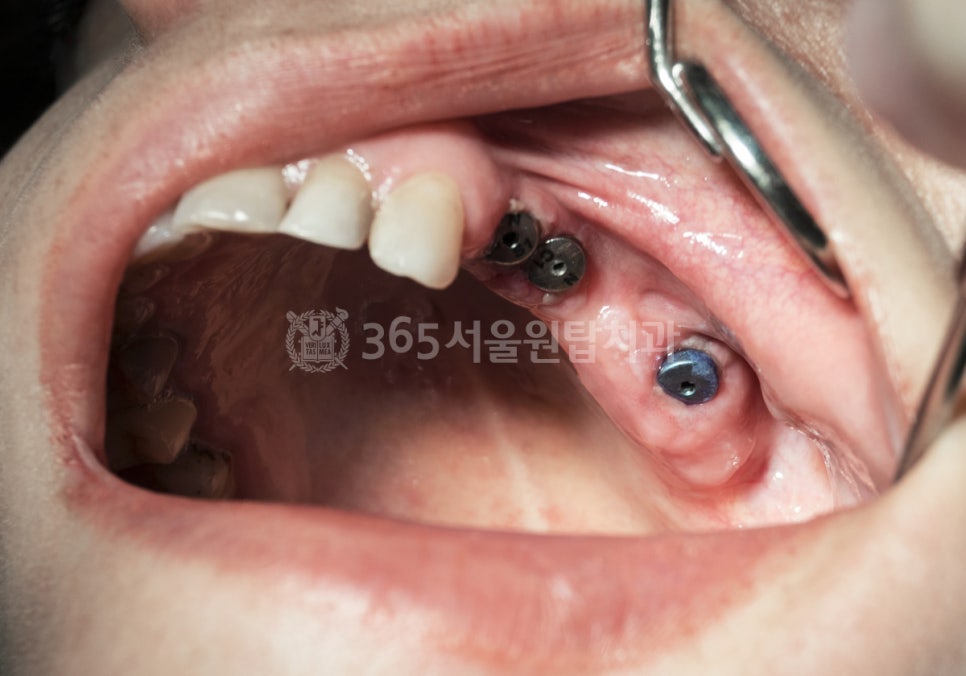
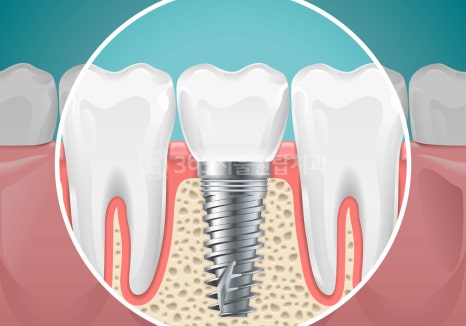
At Deungchon Station Implant Dental Clinic, we recommend being careful not to be affected by external stimulation until the stitches are removed. (This photo is an example for explanation purposes.)
Why is “after stitch removal” the safest?
At Deungchon Station Implant Dental Clinic, the period until stitch removal is considered a very important time for implant success.
After implant surgery, it usually takes about 7 to 10 days
until the stitches are removed.
The reason this period is important can be divided into three main points.
① Completion of primary gum closure (healing)
The gums immediately after surgery are in an incised state
and held together by the stitches.
If pressure changes occur in this state,
the gum tissue may repeatedly swell slightly and subside,
which can cause the wound to open.
Removing the stitches means that the outer gum layer has attached to some extent,
so the risk of the wound opening due to pressure changes
drops significantly.
② The golden time for early osseointegration
The most important thing to be careful about during the stage of osseointegration,
when the implant screw bonds with the jawbone,
is external stimulation and pressure.
The low-pressure environment inside an airplane can change blood flow,
causing blood flow to concentrate at the surgical site,
which may negatively affect initial stability.
③ Ability to respond to emergencies
What if the stitches come loose or inflammation develops
on the plane or at an overseas destination?
You may have to find a hospital in a foreign country where communication is difficult,
or bear expensive medical bills,
which can be very inconvenient.
Leaving after the stitches are removed in Korea,
with your doctor’s confirmation that “it has healed well,”
will make for the most worry-free trip.
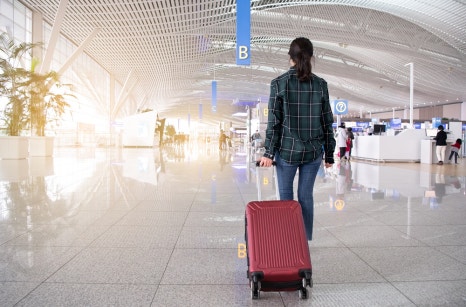 If you must take a flight after implant surgery, be sure to follow the precautions given after surgery at Deungchon-dong Implant Clinic.
What if you must take a flight after implant surgery? (In-flight coping tips)
However, if the situation is not ideal and you must take a flight after implant surgery, please remember the following.
If your schedule is already fixed and you must depart immediately after surgery,
be sure to follow the instructions below.
- Be sure to carry your prescribed medications in your carry-on
Pack your pain relievers and antibiotics
in your carry-on bag before boarding.
If you feel even a little pain,
you should take them right away.
- Do not use straws, and do not spit
Using a straw when drinking in the cabin
increases pressure inside the mouth and interferes with hemostasis.
Do not spit; swallow saliva instead.
- Use an ice pack
If it is within 48 hours after surgery,
asking the flight attendant for ice and applying a cold compress
can greatly help control swelling and pain.
- Avoid irritating in-flight meals
Foods that are too hot, spicy, or salty
can irritate the surgical site.
Please eat mainly soft foods.
- Drink enough water and rest
The cabin is very dry.
If your mouth becomes dry, bacteria can multiply more easily
and wound healing may slow down,
so drink water often
to keep your mouth moist.
But please remember this
If you are considering implant surgery before an overseas trip or business trip,
please discuss it with the medical staff in advance and adjust your schedule.
The best way is to visit the dental clinic
and receive a consultation as soon as your travel schedule is decided.
This is because whether you can fly
may vary depending on the condition of your gums and the scope of the surgery.
An enjoyable overseas trip,
but if tooth pain starts at your destination,
there will be nothing more distressing than that.
If you are planning implants,
we recommend completing the surgery at least 2 weeks before your departure date,
or, if that is not possible,
having the surgery after you return.
We hope your trip will be free of pain
and filled only with happy memories.
If you are wondering whether your condition is okay for flying,
please feel free to visit us anytime and
consult with me in detail!
I am dentist Kim Geun-il.
Thank you.
Deungchon Station Implant Dental Clinic
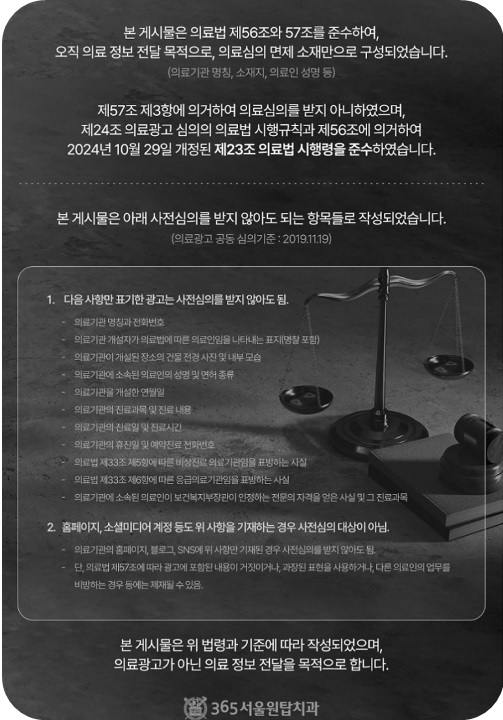
This post was written by the chief director for the purpose of providing medical information to patients, based on Article 56, Paragraph 1 of the Medical Service Act.
- Notice of possible side effects: After treatment, side effects such as infection,
inflammation, bleeding,
soft tissue complications, and sensory abnormalities
may occur.
- Because dental treatment can cause different side effects depending on each person’s health condition,
please be sure to consult with the medical staff
before deciding whether to proceed with treatment.
📍 365 Seoul One Top Dental Clinic
4F, Dongmyeong M Building, 179 Gangseo-ro, Gangseo-gu, Seoul
Implant dental clinic in Hwagok-dong, Gangseo-gu
1 minute on foot from Exit 8 of Hwagok Station