If you have a teeth-grinding habit and have had an implant, please pay attention to today’s story from Omokgyo Implant Dental Clinic.
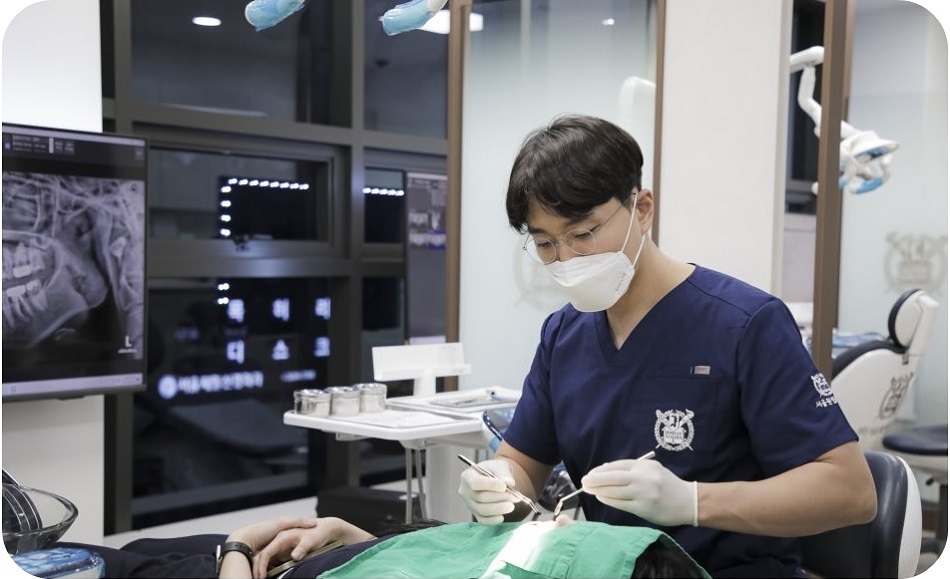
Kim Geun-il, Director of 365 Seoul One Top Dental Clinic
Hello.
I’m dentist Kim Geun-il.
When consulting on implant treatment,
patients often ask questions like this.
Director,
I have a slight habit of teeth grinding or clenching.
Could that be a problem for implants?
To give you the conclusion first,
teeth grinding and clenching habits
are one of the factors that can put stress on implants.
However, having these habits does not mean
that you cannot get implants,
and if proper care is provided together,
they can be used with sufficient stability.
Are teeth grinding and clenching the same thing?
The difference between teeth grinding and clenching, as explained by Omokgyo Implant, is as follows.
In dentistry, these habits are called
"bruxism"
.
Bruxism can appear in two main forms.
-
Grinding –
A habit of rubbing the teeth side to side and grinding them down
-
Clenching –
A habit of biting down tightly and forcefully

 At Omokgyo Implant, we explain that the causes of teeth grinding and clenching often occur during sleep or due to stress.
In many cases, they occur unconsciously during sleep,
but it is also not uncommon to unconsciously
clench the teeth during stressful situations or while concentrating.
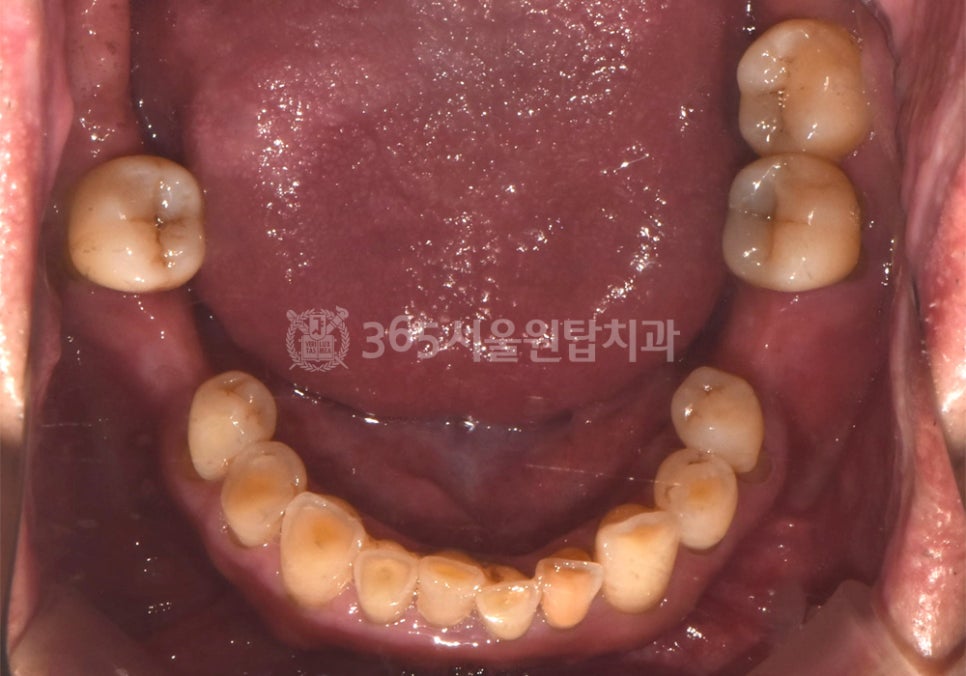 This is a photo for example purposes.
The problem is that
the force applied to the teeth at this time
can act much more strongly than normal chewing force.
In particular, as in the example in the photo above,
if the tooth alignment becomes irregular due to tooth loss,
and the molar arrangement collapses,
the front teeth may touch first,
causing wear to occur.
Teeth grinding and clenching habits can also affect implants
Teeth grinding and clenching habits can also have a negative effect on implants.
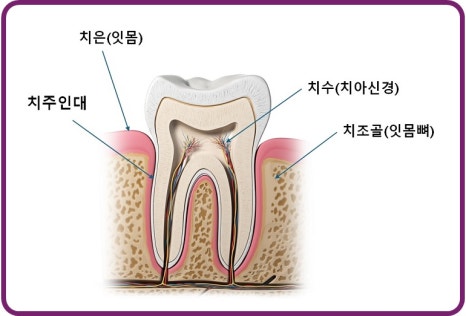
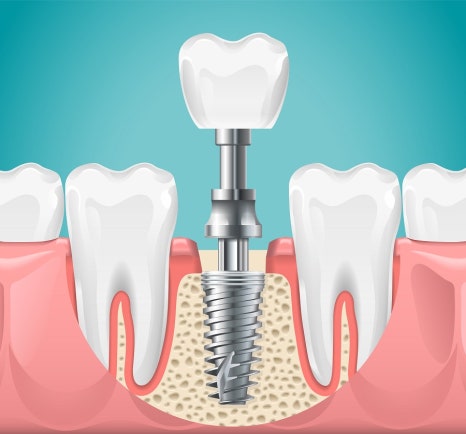 These are example photos showing the difference between tooth structure and implants, as explained by Omokgyo Implant Dental Clinic.
An implant is
a stable treatment method in which
the artificial root bonds firmly with the bone.
However, unlike natural teeth,
implants do not have
a periodontal ligament that cushions impact,
so excessive biting force can be
directly transmitted to the implant.
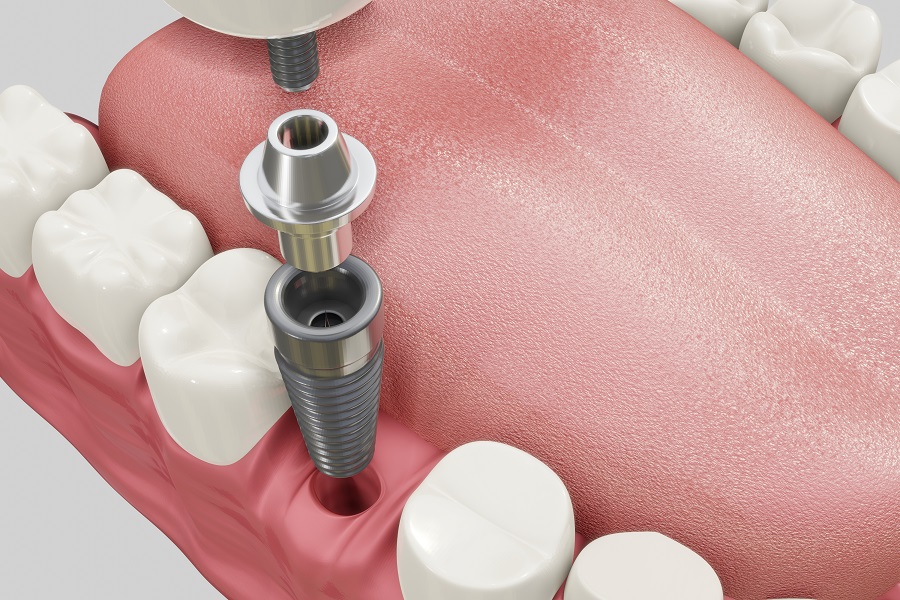 If the force from teeth grinding or clenching is directly transmitted to the implant, various problems can occur.
When strong force is applied repeatedly,
as with teeth grinding or clenching,
- prosthetic damage
- implant screw loosening
- stress on the bone around the implant
can occur.
Of course, these problems do not necessarily happen,
but if you have bruxism,
bite management and regular checkups
become even more important.
A night guard can help protect implants
At Omokgyo Implant, we recommend a night guard to protect implants.
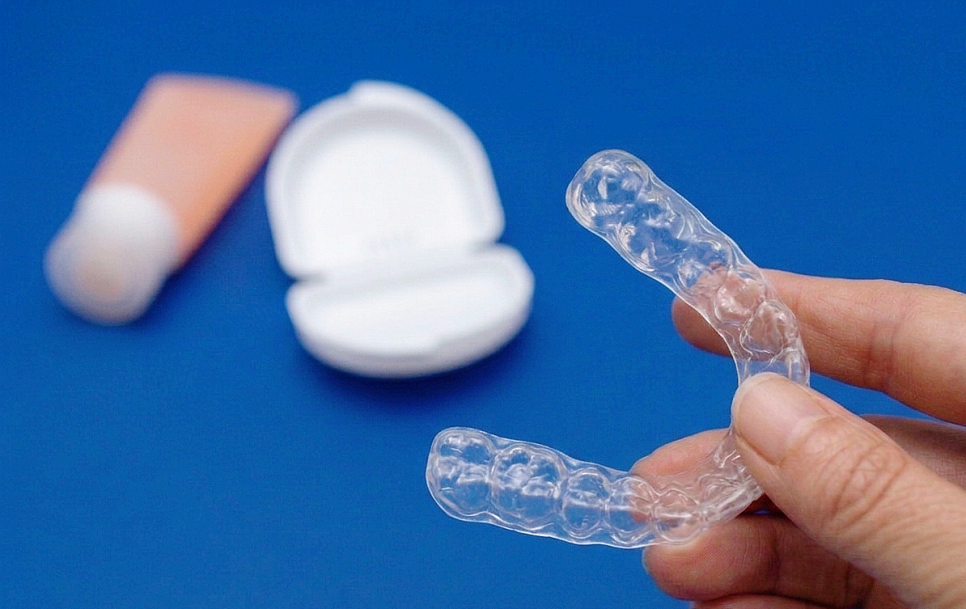 A night guard is needed to protect an Omokgyo implant.
For people with teeth grinding or clenching habits,
a night guard (splint) may be recommended.
A night guard is a device worn during sleep, and the term used may vary slightly by clinic.
It may be called a night guard, splint,
soft guard, and other names.
The role of a night guard is to
- distribute the force transmitted to the teeth and implants
- reduce the burden on prosthetic restorations
- help relieve tension in the jaw joint
It can be helpful.
Especially in cases of bruxism,
it is often helpful as a preventive management method.
Because teeth cannot be restored once they are damaged,
prevention in advance is the most important thing.
In some cases, Botox treatment can help with teeth grinding
To protect Omokgyo implants for a long time, another option besides a night guard is Botox treatment.
 Botox treatment for the jaw may also be performed as a way to relieve tension in the jaw muscles.
When teeth grinding or clenching is severe
and the tension in the chewing muscles is strong,
Botox treatment may be considered
to reduce muscle force.
This method can help reduce muscle tension
when excessive biting force continues to occur,
thereby helping to relieve the burden
transmitted to the teeth and implants.
However, because whether it is needed depends on
the degree of teeth grinding,
bite condition, and muscle tension,
it is important to decide after an accurate diagnosis.
Implant care after treatment is also important
Omokgyo Implant also explains that care after treatment is important once the treatment is finished.
An implant is not a treatment that ends simply by placing it;
it is a treatment that must be managed together
so it can be used stably for a long time.
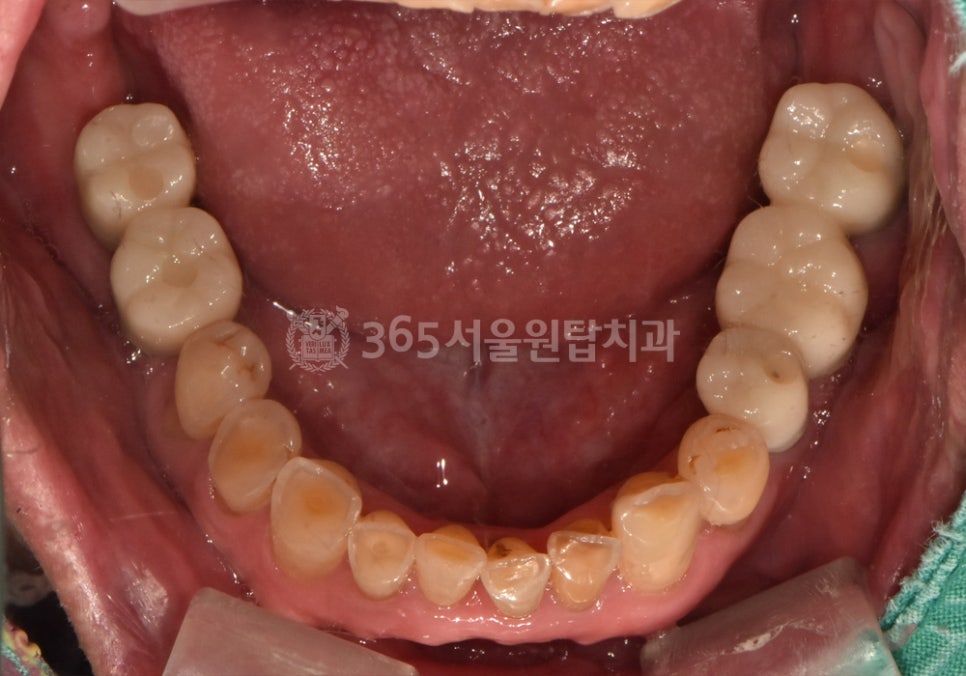 This is an example photo of implant treatment in a patient with teeth grinding.
Especially if you have a teeth grinding or clenching habit,
- regular checkups
- checking the bite condition
- using a night guard
- muscle management treatment if needed
it is better to reduce the burden
placed on the implant.
If managed well, implants can be used for 10 years or more, and even longer.
If you are worried because you have a teeth grinding or clenching habit,
it is important to consider this from the treatment planning stage.
For the health of your teeth,
I’m dentist Kim Geun-il,
who always thinks carefully.
Thank you.
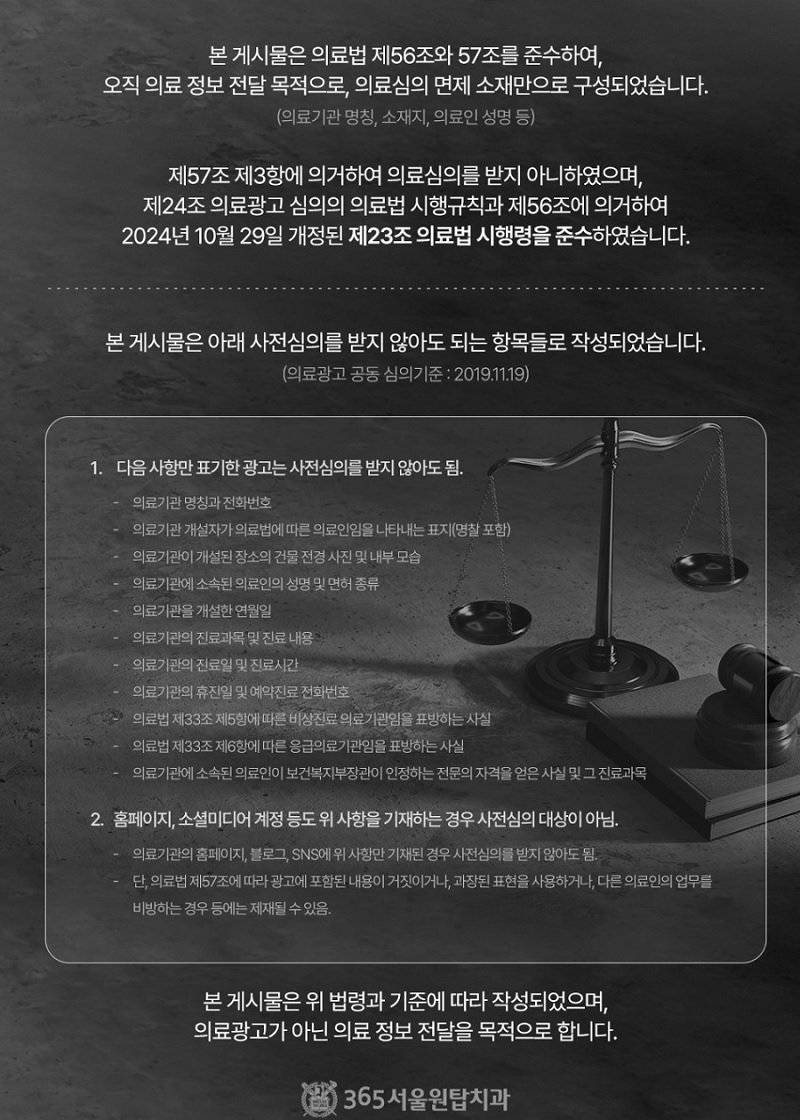
This post was written by the chief director,
based on Article 56, Paragraph 1 of the Medical Service Act,
for the purpose of providing medical information to patients.
- Side effect notice: After treatment, side effects such as infection, inflammation, bleeding,
numbness, and soft tissue complications may occur.
- Because dental treatment may cause different side effects depending on the individual’s health condition,
please be sure to consult with medical staff before making a decision.
Omokgyo Implant
📍 365 Seoul One Top Dental Clinic
4F, Dongmyeong M Building, 179 Gangseo-ro, Gangseo-gu, Seoul
Implant dental clinic in Hwagok-dong, Gangseo-gu
1 minute walk from Exit 8 of Hwagok Station