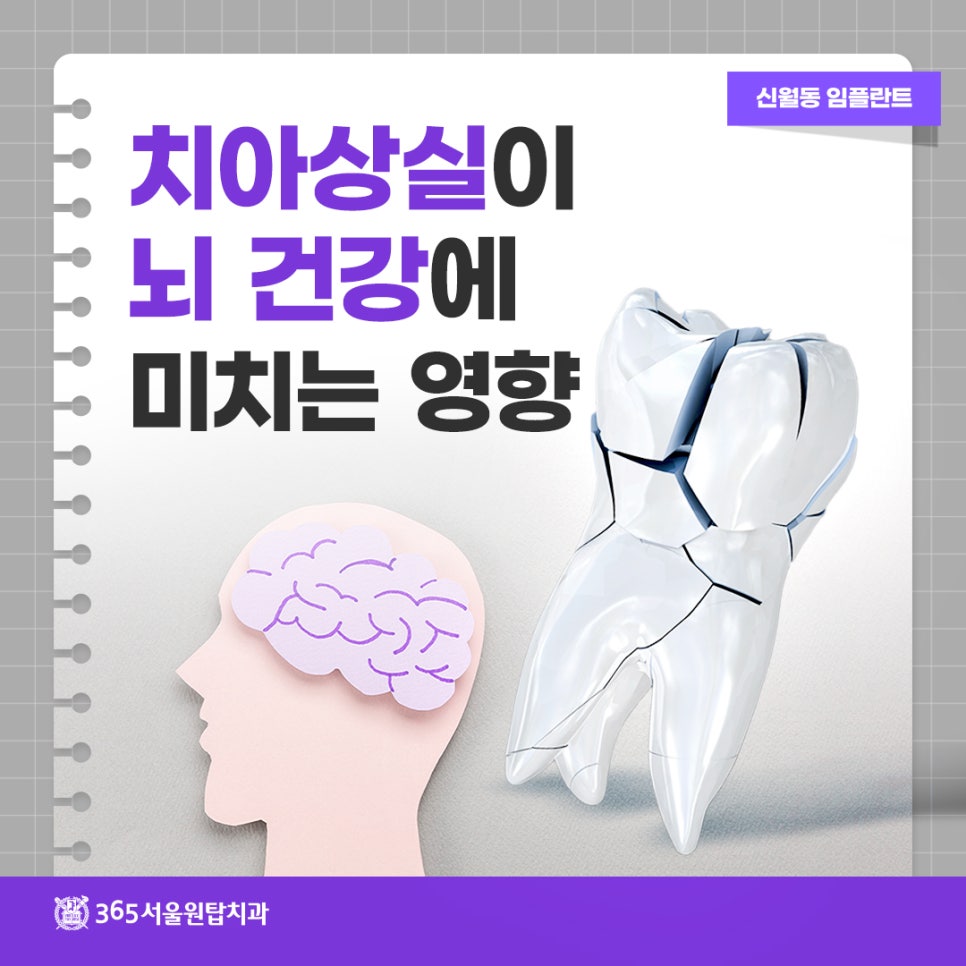
At Sinwol-dong Implant, there is a connection between tooth loss, brain health, and especially the risk of dementia.
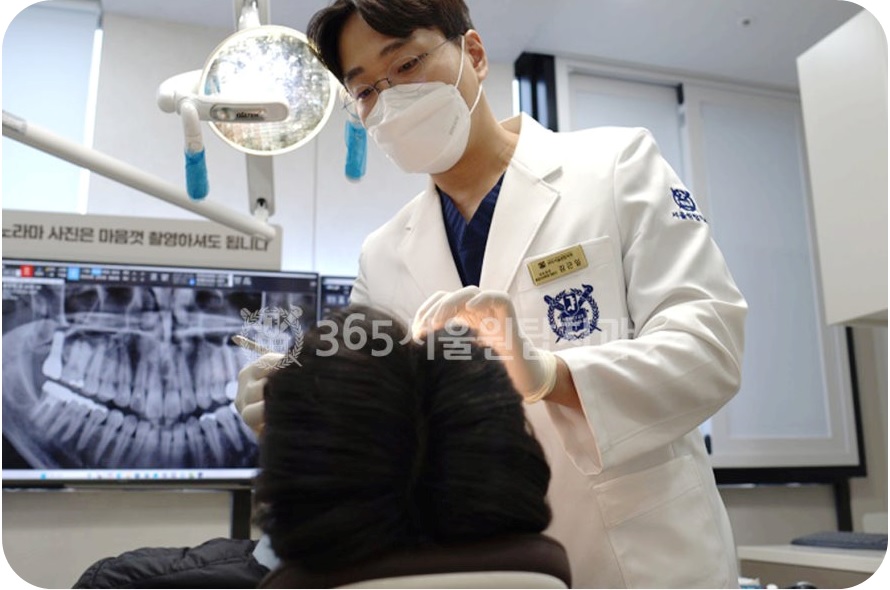
365 Seoul One Top Dental Clinic Director Kim Geun-il
Hello.
I am dentist Kim Geun-il.
Have you ever heard of the word 2080?
This word, which is also the name of a toothpaste from one company,
means that if you have 20 teeth,
you can live to 80.
Teeth are not simply used for
chewing food;
they are important organs connected to many functions of our body.
Recently, studies on the connection between
tooth loss and brain health
have continued to be reported.
Today, from a dental perspective,
I would like to talk about
the relationship between tooth loss
and brain health.
Masticatory function is also connected to brain activity
At Sinwol-dong Implant, I explain that the reason the importance of masticatory function is emphasized is because it is also connected to brain health.
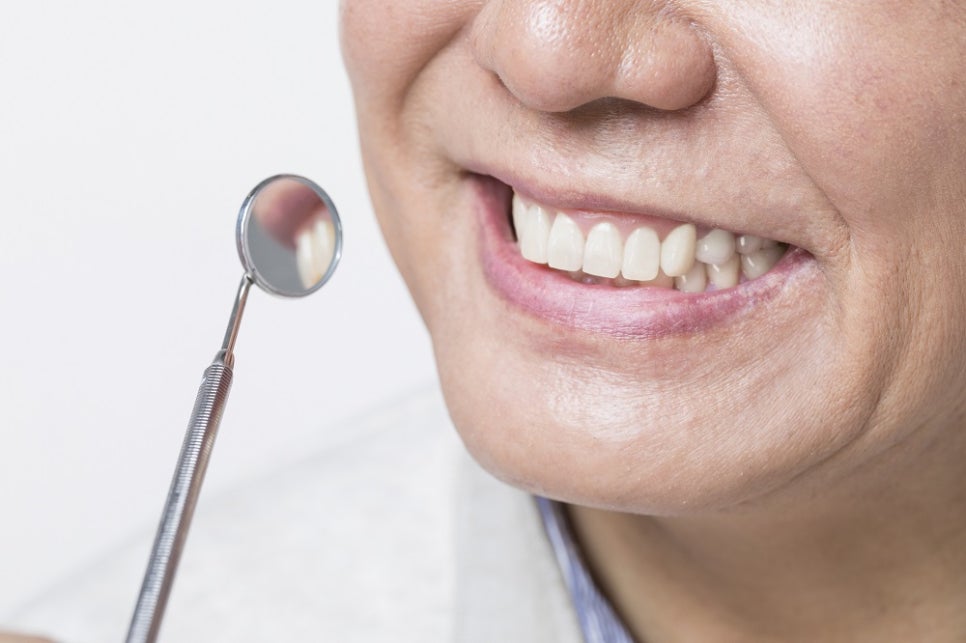
Because the process of chewing is closely related to our overall health, implant treatment is a very important dental treatment.
The process of chewing food is
more complex bodily activity than you might think.
During chewing,
• teeth
• gums (periodontal tissue)
• jaw joints
• chewing muscles
all work together,
creating various sensory stimuli.
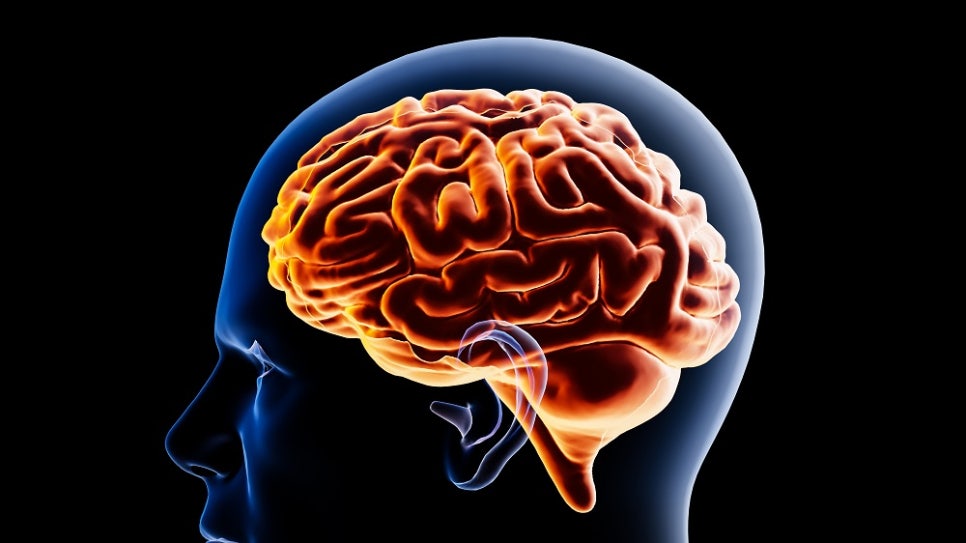
These stimuli are transmitted to the brain through nerves,
and chewing activity itself is known
to play a role in stimulating various areas of the brain.
In particular, some studies have reported
findings suggesting that chewing activity may also be related to brain blood flow and neural activity.
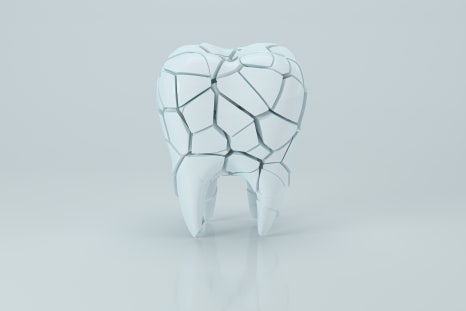
 What if teeth are lost? It becomes difficult to eat hard foods, so dietary restrictions are unavoidable.
As the number of teeth decreases, masticatory function can also decline.
If several teeth are lost,
the first change that appears is
a decrease in chewing efficiency.
When chewing function declines, naturally
• it becomes difficult to eat hard foods
• the diet becomes restricted
• the range of food choices may decrease.
In the long term, these changes
can also affect the balance of nutritional intake.
Also, when chewing activity decreases,
the sensory stimulation transmitted to the brain
also decreases.
That is why research is currently being conducted on the relationship between the number of teeth, overall health,
and especially cognitive function.
Main cause of tooth loss: periodontal disease
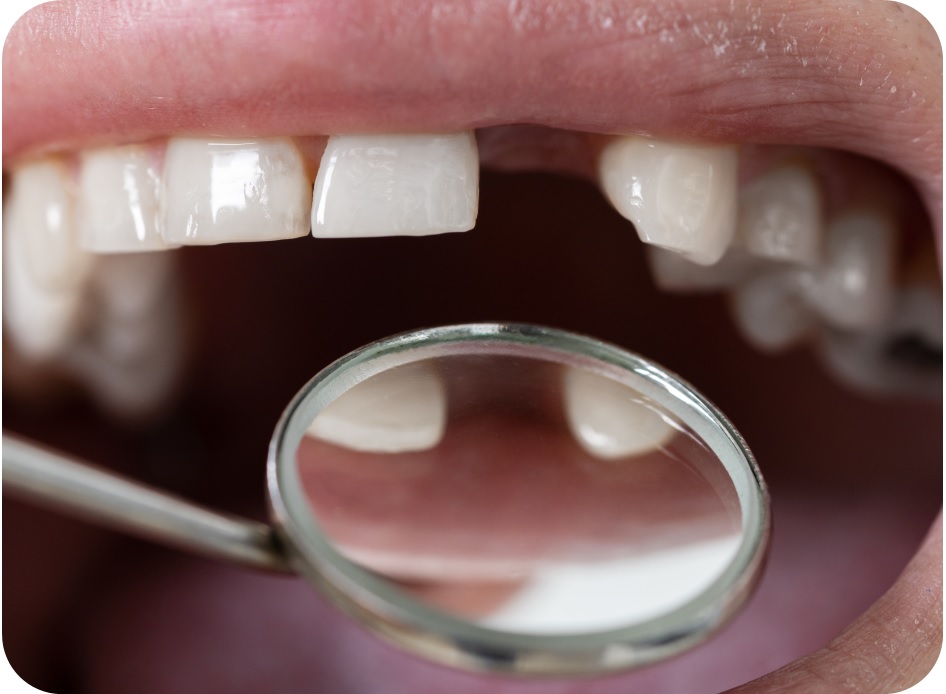
Most adults lose teeth due to periodontal disease and often receive implant treatment.
One of the main causes of
tooth loss in adults is
periodontal disease (gum disease).
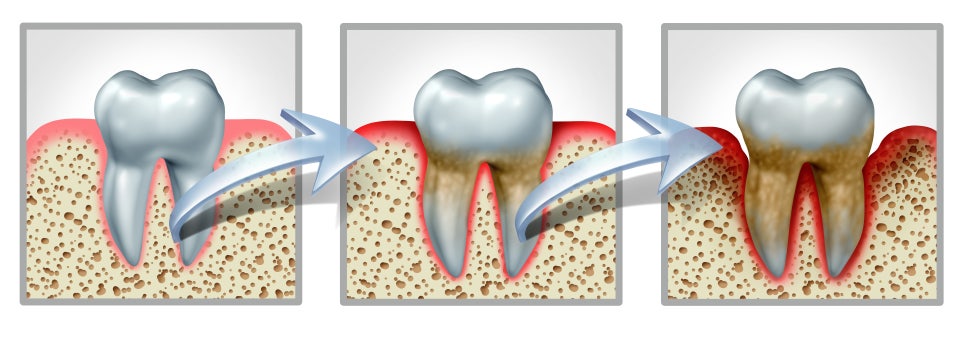
Periodontal disease is also related to overall health and brain health.
When periodontal disease progresses,
inflammation occurs in the gums and alveolar bone,
and if this state continues for a long period,
the tissues supporting the teeth weaken,
eventually leading to tooth loss.
Recent studies have also reported
that these chronic inflammatory responses
may be related to overall health.
Therefore, to keep teeth healthy,
the most important thing is to prevent
and manage periodontal disease.
The meaning of implant treatment
When teeth are lost, the treatment options for restoring them include
• implants
• bridges
• dentures
and other methods.
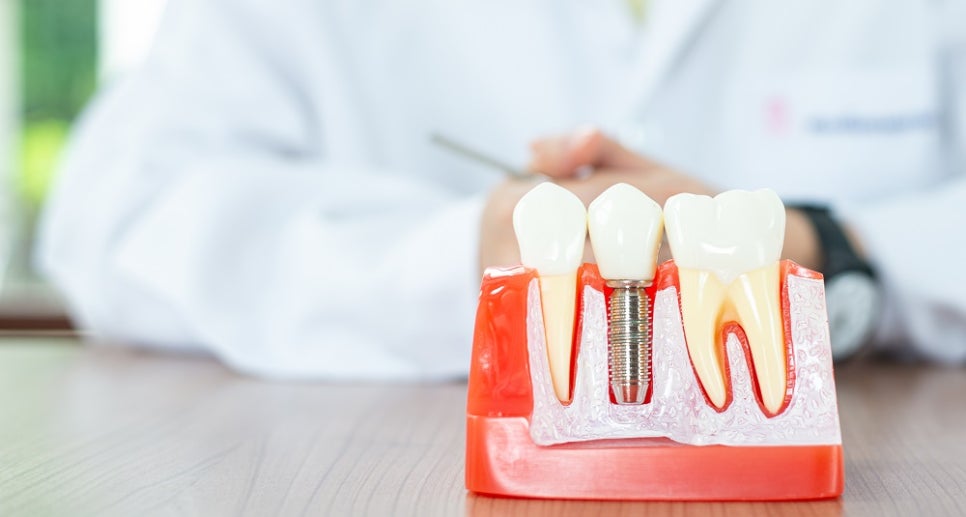
Among these, implants
restore chewing function similar to natural teeth
by placing an artificial root into the alveolar bone.
When chewing function is restored,
• eating becomes more convenient
• it is possible to maintain a varied diet
• and it helps maintain oral function
in a stable way.
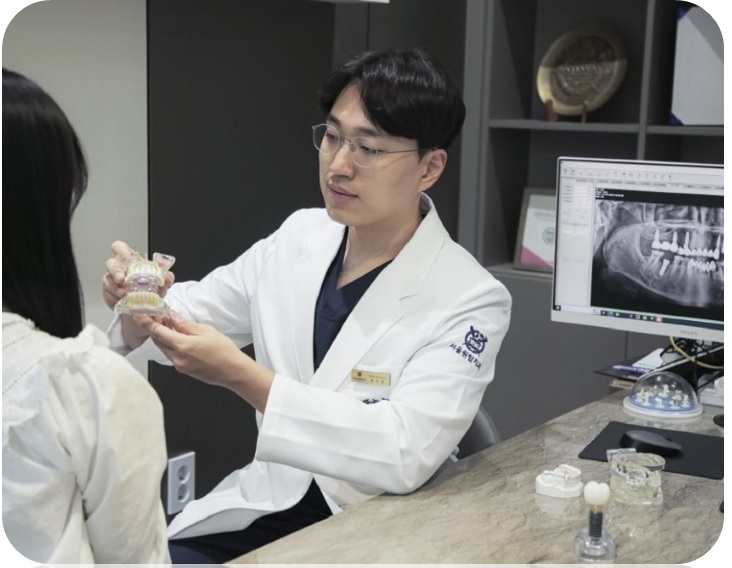
Therefore, implant treatment is
not simply a treatment that restores
the shape of a tooth,
but also a treatment that carries important meaning
in terms of functional recovery.
Oral health is connected to overall health
The health of the teeth and gums
is not limited to a problem inside the mouth.
Maintaining healthy chewing function is
closely linked to
• a balanced diet
• overall health management
• maintaining quality of life
Therefore, it is most important to keep natural teeth
for as long as possible,
and if teeth have already been lost,
restoring function through appropriate treatment
that matches the oral condition
can be helpful.
Teeth are not simply organs used for
chewing food;
they play an important role
connected to many functions of our body.
Through regular checkups and continuous care,
I hope you maintain a healthy oral condition.
If you have already lost teeth,
I recommend visiting a dental clinic and receiving 충분한 상담
about the treatment method that suits your current condition.
This was dentist Kim Geun-il.
Thank you.
This post was written by the chief director for the purpose of providing medical information to patients,
based on Article 56, Paragraph 1 of the Medical Service Act.
- Notice of side effects: After treatment, side effects such as infection, inflammation, bleeding,
sensory abnormalities, and soft tissue complications may occur.
- Dental treatment may cause different side effects depending on an individual’s health condition,
so please be sure to consult with medical staff before making a decision.
Sinwol-dong Implant
📍 365 Seoul One Top Dental Clinic
4F, Dongmyeong M Building, 179 Gangseo-ro, Gangseo-gu, Seoul
Dental clinic near Banghwa Station
1 minute on foot from Exit 8 of Hwagok Station