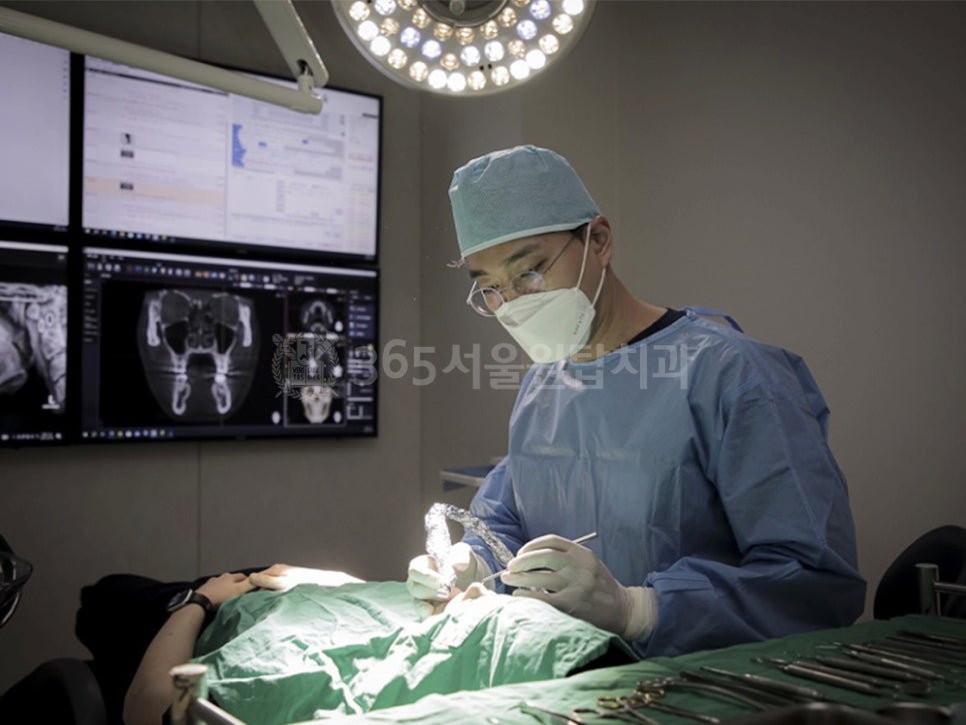
365 Seoul One-Top Dental Clinic Director Kim Geun-il
Hello.
I am Kim Geun-il, the chief director and dentist at 365 Seoul One-Top Dental Clinic.
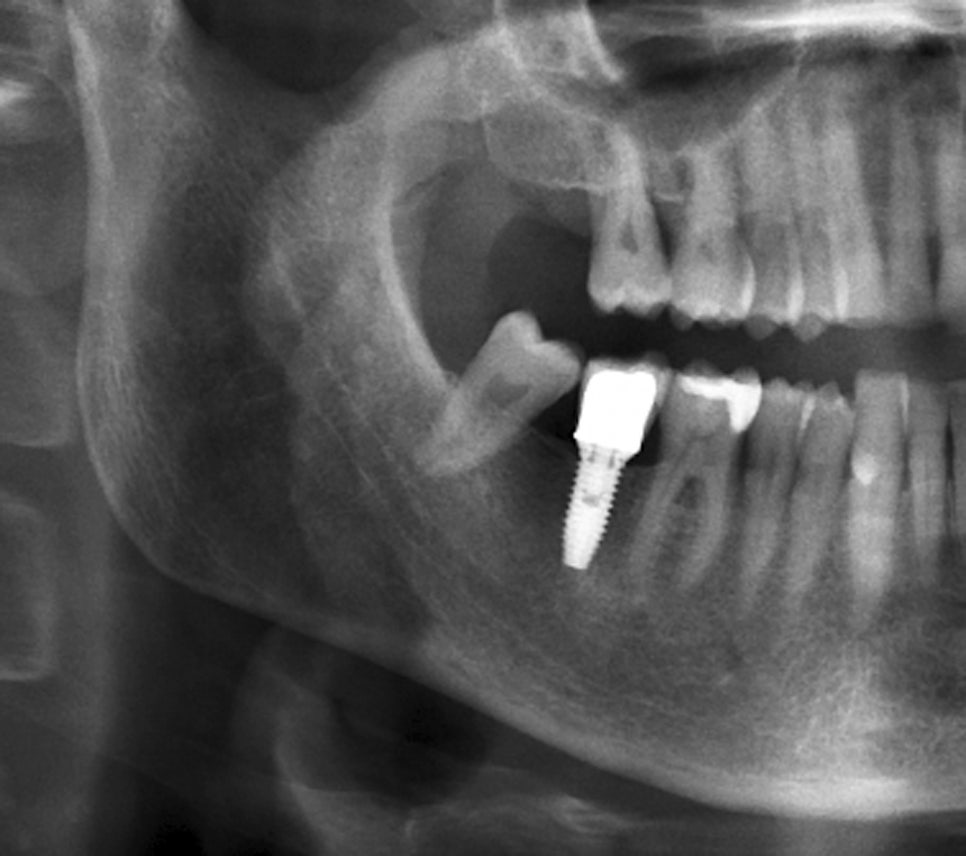
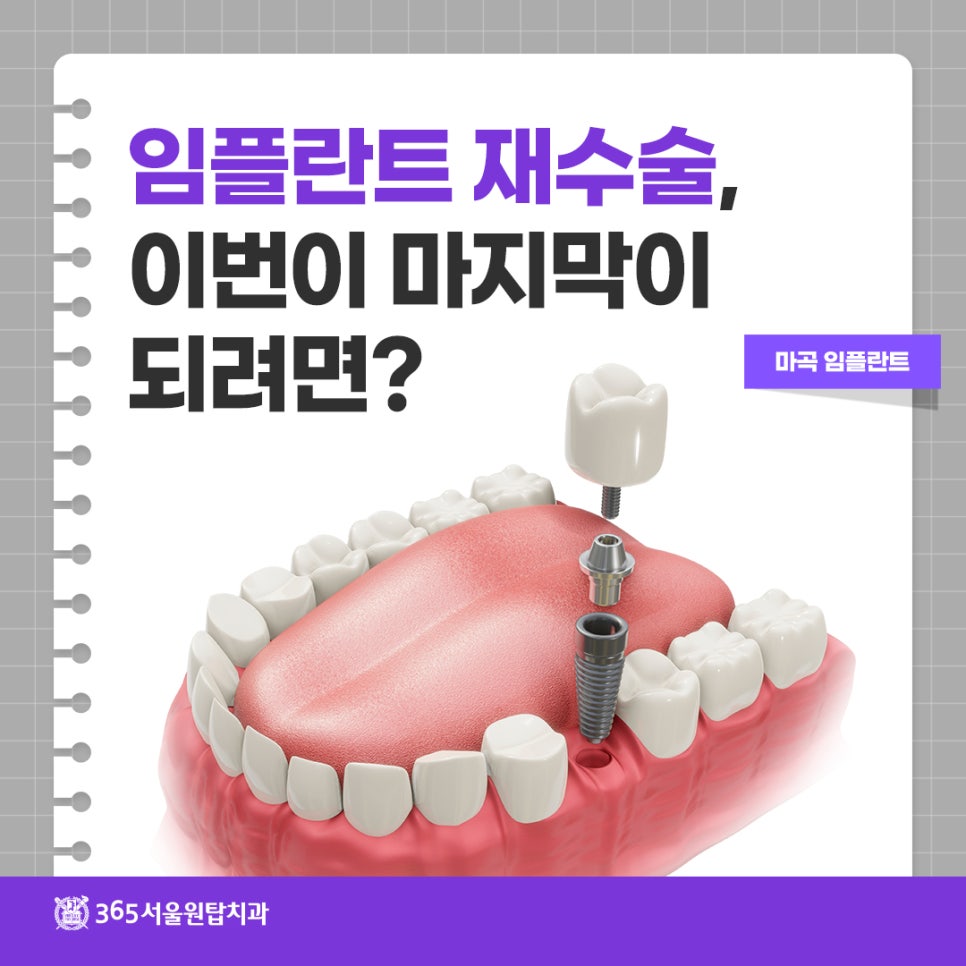
Example image for easier understanding
It was already an implant treatment that had failed once,
but if it is placed again, can it succeed?
For those who return to an implant dental clinic
due to implant failure,
their feelings are different from those of general patients.
Of course, there is a sense of loss,
and they instinctively know that
reoperation is far more difficult than the first surgery.
If this surgery is to become
the patient’s last implant surgery in life,
a precise approach based not simply on placement
but on 'medical evidence' is needed.
Today, let’s look at the professional core conditions
that determine a successful implant reoperation.
We need to remove the 'root' of implant failure first
Some people may think,
Isn’t reoperation just about placing the implant again?
But the start of reoperation is not placement,
it is 'a precise review.'
To avoid repeating the same mistake,
you must first understand why the first implant failed.
There are various causes,
but many of the causes I have encountered
through my clinical experience were as follows.
- Peri-implantitis
A case where the bone has been destroyed due to bacteria between the gums
- Failure of osseointegration between the implant and the jawbone
A case where the jawbone and implant did not properly bond
- Occlusal overload design
A case where chewing force (occlusion)
was concentrated on a specific implant area and caused damage
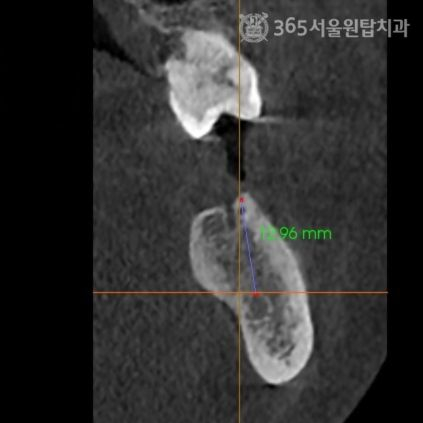
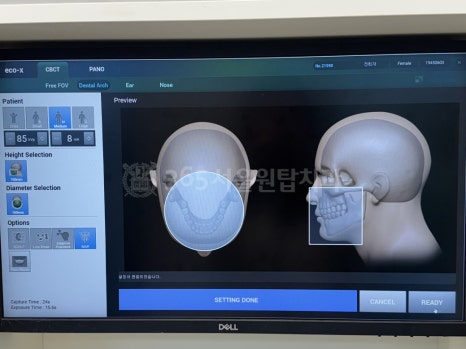 Example image for easier understanding
Before implant reoperation,
we analyze even the invisible causes of failure
from multiple angles through 3D CT digital equipment
and establish a plan with 'no second failure.'
Biological analysis of the cause of implant surgery failure and bacteria eradication
One of the biggest causes of implant reoperation is
peri-implantitis.
When an existing loose implant is removed due to peri-implantitis,
improving the environment of the surrounding tissue
that has been contaminated and destroyed by bacteria
must be done first.
- Removal of contaminated granulation tissue
The inflammatory granulation tissue remaining at the failed site
must be completely cleaned up
to the microscopic level.
If even a small amount remains,
it can become a risk factor
that interferes with the osseointegration of the newly placed implant.
If this is a special case in which the existing implant is preserved
instead of being removed,
a 'surface detoxification' process to remove toxins
from the exposed screw-thread surface is essential.
Custom bone grafting based on bone quality analysis (Bone Quality)
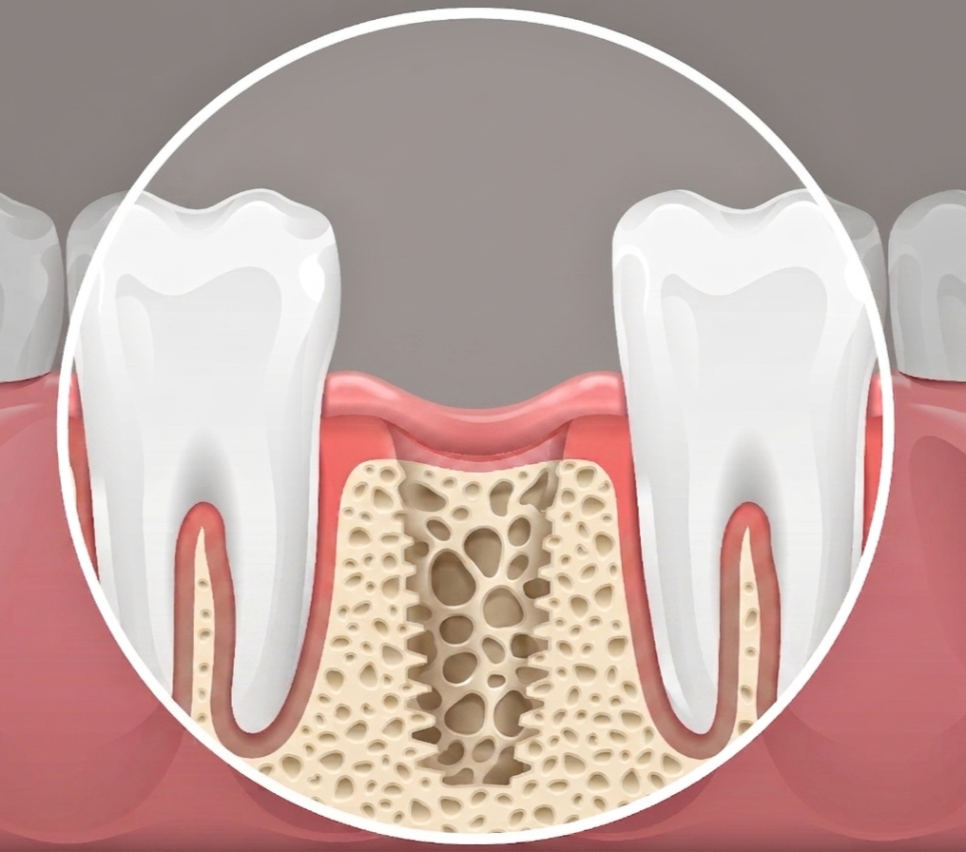 At Magok Implant, bone grafting is performed through bone quality analysis
The area where the implant was lost usually has low bone density
and an insufficient amount of jawbone.
Rather than simply filling it with bone graft material,
a customized bone regeneration procedure suited to the patient’s defect morphology
must be performed.
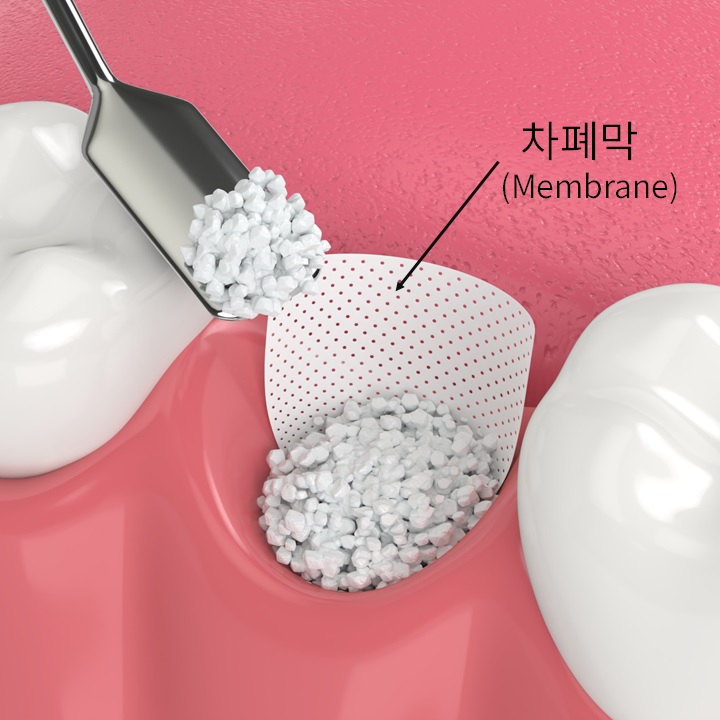
To prevent the soft gum tissue from invading the space
where the bone should regenerate,
a membrane is used appropriately
to secure the space
and maximize the efficiency of bone regeneration.
An appropriate graft material is selected based on the patient’s condition,
and bone grafting is performed in sufficient quantity.
Confirming implant stability values (ISQ) and precise occlusion
Reoperation should not rely on intuition.
The timing of prosthesis placement must be determined
through objective data.
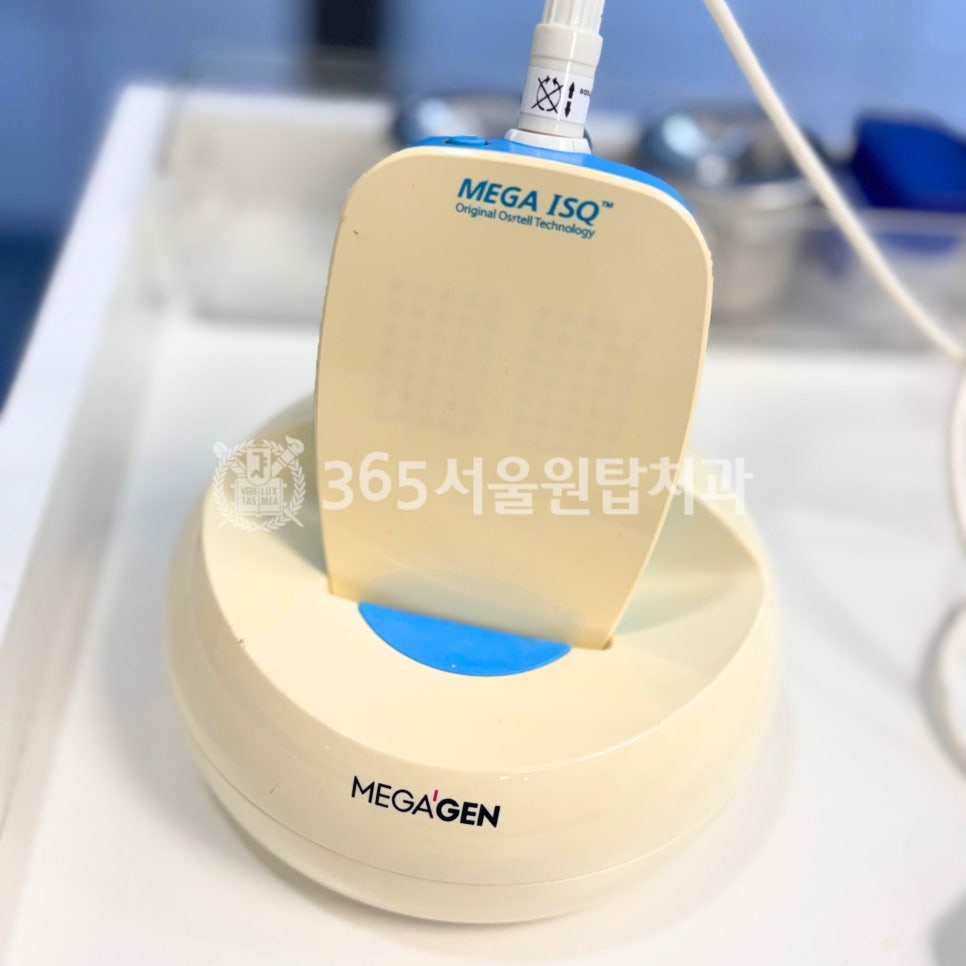 This is the ISQ device actually used at 365 Seoul One-Top Dental Clinic.
After a certain period following implant placement,
an ISQ device is used to measure how firmly
the implant and jawbone have bonded.
When stability above a certain value is confirmed,
the final prosthesis is placed,
reducing the failure rate to near zero.
(Functional Occlusion)
Reoperation implants are very vulnerable to lateral pressure,
that is, force that pushes from the side.
Considering each patient’s
temporomandibular joint range of motion
and chewing habits,
the occlusion is precisely adjusted
so that excessive load is not applied to the implant
when chewing food.
 Implant reoperation is fully possible at Magok Implant
If you are considering implant reoperation,
because implant reoperation begins with an already damaged jawbone condition,
the combination of the medical team’s extensive clinical experience
and precision equipment is more important than anything else.
Based on the data I have gained from handling many high-difficulty cases,
I create the treatment plan that is most suitable for the patient’s case.
Even if it failed once,
the second time can still be done successfully.
Do not miss the golden time because of fear,
and please get an accurate diagnosis first.
I will always be a dentist whom patients can trust
and entrust their teeth to.
Thank you.
This post was written by the chief director
for the purpose of providing medical information to patients,
based on Article 56, Paragraph 1 of the Medical Service Act.
- Notice of side effects: After treatment, side effects such as infection, inflammation,
bleeding, sensory abnormalities, and soft tissue complications may occur.
- Dental treatment may cause different side effects depending on an individual’s health condition,
so please be sure to consult with the medical staff
before making a decision.
📍 365 Seoul One-Top Dental Clinic
4F, Dongmyeong M Building, 179 Gangseo-ro, Gangseo-gu, Seoul
Gangseo-gu Hwagok Station Dental Clinic, Magok Implant
1 minute on foot from Exit 8 of Hwagok Station