�7
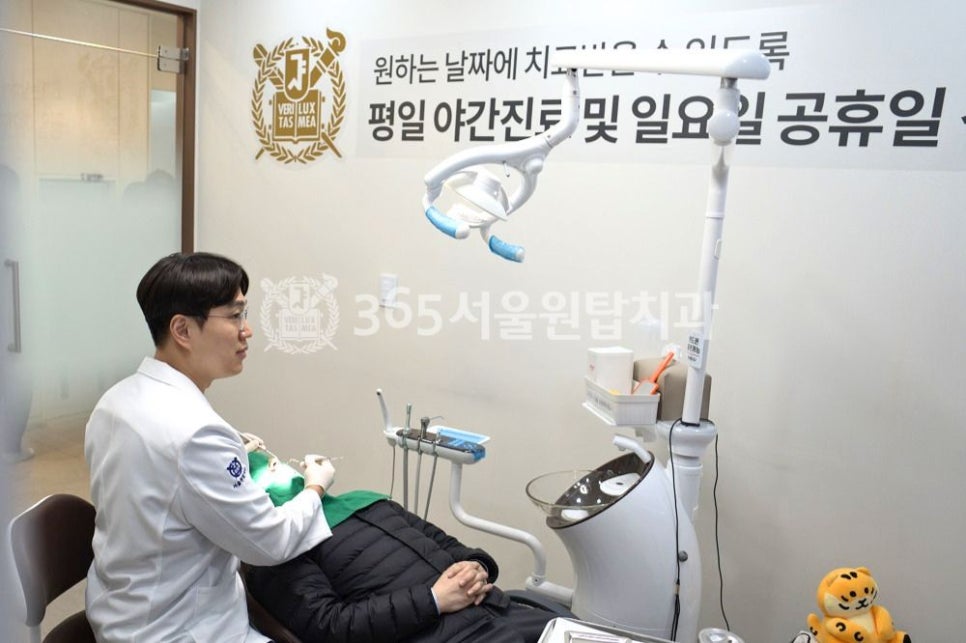
Dr. Kim Geun-il, Director of 365 Seoul One Top Dental Clinic
�7
Hello.
I am Kim Geun-il, the chief dentist at 365 Seoul One Top Dental Clinic near Hwagok Station.
During consultations before and after implant surgery,
what do you think is the question
patients ask most often?
Doctor, after implant surgery,
when can I start drinking alcohol?
If I refrain from smoking for just 2 or 3 days, that should be enough, right?
Because many of our patients are working adults,
questions about drinking and smoking
come up quite often.
To give the conclusion first,
if the first two weeks after surgery are the period that prevents "side effects,"
then the 1 to 3 months after surgery are a very important period
that determines "long-term success."
Today, I will explain why I recommend
being more conservative and stricter than other places
when it comes to avoiding alcohol and smoking.
Implant surgery is not over just because the gums have healed
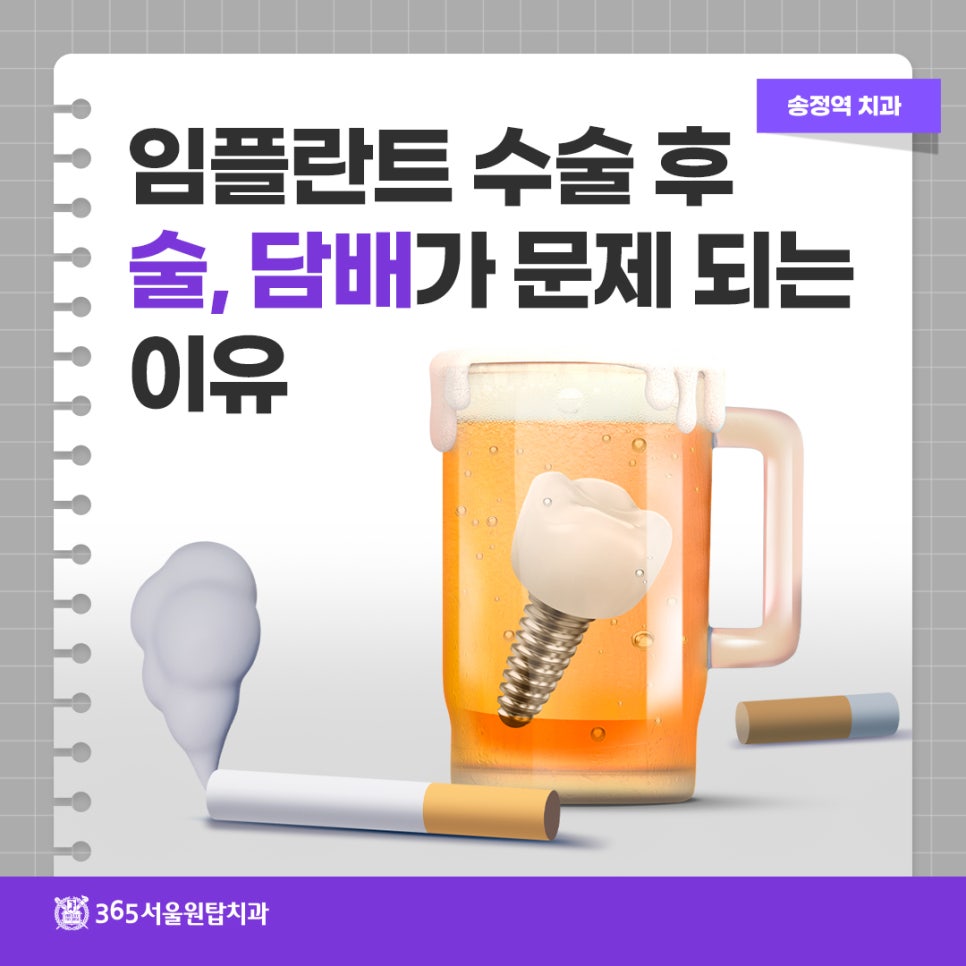
At Songjeong Station Dental Clinic, we want to emphasize the importance of osseointegration
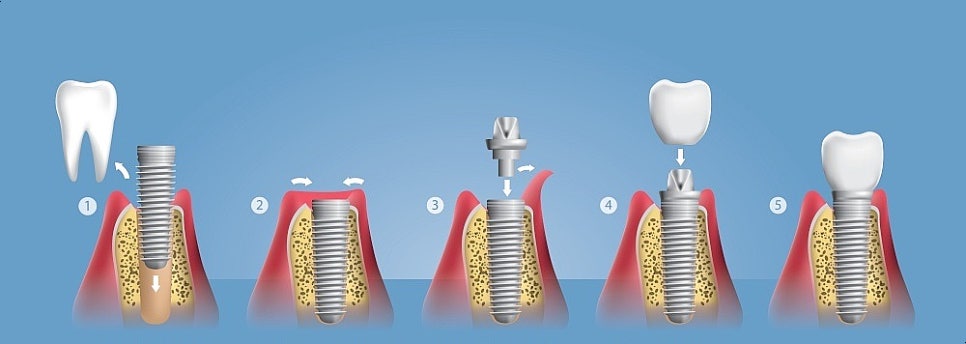 At Songjeong Station Dental Clinic, we consider the osseointegration stage very important
Two weeks after surgery, when the stitches are removed,
the surface of the gums may look healed.
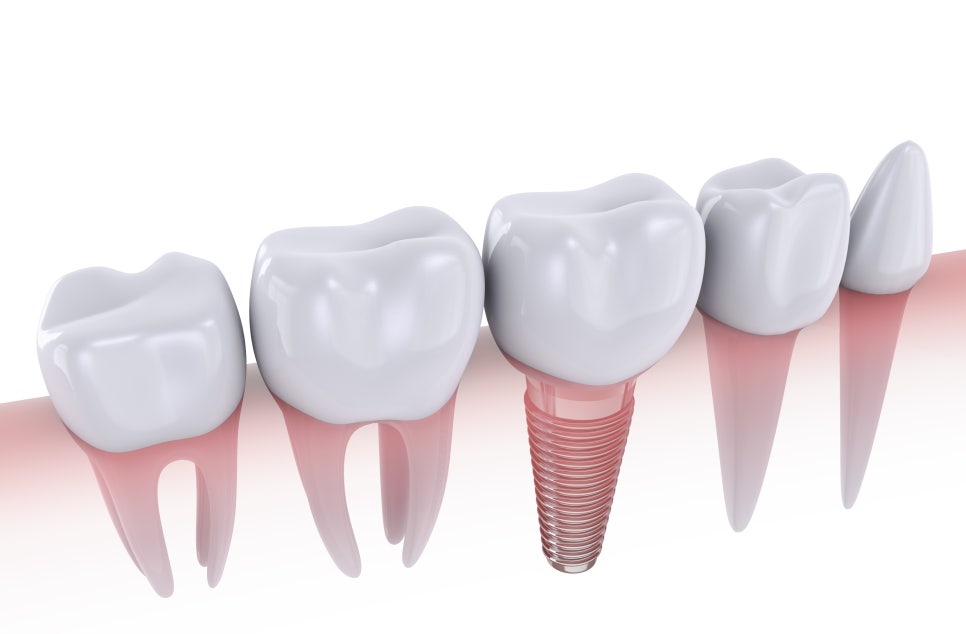
But the stage of "osseointegration," in which the implant screw
and the patient's jawbone firmly unite as one,
has only just begun.
During this period, when cells in the bone must actively attach
to the implant surface,
if alcohol and nicotine enter the body,
cell activity drops sharply.
Even if everything looks fine on the outside,
if proper adhesion is not taking place inside,
it becomes a major cause of failure,
where the implant can loosen and fall out when the prosthesis is placed a few months later.
Alcohol interferes with the activity of bone-forming cells
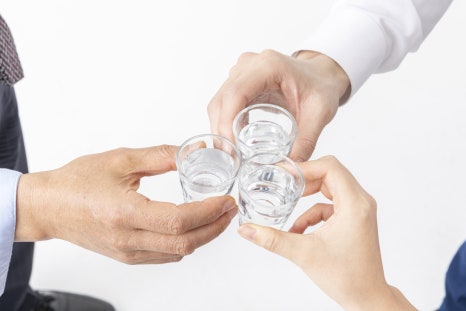
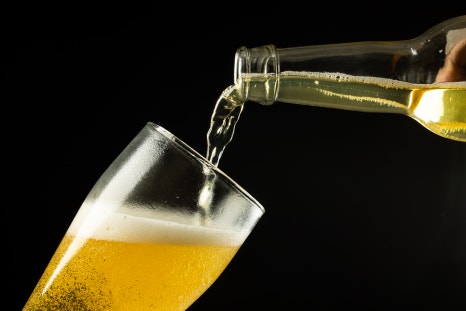
This is not just an inflammation issue.
Alcohol directly suppresses the formation of osteoblasts
(cells that make bone).
- Suppression of osteoblast formation
Alcohol interferes with protein synthesis,
which is necessary for osteoblasts to proliferate and differentiate.
In other words, it blocks the very birth of the "workers"
who create new bone.
-
Reduced bone density
On the other hand, it activates osteoclasts,
which destroy bone, and interferes with the process
of strengthening the bone around the implant.
-
Drug interactions
When antibiotics or anti-inflammatory pain relievers taken after surgery
meet alcohol, they place a heavy burden on the liver
and reduce the effectiveness of the medication,
delaying healing.
Smoking (nicotine) is devastating for implants
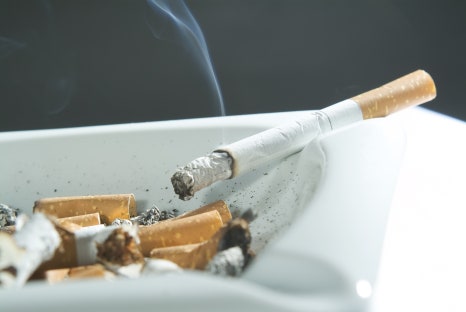
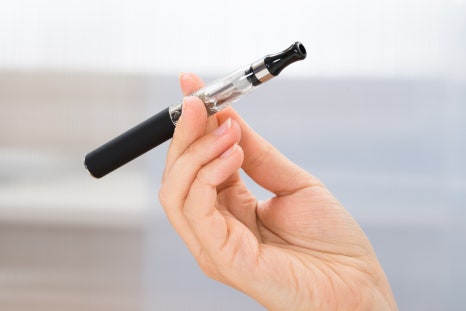
Smoking is dozens of times more dangerous than alcohol.
Nicotine constricts peripheral blood vessels,
blocking oxygen and nutrients from reaching the surgical site.
The moment you inhale from a cigarette,
the "negative pressure effect" created in the mouth
can interfere with hemostasis at the surgical site
and dislodge the newly formed blood clot,
which may cause the bone to become exposed,
leading to a "dry socket."
This can happen even from using a straw immediately after surgery,
so it is also best to avoid straw use.
Because there are reports showing that implant success rates
differ by at least 2 to more than 5 times
between non-smokers and smokers,
not smoking before and after implant treatment is
an essential factor for the long-term success of implants.
Three months of effort can determine your comfort
You may think, "Couldn’t you be a little more relaxed about it?"
But because I understand better than anyone the time and cost patients have invested,
as well as the pain of surgery,
I cannot speak carelessly.
The first two weeks are a period of "prohibition,"
and until the implant fully integrates with the bone over about 3 months,
it is safest to "refrain as much as possible."
As a dentist,
I will not stop at simply performing surgery well,
but will provide the safest guidance so that patients can maintain strong teeth for life.
Your second set of teeth,
three months of effort
determine a lifetime of comfort.
This was dentist Kim Geun-il.
Thank you.
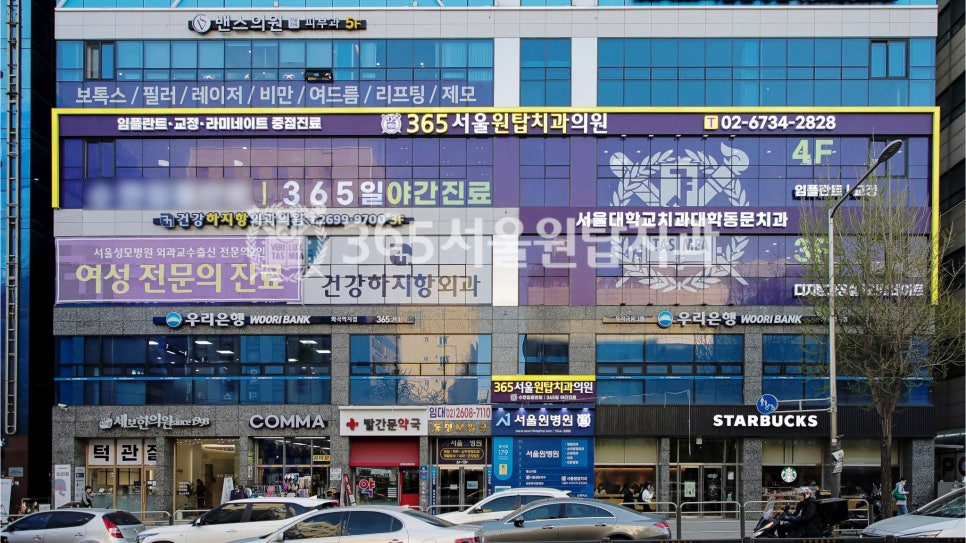
📍 365 Seoul One Top Dental Clinic
4th Floor, Dongmyeong M Building, 179 Gangseo-ro, Gangseo-gu, Seoul
Near Songjeong Station, Hwagok Station Dental Clinic in Gangseo-gu
1 minute on foot from Exit 8 of Hwagok Station
This post was written by the chief director
for the purpose of providing medical information to patients,
based on Article 56, Paragraph 1 of the Medical Service Act.
-
Dental treatment may cause different side effects depending on an individual's health condition,
so please make sure to decide after consulting with the medical staff.
-
Side effect notice: After treatment, side effects such as infection, inflammation,
bleeding, sensory abnormalities, and soft tissue complications may occur.