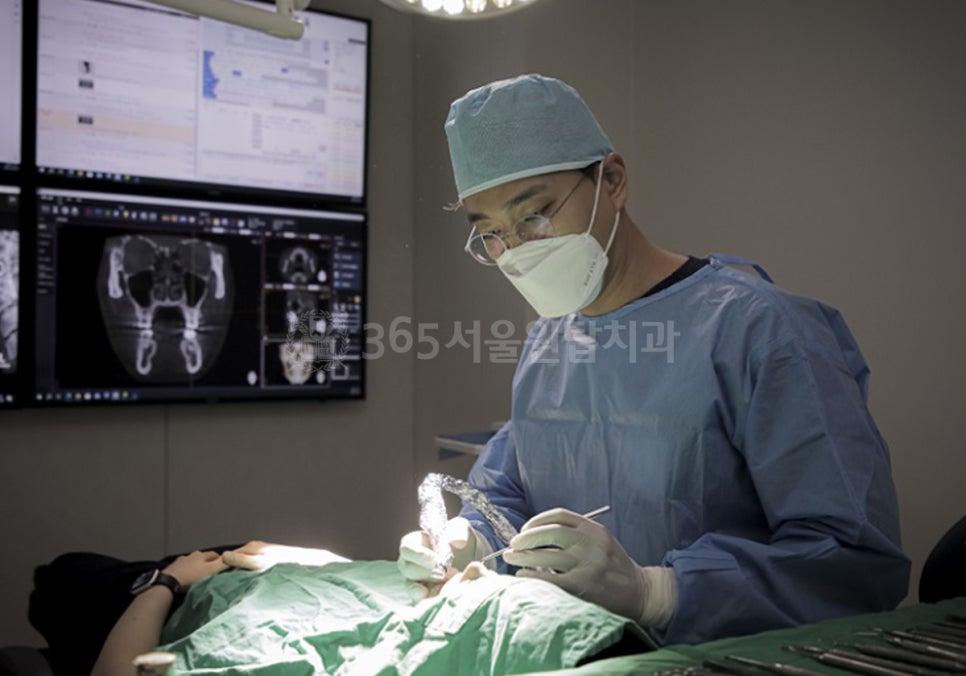
365 Seoul One Top Dental Clinic, Director Kim Geun-il
Hello.
I am Kim Geun-il,
Director of 365 Seoul One Top Dental Clinic,
which has always pursued a patient-centered approach.
After spending a long time with patients at the Hwagok Station intersection since 2018,
I have encountered a truly wide variety of dental treatment cases.
Many of the patients I treated as their primary dentist
had lost multiple teeth,
and in most cases, they needed implants placed for both their anterior teeth and molars.
Occasionally, patients have asked
which area is more difficult to treat:
the anterior teeth or the molars.
Today, I would like to address that question.
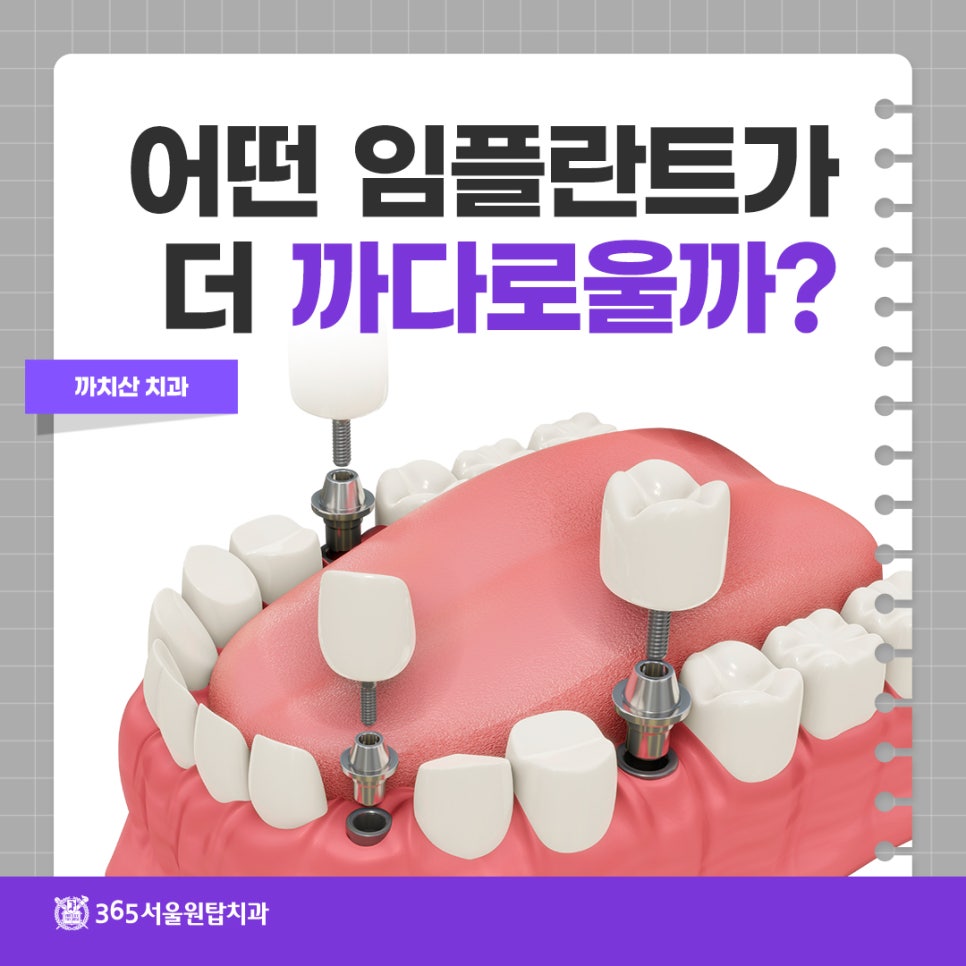
Molars and Anterior Teeth: Which Area Is More Challenging to Treat?
The molars and anterior teeth
are in different locations and have different functions.
Therefore, the “goals” of treatment must also differ.
Molars must provide “powerful function,”
while anterior teeth must achieve “precise aesthetics.”
After performing countless implant surgeries over many years,
I have found that the key points for surgery in each area are as follows.
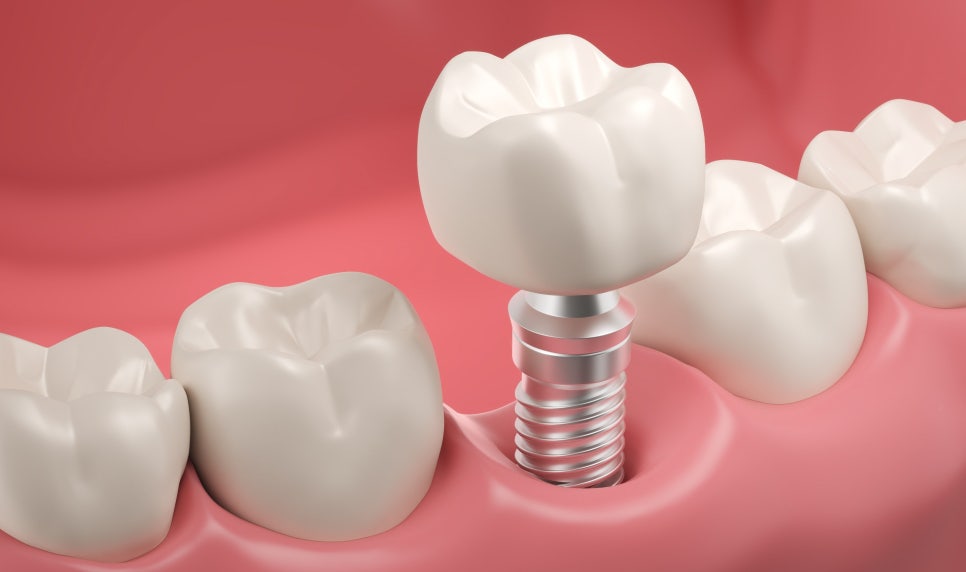
1. Molar Implants: A Structure That Can Withstand “Force” Is Key
Molars receive the greatest pressure
when we chew food.
Going beyond simply placing an implant,
the key to the surgery is how evenly the chewing forces applied from above, below, and the sides can be distributed.
Why They Are Challenging
In the upper jaw,
the molar area contains an empty space called the “maxillary sinus,”
so bone grafting is often required.
In addition, it is especially important
to place the implant at the precise angle and depth
so that it can serve as a strong artificial root.
What You Must Remember
“Strength” is the standard.
To help restore the enjoyment of chewing,
how precisely the occlusion of the prosthesis is adjusted
makes a difference in the lifespan of the implant.

2. Anterior Implants: “Aesthetics” Is Key
In contrast, anterior implants are placed in an area
that is first seen when you speak or smile,
and it has a major influence on a person’s overall appearance.
Because the shape, color, and gum line
must blend perfectly with the surrounding teeth,
a high level of aesthetic judgment is required.
Why They Are Challenging
The gum bone around the anterior teeth is much thinner than that around the molars.
Even a slight lack of bone can make the gums appear sunken,
and if the gums are too thin,
the implant fixture may show through.
That is why “precise placement” that takes the shape of the gums into account
and the fabrication of a “custom abutment (post)” are essential.
What You Must Remember
“Naturalness” is the standard.
Making it so that “no one can tell you have an implant”
is the true measure of skill in anterior implant surgery.
If Any of the Following Apply to You, Consider Consulting About Implant Treatment
-
People who find eating uncomfortable because their chewing ability has weakened after losing molars
-
People who cover their mouths whenever they smile because they have lost an anterior tooth
-
People who want perfect implant treatment that achieves both function and aesthetics
These days, implants have become widely available
and established as a familiar form of dental treatment.
However, it is clear that implants are an external surgical procedure
in which, when necessary, the gums are opened after anesthesia and bleeding occurs.
I do not believe that implant surgery can be divided into easy and difficult procedures
based solely on whether the treatment area is a molar or an anterior tooth.
Rather, because the healing speed and results may vary depending on the patient’s jawbone condition
and whether they have systemic diseases,
I believe greater attention should be paid to these factors.
Regardless of the treatment area,
I will continue striving to treat every patient
with my utmost effort to achieve good results.
This was Kim Geun-il, dentist.
Thank you.
📍 365 Seoul One Top Dental Clinic
4th Floor, Dongmyeong M Building, 179 Gangseo-ro, Gangseo-gu, Seoul
Kkachisan Dental Clinic/Gangseo-gu Dental Clinic/Hwagok Station Dental Clinic
1-minute walk from Exit 8 of Hwagok Station