Yeomchang-dong Dentist: Check These Things If You Are Preparing for Pregnancy! A List of Dental Treatments You Should Receive Before Pregnancy
Hello.
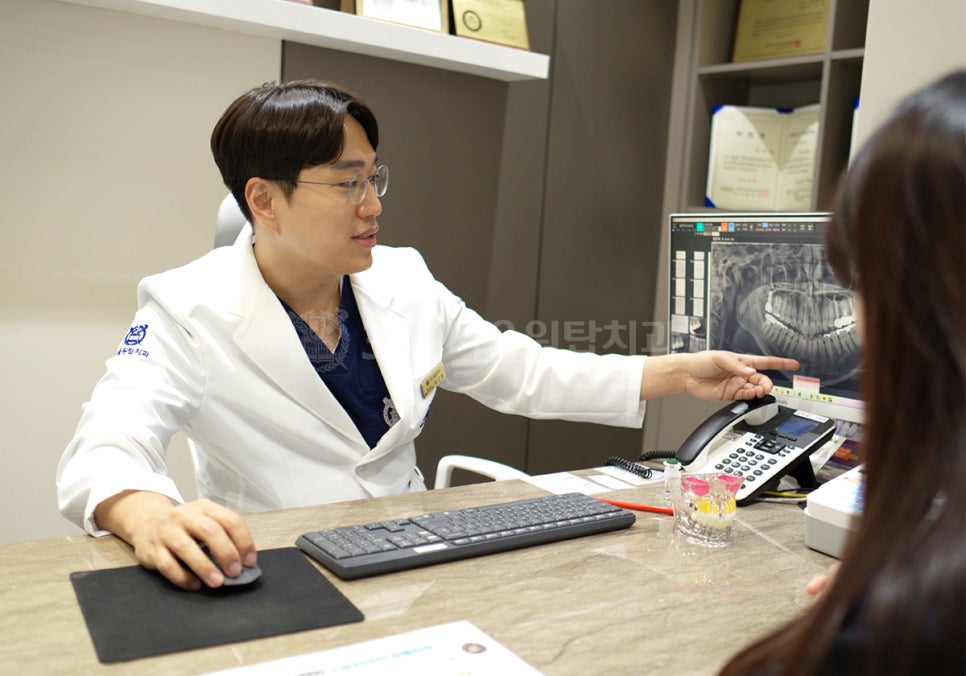
I am Kim Geun-il,
Director of 365서울원탑치과.
When preparing for pregnancy, taking folic acid
and receiving an obstetric and gynecological checkup
are important, but checking your oral health
is equally important.
During pregnancy, hormonal changes
cause the incidence of gum inflammation to rise sharply,
but to protect the fetus,
there are clear restrictions on taking antibiotics,
prescriptions for anti-inflammatory painkillers,
and radiographic imaging.
As a dentist, I would like to share
four essential dental treatments
that I recommend expectant mothers complete
before becoming pregnant.
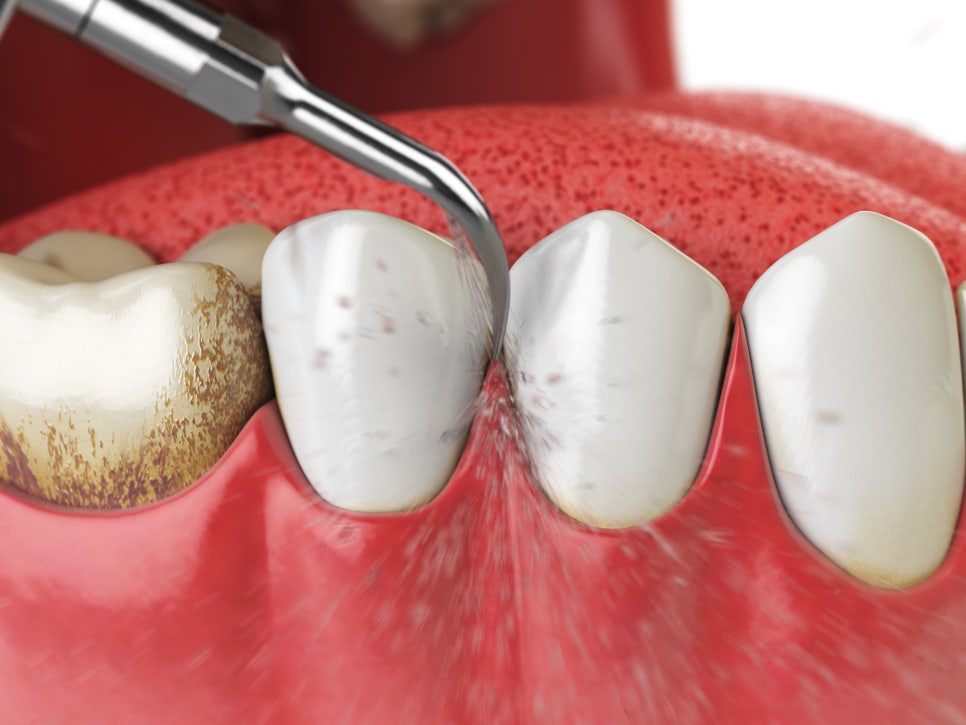
Scaling and periodontal treatment to remove bacteria below the gumline are essential
The female hormones that increase sharply during pregnancy
promote the growth of bacteria in the mouth
and thin the walls of blood vessels.
As a result, 60–70% of pregnant women
experience “pregnancy gingivitis,”
in which the gums swell and bleed.
In particular, research has found that toxins
that cause chronic gum disease
can enter the bloodstream and affect the placenta,
increasing the risk of premature birth
and low birth weight by up to 7.5 times.
Therefore,
in addition to scaling, which removes tartar from the outer surfaces of the gums,
if periodontal treatment is needed to remove bacteria
from the roots deep inside the gums,
it should be completed in advance of pregnancy
to prevent potential sources of oral inflammation.
Wisdom teeth that throb whenever you are tired should be extracted in advance
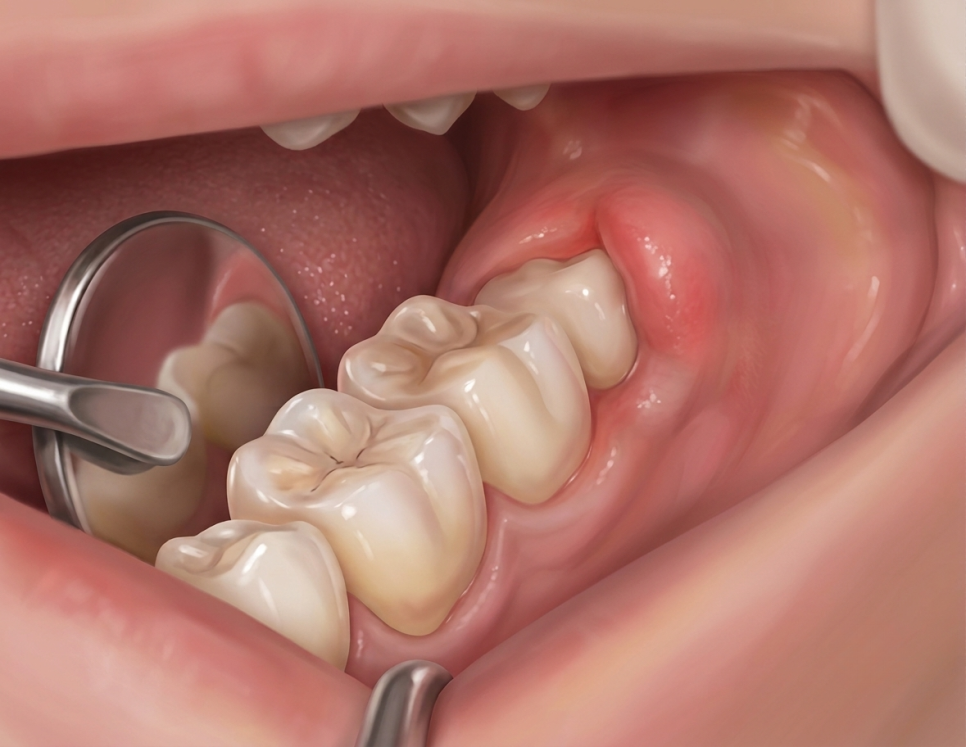
Even wisdom teeth that usually cause no major problems
can easily lead to pericoronitis,
with sudden severe pain and swelling of the surrounding gums,
if brushing becomes inadequate due to morning sickness during pregnancy
or if immunity declines.
When a wisdom tooth is close to a nerve,
3D CT and X-ray imaging before surgery,
local anesthesia, and taking antibiotics
and anti-inflammatory painkillers
are essential for extraction.
For this reason, deciding on treatment during pregnancy
becomes very complicated.
If a wisdom tooth is partially trapped beneath the gum
or shows signs of decay,
it is safest to have it extracted in advance
after consulting with your dentist
during the pregnancy-planning stage.
Do not postpone severe cavities that cause pain or root canal treatment; complete treatment in advance
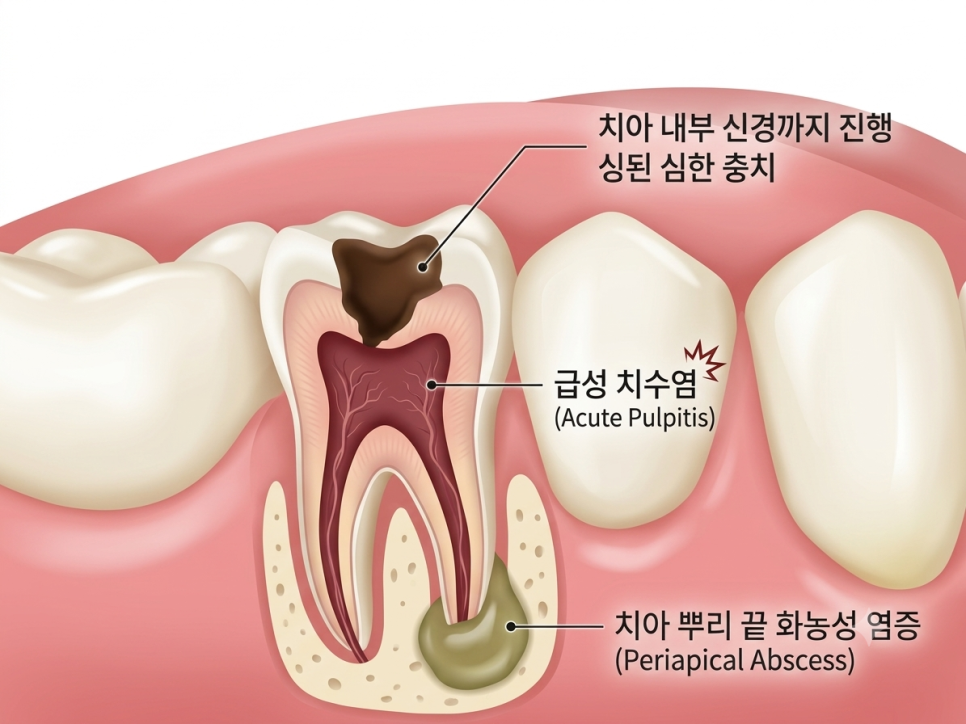
Severe decay that has reached the nerve inside a tooth
can, together with reduced immunity during pregnancy,
lead to acute pain severe enough to prevent sleep at night (pulpitis)
or a purulent infection at the tip of the tooth root.
The extreme stress experienced by the mother due to pain
and the resulting adrenaline secretion are passed directly to the fetus,
and the condition can easily worsen
while waiting for the safer treatment period during the second trimester (14–28 weeks).
Complete any postponed cavity treatment,
and for teeth requiring root canal treatment in particular,
make sure the entire process—including disinfecting the inside of the tooth
and placing a crown restoration—is completed before pregnancy.
Worn, loosened, or lifted restorations should preferably be replaced in advance
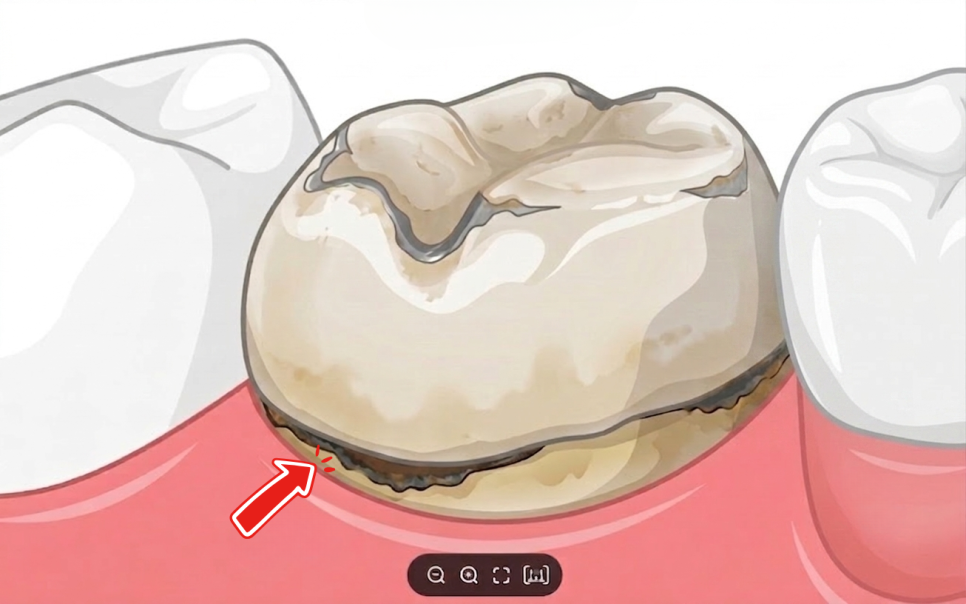
For inlays or crown restorations
that were placed 7–10 years ago and have reached the end of their service life,
there is a high likelihood that tiny gaps have formed.
If strong stomach acid caused by morning sickness during pregnancy
enters through these gaps,
or secondary decay develops underneath,
the restoration may suddenly come off
or the tooth may fracture from within.
As pregnancy progresses toward full term,
sitting upright in a dental chair for a long time
to receive precise restorative treatment
becomes physically demanding.
If the gums around an existing restoration have become discolored
or you feel sensitivity,
it is wise to replace it with a new restoration in advance.
Are you preparing for pregnancy?

Carrying a new life for 10 months
is a truly joyful experience, but I also understand
that expectant mothers may go through many difficult moments.
If you are preparing for pregnancy,
please be sure to check these things in advance.
- Expectant mothers who are making specific plans
for pregnancy and childbirth
within the next 3–6 months
- Those who have experienced swollen gums
or pain around their wisdom teeth
whenever they were tired or feeling unwell in the past
- Those who are not usually confident about managing their teeth
and want to prepare in advance
in case sudden tooth pain occurs during pregnancy
When is the ideal time to visit the dentist?
The ideal time to visit the dentist
is at least 2–3 months before actually trying to become pregnant.
This timing takes into account the period needed
for the gum tissue to heal safely after wisdom tooth extraction
or gum treatment,
as well as the time required for prescribed medication
to be completely metabolized and eliminated from the body.
When you visit, please be sure to say:
I am preparing for pregnancy.
or
There is a possibility that I may be pregnant.
If you let us know in advance,
we will do our best to provide
a personalized treatment plan
that is as safe and effective as possible
for your condition.
This was dentist Kim Geun-il.
Thank you.
📍 365서울원탑치과의원
4th floor, Dongmyeong M Building, 179 Gangseo-ro, Gangseo-gu, Seoul
Yeomchang-dong dentist / Gangseo-gu dentist / Hwagok Station dentist
1-minute walk from Exit 8 of Hwagok Station