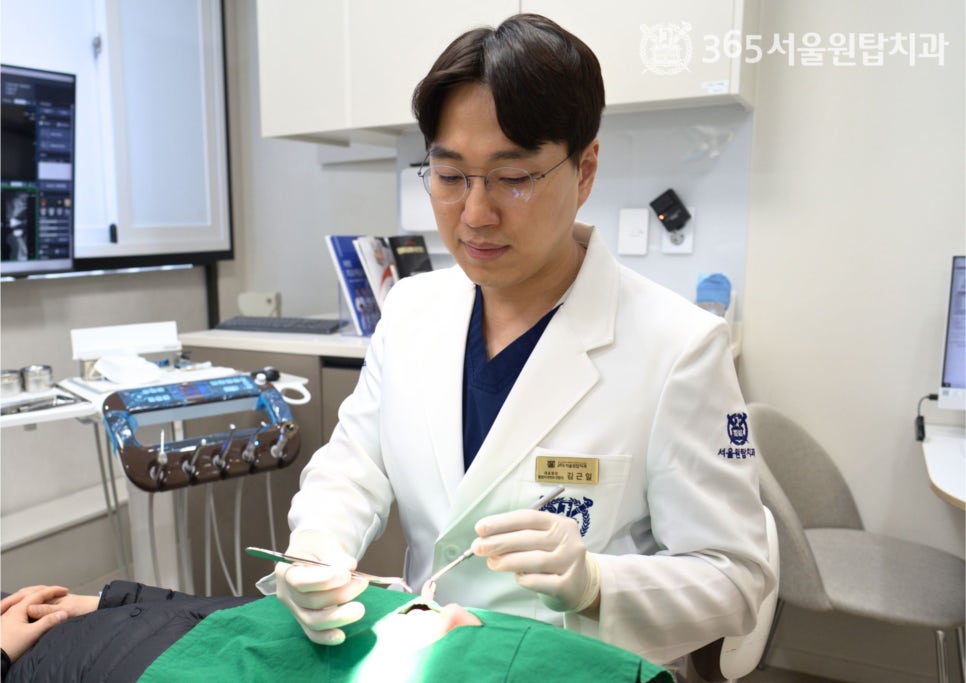
Director Kim Geun-il of 365서울원탑치과
Hello.
I am Kim Geun-il, director of 365서울원탑치과.
After completing dental treatment,
because they have no pain,
they think,
“I'm probably fine,”
and leave the issue unattended.
I often see patients who visit the dentist belatedly
after experiencing problems
caused by missing the time to replace their dental prostheses.
Since they invested considerable time and money
in their treatment at the time,
many patients understandably hope that a tooth that has been crowned or filled
will last permanently.
Today, along with the average lifespan of dental prostheses,
I will clearly explain the problems that can occur
when the time for replacement is missed,
as well as the proper criteria for deciding when to replace a prosthesis.
The Truth About “Prosthesis Lifespan,” a Question I Hear Every Day in the Treatment Room
When I actually talk with various patients
in our dental clinic,
I often receive questions such as:
“Doctor, I think it has been
about eight years since I had this crowned.
Do I need to have it redone even if it seems fine?”
Although there are differences depending on the type of prosthesis,
the patient’s eating habits,
and their oral-care condition,
the average checkup guidelines by prosthesis type
that I explain to patients in the treatment room
are as follows.
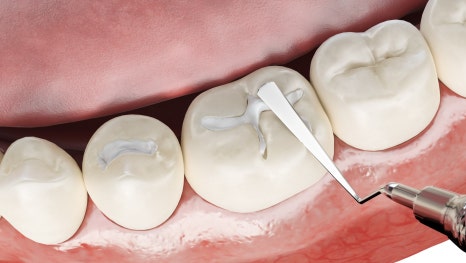
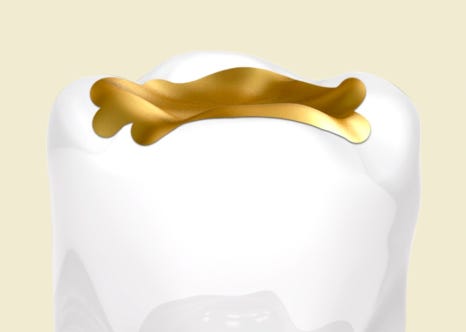
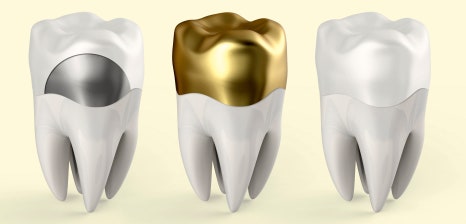
Because they must withstand the powerful chewing forces involved in eating every day,
and because the oral environment is constantly exposed to saliva and food,
prostheses naturally wear down over time,
and the adhesive used inside can gradually dissolve.
The periods listed above
refer to when focused checks should begin
for prosthesis deterioration or secondary cavities.
You should continue to receive regular checkups every 6 months to 1 year,
and the period of use may vary depending on each patient’s oral-care condition and eating habits.
3 Problems That Can Occur If You Miss the Time to Replace a Prosthesis
So, when should a prosthesis be replaced?
If a small gap is observed between the prosthesis and the tooth
on an X-ray or 3D CT scan,
it is time for replacement.
If this timing is missed and the issue is left unattended,
the following problems may occur.
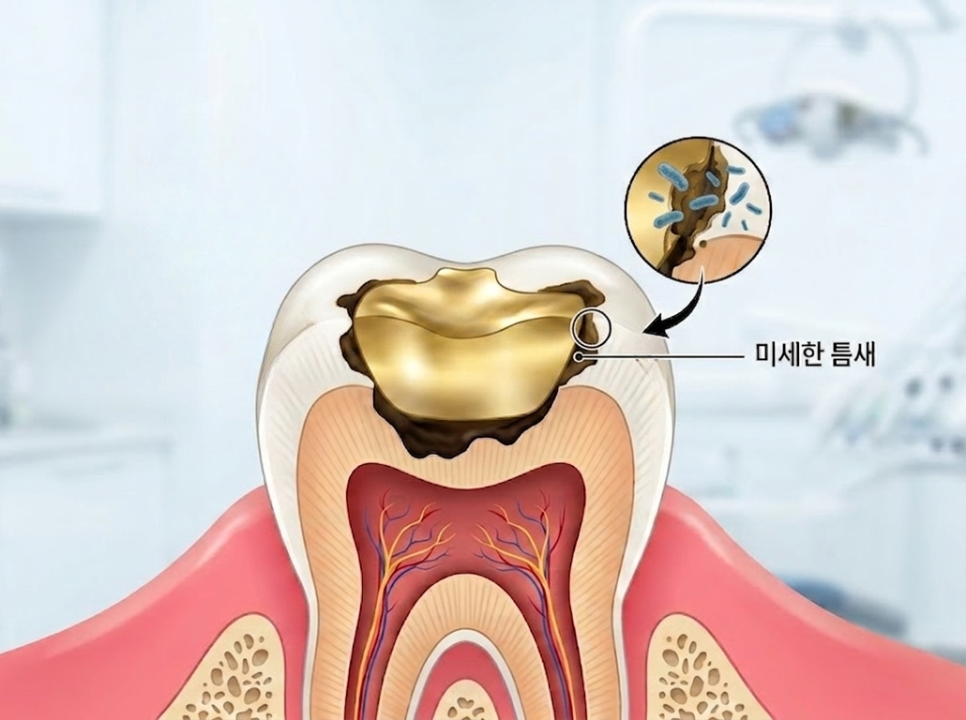
- Secondary Cavities That Cannot Be Seen
Food becomes trapped in the gap
along the lifted edge of the prosthesis,
allowing bacteria to enter.
The tooth underneath then begins to decay again.
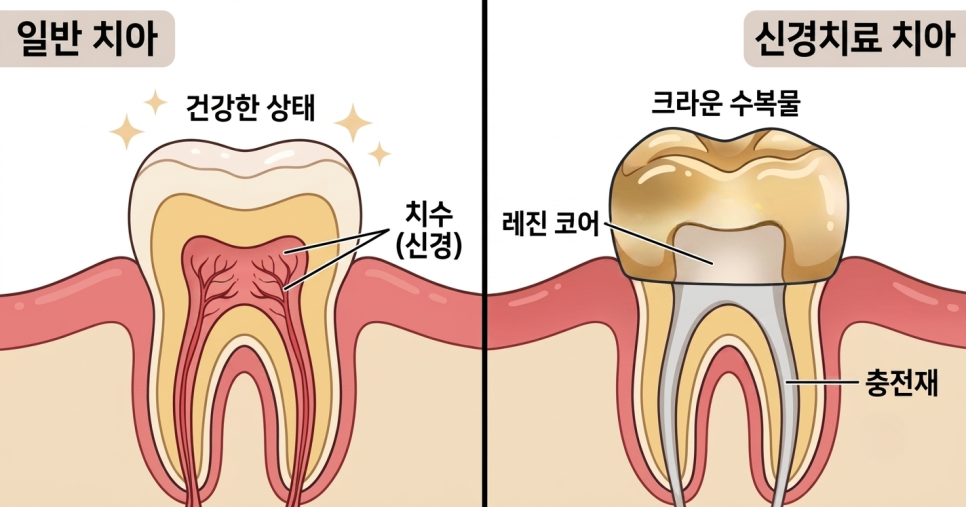
- Risks to a Tooth That Has Undergone Root Canal Treatment
A crowned tooth that has already had its nerve removed
no longer receives a blood supply,
and because it cannot feel pain,
there are many cases in which patients do not realize
that decay has progressed significantly inside the tooth.
Eventually, when they suddenly visit the clinic
because the prosthesis has fallen out,
the tooth has often already fractured,
meaning it may need to be extracted and replaced with an implant.
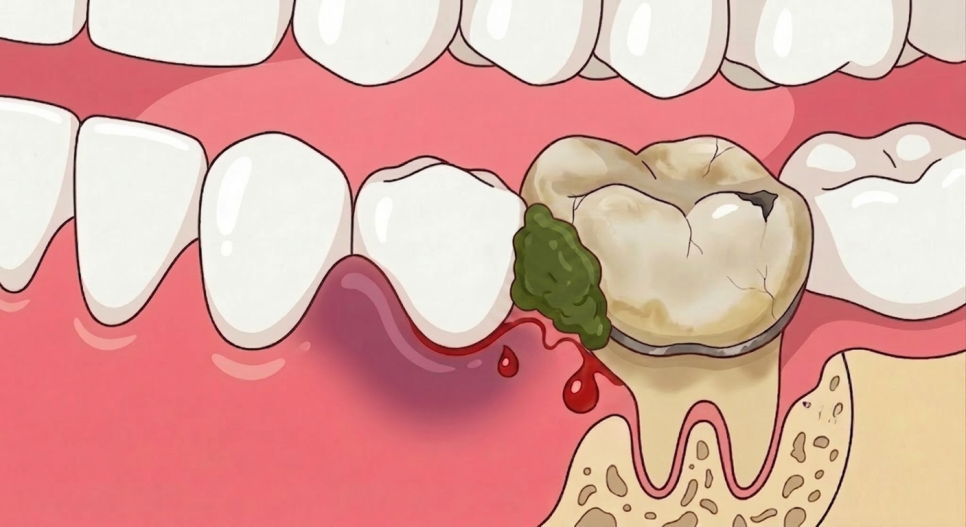
- Gum Inflammation and Bad Breath
Food becomes trapped between the lifted prosthesis and the tooth,
causing periodontal disease,
in which the surrounding gums become swollen and bleed.
Should You “Always” Replace a Prosthesis Once Its Average Lifespan Has Passed?
When I explain the risks above,
some people worry:
“I’ve had mine crowned for more than eight years.
Do I have to remove it and have it redone no matter what?”
However, to give you the conclusion first:
Even if 10 years have passed,
if there are no problems
and it is being maintained well,
there is no need to replace it in a hurry.
The five- and ten-year periods mentioned by dentists
are not deadlines by which replacement is mandatory.
They are “intervals at which the condition should be checked regularly.”
In fact, if there is no gap along the gum margin
and no internal cavities or inflammation on an X-ray,
the prosthesis may be used healthily for more than 10 years.
Criteria for Deciding Whether to Replace a Prosthesis
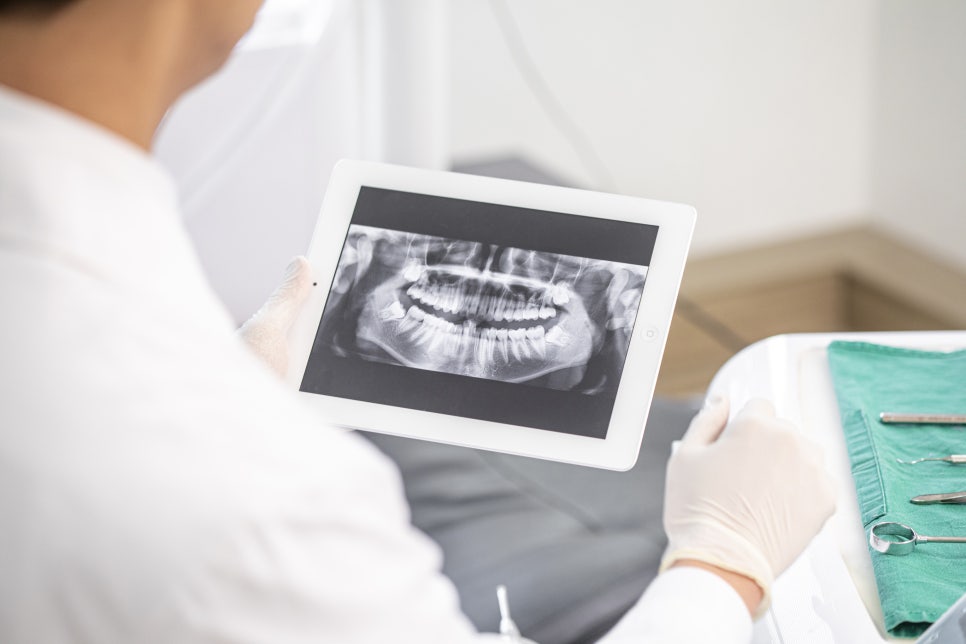
I advise patients on whether replacement is needed
based on the following criteria.
[Keep]
If the gum margin is closely sealed,
and there are no internal cavities or damage to the jawbone on an X-ray
➔ Continue using it with regular checkups
[Replace]
If a gap is visible along the prosthesis margin,
if secondary cavities have begun underneath,
or if the prosthesis feels loose
➔ Remove the existing prosthesis and undergo retreatment
If you have previously received prosthetic treatment at another dental clinic, be sure to have it checked!
Because teeth do not regenerate,
once treatment has been performed,
it is important to maintain them through ongoing checkups.
Otherwise,
it may eventually lead to extraction
and implant treatment.
I recommend that you read and review today’s information,
particularly if any of the following situations apply to you.
-
It has been 7 to 10 years or more since you had a tooth filled or crowned
-
You have no current pain but feel uneasy about the condition of an old prosthesis
-
The gums around a crowned tooth bleed or have an odor
-
You want to preserve a sound prosthesis as much as possible without unnecessary treatment
There is no need to feel overly anxious
just because it has been a long time since you received prosthetic treatment.
Simply visit a nearby dental clinic
and have the internal condition checked accurately
with an X-ray may be sufficient.
I will always provide honest and proper care
so that you can preserve your valuable natural teeth
for as long as possible.
If you have any questions, please feel free to contact us at any time.
Kim Geun-il, director of 365서울원탑치과.
Thank you.
📍 365서울원탑치과 Clinic
4th Floor, Dongmyeong M Building, 179 Gangseo-ro, Gangseo-gu, Seoul
Yangcheon-gu Dental Clinic / Gangseo-gu Dental Clinic / Hwagok-dong Dental Clinic
A 1-minute walk from Exit 8 of Hwagok Station