Why a Root Canal-Treated Tooth Should Be Covered with a Crown
Hello.
I am Kim Geun-il,
Director of 365서울원탑치과.
Why do I need to have a crown placed
after root canal treatment?
Can't I just use the tooth carefully
without prosthetic treatment?
This is one of the questions
that patients ask very frequently
around the time they finish
the root canal treatment process
at the dental clinic.
Because the pain disappears completely
after root canal treatment,
you may hesitate, wondering whether
you really need to have a significant amount
of tooth structure removed
and pay for an expensive crown.
I also understand that you may feel
financially burdened because
the cost of prosthetic treatment
can increase by several hundred thousand won.
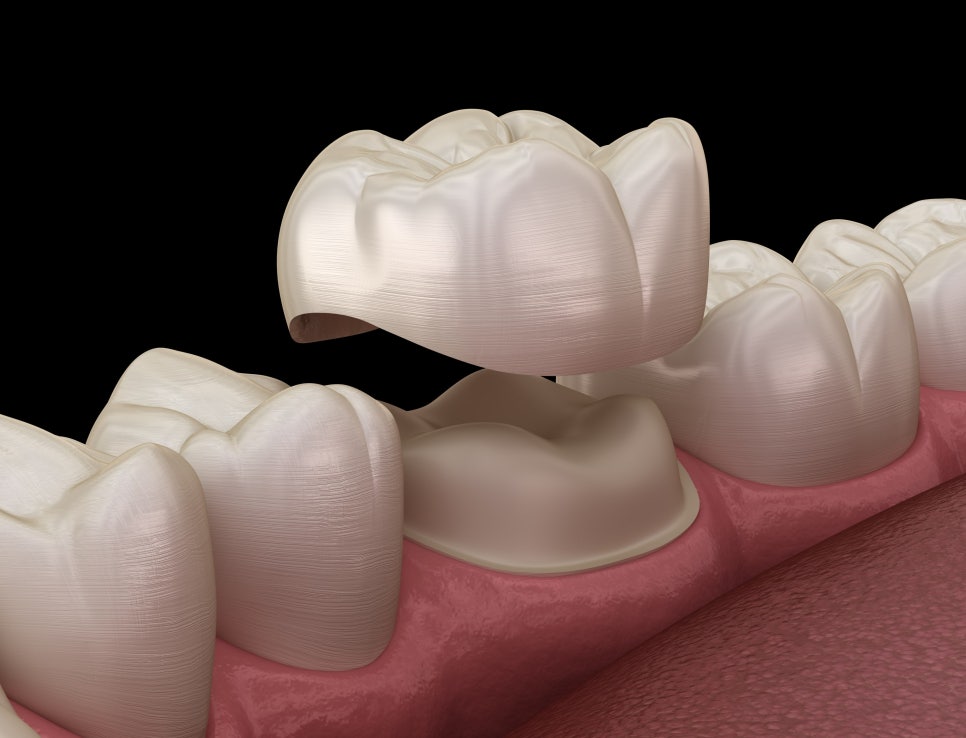
However, except in special cases,
I would say that a crown for a root canal-treated tooth
is not an “option” but a “necessity.”
Today,
I will explain the medical reasons
why crown treatment should be completed
after root canal treatment.
A root canal-treated tooth
is like a “dead tree.”
Inside a tooth, there are not only nerves,
but also fine blood vessels—the dental pulp—
that supply the tooth with moisture and nutrients.
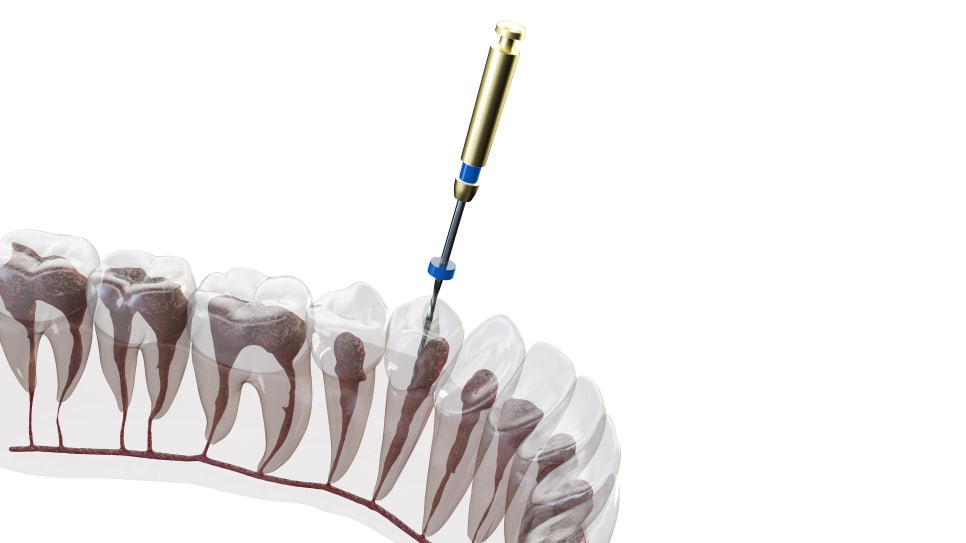
Root canal treatment is a procedure
that completely removes this vascular tissue
along with the infected nerve.
After root canal treatment, the tooth
that once received nutrients and moisture
becomes dry, brittle, and very weak,
like a “dead tree” with all its moisture dried out.
Even from a small impact or minor stimulation,
such as chewing hard food,
the risk of the tooth breaking easily
or splitting in half—tooth cracking and fracture—
increases sharply.
Because a substantial amount of tooth structure has been removed,
it no longer has enough strength to withstand forces on its own.
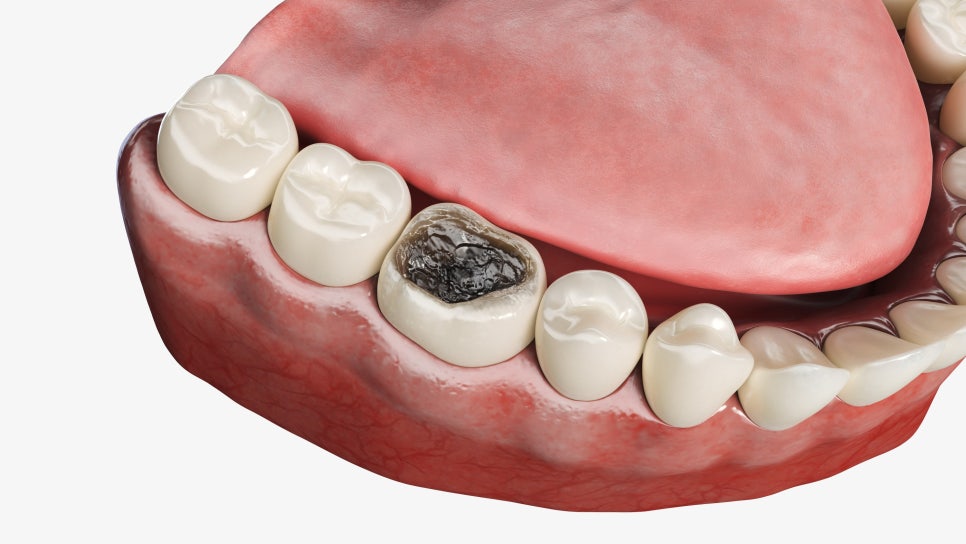
The fact that root canal treatment was necessary
means that the decay was already very deep,
or that the tooth had fractured extensively
and inflammation had spread to the nerve.
To access the root canals,
a considerable amount of the upper part of the tooth
must be removed.
As a result, the amount of tooth structure
left after treatment is much less
than you may expect.
If a tooth with only a thin shell remaining
is left as it is or simply filled with an inlay,
it may be unable to withstand the strong forces
of chewing and split all the way to the root.
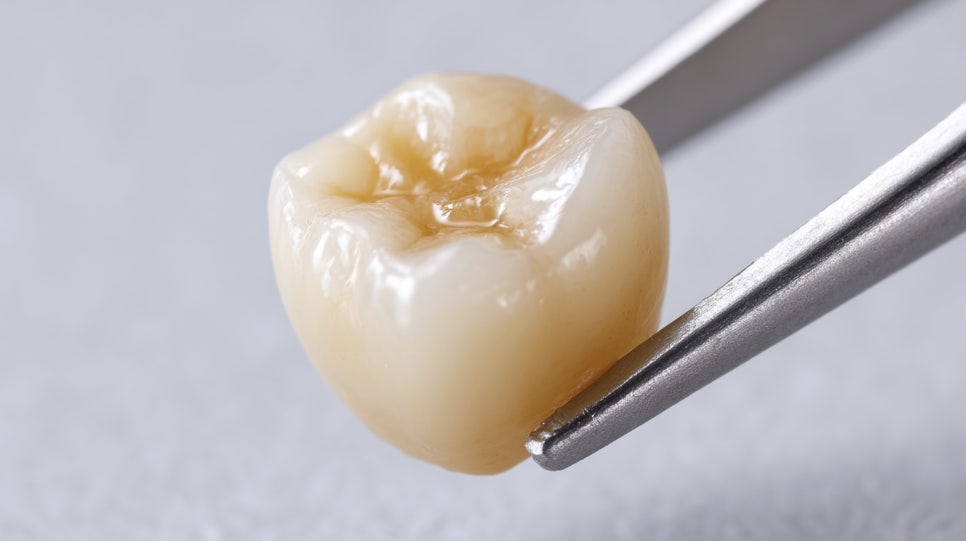
A crown does not simply cover the tooth.
It acts as a “helmet” and “armor,”
firmly encasing the weakened tooth as a whole
so that it does not break.
A Perfect Seal to Prevent Reinfection
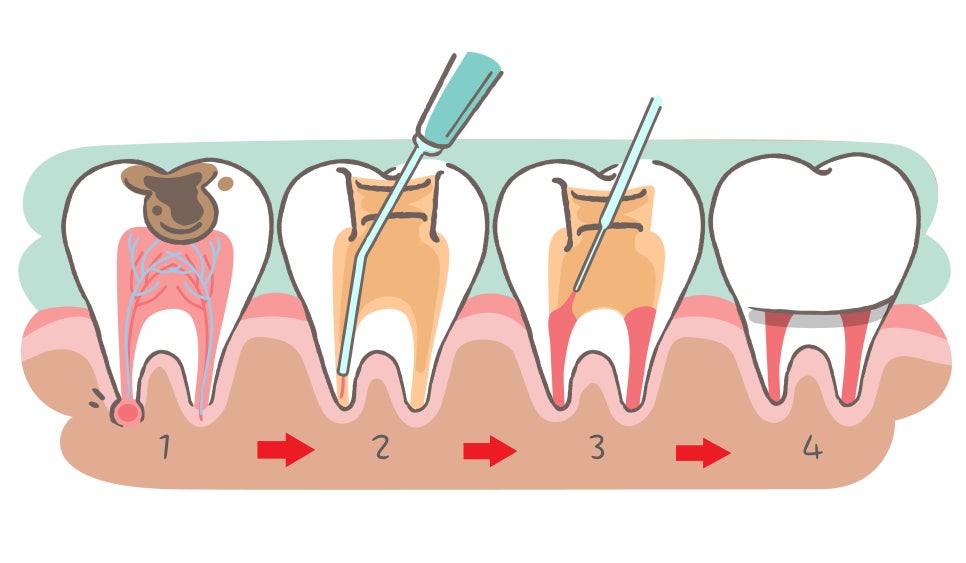
Root canal treatment involves removing
the inflammation inside the tooth,
disinfecting it, and filling it
with a special material.
Even if the treatment has been completed successfully,
if the upper part of the tooth is not precisely sealed
with a crown,
saliva and bacteria in the mouth
can penetrate the root canals again
and cause reinfection.
When reinfection occurs,
another pocket of pus may form
in the jawbone around the gums.
Eventually, the root canal treatment
that was completed with difficulty
may have to be performed again,
or, in the worst case, the tooth may need to be extracted.
What Happens If You Leave the Tooth Without a Crown?
Some people occasionally leave their teeth
with temporary filling material
for several months because of treatment costs or time.
- Tooth Fracture
If the neglected tooth cannot withstand chewing forces
and splits all the way to the root,
it can no longer be saved.
The tooth must then be extracted
and replaced with an implant.
- Reinfection of the Root Canals
If the temporary filling material wears away
or a gap develops and bacteria enter again,
it can cause gum swelling
and severe recurring pain.
Ultimately, root canal treatment received
to save the tooth
can lead to the unfortunate result of losing it
if a crown is not placed.
Please understand that prosthetic treatment
after root canal treatment is not overtreatment.
It is a necessary step
to protect a tooth that has undergone
difficult treatment.
I, dentist Kim Geun-il,
will continue to do my best
to preserve your valuable natural teeth
and help you use them for as long as possible.
Thank you.
📍 365서울원탑치과의원
4th floor, Dongmyeong M Building, 179 Gangseo-ro,
Gangseo-gu, Seoul
Balsan-dong Dentist / Gangseo-gu Dentist / Hwagok-dong Dentist
A 1-minute walk from Exit 8 of Hwagok Station