Hello.
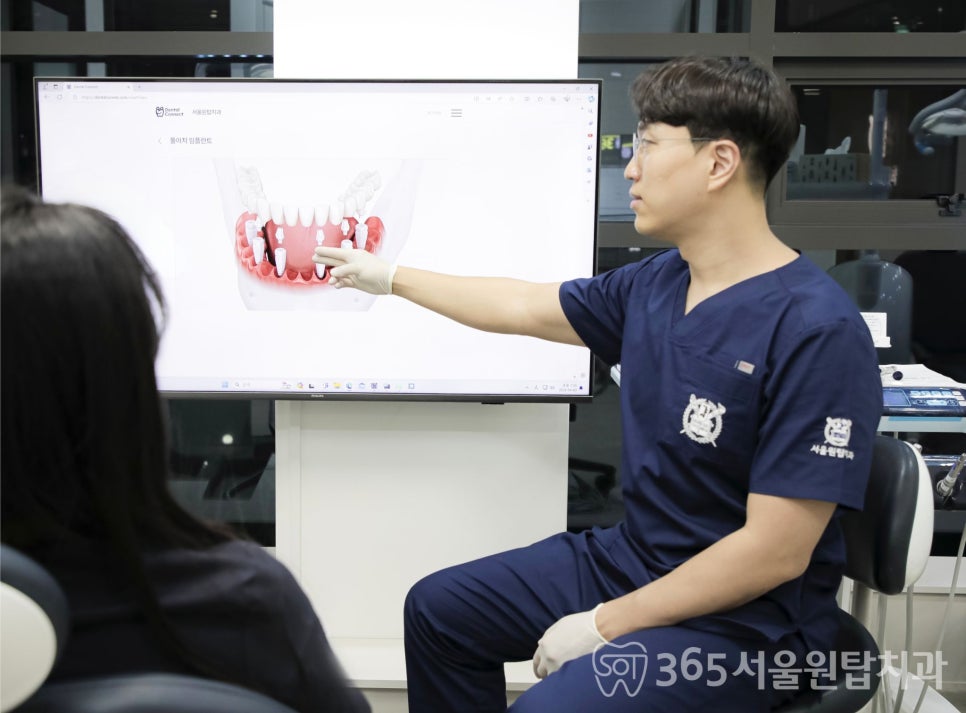
I am Kim Geun-il,
Director of 365 Seoul One Top Dental Clinic.
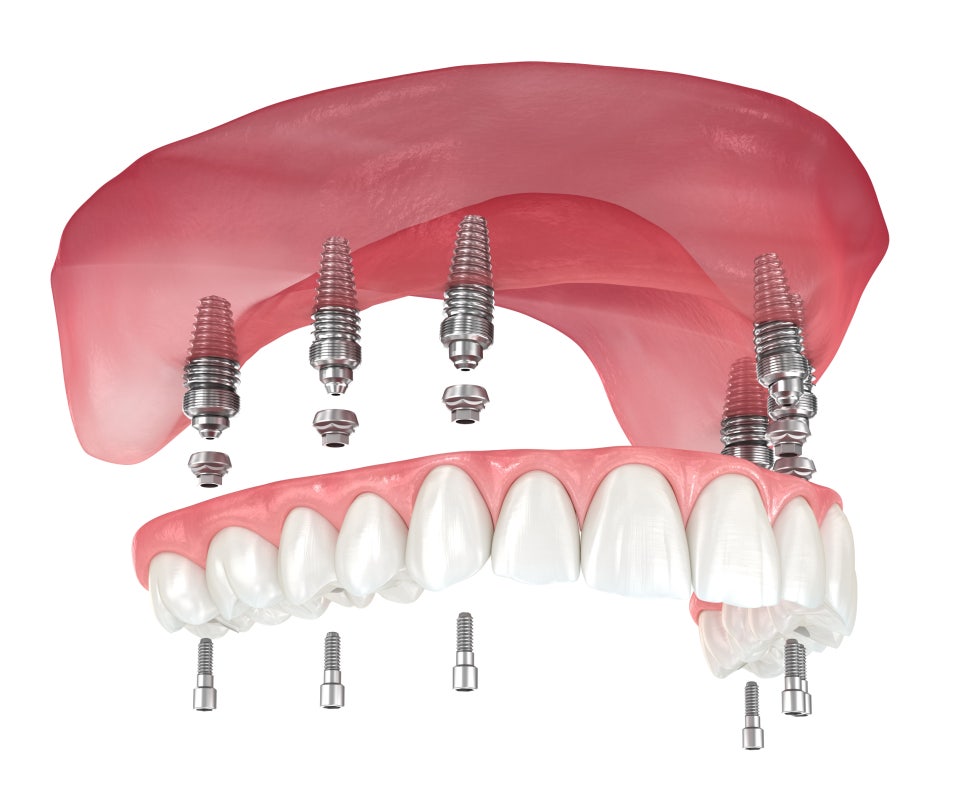
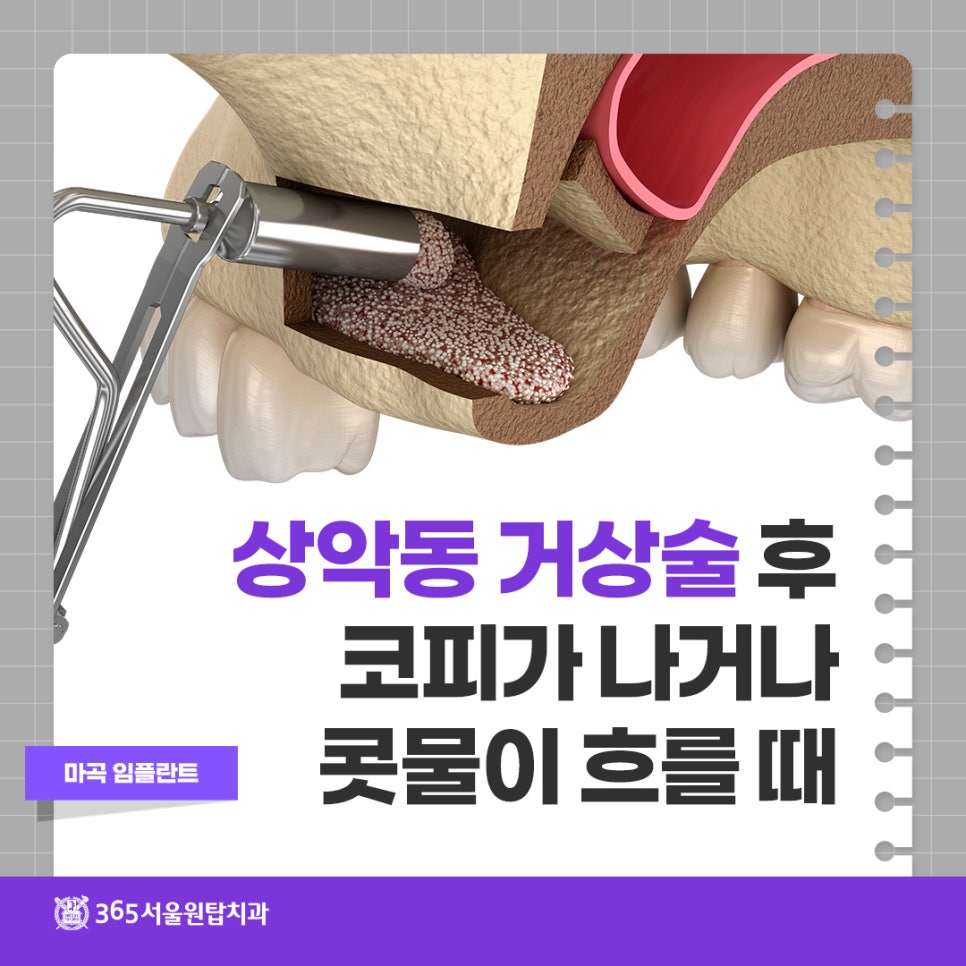
Among patients who have undergone implant surgery with a sinus lift because they lacked sufficient bone in the upper molar area,
some occasionally experience a slight amount of blood mixed with nasal discharge or a runny nose while blowing or wiping their nose.
This can occur temporarily because the space called the “maxillary sinus,” located directly above the upper molars, is adjacent to the inside of the nose—the nasal cavity—with only a thin membrane between them.
However, applying pressure to the nose or maxillary sinus during this period can cause serious problems at the surgical site.
Today, from a dentist’s perspective, I will explain what you should never do after a sinus lift and how to respond.
Why should you never blow your nose when you have a nosebleed or runny nose after a sinus lift?
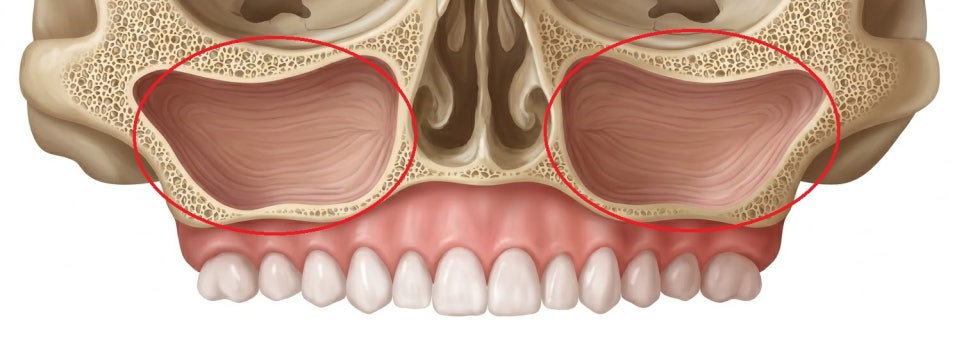
Location of the maxillary sinus—the area marked with the red circle is called the maxillary sinus.
A small amount of blood mixed with nasal discharge after a sinus lift can occur temporarily as a natural result of the thin sinus membrane being adjacent to the nasal cavity.

However, tightly pinching your nose and blowing forcefully during this period can rapidly increase the pressure inside the nose, causing the grafted bone to spill out or triggering inflammation, such as sinusitis.
When your nose is running, do not blow your nose. Instead, gently dab only the discharge around the nostrils with a clean tissue.
This precaution is essential for all sinus-lift patients during the first two weeks after surgery, while the grafted bone is stabilizing.
Why should you sneeze through your mouth instead of your nose, and how should you respond?
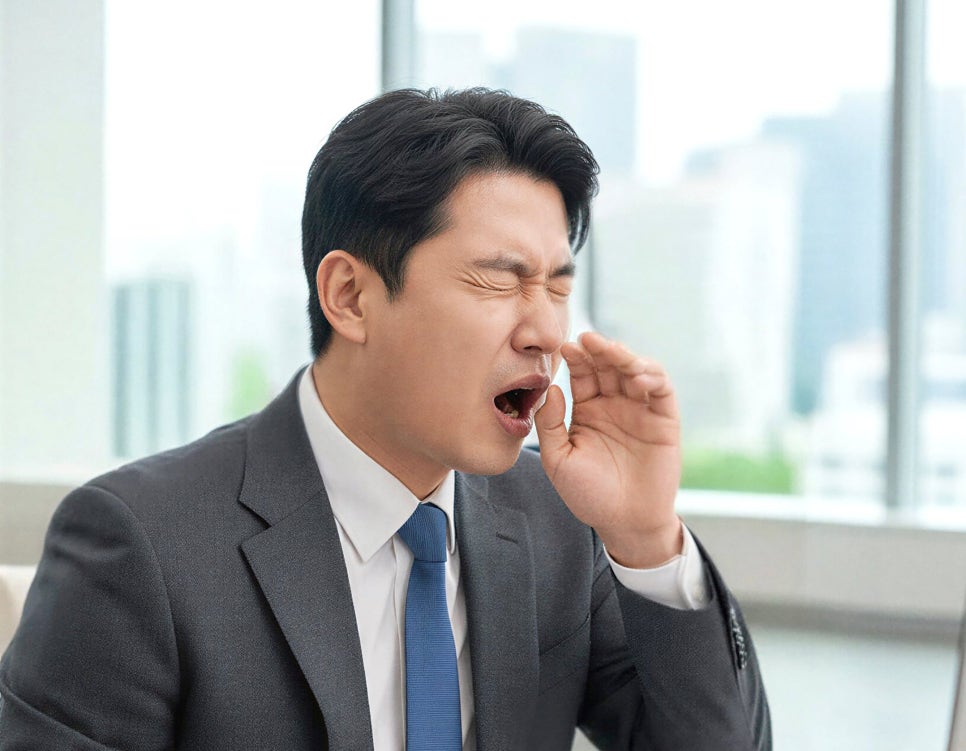
When sneezing, unintentionally blocking your nose and mouth or forcefully expelling air through your nose can cause the pressure inside the maxillary sinus to increase momentarily by several dozen times, placing severe stress on the surgical site.
When you feel a sneeze coming on, do not tilt your head backward. Instead, lean slightly forward, open your mouth wide, and sneeze with sound to disperse the pressure.
Many patients experience discomfort when sudden sneezing creates pressure within one to two weeks immediately after surgery, so you should be sure to remember this technique.
This method is particularly appropriate for patients with allergic rhinitis or frequent sneezing who are concerned about irritating the surgical site.
Are you wondering why using a straw or smoking is dangerous after implant surgery?

Using a straw to drink, sucking hard on candy with your tongue, and smoking create strong negative pressure—a vacuum-like condition—in the mouth.
This negative pressure can affect tiny openings connecting the maxillary sinus and the oral cavity or the extraction socket, interfere with blood clotting, and cause blood to flow backward.
For at least one to two weeks after surgery, you should completely avoid using straws and smoking and drink from a cup instead.
This precaution applies to patients who have undergone a sinus lift or implant surgery combined with an extraction and who may be sensitive to negative pressure in the mouth.
When can you exercise, go to the gym, or lift heavy objects after a sinus lift?

Strenuous activities that place force on the upper body, such as lifting heavy objects, working out at the gym, or hiking, can raise overall blood pressure and pressure in the head and neck, causing bleeding or a nosebleed at the surgical site.
For at least one to two weeks after surgery, avoid vigorous exercise that makes you sweat. Only activities such as light walking are permitted.
Based on clinical standards, it is safest to refrain from any activity that increases physical pressure until the sinus membrane has securely fused with the bone and stabilized completely.
This guideline must be followed by office workers and fitness enthusiasts who regularly enjoy high-intensity exercise and want to return to their daily routines quickly.
What effect do saunas and Korean-style heated rooms have on recovery after a sinus lift?

Rapidly raising body temperature and excessively stimulating blood circulation through saunas, Korean-style heated rooms, or hot baths can dilate the small blood vessels in the healing surgical site, causing a nosebleed or other bleeding.
Immediately after surgery, it is safer to be cautious and maintain your body temperature with a light shower rather than soaking in hot water for a long time.
As a general guideline, wait until two weeks after surgery, when the tendency to bleed has usually subsided completely, and consult your treating dentist before using these facilities.
This information applies to all surgical patients who frequently use hot-water spas or Korean-style heated rooms and are aiming for a speedy recovery.
What symptoms require you to contact your dentist immediately for an examination?
A slight amount of blood mixed with nasal discharge may be natural for several days immediately after surgery. However, you should contact your dentist immediately if blood drips from your nose and does not stop even though you have not blown your nose, or if this is accompanied by severe pain or a sensation of heat.
You should also visit the dentist if your cheek or the area beneath your eye becomes increasingly swollen, if there is a foul odor from your mouth or nose, or if your nasal discharge turns yellow or green, as these may indicate sinusitis.
I often tell patients that whether pressure is properly controlled during the two weeks after surgery can determine the success of implant surgery.
To those who need a sinus lift during implant surgery and those who have already undergone the procedure, I hope you all achieve good results. I, dentist Kim Geun-il, will continue to do my best in your treatment.
Thank you.
📍 365 Seoul One Top Dental Clinic
4th Floor, Dongmyeong M Building, 179 Gangseo-ro, Gangseo-gu, Seoul
Magok dental implants / Gangseo-gu dentistry / Hwagok-dong dentistry
A 1-minute walk from Exit 8 of Hwagok Station