Hello. I’m Ahn Byung-joon, CEO and chief surgeon of Ahn Byung-joon Plastic Surgery.
Many people find that after their 40s, their eye area looks different when they look in the mirror.
Their eyelids may droop, making their eyes look smaller, or opening their eyes may feel heavier than before.
During this process, people unconsciously tense their forehead or brows, and as a result, forehead wrinkles may deepen or their expression may look tired.
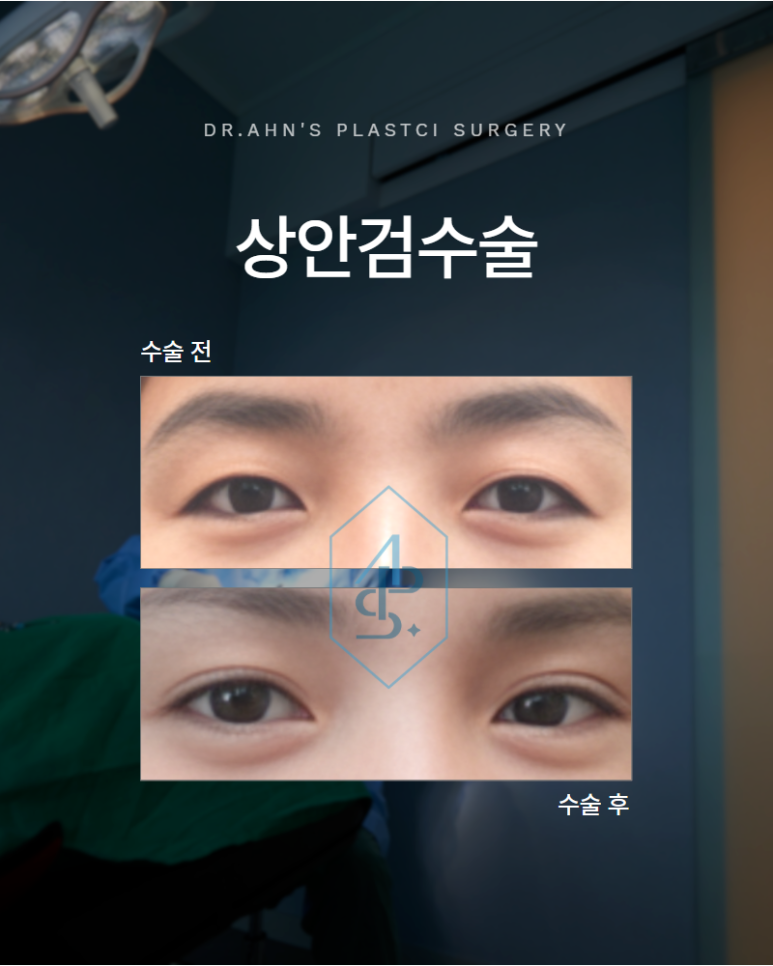
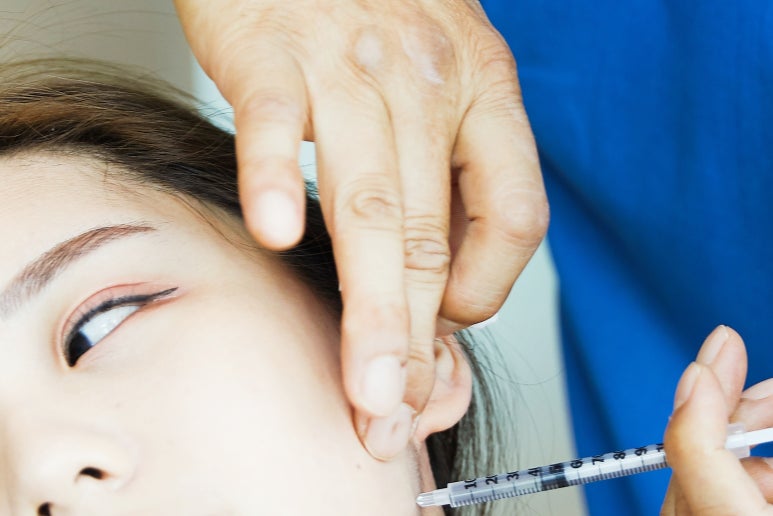
The surgery people often seek for these concerns is upper eyelid surgery.

Double eyelid surgery and upper eyelid surgery have different purposes
Double eyelid surgery performed in your 20s is also called double eyelid formation surgery, and its main purpose is to create a new crease.
In contrast, upper eyelid surgery after the 40s has a slightly different purpose.
Rather than simply creating a crease, it is a surgery that improves both eye function and appearance by organizing tissues that have sagged due to aging.
As we age, it is not only the eyelid skin that sags.
The muscles and fat beneath the skin also descend, so in upper eyelid surgery, it is important to examine all of these and remove or adjust them appropriately.
This is because if only the skin is removed and the muscles and fat are left in place, the eyelids can become heavy again.
The method of securing the crease determines the result
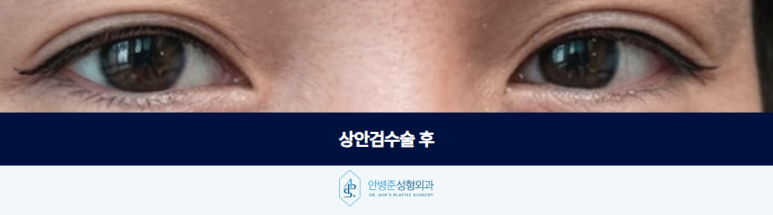
Another important part of upper eyelid surgery is how the double eyelid crease is secured.
The elasticity of the skin in your 20s and that of the skin after your 40s are quite different.
If you apply a strong fixation method designed for younger eyes with enough elasticity, older skin may end up looking awkward and unnatural.
That is why, in upper eyelid surgery, the basic principle is to secure the crease softly and loosely.
The goal is to sufficiently remove sagging skin, muscle, and fat while guiding the crease to settle in naturally.
I believe achieving this balance is the role of an experienced plastic surgery specialist.
A comfortable expression is the goal
Among those who come in for consultations about upper eyelid surgery, many say they want to look younger.
Of course, once the eyelids are corrected, the expression naturally becomes brighter and more defined.
However, in eye surgery for middle-aged and older patients, what I consider more important is creating a comfortable and kind expression.
If the eyes are made excessively large or the crease is made too strong, the result can look awkward and not suit one’s age.
As people get older, their face should look more relaxed and have a softer atmosphere, and I believe that is the direction upper eyelid surgery should aim for.
The effect of looking younger naturally follows within that naturalness.
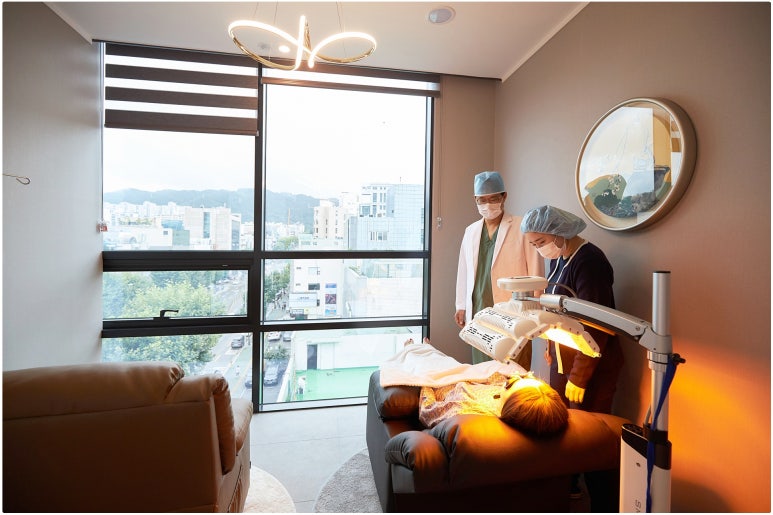
After upper eyelid surgery, opening the eyes becomes much easier.
As the habit of straining the forehead and brows decreases, forehead wrinkles often gradually soften as well.
As the eye area appears more refined, the overall atmosphere of the face also becomes brighter.
Initial swelling usually subsides to some extent in about two weeks, but it is appropriate to allow more than three months for the crease to settle completely.
That is because surgical results often become more natural over time rather than immediately after the procedure.
For those considering upper eyelid surgery, I recommend starting by carefully examining the degree of eyelid sagging and the condition of the skin.



Previous image
Next image
�