Upper eyelid and lower eyelid surgery
may seem like a procedure that simply
involves making an incision in the skin,
but because it deals with the sensitive area around the eyes,
thorough preoperative preparation
is especially important.
Even if you follow just a few basic precautions
before surgery,
you can reduce side effects
and recover more quickly,
which can ultimately help you expect
a more satisfactory
surgical result.
The information below is something
you should definitely know
in order to undergo surgery safely
and return to daily life quickly.
✅Preoperative Precautions
Common items (applies equally to upper/lower eyelid surgery)
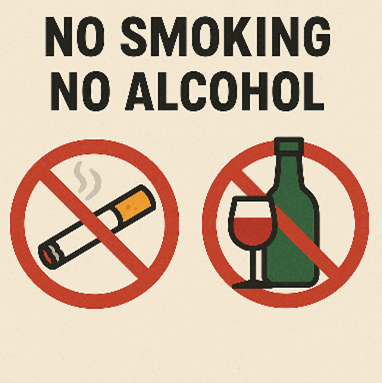
- No smoking or drinking for 1 week before surgery
→ Nicotine constricts peripheral blood vessels
and reduces oxygen delivery.
As a result, blood flow to the surgical area decreases,
slowing recovery
and increasing the risk of infection.
→ Alcohol dilates blood vessels,
which increases the risk of bleeding,
and can worsen bruising
during the recovery process.
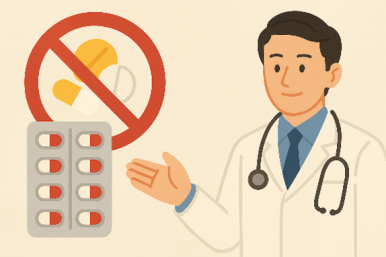
- Consult in advance about whether to stop taking anticoagulants, thrombolytics (e.g., aspirin), and similar medications
→ Medications that thin the blood
can increase bleeding during surgery,
and may worsen bruising, swelling, and hematoma
after surgery.
In particular, because the area around the eyes
contains many blood vessels,
if you are taking anticoagulants or aspirin,
be sure to inform the medical staff
before surgery
and consult them about whether you should stop taking them.
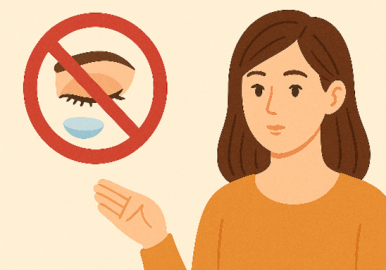
- No eye makeup or contact lenses
→ If makeup is on the skin,
it may be difficult to completely cleanse it
during preoperative disinfection,
and residues left on the skin surface
can lead to infection at the incision site.
Also, the process of removing makeup
can irritate the skin,
which may place unnecessary
stress on the eyelids just before surgery.
- Check the management status of underlying conditions such as blood pressure/diabetes
→ If high blood pressure is not controlled,
during sleep there may be
an increased heart rate, headache, dizziness,
and even fainting.
→ If blood sugar levels are high,
wound healing is delayed,
and bacterial infection can more easily occur
in the skin incision area.
- Having a guardian accompany you is recommended
→ Upper/lower eyelid surgery is
relatively simple, but considering that
sedation anesthesia or incision site care
may be necessary,
having a guardian accompany you is recommended.
After surgery,
dizziness, blurred vision, and similar symptoms
may make it risky to go home alone,
and if a guardian accompanies you,
understands the precautions,
and helps you,
it can contribute to safer and faster recovery.
Things that are easy to brush off thinking,
"It’s not a big deal,"
can end up making the biggest difference
after surgery.
For results that suit you
and a comfortable recovery,
please be sure to follow the preoperative precautions!